

Download Free Original Music Songs from the films
Scores & Rankings
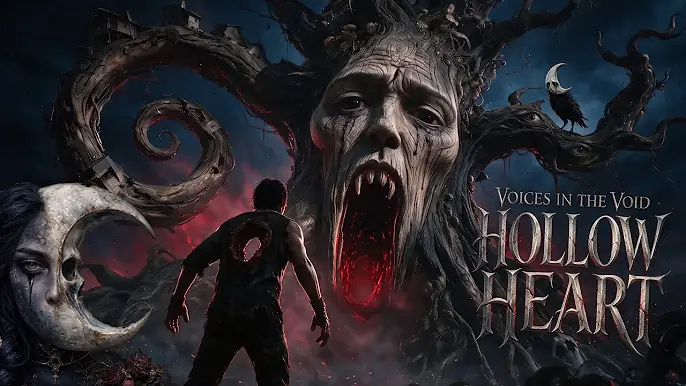
Voices In The Void: Hollow Heart Directed by Man Aye
Find this film in
Score breakdown
- Storytelling & Structure ×210
- Emotional Connection ×210
- AI Tool Management ×210
- Visual Craft10
- Screenplay10
- Sound Design10
- Originality10
- Technical Polish9
- Rewatch Value10
×2 = core category, counts double.
Film Review
VOICES IN THE VOID: HOLLOW HEART
A young man with a hole where his heart should be walks through a world built from trauma, depression, grief, and anger. A psychological dark fantasy about the places pain can take us, and the small light that helps us find the way out.
Spoiler Alert
This review discusses the story, the creatures, and the ending of Hollow Heart. This film is best discovered fresh. Please watch it first (it runs just over 19 minutes), then come back and read. You will enjoy the film much more without any spoilers.
A Different Kind of Film
This film cannot be placed next to titles like The Prompter or Fallen Leaves. Those films tell complete stories with conclusive endings. Hollow Heart has a different job. Its purpose is to introduce us to a world. It shows us the rules, the realms, and the creatures, and then it leaves the door open. It should be judged as the first step into a much larger universe, not as a finished story.
Synopsis
When souls lose themselves to trauma, depression, grief, or anger, they awaken hollowed out inside a mental hell that feeds on their memories, identities, and hope. Voices in the Void: Hollow Heart follows one of those souls. He is a young man with a cavity through his chest, and he must cross the living regions of this world to heal the wound at its source. If he fails, the realm will consume what remains of him, and its prisoners will stay trapped forever. If he succeeds, his survival becomes proof to every other soul that escape is possible.
The film grows from real experience. Its creator has spent more than a decade making music videos and visual content. He built Hollow Heart on years of studying mental health, trauma, and grief, and on his own periods of depression, loneliness, and unresolved pain. Supporters of his work later trusted him with their own stories. That shaped the heart of the film: surviving your own darkness can give you the understanding to help someone else survive theirs. The whole world is built to answer one question. What happens when the unresolved pain we carry inside us becomes a world of its own?
The production is just as ambitious as the idea. One person handled the creative direction, creature and environment design, shot planning, AI generation, editing, compositing, sound design, color, and final assembly. The original music was made with Suno, and the audio was finished in VEGAS Pro. There was no crew and no set. There were only thousands of decisions, made again and again, until everything felt like one film.
The Review
Pain, Made Visible
The most important thing to know about Hollow Heart is its rule of design. Nothing exists just because it looks cool. Every creature, location, and piece of anatomy begins with a human feeling and pushes it into physical form. Trauma becomes something that can hold you. Depression becomes stillness and endless repetition. Anger turns injury into a weapon. That is why the film stays with you. The monsters are not random. They feel familiar, and the longer you look at them, the more they look like something you have felt.
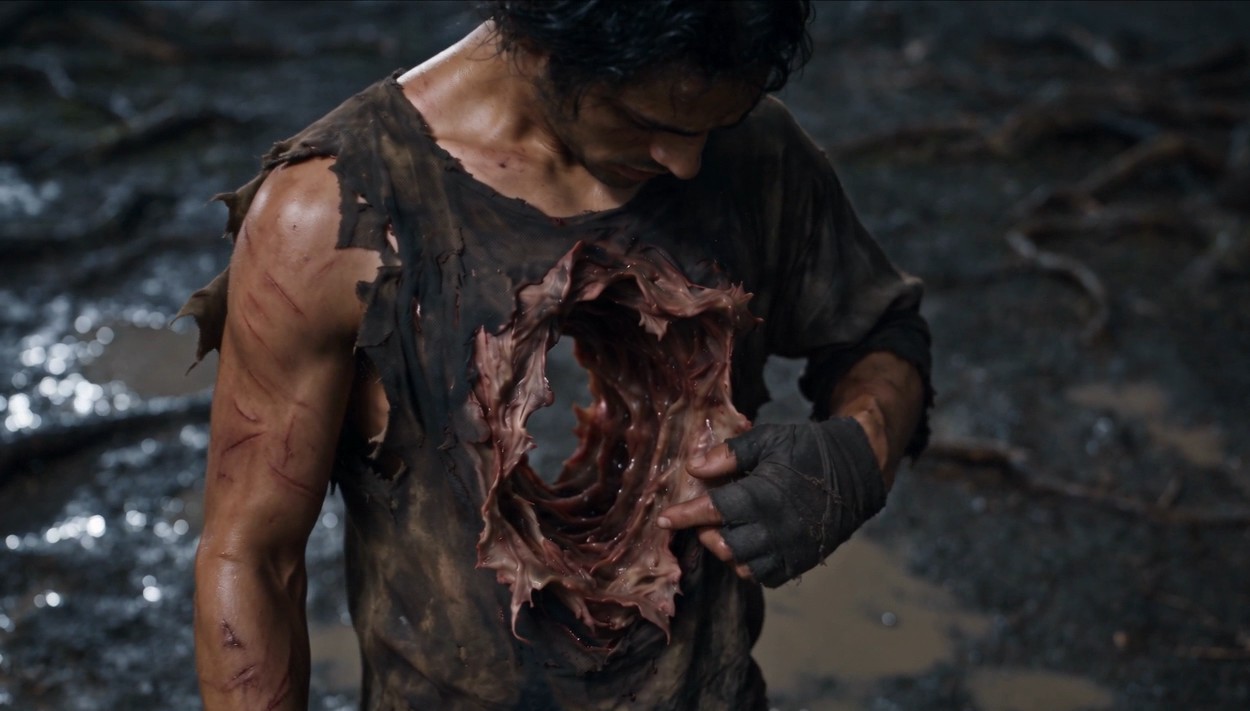
At the center is the hero, and his cavity is the film’s strongest image. The hole in his chest is not the result of one wound. It is what years of unresolved pain, avoidance, and grief look like when they are given a body. He survived what happened to him, but he carried it without healing until the emptiness became physical. Look at the opening minutes again. One man packs dirt into his own chest. Through his hollow heart, we can see another hollow person standing far away. Everyone here is empty, and they can see straight through each other. It is a quiet, brutal picture of loneliness.
Empathy, the Incomplete Light
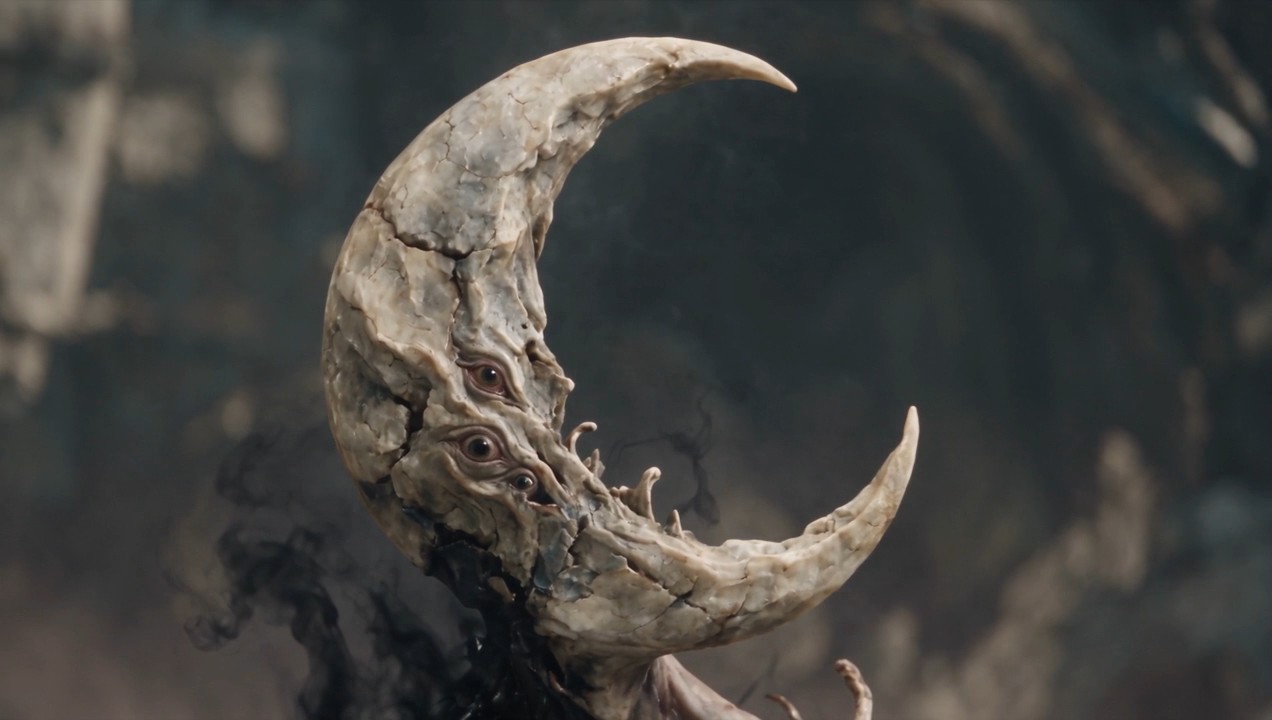
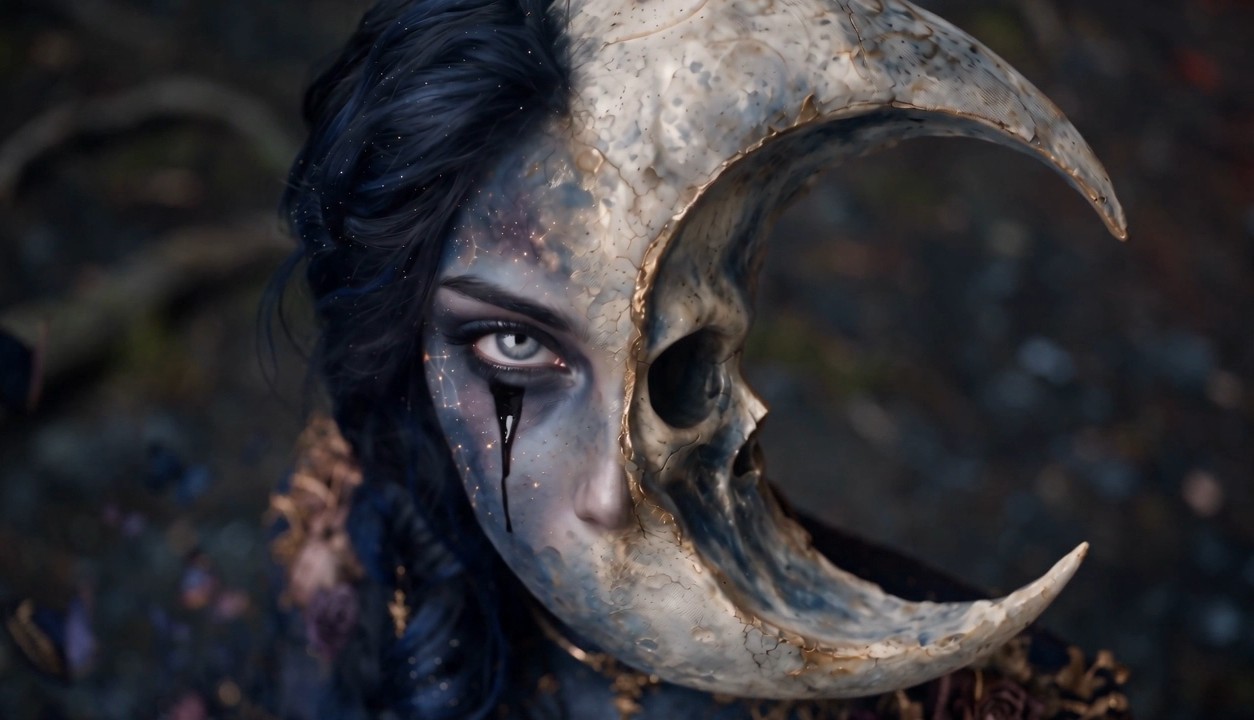
Empathy is the film’s most beautiful design, and its most hopeful one. She is made from every kind act the Void could never erase: every moment someone listened, and every hand offered to a person who could not stand alone. Her crescent head is deliberate. It stands for incomplete light. She cannot light up the whole darkness. She only shows enough of the path for someone to take one more step.
Her walk is the best visual metaphor in the film. Flowers bloom under each footstep, and the next step drains them dead. Then more flowers bloom ahead of her. The world can destroy every single bloom, but it cannot stop her from making another. There is also honesty in her limits. Empathy can guide the hero, but she cannot heal him. Compassion can walk beside someone through suffering. It cannot make the final choice for them.

One thing worth raising, and it takes nothing away from what the film accomplishes: Empathy only appears in physical form during those opening minutes. Past roughly the two-minute mark, she becomes a voice guiding the hero from somewhere off-screen, and she stays that way for the rest of the runtime. On my first watch, I kept waiting for her to come back into frame. She is such a striking design, and such a warm presence, that I wanted her walking beside him, not just narrating over him. For future chapters of this world, it would mean a great deal to see her return in the flesh, to watch her actually speak with him face to face, react to what he is going through, maybe even struggle beside him through a realm or two. If each realm eventually gets the room to become its own film, as the creator has described, there should be plenty of space for that. A character this well designed, and a world this rich, deserves the time to be seen and not only heard.
Trauma and the Hands That Will Not Let Go
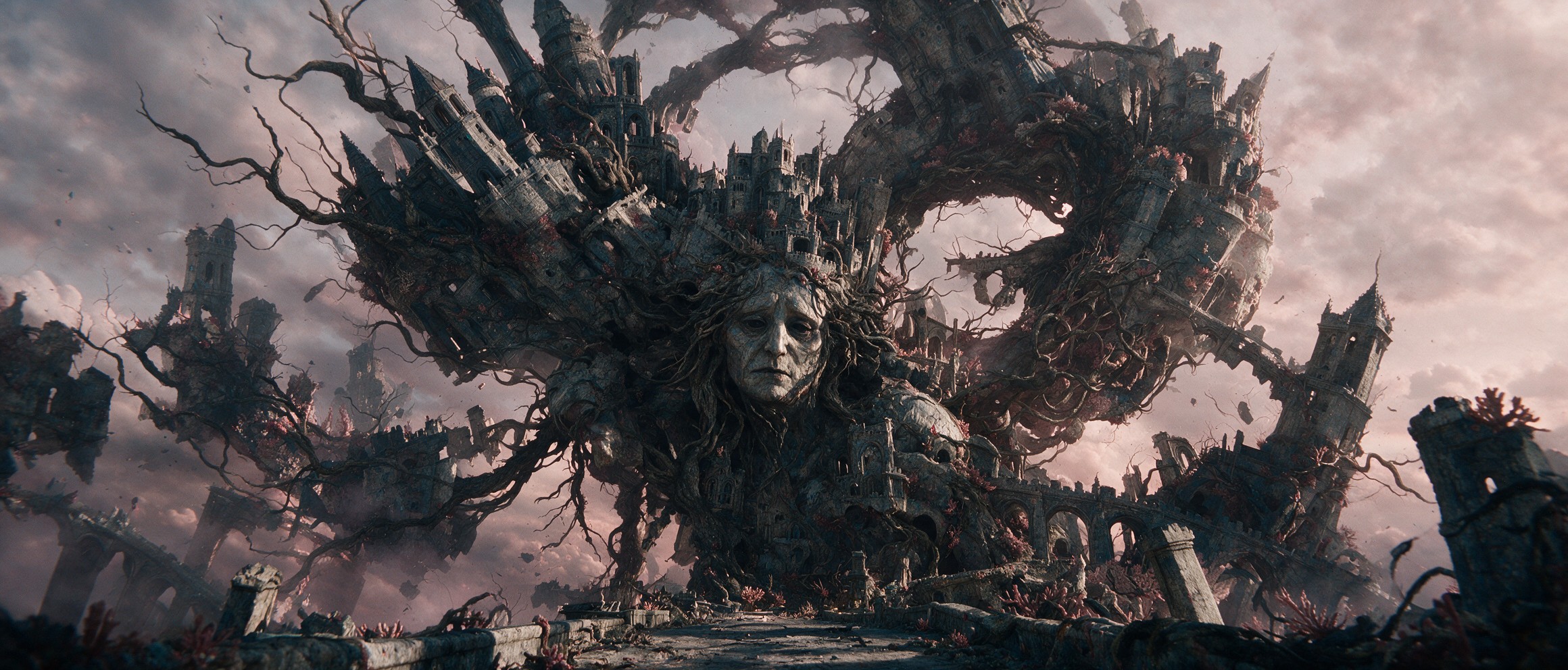
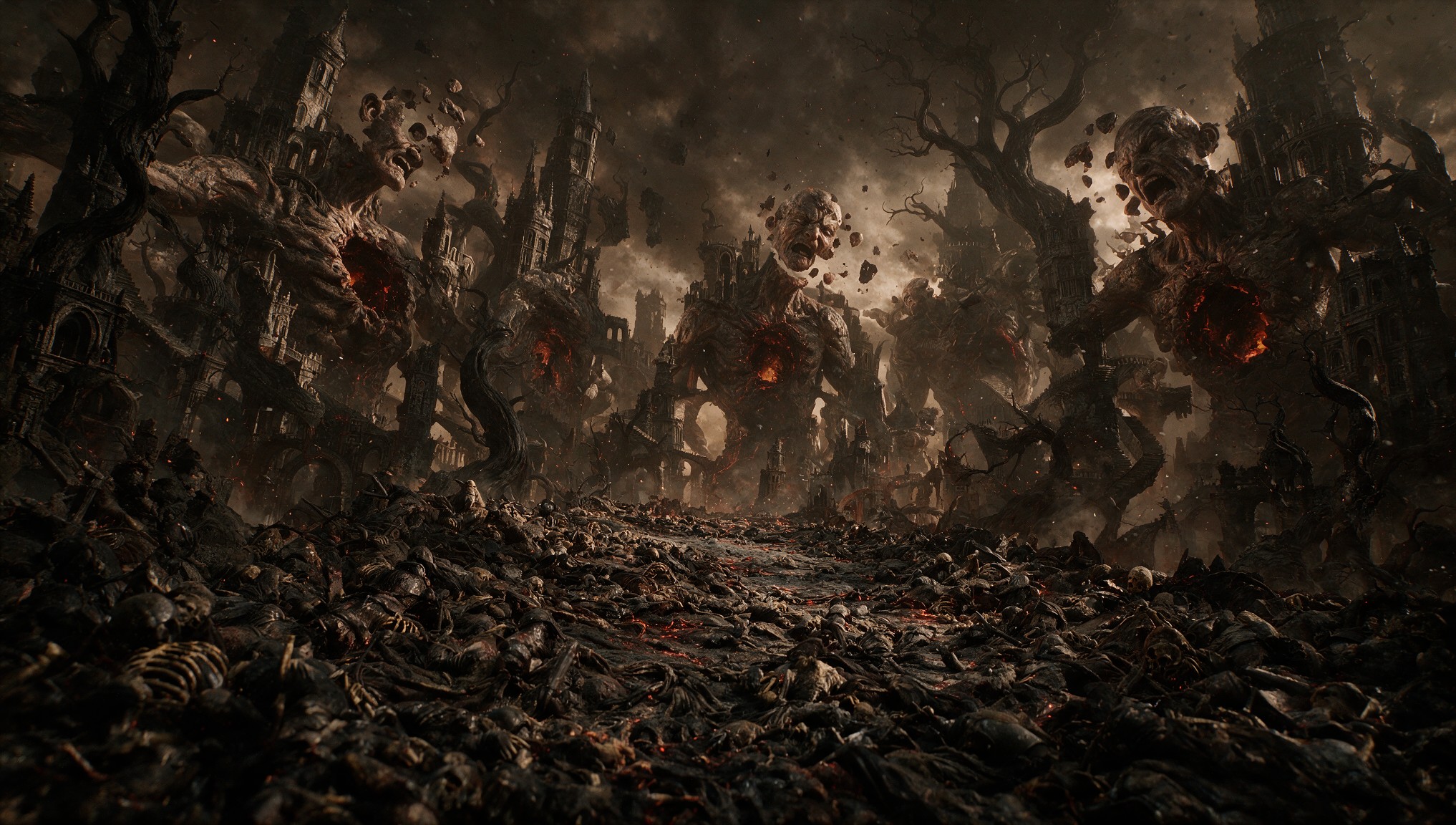
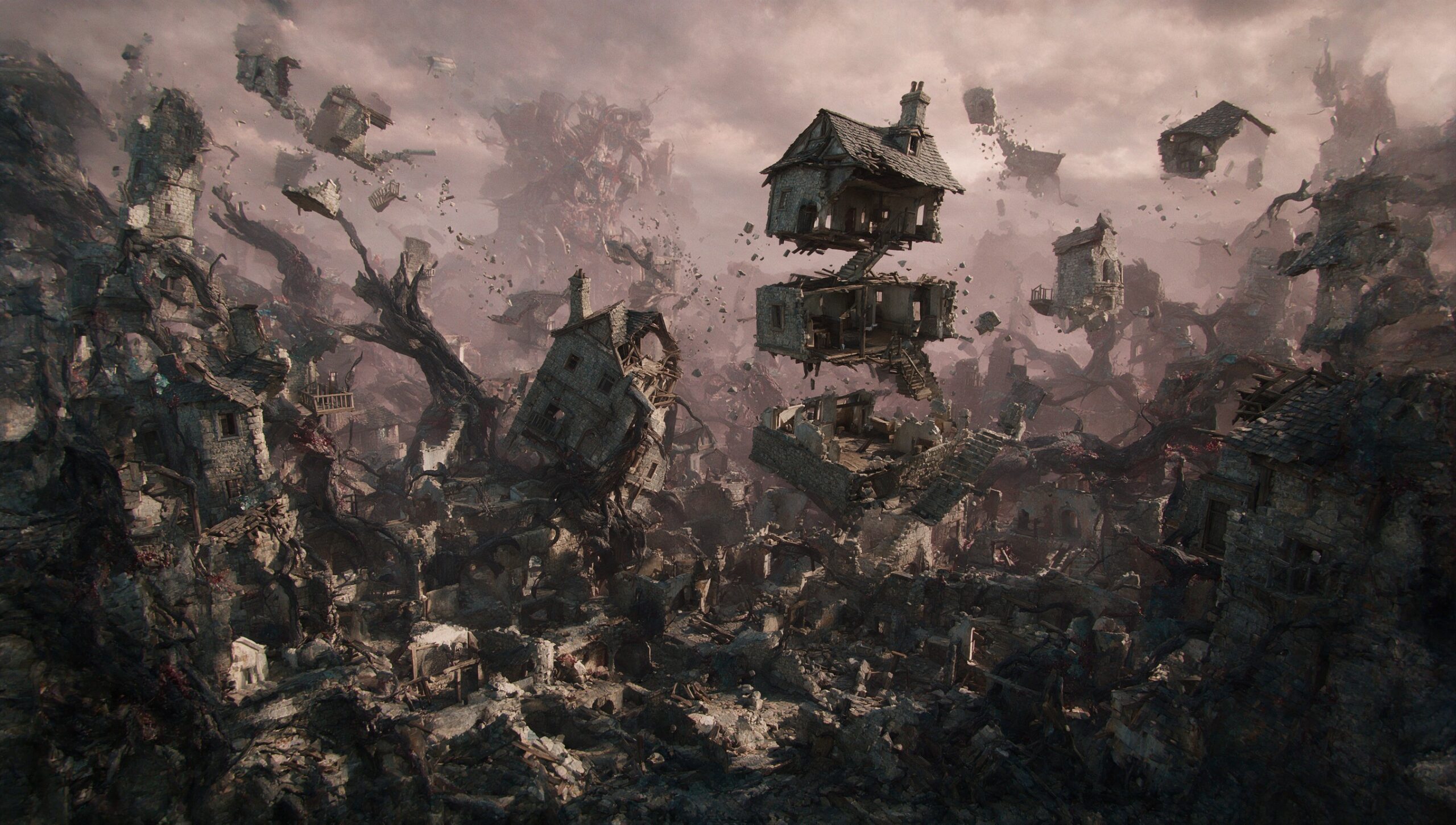
The Trauma Realm is where the film shows what remains after something painful has ended, while part of the person still lives inside its aftermath. Giant stone figures have hardened in place. Whole homes hang split apart in the air, with rooms floating away from each other. The people who live there did not stop living when they were hurt. They simply learned to build around what was broken. The details are heavy with meaning, and I will not describe them all. This world should be seen, not summarized.
The Trauma Tree is the cruelest idea in the realm. It can bring the dead back to life, but each return costs a piece of memory, identity, or self. After enough deaths, a person comes back with no mind at all. The tree offers survival without recovery. That is a sharp and honest observation. Many people can live around a wound for years without ever becoming free of it.
Then there are the creatures. The Grasp is control and attachment in monstrous form. It does not want to kill you. It wants to drag you back to where you were and convince you that you were never meant to leave. The Hollowed Minds are even more chilling. They are what remains when a soul loses too much of itself, and they hunt anyone who still carries hope. They do not just destroy hope. They make sure no one else sees proof that escape was ever possible. In other words, they are the Void’s immune system against recovery.
The Library: Rumination as Architecture
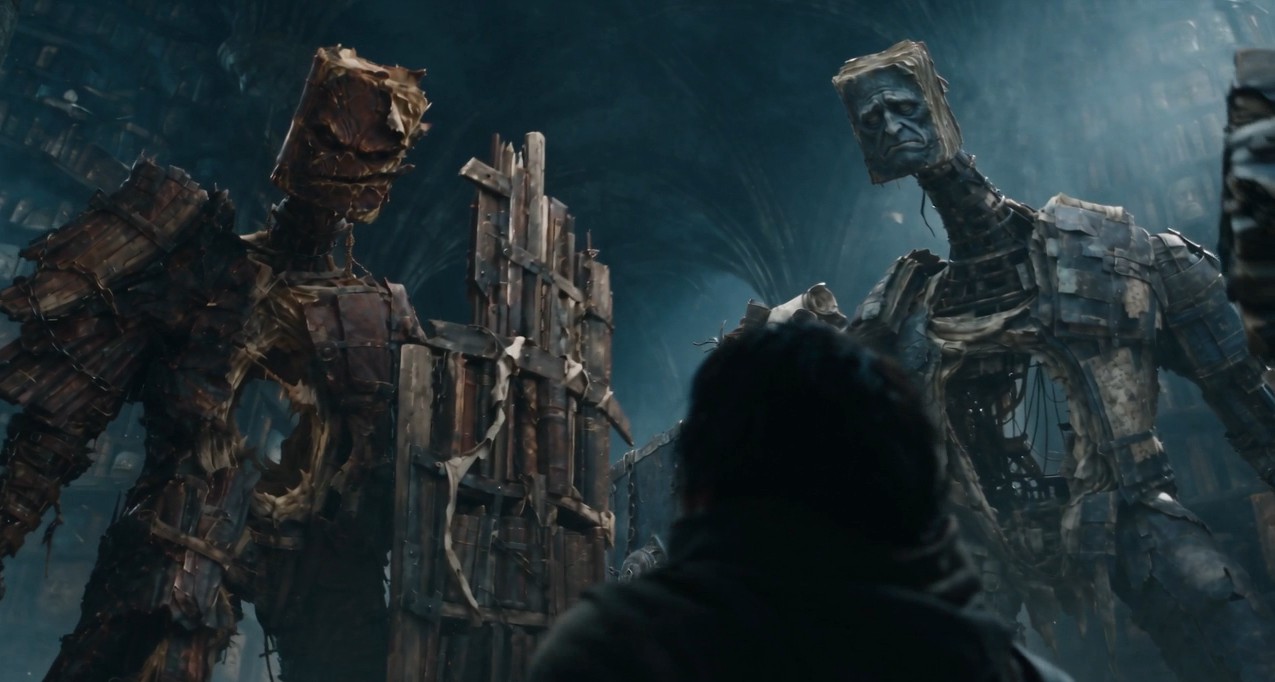
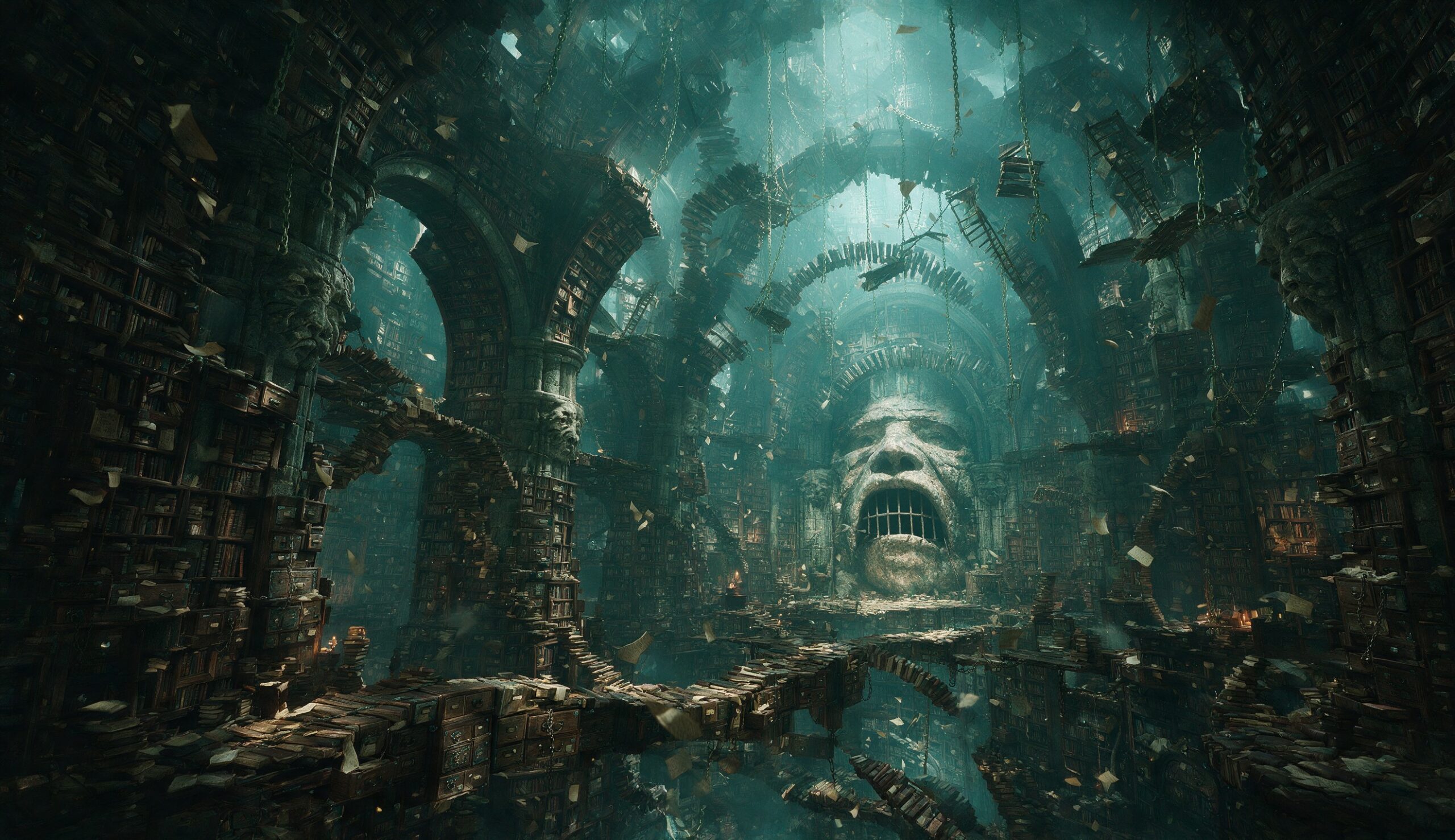
The Library of Broken Dreams turns overthinking into a building. Every book belongs to one person and holds the life they lived beside the life they believe they should have lived. The shelves have no end, because regret rarely gives itself an ending. Nothing inside can be rewritten. The danger is not remembering the past. It is becoming so consumed by the life you did not live that you stop creating the life you still can.
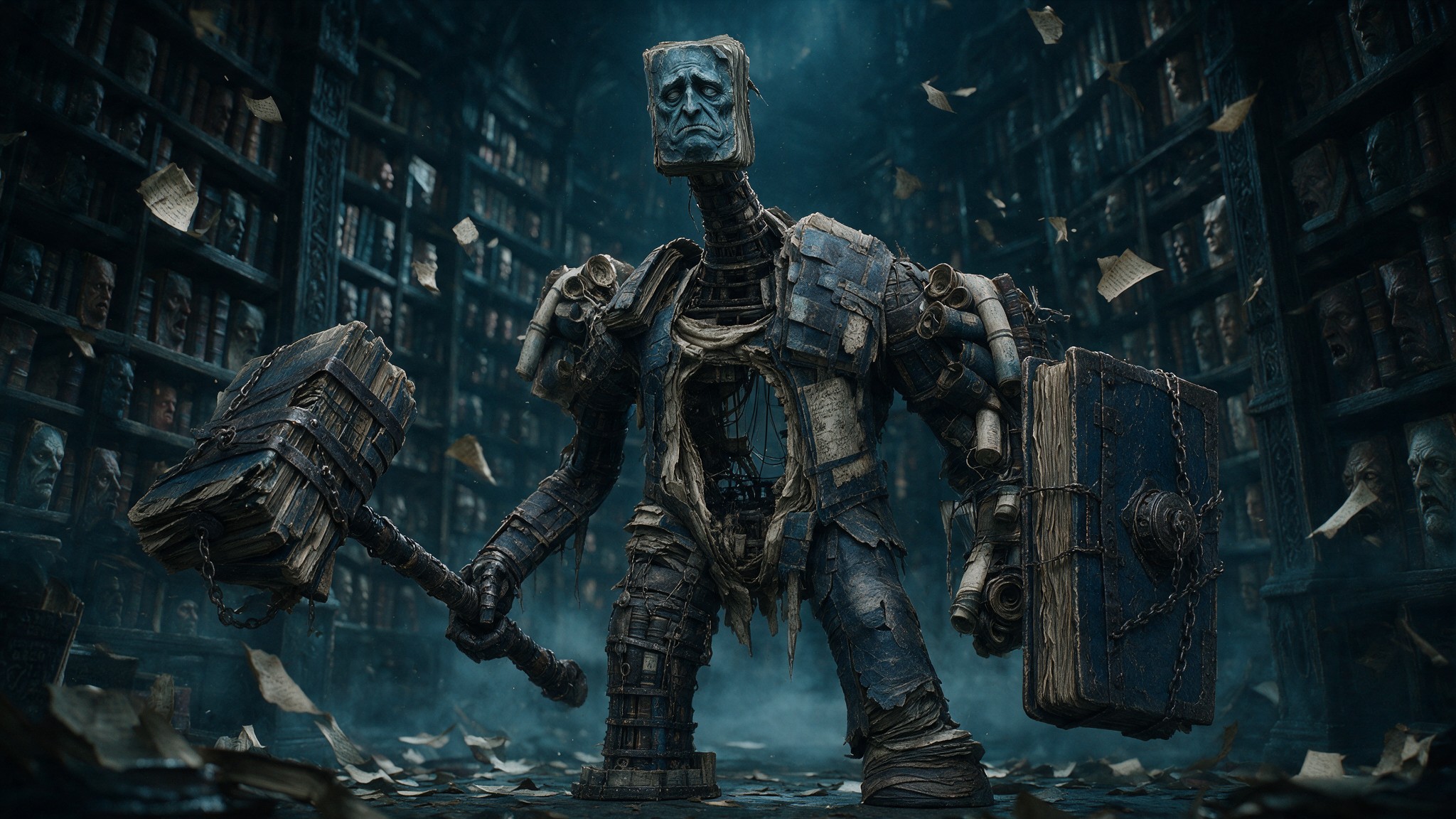
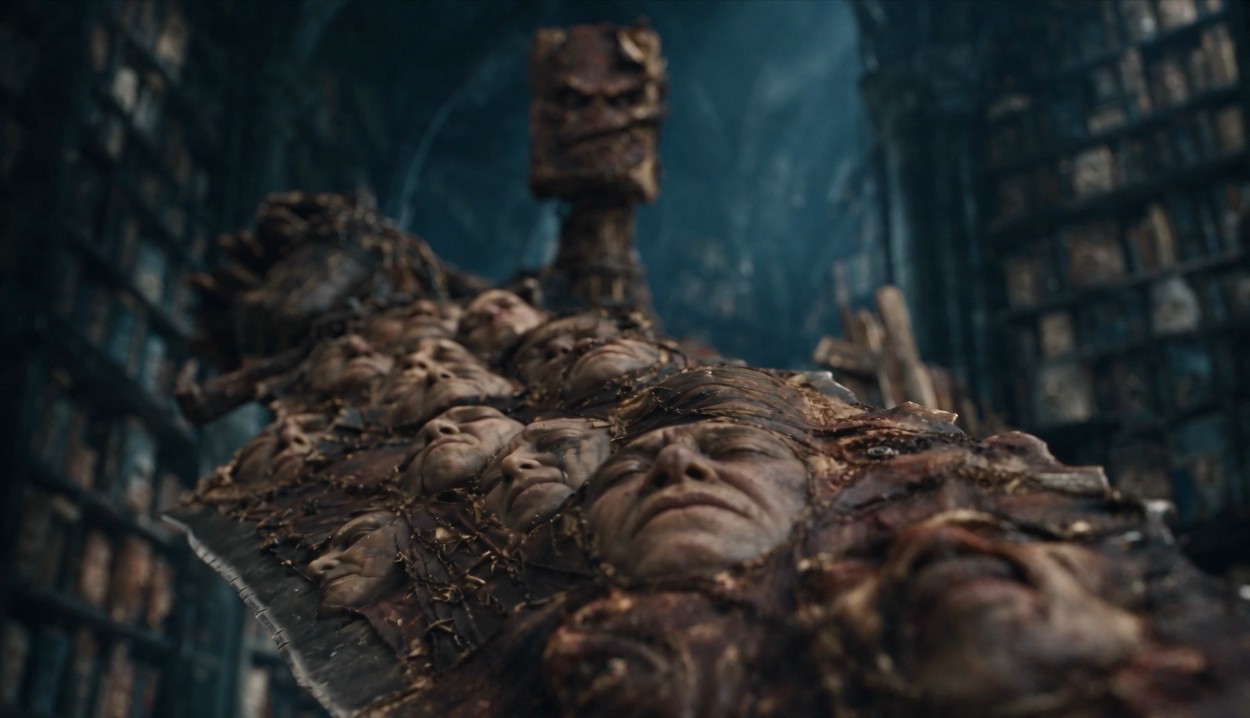
The Regrets, pale souls forced to reread their own books, slowly sink into the floors and walls. This is depression made literal. Their bodies grow too heavy to move. Then come the Inner Critics, creatures built from books and remembered voices, carrying weapons formed from human faces. They keep the Regrets reading. Each face is a voice that stayed long after the speaker was gone: you failed, you waited too long, you were never enough. Eventually the cruelest voice no longer needs another person. The mind learns to say it alone.
The Grief Realm: The Most Beautiful Trap
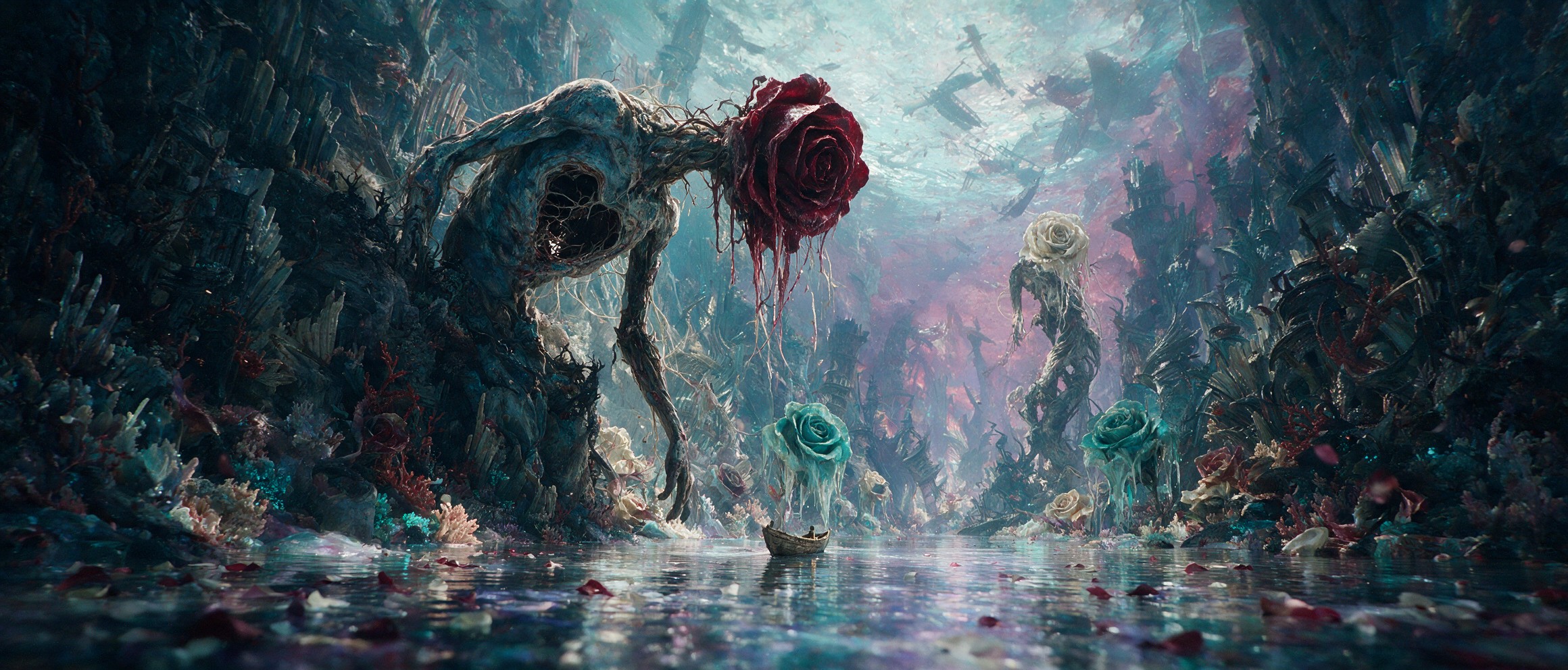
This is where the film reaches its emotional peak, and where it becomes genuinely insightful about how grief actually works. The Grief Realm is intentionally the most beautiful place in the Void. The library floods with pale blue water. Enormous, waxy roses bloom in pink and turquoise. Translucent fish with moon-shaped heads swim through the air instead of the water. The people here have long necks and pale skin, and each has an odd, gentle beauty. One person reads. One gathers pink flowers from the surface. One moves small belongings across floating leaves.
Then comes the detail that changes everything. Those round, layered doors that appear throughout the water are not doors. They are tombstones. Later in the realm, they grow bigger. What looked like a dreamy garden was a cemetery all along. This is the smartest single design choice in the film, because it mirrors exactly how grief is experienced from the inside. It rarely announces itself as pain. It dresses itself in memory, in warmth, in the small comforting rituals of tending to something. You only recognize the cemetery once you have already been walking through it a while, which is precisely how grief tends to catch people. It does not confront you. It settles in beside the good memories and waits.
What makes this realm so insightful is that it refuses to treat grief as an enemy to defeat. The danger here is never framed as remembering too much or loving too hard. The danger is stillness disguised as devotion. The water is the boundary between carrying the past forward and disappearing inside it, and the canoe is the only thing keeping the hero moving instead of settling. That is a genuinely mature way to depict loss. Grief is not punished for existing. It is respected as something that deserves to be carried, while the film still insists that carrying it and drowning in it are two very different things.
The Lovesick embody that distinction perfectly. Their bodies borrow from flowers, butterflies, and coral, because grief does not always trap us through fear. Sometimes it traps us through comfort, through the ache of not wanting the closeness to end. They do not attack the hero when he arrives. They only turn violent when he tries to leave, and that single choice is the realm’s whole thesis. Grief does not usually hold onto us. We are the ones who hold onto it, because letting it soften can feel like losing the person all over again, or like proof that we did not love them enough to stay wrecked over it. The Lovesick are not villains so much as a mirror of that fear.
The flashbacks of the hero with his wife land as hard as they do because the film refuses to make her, or the love itself, the villain. The current pulling him under is not her memory. It is his belief that letting the current ease means letting her go. That is one of the more honest things a piece of grief storytelling can say, because it names something people rarely admit out loud: the guilt that can attach itself to healing, the sense that moving forward is a kind of betrayal. The film’s answer, quiet and never preachy, is that the memory can stay intact even as the drowning stops. You do not have to choose between carrying someone and surviving them. You only have to stop mistaking the second for the first.
Anger, and the Weapons We Turn on Ourselves
The Anger Realm is where everything gathered in the earlier realms finally moves outward. It is not dangerous because anger is wrong. It is dangerous because unresolved pain has finally gained the power to act. The land is an endless battlefield where trees become weapons and ruins become cages. The realm’s guiding line says it best: pain always needs a target, and if you feed it long enough, it becomes what hurt you.

The creature designs here are among the film’s smartest. The Self Saboteur carries a blade straight through the place where thought begins, so every violent move deepens its own wound. The Projection has a tongue that is also a blade, so every cruel word must cut through its own mouth first. The False Self wears so many masks that no original face remains. The Grudge is a hand-shaped mass that grows larger with every betrayal it refuses to release. Every one of them is anatomy turned into a lesson.
An Ending That Is a Beginning
The hero does not win on his first attempt. He dies to the Self Saboteur, and when he returns years later, he is changed. Part of him looks dark, as if his eye has been burning. This is his last attempt, because if he cannot overcome the Self Saboteur, no one else will get free either. The final battle brings together the Self Saboteur, the False Self, the Projection, and the Grudge. It ends with the hero facing the strongest creature of all: his own projection. Then the film closes on a tune that leaves you wanting more.
That hunger is the point. The hard cuts and the quick tour through the realms make more sense once you understand what this film is. It is an introduction to a world. The filmmaker has said openly that this is one story inside a larger universe. Judged that way, Hollow Heart does exactly what it sets out to do. It makes you curious about every region we did not visit, and about the characters, like Empathy, who deserve more room to breathe once each realm gets its own film.
Honest Notes
A fair review should also name the places where the film stumbles. Most of these are small, and many are the kind of trade-offs a solo production makes under a deadline.
- The opening repeats itself (0:13-0:18). The Trauma Tree is already introduced in the first ten seconds. The extra angles add beauty but not information. Holding the first wide shot longer and cutting straight to 0:22 would keep the pacing tighter.
- An AI seam at 0:47. The hero looks through another person’s chest cavity, then suddenly stands in a slightly different position while a very different person walks past. The abrupt change breaks the illusion, and his reaction feels less natural than his calm reactions before it.
- Empathy is introduced twice (1:37-1:40 and 1:45). The second introduction, from the waist down, is the stronger one. The first could go. The cut at 1:49-1:53 also crosses the 180-degree rule, and skipping straight ahead would keep the screen direction smooth.
- Emotional continuity at 2:00-2:02. The hero is scared by a monster behind him, then looks calm one second later when Empathy tells him to follow. The two beats do not match.
- Screen direction at 5:39. During the chase, one shot has him looking in the opposite direction, and it pulls the eye away from the action.
- A redundant shot at 6:11-6:15. He is already inside the gate, and this shot shows him still walking in. Removing it would make the transition cleaner.
- Two hard cuts (6:37 and 8:45). One jumps to the hero already wearing the poncho. The other leaves a thought unfinished. On first watch they jolt, but they make more sense once you see the film as a world introduction rather than a complete story.
- The mix in the Trauma Realm. The score sometimes rises high enough to cover the voice-over, and that voice carries the lore.
- Empathy’s limited screen time. She appears in physical form only in the opening, then becomes a voice for the rest of the film. Future chapters would benefit from more scenes of her actually present with the hero.
Hollow Heart is a bold, deeply personal, and visually stunning first step into a world that deserves to grow. It turns pain into places and creatures we can see, and it treats grief with rare honesty. It does not tell us to forget what we lost. It asks how we can carry it and keep living. That is a question worth a whole universe.
Scene-by-Scene Breakdown
We meet the hero, a young man with a cavity in his chest, standing before the Trauma Tree. The opening is beautiful. At 0:10, a black tear runs out of the tree’s eye.
Several shots of the tree and the hero from different angles. Beautiful, but the tree has already been introduced. This section could be trimmed, or the first shot could be held longer instead.
The hero sees others with hollow hearts. He grabs a stick to defend himself as they approach, then realizes they are not a threat. He is disoriented and still taking in the world.

A man nearby packs dirt into his own hollow heart. Through the cavity, we can clearly see another person in the distance.
A woman in a far worse state. Her right eye is replaced by swirling smoke that looks like spinning dirt, and her face begins to crumble. The hero touches his own face as if his skin is falling away too. The sudden position jump in this shot is the first moment the AI seams show.
Remarkable birds with skeletal quarter-moon heads and three eyes. Their heads shift in an eerie way when they move. One has the same black tear as the Trauma Tree.
A hooded figure with a spinning swirl where the face should be. This transition is smooth, exactly what the earlier shot needed. Then long-armed hands burst from the ground and chase the hero’s group.
A new creature appears with a quarter-moon skull for a head and an enormous, highly detailed hand. It stands before an old woman, and its horns curve perfectly around her head. It says, “You are lost… Hope has betrayed you.” Her essence is pulled into its palm, and its eye turns into the same spiral we saw before.
Empathy is introduced through her voice as she explains the world. With each step she brings flowers to life, and the next step drains them. She is shown twice, but the waist-down shot from 1:45 is the stronger introduction. We also see her moon face, long black braid, and the same black tear. This is the only stretch of the film where we see her in physical form.
The hero hears a monster behind him and is scared. Empathy tells him to follow her, but his calm expression at 2:02 does not match the fear from a second before.
Empathy walks into the Trauma Tree, and the hero follows. We glimpse the many realms, and they look incredible. The title card appears at 2:17. This is the last time we see Empathy on screen; from here she continues only as a voice.

The Trauma Realm. The unnatural moon hangs in the distance, with the same black tear. The voice-over explains the rules of this place. The hero tries to help one person by hiding him, but the creatures spot them, and he runs. The score sometimes overpowers the voice-over.
Best Scene. No description can do this sequence justice. It is a full-on action run through the remains of the broken homes. The camera, the soundtrack, and the creature design all work together, and the whole thing looks amazing. Only one shot at 5:39, where the hero looks the wrong way, distracts from it.
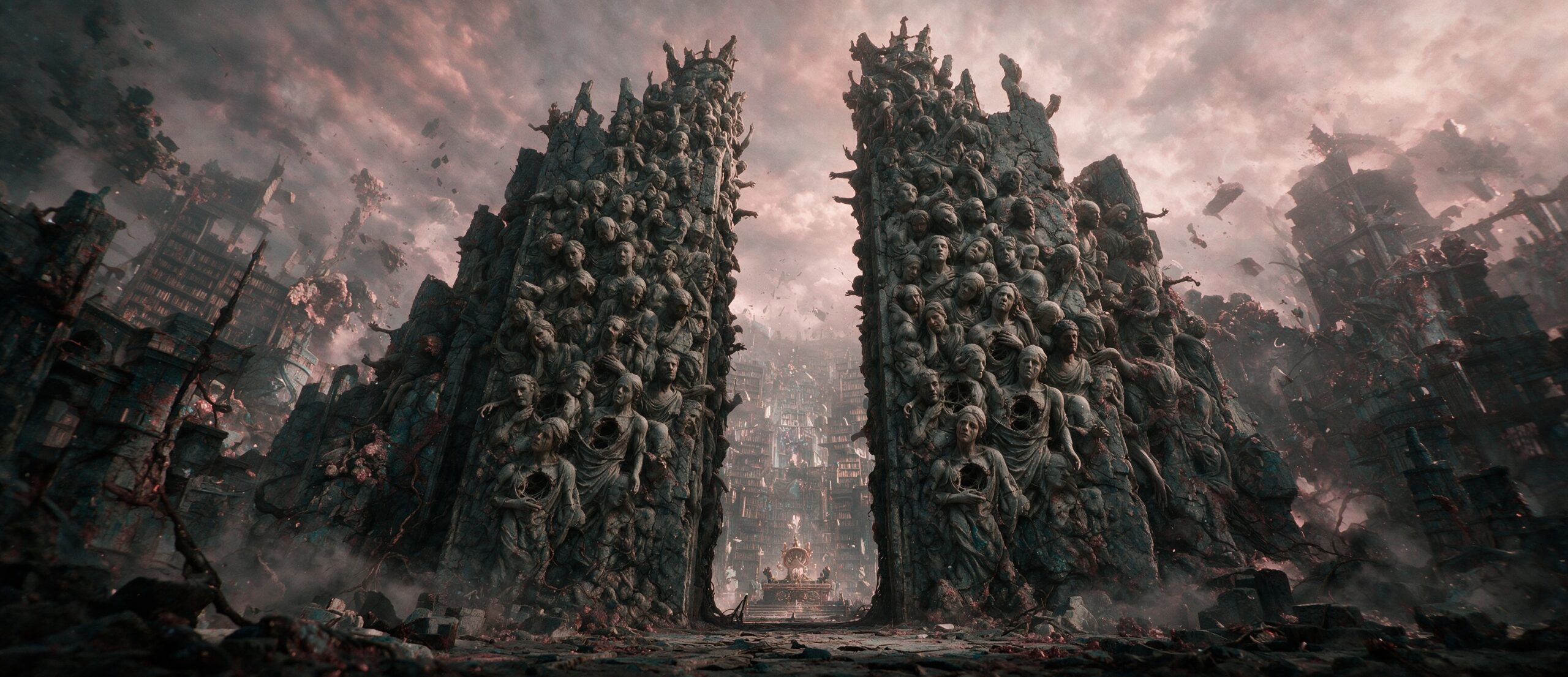
The stakes are made clear. If he conquers this journey, everyone trapped there has a chance to escape. The gate of faces and the statues, which seem to be people consumed by trauma, is simply epic. The shot at 6:11-6:15 showing him still outside could be cut.
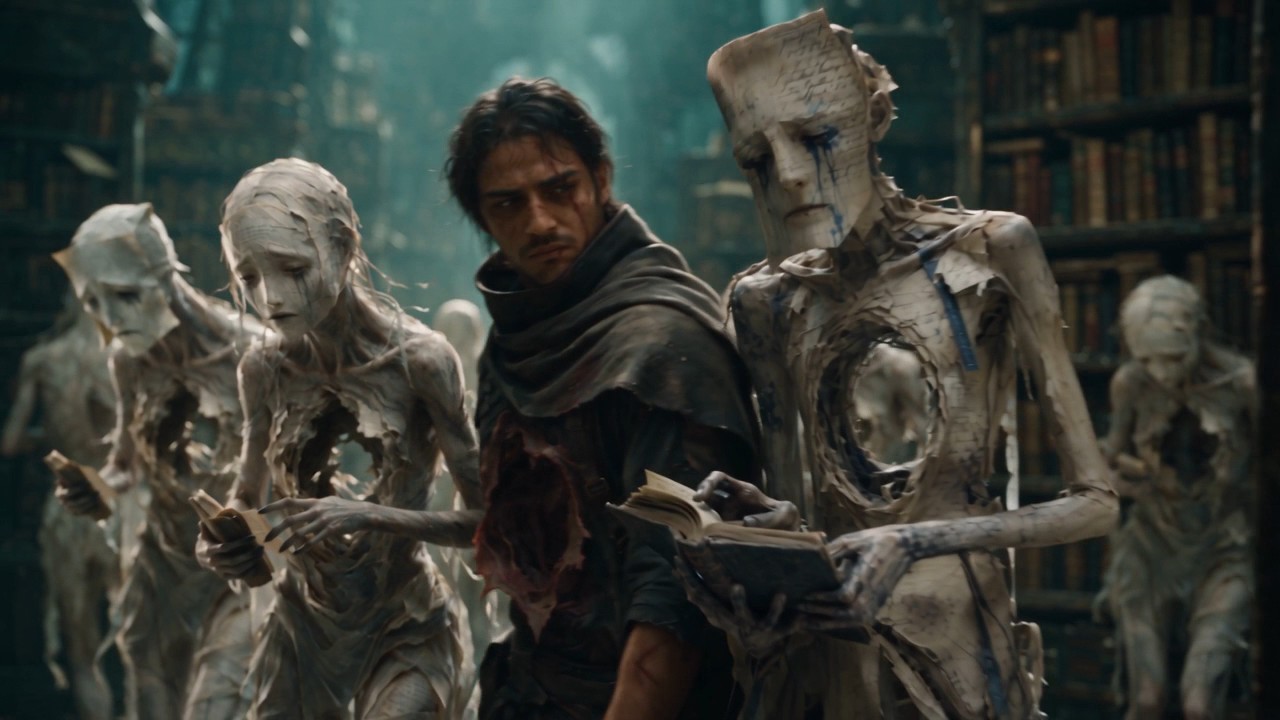
The Library of Broken Dreams. A vast, beautiful place filled with books that have faces and that move. Beside one shelf stands a white-stone figure with a cavity in his chest, clearly gone, with a sword and a poncho. The hero takes the sword.
A hard cut. We never see him take the poncho. He is simply wearing it as he walks through the library.
2nd Favorite. Another incredible chase. A giant, paper-like spider pursues the hero through the columns of the library.

The Regrets. Each person is given a book of everything they could have been. They are pale and bald, and some have faces that seem to be made of paper. Beautiful from beginning to end.
A flashback to the hero when he was younger. He sits in a chair, we meet depression, and he begins turning into paper like the others.
Another hard cut, this time leaving a thought unfinished. The hero breaks free and walks the halls of books with faces. He finds the Inner Critics: strange bodies with book faces, cavities in their chests, and shields and swords.
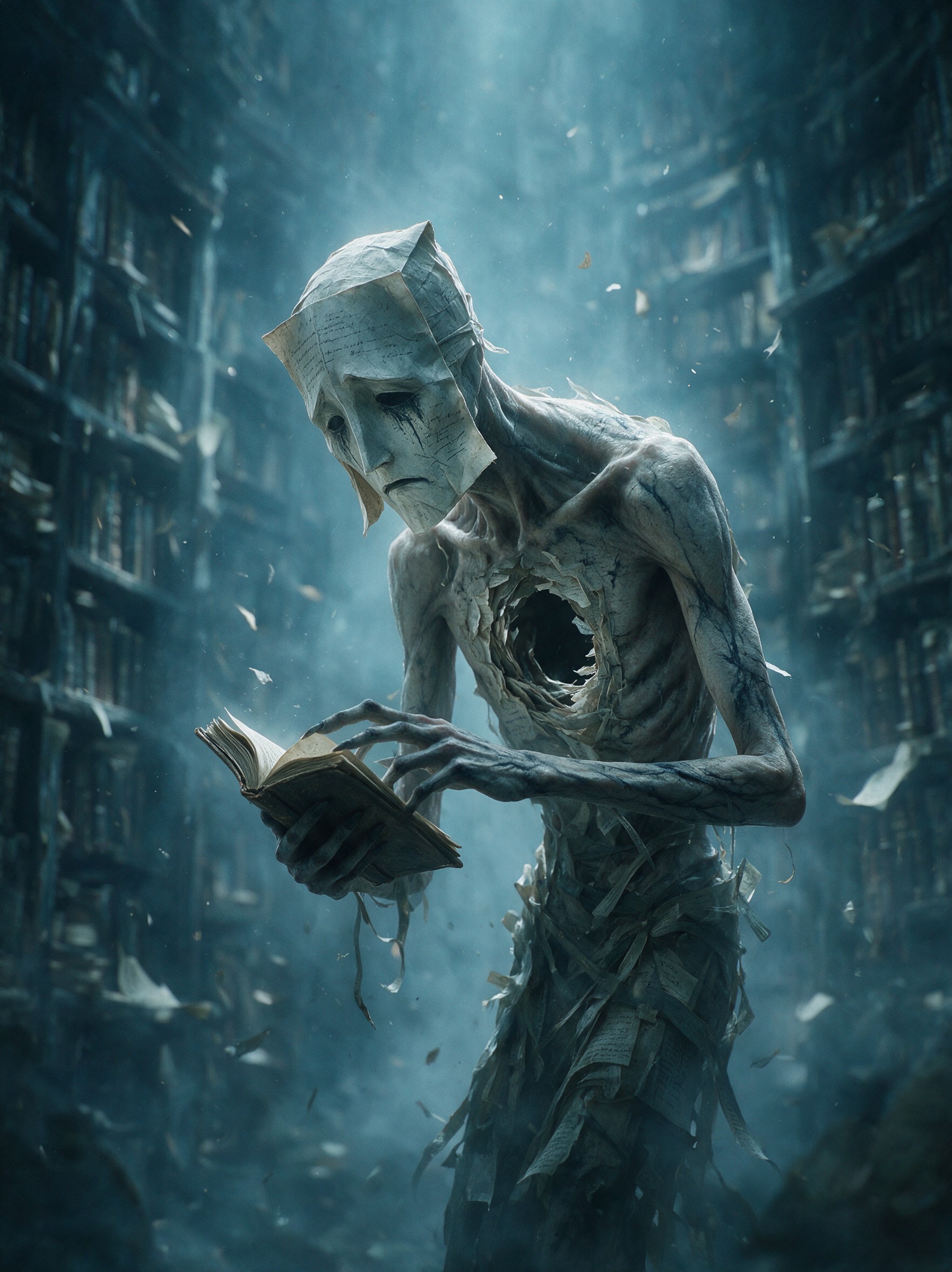
4th Favorite. A spectacular fight with the Inner Critics. Bookshelves are destroyed and the hero is thrown into them. At 9:48, a slow-motion shot passes a critic’s face-shield at an angle. At 9:58, one critic drives a sword through the hero, and he dies.
Empathy’s voice returns. The Trauma Tree brings you back each time you die, but every return takes a piece of you, until nothing is left.

3rd Favorite. Back in the library, where we last saw the stone figure with the sword. He looks a little different now. “Still trying to become someone you are not.” The hero returns to the spot where he fought the Critics.

The Grief Realm. The library is flooded with light blue water. The people have long necks and pale skin, each with a unique beauty. Some read, some gather pink flowers from the surface, and some move belongings across floating leaves. The layered round doors are actually tombstones, and by 12:09 they are much bigger. A bride at 11:57 looks beautiful even in this strange setting. The most beautiful realm is also a cemetery.
The hero crosses the water in a wooden canoe. The scenery is vivid in pinks and turquoise. There are huge, wax-covered roses and translucent moon-headed fish that swim through the air. In the distance stand the Lovesick, giants with rose heads. “Grief will give you everything, if it means you’ll never leave.” A huge Lovesick smashes the canoe, and the hero begins to drown.
“Drown in sorrow.” Beautiful flashbacks of the hero with his wife, and the sorrow eater. This is the point of the realm. Grief gives you everything so you will stay, while it drowns you. As beautiful as it is, it can kill you.

The Anger Realm. “Here, pain always needs a target. Feed it long enough, and eventually it becomes what hurt you.” Giants like stone statues rise in the background.
The Self Saboteurs point at one another, captivating and tragic. They refuse to let go of their weight, so now they are forced to carry it. A tree at 16:04 is visually stunning.
Another incredible action scene. The Self Saboteur holds a sword in one hand, and that sword is passed straight through its head. The way it moves its hand and head together is fascinating. Unfortunately, our hero does not make it.
Favorite. Years have passed. The hero looks different, and part of him seems dark, as if his eye has been burning. This is his last attempt. If he cannot overcome the Self Saboteur, he cannot break free, and neither can anyone else. There is an interesting black bunny at 16:50. Then comes an incredible battle against the Self Saboteur, the False Self, the Projection, and the Grudge.
Black hands and arms grab the hero and try to drag him down. Visually beautiful.
He finally faces the strongest creature of all, his own projection. The film ends on a tune that leaves you wanting more.
Reader Reviews
amazing
This is my
Favorite video. I wish It was a video game
