
ABOUT
About Kineograph
A name revived, a legacy continued
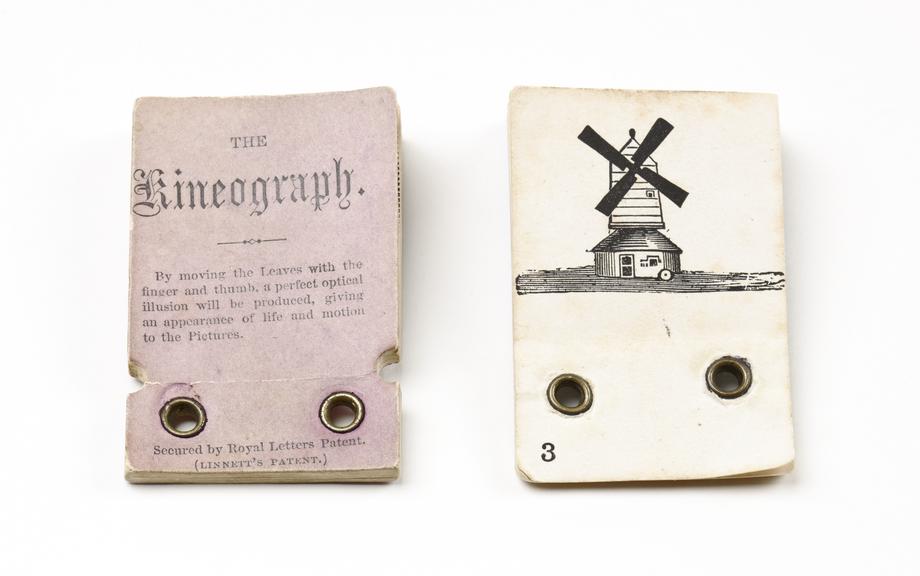
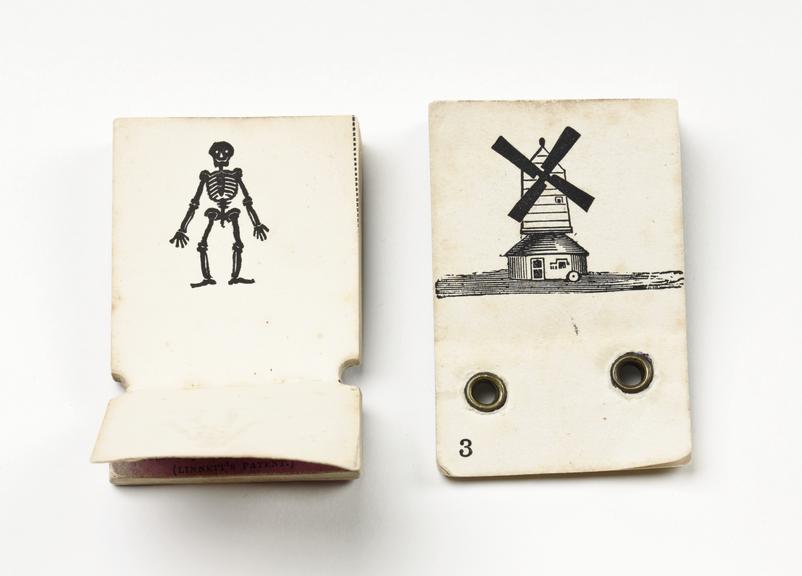
In 1868, an English printer named John Barnes Linnett patented a small paper toy called the Kineograph. Flip through its pages fast, and drawn figures seemed to move on their own.
The idea came a few years earlier from a Frenchman named Pierre-Hubert Desvignes, but Linnett was the one who filed the patent and gave the invention its name.
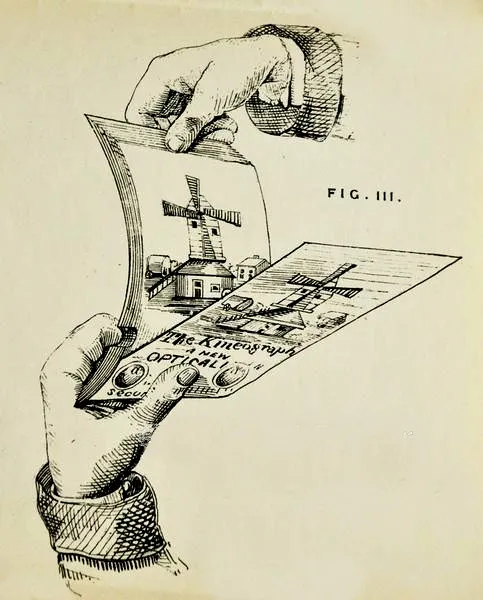
John Barnes Linnett — patented the Kineograph in 1868
Pierre-Hubert Desvignes — conceived the flip book around 1860
The word Kineograph comes from Greek roots that mean “moving picture.” That name fits well. Historians call the flip book a direct ancestor of the motion picture. Decades before film reels and projectors existed, the Kineograph proved that a fast sequence of still images could trick the eye into seeing motion. That single trick, one image after another, run fast enough to fool the eye, became the foundation that film cameras, then video, and now AI generation were all built on top of.
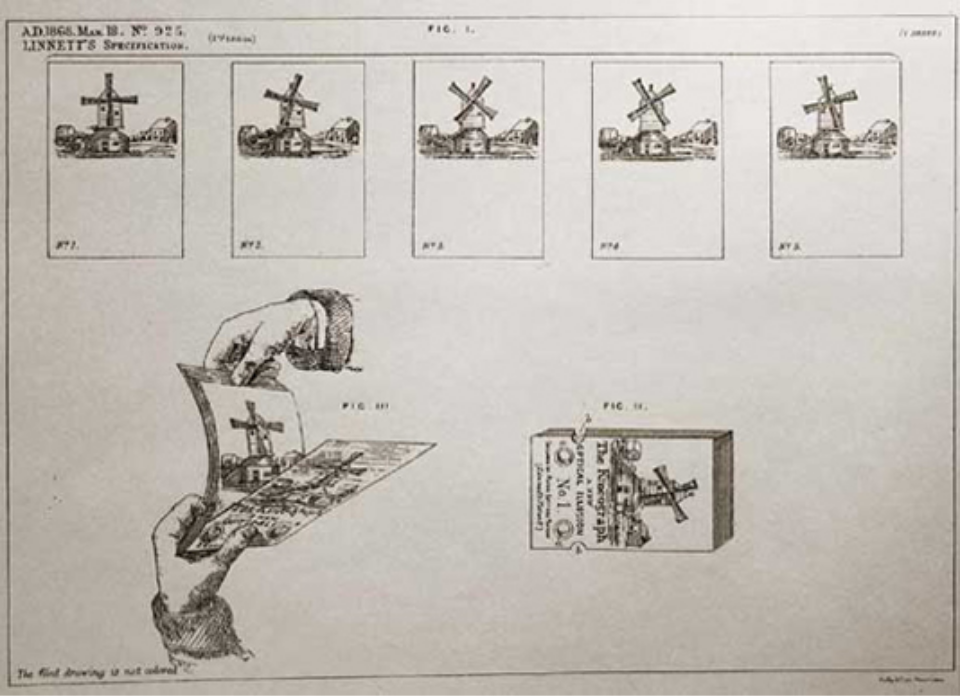
Linnett’s original 1868 patent drawing for the Kineograph
Linnett died in 1870. His patent eventually passed out of his family’s hands, and over time it entered the public domain. Today, the name Kineograph and its original patent illustration belong to no single company. They belong to history, and to anyone who wants to carry the idea forward.
A Revival, Not a Continuation
We did not inherit the Kineograph brand. We chose it. This site is not a sequel to Linnett’s flip book company, and we make no claim to his original work. Instead, we are reviving the name for the newest link in the chain the Kineograph started: AI-generated film.
Think of the line this way. The flip book proved that still images, shown one after another, could create the illusion of motion. Film cameras took that same idea and mechanized it, using reels of celluloid instead of paper pages. Digital video took it further still, trading film for pixels. AI film generation is the newest step in that same line. It builds a sequence of frames the same way the Kineograph did, one image leading into the next, except now a model generates those frames instead of a hand-drawn page or a physical camera. The tool changed. The core idea, still images in fast sequence, did not.
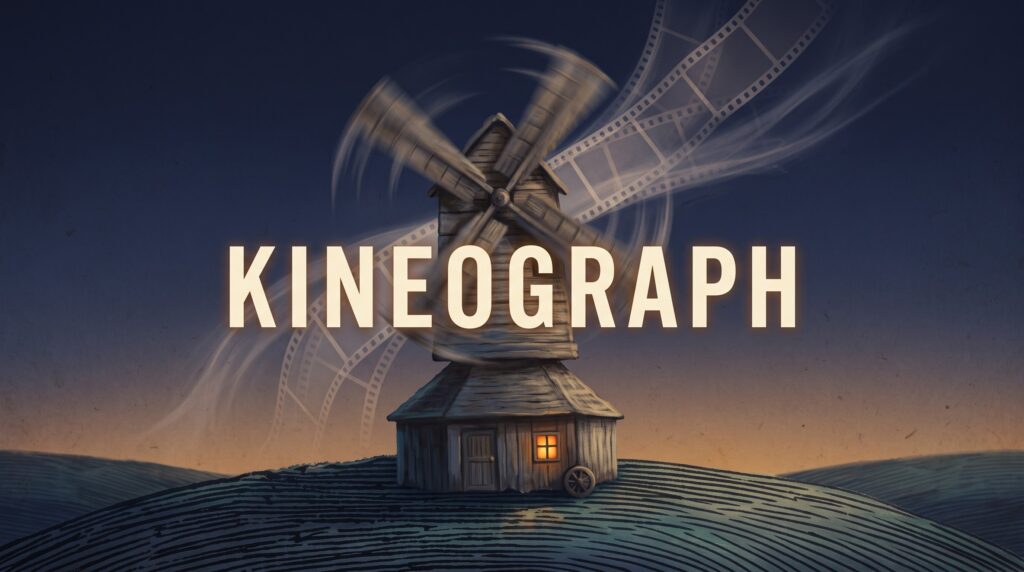
Our logo carries that same lineage forward. We built a windmill mark in the vintage woodcut style common to 19th-century prints, the same period the original Kineograph came from. The windmill was chosen on purpose. Like the Kineograph itself, a windmill takes something simple, moving air, and turns it into real work. AI film generation follows a similar path. It takes a simple set of instructions and turns them into a moving picture.
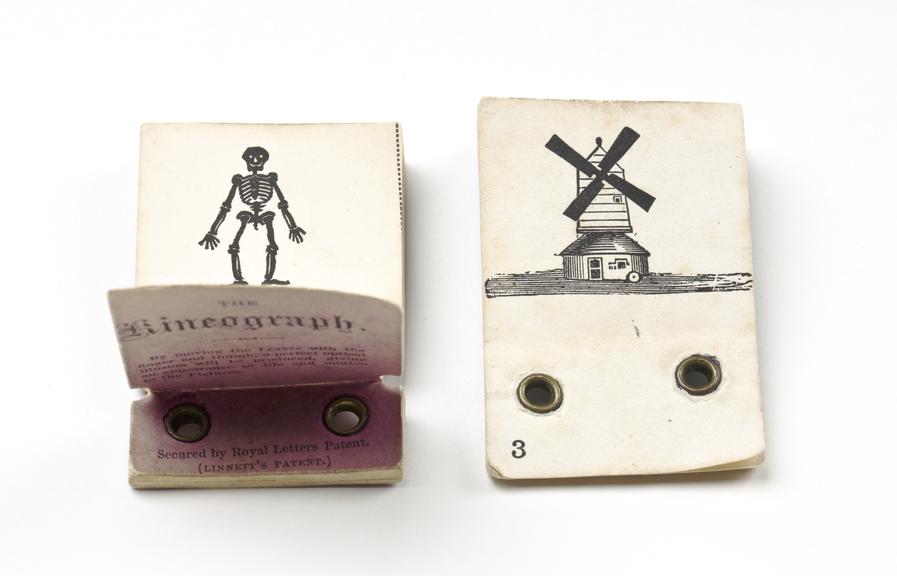
The Kineograph windmill mark
What Kineograph.us Is For
Right now, Kineograph.us is a home for honest reviews of every film submitted to the Higgsfield Global Film Festival. Each film is scored against a nine-category rubric covering things like screenplay, technical polish, and sound design. That structure keeps our reviews grounded in real craft, not just a first impression.
We are also building out research on other AI film festivals and contests from around the world. Our goal is to give AI filmmakers one place to find new festivals and contests worth entering, no matter which tools or platforms they use to make their films.
The original Kineograph turned a stack of still pages into the illusion of motion, and that illusion grew into the motion picture itself. Kineograph.us exists to carry that same legacy into its next chapter, now written in code, prompts, and generated frames instead of ink.