
 Whispers From The Dark
Score breakdown
54.6K views
Sea Monster Cycle Finale
Best Scene
Film Review
A salty, big-hearted sea tragedy — the channel’s most popular film in this batch, and it earns it. Kraken gives its monster a motive, its captain a fatal flaw, and its last act a cruelty worthy of the old sailor’s tales it pastiches.
This review discusses the ending. If you would rather watch the film first, we recommend you do, and then come back.
A hunt with a price on it
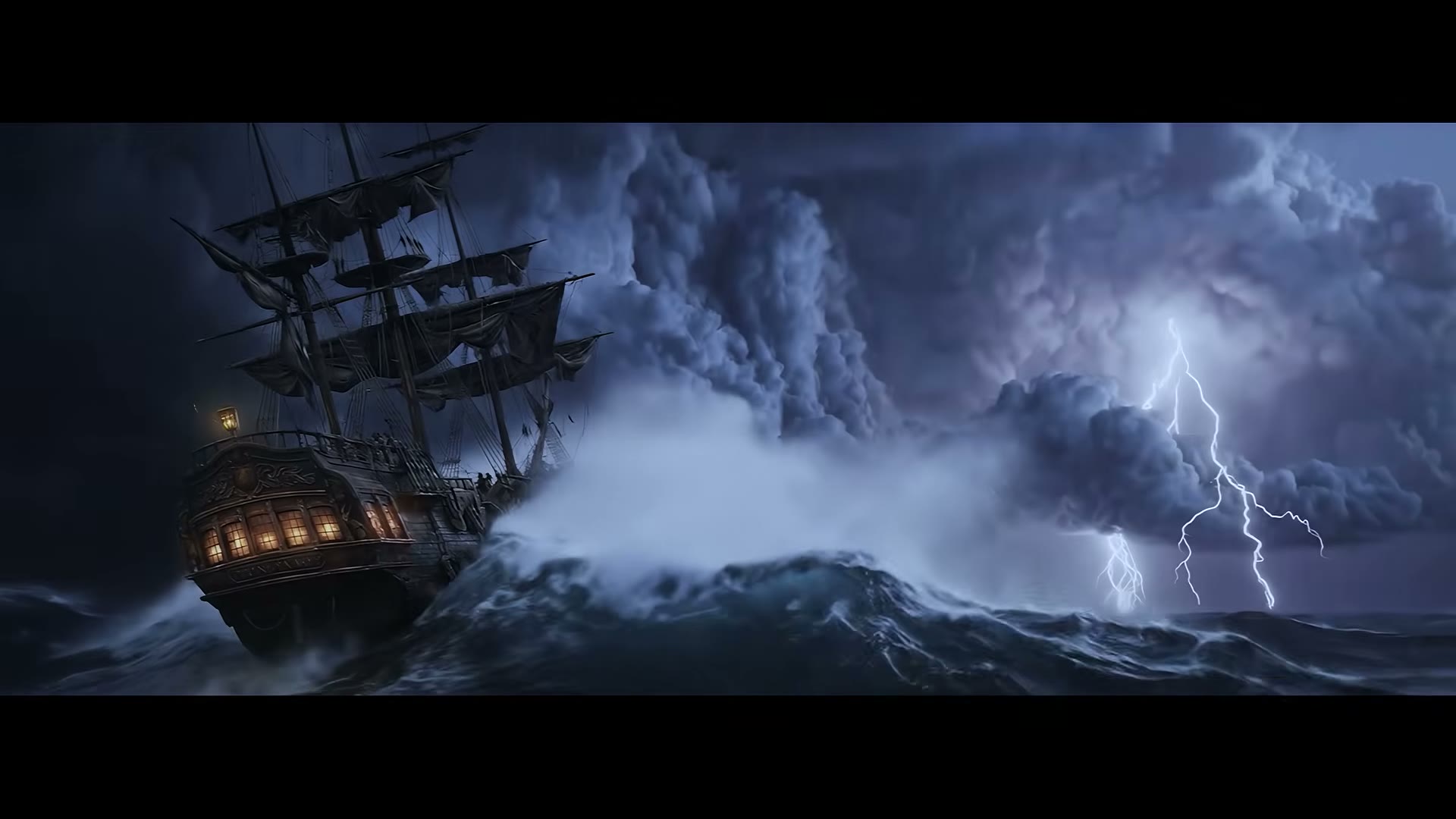
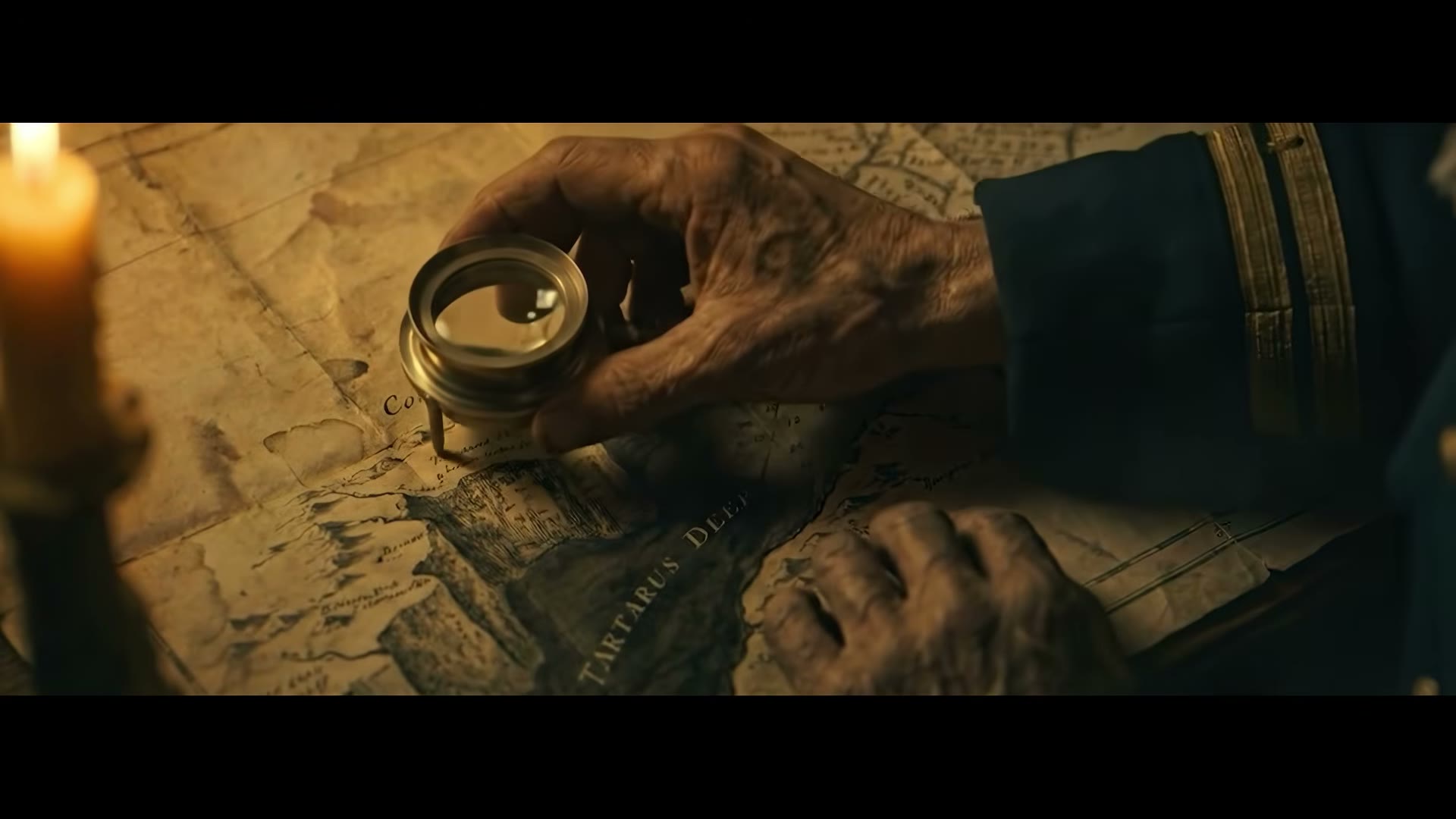
The Covenant is not hunting out of fear; it is hunting out of greed, and the film is honest about it from the first chart-table scene. A patron is paying twenty thousand in gold for kraken ink, and Captain Grendel — grizzled, weathered, magnificent — intends to collect. Around him the crew does the work of a real ship: sails, cannon, a shanty on deck, and a first mate, Mr. Thresh, whose respect for the beast is the film’s conscience. “Whatever’s down there, it ain’t just an animal, Captain.”
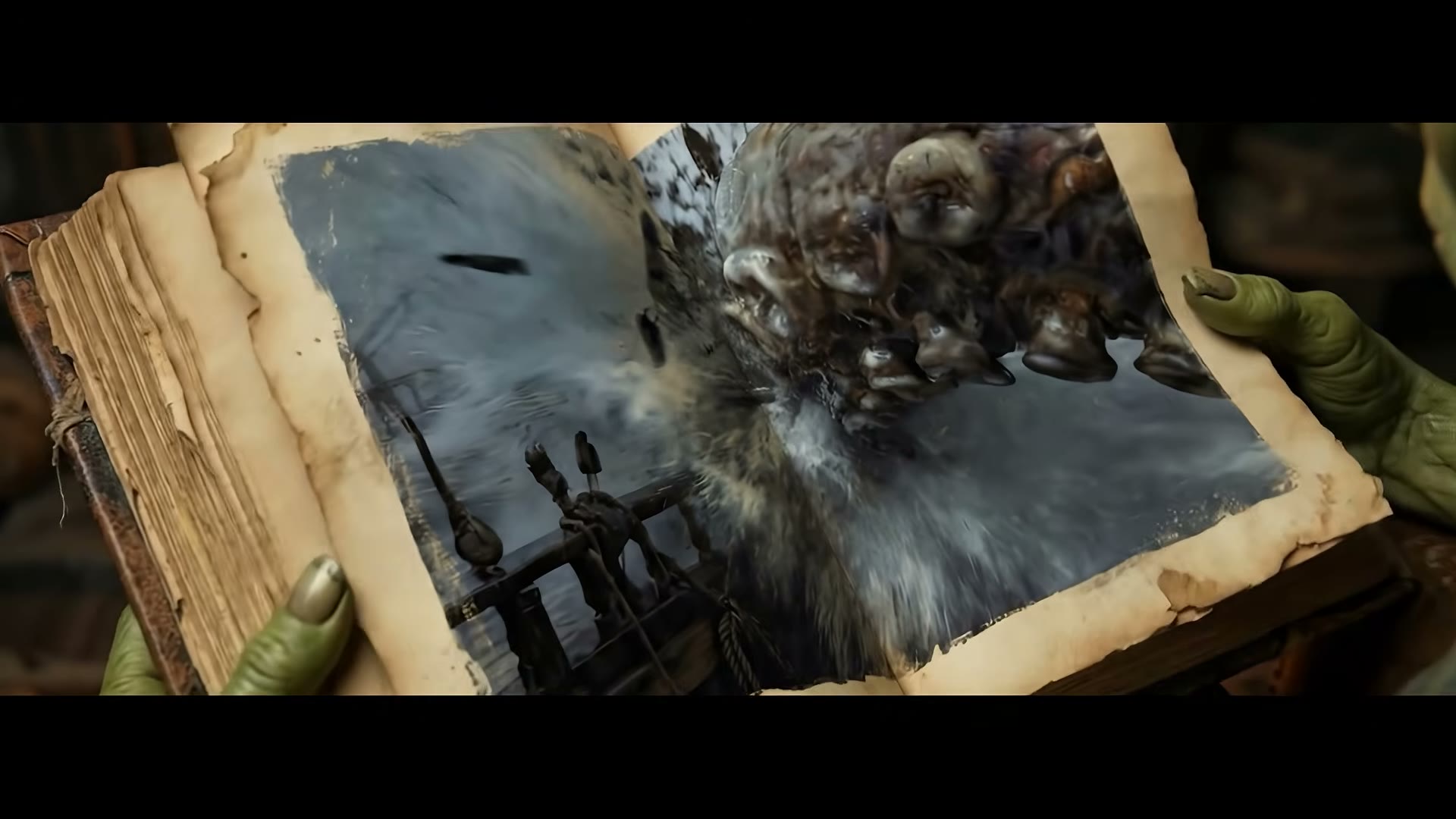
The legend is planted early and paid off terribly. The kraken, the sailors say, does not simply kill: it takes men and attaches them to its flesh, keeps them conscious, and feeds. The crew laughs the way men laugh at the thing they most fear. The audience should not.
The calf
The hunt sequence is the film’s spectacle peak — storm water, tentacles over the rail, cannon fire — and the Covenant wins. That is the tragedy. Hauling their prize close, Thresh sees what the guns could not: “The eye ain’t clouded. Beak ain’t hardened. It’s a calf, Captain.” They have not killed the monster. They have killed its child, in its mother’s ocean, and the film holds on the crew’s faces long enough for triumph to curdle.
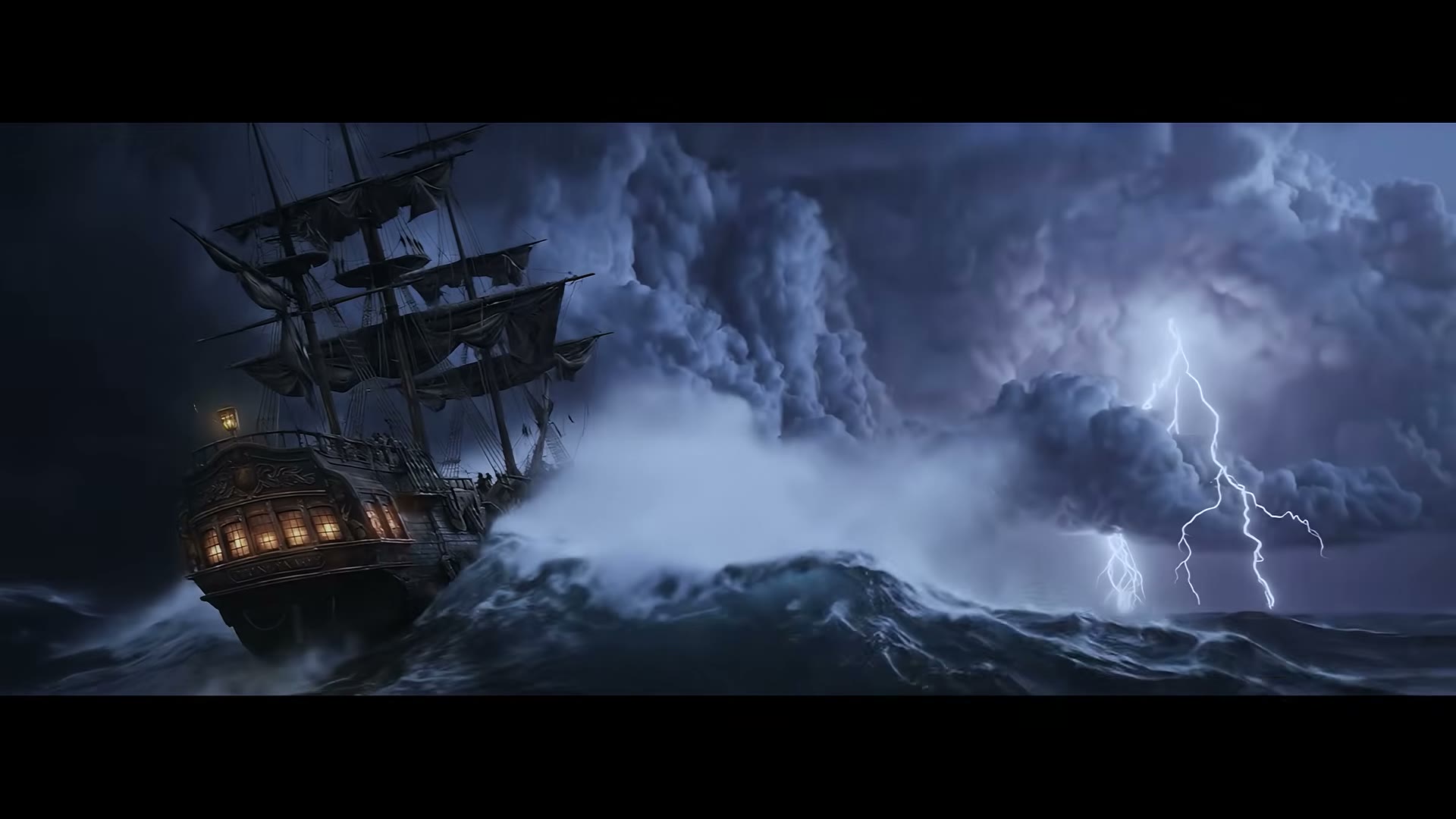
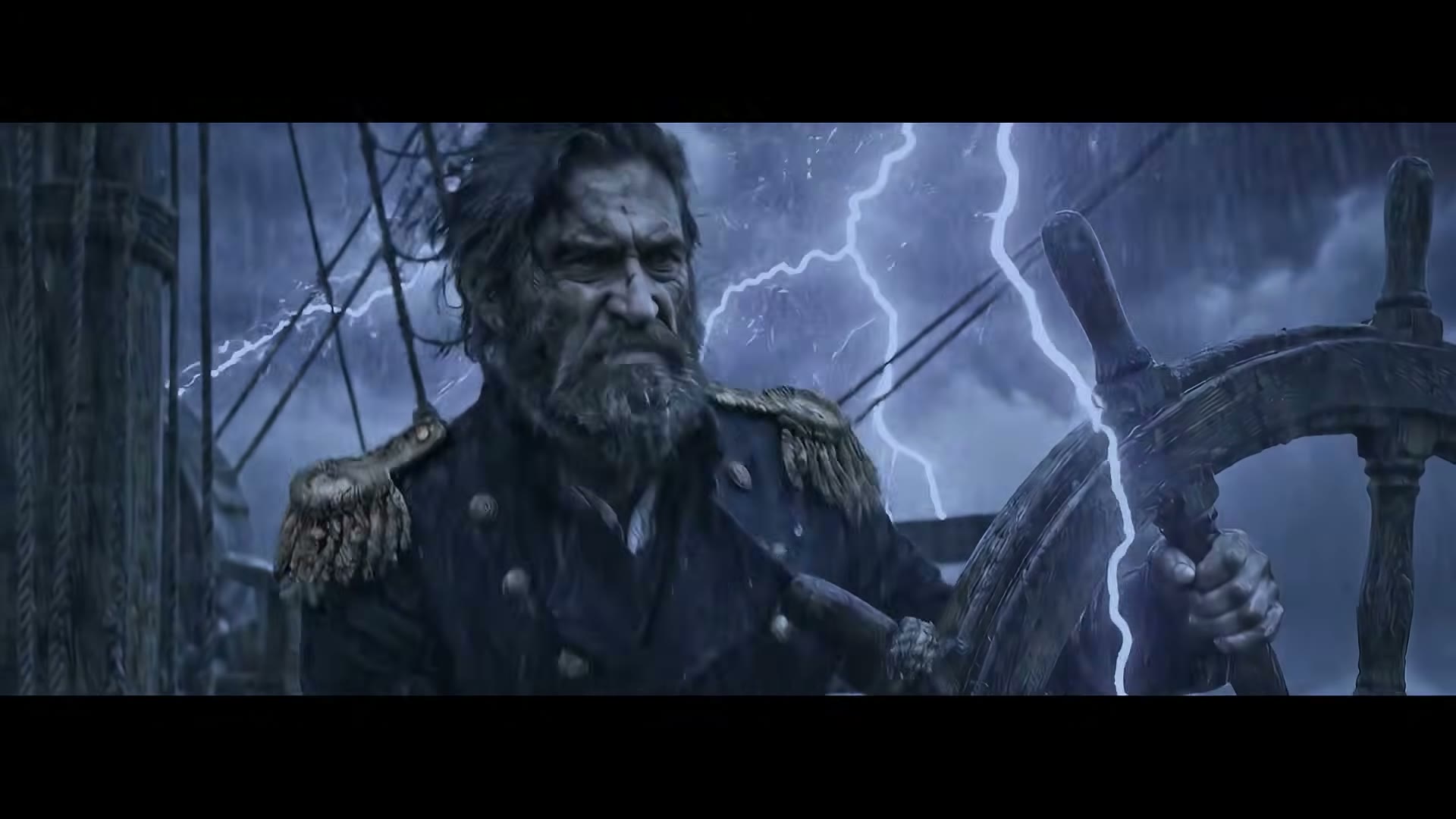
It is a brave piece of structure for a seven-minute short: the victory comes at the midpoint, and everything after is the bill arriving.
Grendel’s bargain
The mother’s arrival is staged as weather rather than monster — the sea itself stands up. What follows is less a battle than a reckoning, and it ends with Grendel in the water, in the kraken’s grip, begging the man he overruled: “Thresh. Thresh, please. Please.” The film does not tell us, in the end, whether the garden is real. It shows us a captain taken down into the dark by something that had every reason to keep him — and lets the legend finish the sentence.
The host closes the book on it as the finale of the channel’s Sea Monster Cycle, and it plays like one: the biggest canvas, the oldest fear, and a moral as simple as a headstone — some things in the sea are not resources. They are parents.
Best Scene (5:46–6:10)
“Thresh, please”
Coiled in the kraken’s grip, the ship already lost, Captain Grendel does the one thing captains in these stories never do: he begs. Not the beast — his first mate, the man who warned him, as if Thresh’s forgiveness could substitute for the sea’s. It is twenty seconds of a proud man coming completely undone, and it lands harder than any tentacle in the film.
Final Thoughts
Kraken is folk horror with salt water in its boots — a whaling tale told backwards, where the white whale wins and deserves to. It is the rare monster film where you leave thinking about the monster’s grief instead of the hero’s.
It is also the most-watched film in this batch by a wide margin, and it is not hard to see why: the period production — the ship, the storm, the faces — is the channel’s most ambitious, and the story gives all that craft something worth carrying.
Kraken is part of the Whispers From The Dark horror anthology on YouTube, hosted by the channel’s goblin storyteller; the channel presents it as the grand finale of its Sea Monster Cycle. It is the most-viewed film in this batch.
Scene Breakdown
0:00–1:40 — The bargain. The host frames the tale; the Covenant’s commission is set out at the chart table: twenty thousand in gold for the ink. The garden legend is told.
1:40–3:20 — The hunt. Storm, sails and the first tentacles; the crew’s shanty; Thresh’s warnings overruled.
3:20–4:20 — The kill. Cannon and chaos; the beast is taken — and Thresh reads the eye and the beak: a calf.
4:20–5:40 — The mother. The sea rises; the Covenant is unmade around its crew.
5:40–7:03 — The garden. Grendel’s begging, the taking, and the host’s closing word on the Sea Monster Cycle.
≈3:47 — The calf’s great eye is glossy and plastic-looking in close-up, more toy than animal — the film’s weakest single image, at its most important reveal.
≈4:40 — In the mother’s first full rise, the waterline where tentacle meets hull smears for a few frames before the spray covers it.
The crew’s faces hold unusually well for a period piece shot in storm light — Grendel and Thresh are the same men in every scene, which is what makes the ending play.
The ship’s stern reads COVENANT, legibly and correctly, in the wide shots — a small thing AI period pieces usually fumble.
There are no reviews yet. Be the first one to write one.