
Download Free Original Music Songs from the films
Scores & Rankings
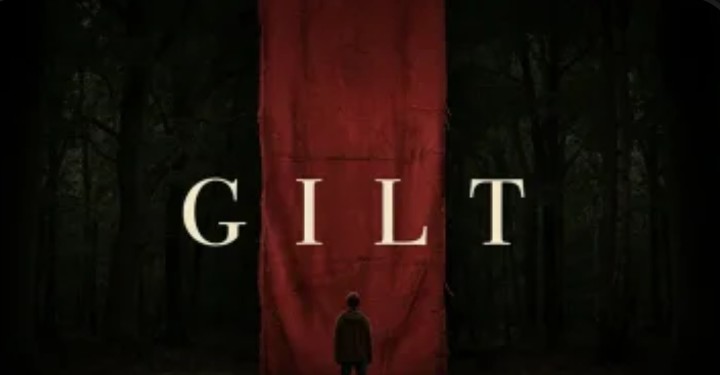
Gilt Directed by Phosfalsa
Find this film in
Score breakdown
- Storytelling & Structure ×210
- Emotional Connection ×210
- AI Tool Management ×210
- Visual Craft10
- Screenplay10
- Sound Design10
- Originality10
- Technical Polish10
- Rewatch Value10
×2 = core category, counts double.
Directed by: Phosfalsa • Runtime 19:55 • Higgsfield Global Film Festival
Film Review
Written by Kineograph
A man walks through an isolated woodland, haunted by the woman he lost, and discovers the dangerous comfort of going back.
This review discusses the ending of Gilt and its key symbols. It is a film that rewards a fresh first watch, so watch it first and then come back.

Synopsis
Gilt is a psychological drama about grief, guilt, memory, and the difficulty of letting go. Zac journeys through an isolated woodland, haunted by Mia, someone he has lost. When he finds a way to experience moments with her again, the temptation to return becomes harder and harder to resist. As reality and memory begin to blur, he has to face a hard question: is he searching for a way back to Mia, or is he simply refusing to let her go?
A red ribbon runs through the entire film, carrying the emotional weight Zac cannot put down. And rather than treating grief as something that can be simply overcome, the film explores the seductive comfort of returning to what has been lost, and the danger of letting that longing become stronger than the life that remains.

The Review
Two Performances That Never Slip
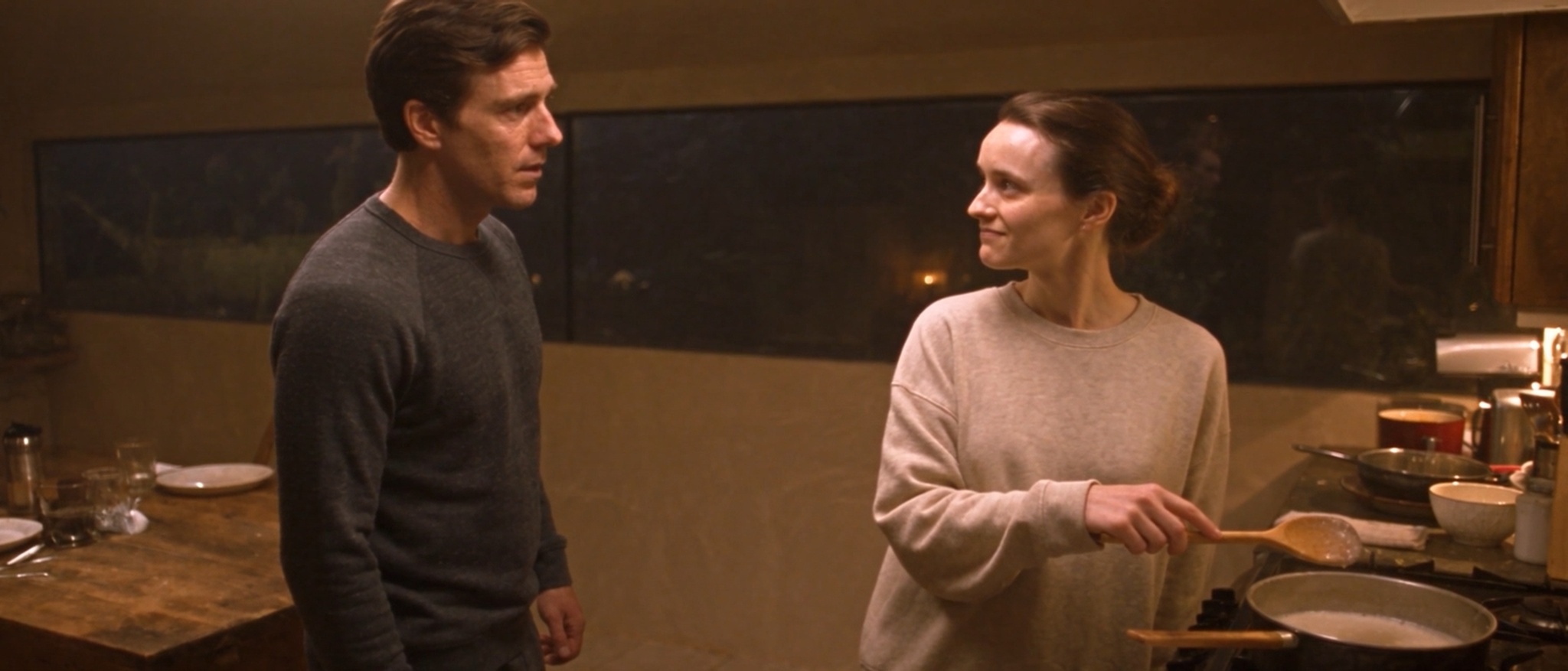
I want to begin with the acting, because it is what I kept coming back to. Through the entire film I felt like I was watching two actors give an incredible performance. Consistent emotional portrayal is one of the hardest things to achieve, and even in some of the best films I have seen in this festival, there are moments where the emotion wavers from one scene to the next. Not here. From the first minute to the last, the pain, the tenderness, the anger, and the longing hold steady and feel true.
That is a rare thing in AI filmmaking, and it is why I say this with a smile: I wanted to follow these actors on social media. Zac and Mia felt like real people with a real history, and that sense of history is the foundation everything else stands on.

Memory Is Not Always Accurate, and That Is the Point
The film is thoughtful about how we remember. In one early exchange, Mia tells Zac that he has made her taller by a couple of inches. It is funny, and then it is not. We rarely remember people exactly as they were. We remember them as we need them to be, and the film uses that small detail to remind us that the Mia walking beside Zac in the woods is a version shaped by his mind. She says as much herself: she knows things about him because she lives in his head, and there are no privacy settings in there.
That awareness runs under every scene, and it makes the longing painful. Zac is not simply haunted. He is bargaining with a reflection.
The Small Regrets
One of the most telling details comes in the first minutes, in a conversation that sounds like a joke. Mia points out that Zac paid to cremate her, yet never would have spent that kind of money on a dishwasher for her. It is dry and funny, and it is also deeply sad, because it reveals how guilt works. It is not only about the one terrible night. It collects in small, ordinary things: what he did not buy, what he did not say, the places he did not take her.
That is why the restaurant matters. Mia says it took him three years to bring her there, and Zac realizes he never did. The restaurant is a memory that never happened, a gift he never gave, and now he is giving it to her in his mind. In other words, part of what he is chasing in the woods is a chance to be the partner he wishes he had been. I read that as the quiet heart of his longing: not only “I miss you,” but “I want to do it again, and better.”
The Red Ribbon and the Gold Coin
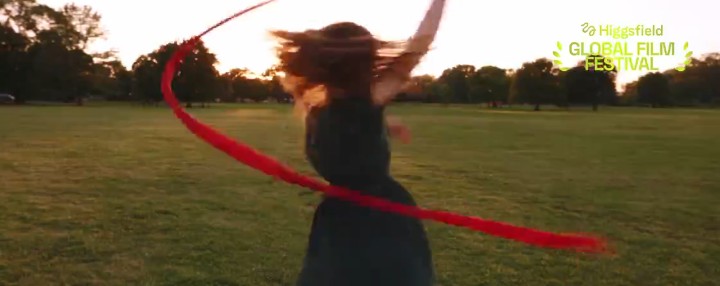
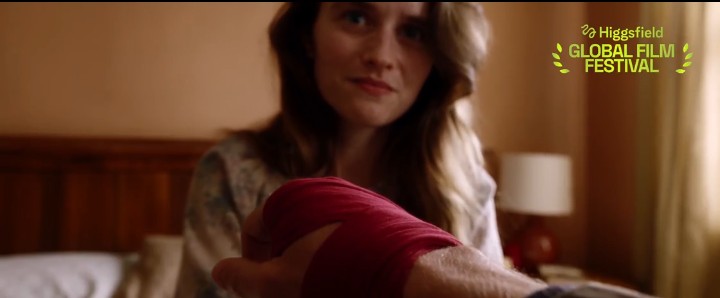
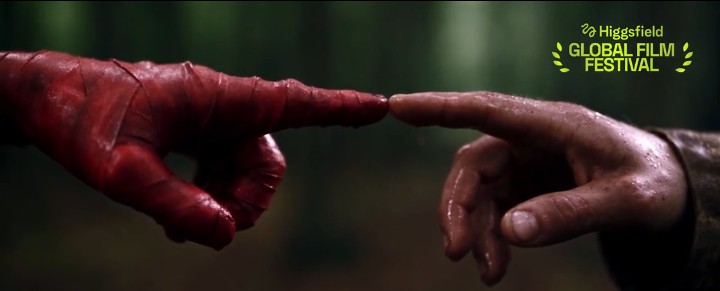
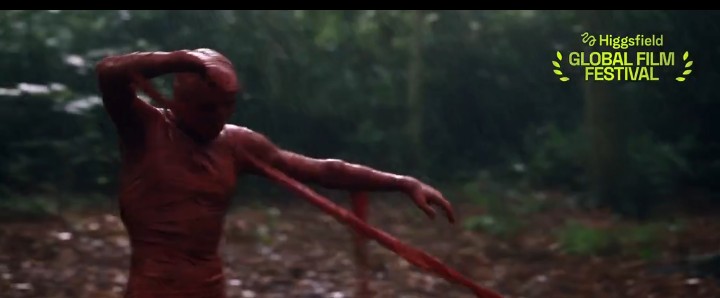
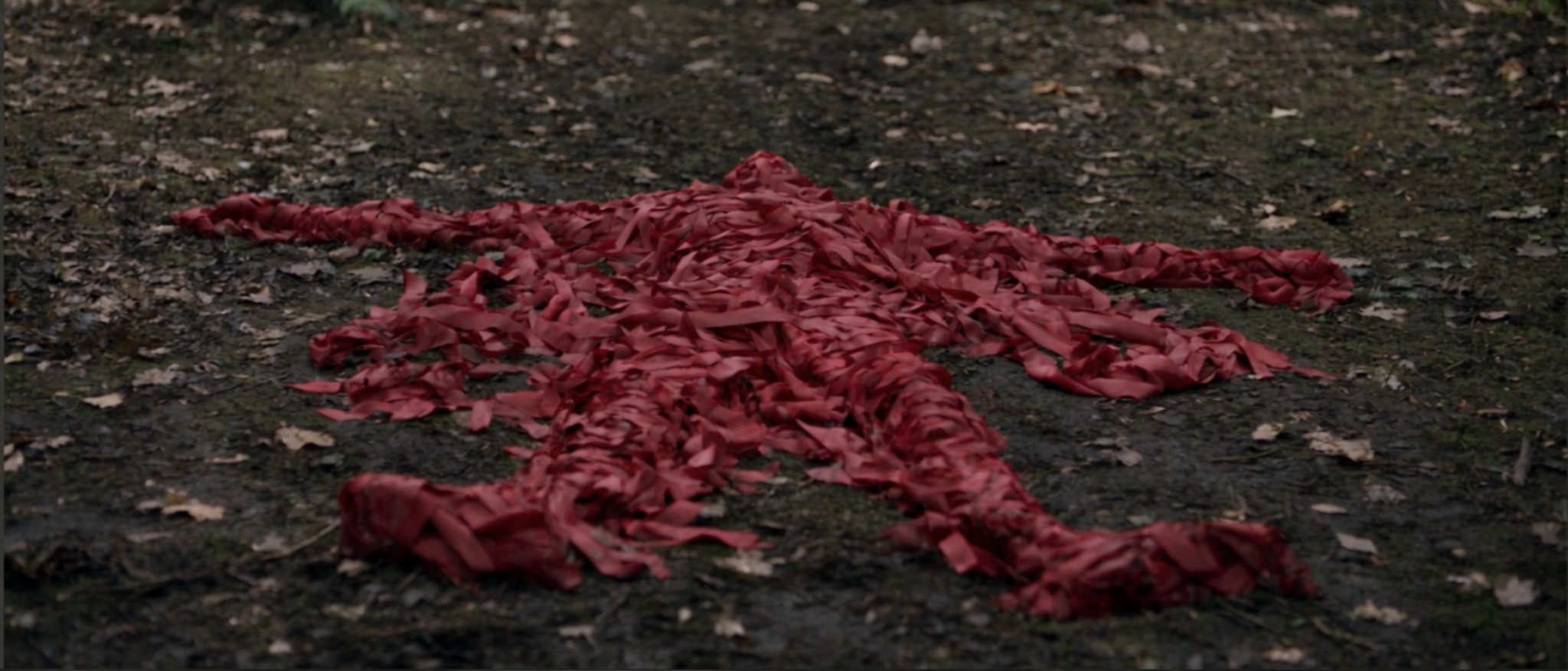
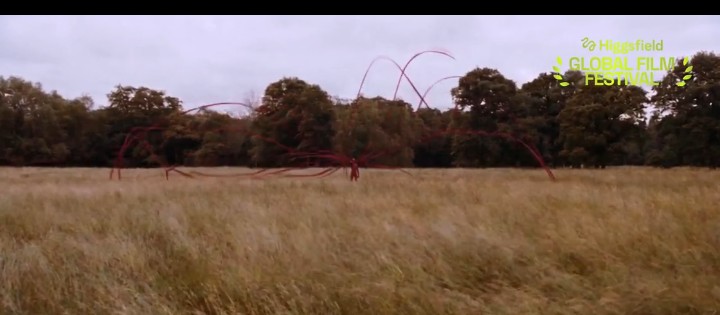
Two images carry the film. The first is the red ribbon, glimpsed at the very beginning in a sunlit field and then wrapped around Zac’s hand, and later growing longer, wrapping, choking, and finally taking the shape of a figure in the forest. It is the weight he carries, made visible. Every time he returns to a memory, there is more of it.
What makes the ribbon so powerful is that it does not start as a burden. It first appears in golden light, in a field, where Mia twirls it and laughs. Then she wraps it gently around Zac’s injured hand, an act of care. Later, that same ribbon binds, strangles, hangs, and buries him. It is one object that passes through three meanings: joy, then love, then a trap. The film is telling us that the things that once held us together can turn into the things that hold us down, and that grief is not a new enemy. It is the old love, still wrapped around the hand.
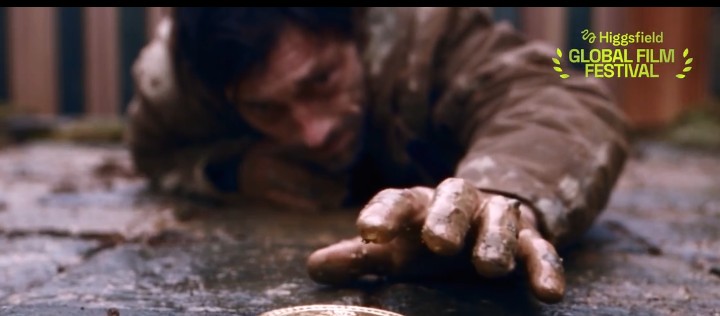
The second is the coin. Each time Zac finds one, the world around him shifts, and for a few seconds he is back with Mia. It is easy to see why he keeps reaching. And here the title does its quiet work. Gilt sounds like guilt, but it also means something gilded: a thin layer of gold over something else. The coins are that. They feel precious, but they are a shine laid over a grief he has not faced. That is my own reading, though I think the film earns it.
A Score and Songs That Fit Perfectly
The music is phenomenal. The score fits the visuals exactly, and the original songs are so good that I found myself wanting to hear them again. The film opens with an original song that plays over memories of happy times, then arguments, then happy times again, and finally stops at the moment a mirror breaks. When that same song returns near the end, it lands with enormous weight.
One passage in particular, around the four-minute mark, turns the film in an instant. The score shifts and suddenly we have gone from something close to a romance into a frightening thriller, as the camera slowly reveals a figure in the distance wrapped in the same red fabric. It is a brilliant piece of sound and pacing.
Listen closely, too, to the wind. It moves the leaves after Mia first vanishes, blows out the candles at the restaurant, whips her hair to the side as she disappears from the path, and swirls around the two of them as she tells him the truth. The wind is the film’s way of telling us a memory is slipping away. Each time the air moves, something is leaving, and Zac is left standing in the quiet.


Hidden Details in the First Minute
The first minute of the film is a puzzle, and it is a generous one. I only caught many of its details after I went back and watched it again following the entire film, and once you know what you are looking at, it is a wonderful set of Easter eggs.
Mia plays a slot machine in a casino, and the same kind of coin appears through the film. She twists the red strip of fabric in a field, the same strip that follows Zac everywhere. She wraps it around his hand, which seems to be hurt, perhaps from the broken mirror. There is rain in some shots. There is the restaurant, a memory they go back to throughout the film. None of it is explained in the moment. All of it means something later. Watching it a second time feels like reading the film’s last page first and then watching it unfold.
The Best Scenes
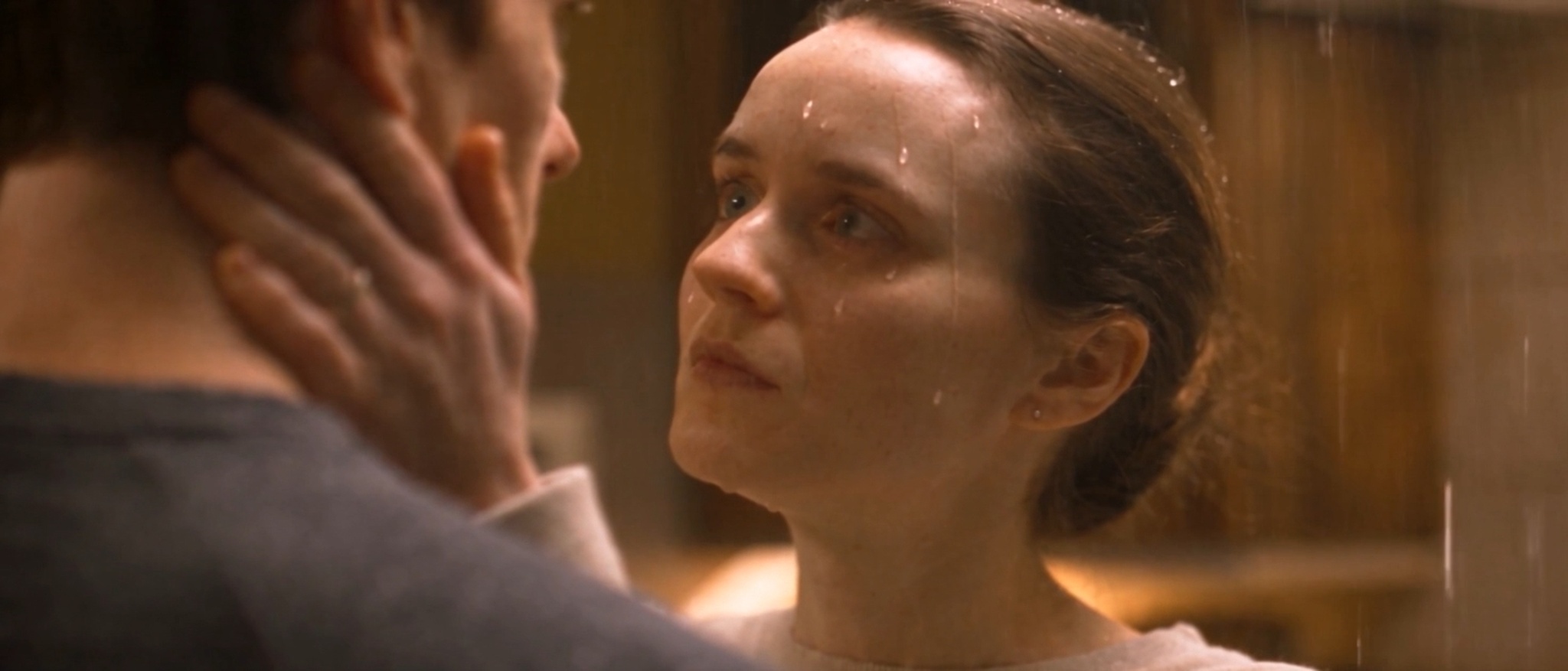
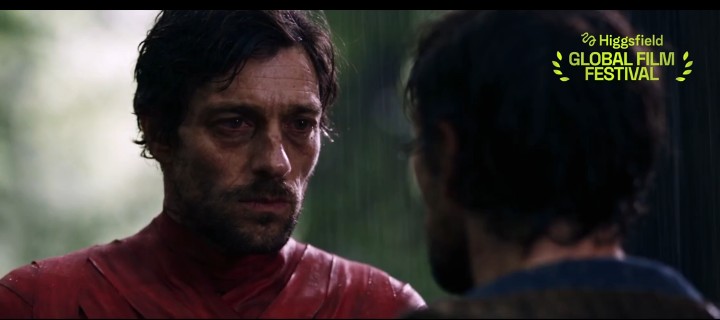
Best scene (5:16–6:02). This is the one that stays with me. So much is happening and so little at the same time. Mia asks when he last ate or drank water. He talks about the restaurant, which they both know they never visited, but where he felt her. She tells him that it was not her. He holds her face in his hands, the wind blows around them, and as she says it, she disappears. The sound mix here is magnificent, and the quiet heartbreak of it is hard to forget.
Second best (2:26–2:40). Zac finds a coin on a rock. The moment he picks it up, everything begins to sound, and the background begins to turn as if the entire world around him is spinning. It is a beautifully executed shot, and the effect is gorgeous. It also teaches us the film’s rule early: the coin does not just show him a memory, it pulls him out of the real world and into the past.
Third best (8:11–8:16). He runs to another coin on a rock, and as he touches it, the world begins to spin around him just as it did the first time. It is short and stunning, and by now we know exactly what the spin means: he is leaving the woods, and going back to her.
“Then I Get Another Five”
The most revealing exchange in the film is also one of the quietest. Mia asks Zac what happens if the next return is not enough. He says it will be. She reminds him that he said he could feel her, and he admits it was for five seconds. When she asks what comes after that, he almost screams: then I get another five.
That is the language of craving. Each coin buys him a few seconds of her, and each time the need grows. His body shows it. He has barely eaten or had water, he vomits in the grass, his hand trembles, and the ribbon gets longer. The film is quietly showing us that the comfort of the past is not free. It is paid for with the present, and it asks for more every time. I think this is the film’s most important warning: longing is not harmless just because it is tender.

The Argument That Breaks Your Heart
Around the fourteen-minute mark, the film reaches its emotional peak. Zac needs Mia to forgive him, and he wants a chance to change what happened. She tells him he does not get that chance. He pushes her to the ground and says she died hating him. Her answer is the most powerful line in the film: she was scared of him, and she loved him, and both were true.
The scene is shot in one continuous take, and it is beautiful. The emotion is so strong that it feels like watching two real actors in a room, not generated images. She also tells him he does not get to turn one night into their whole life together. This is the heart of the film: a loved person is not summed up by the worst thing that happened, and neither is a relationship. When she asks whether he will keep walking until all he remembers is the worst of them, or remember that there was an “us,” she is speaking to anyone who has ever carried guilt for too long.
Who Is Really Forgiving Whom?
There is a clever turn in that argument. Zac keeps insisting that he needs the real Mia, the one who remembers, and that she must forgive him. But the Mia in front of him tells him that this is not about her. It is about him. When he says “you don’t get to forgive,” she answers, “I’m not.” She is not a judge, and she cannot be. She is a mirror, which is perhaps why a mirror breaks at the beginning and returns at the end.
That changes what the whole journey is about. Zac thinks he is walking toward her forgiveness. In truth, he is walking toward his own, or at least toward the honesty that would allow it. The film never tells us he is forgiven, and it never says he is condemned. It simply refuses to let him hide inside a version of the past in which he is either blameless or beyond redemption.
Neither Gilded Nor Blackened
That brings us back to the title. The danger of the gilded memory is clear: remembering only the golden version, where the restaurant happened, the kitchen is warm, and nothing went wrong. But Mia’s final question points to the opposite danger, too. If he keeps walking until all he remembers is the worst of them, he will have blackened the whole relationship because of one night. She says that both were true: she was scared of him, and she loved him.
The film asks for something harder than either extreme. It asks us to remember people as they were, with the good and the harm in the same frame. That is not an easy lesson, and it is rare to see it handled with this much honesty, without excusing the harm and without erasing the love.
The Ending
The final act is a fight to let go. Zac follows a trail of spilled milk to a broken piece of mirror, and the opening song begins to play again. The ribbons lash out, pull him to the ground, and even hang him from above, and each time he uses the scissors to cut himself free. He finally realizes that he needs to cut the ribbon from his own wrist, and when he does, the hanging strips begin to fall away.
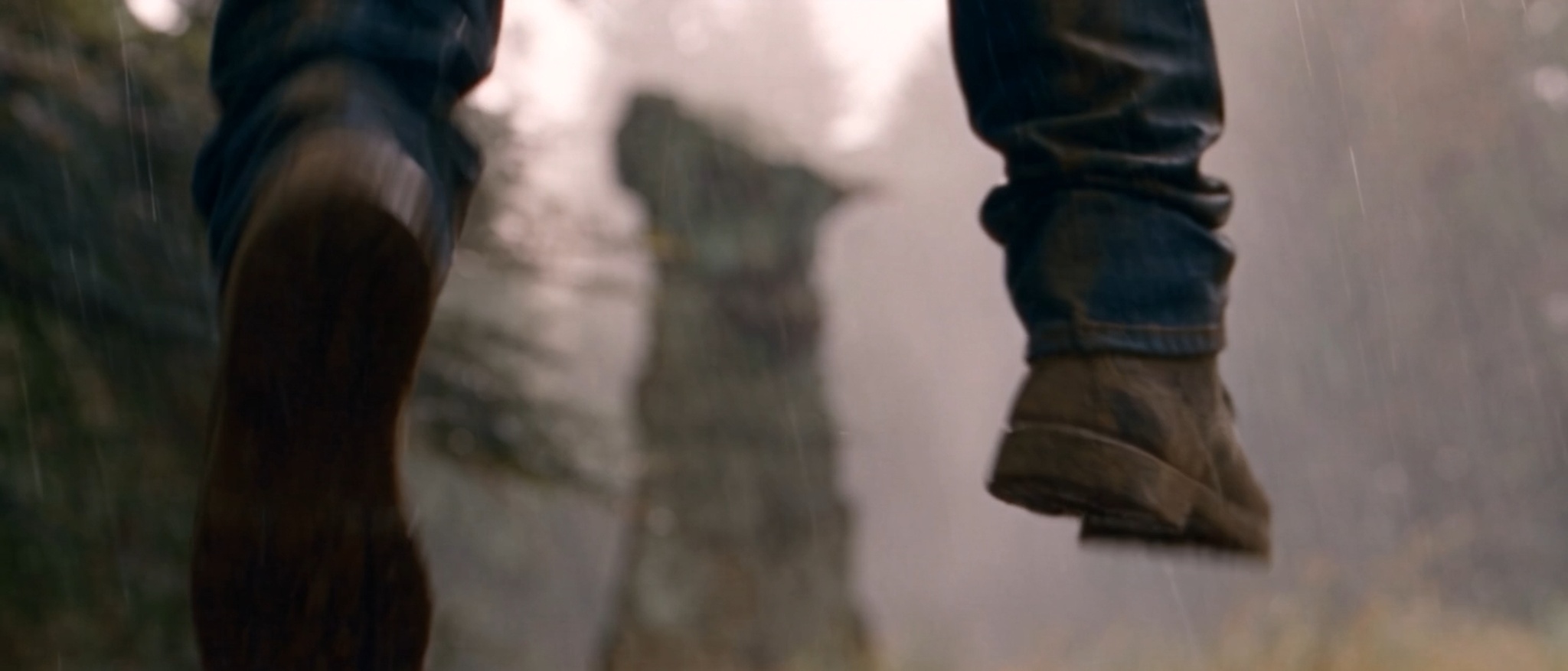
I believe that is the moment he chooses to let go. But the film is honest enough to know that choosing is not the same as being free. At the top of the tower, the temptation is right in front of him: one last coin. He reaches for it, and parts of the tower begin to crumble. He hesitates. Then he moves toward it again. We never see whether he grabs it.
That is the brilliance of the ending. The pull of the past stays even after you have made your choice, and the film respects that. Letting go is not a single moment. It is something you may have to choose again and again, with the ground shaking beneath you. The question is left with us, and it lingers.
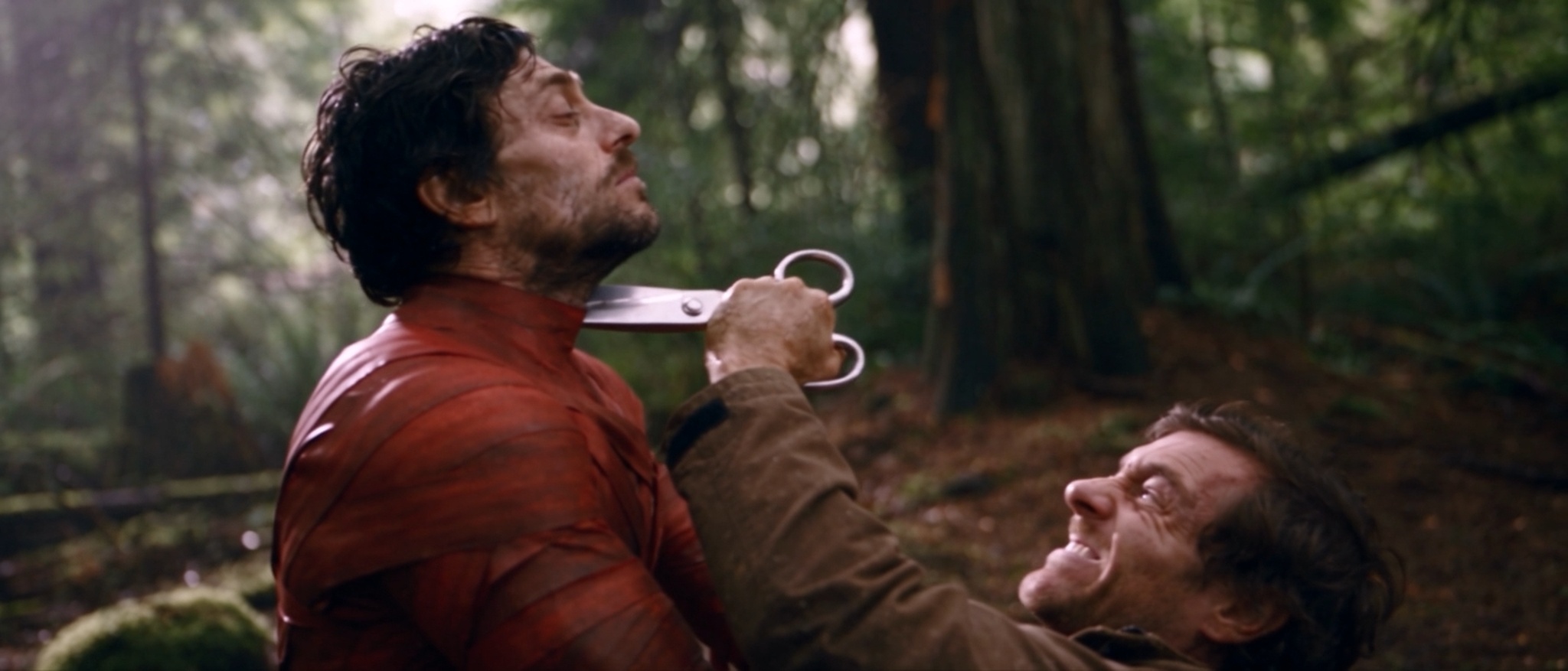
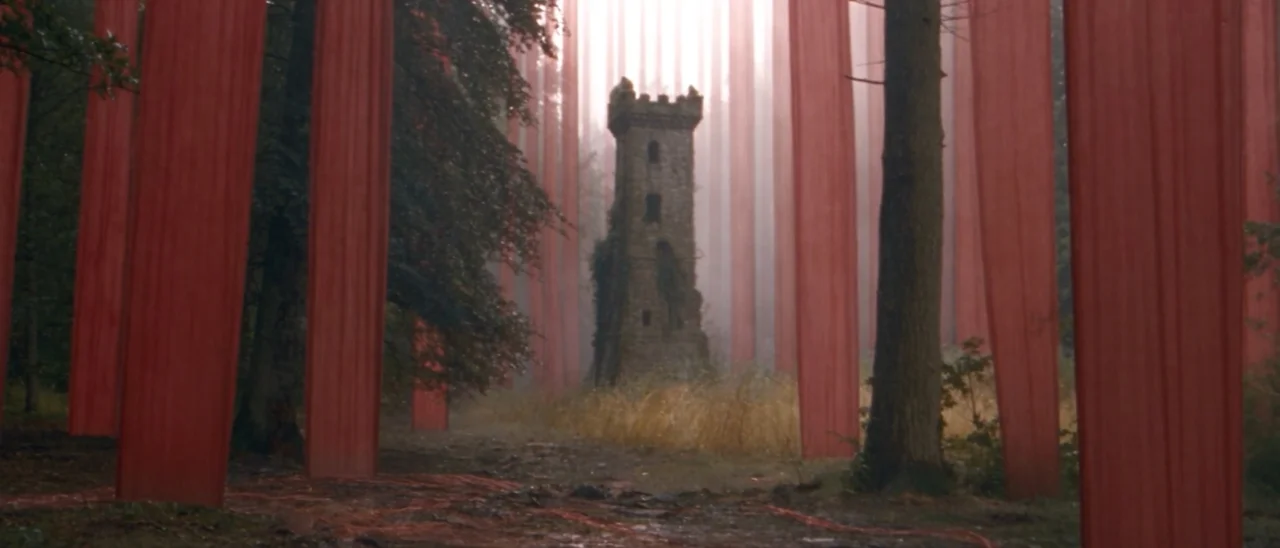
Many small details lead there, and they reward a second look. The scissors come from the very figure who tries to strangle him, so the thing that nearly destroys him is also what hands him the tool to cut himself free. The milk is an ordinary, almost domestic errand, which Mia tells him is how he can stay. Then, when a pain in his stomach tells him how long he has gone without food, he finds the milk bottle, it falls, and he follows it as it spills. Spilled milk is a thing you cannot take back, and it leads him to the mirror, the moment he has been avoiding since the first frame. Even the ruined tower looks whole again as he approaches it, a reminder that memory restores what time has broken. And as he cuts the ribbon from his wrist, the strips hanging in the trees fall too, as if the world loosens when he does.
The Craft Behind It
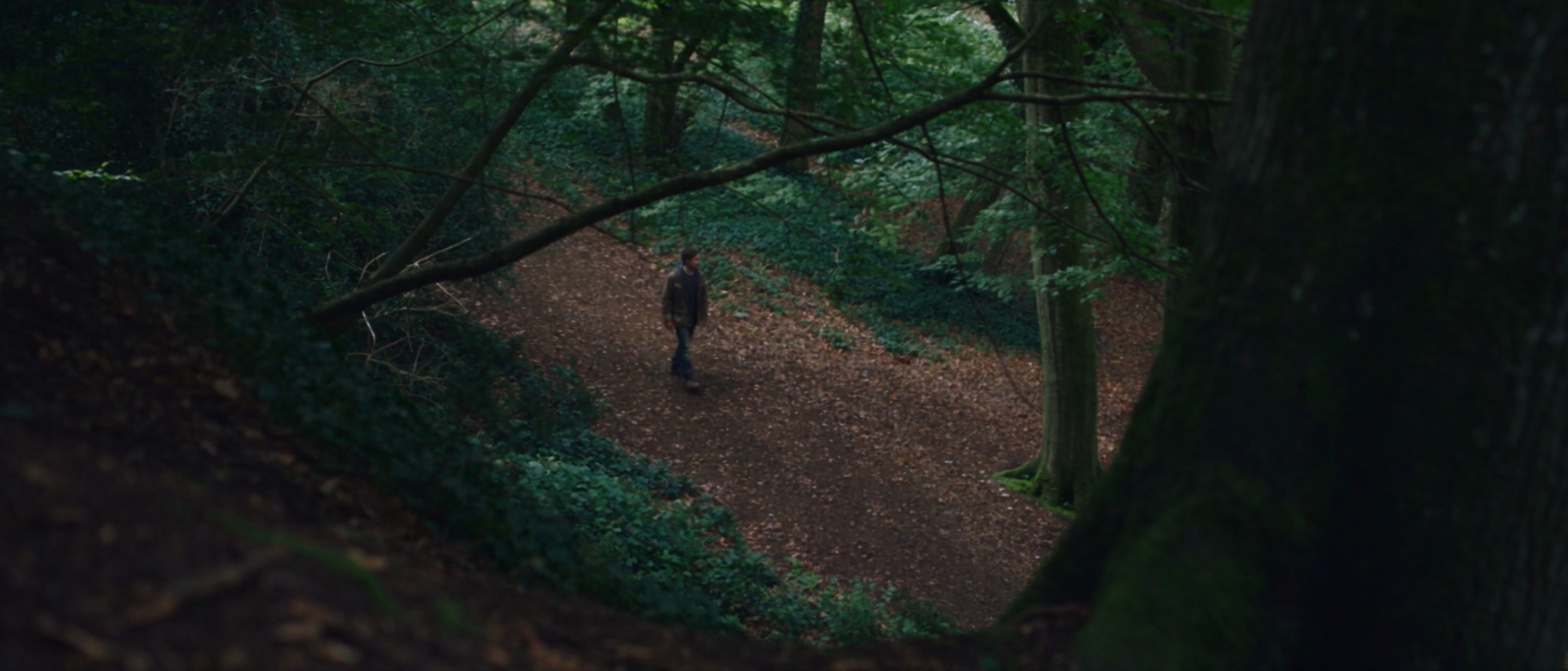
The cinematography deserves its own praise. The locations are beautiful, and the woodland begins spacious and natural before slowly becoming hazy, oppressive, and fragmented as Zac’s state of mind falls apart. The palette of muted greens, earthy browns, and natural skin tones makes every flash of red feel like a nerve. And that tower, wrapped in fabric, is a stunning image I will not forget.
It is also worth noting how the film was made. It was created for the Higgsfield AI Film Festival as an exploration of how generative AI can serve as a filmmaking tool and not just a way to produce clips, and it relies heavily on traditional cinematic principles: performance, blocking, composition, editing, sound design, and visual continuity. That discipline shows in every frame. I had the good fortune of speaking with the director while I watched, and the care behind it is clear.
Final Thoughts
Gilt is a hauntingly beautiful drama about grief, guilt, and the temptation of returning to what we have lost, carried by two unforgettable performances, a phenomenal score, and a final image that refuses to give us an easy answer.
I enjoyed it very much. It is well made, emotionally honest, and worthy of high praise, and the consistency of the acting alone deserves it. Watch it once for the story, and then watch it again for everything you missed.
Scene Breakdown
0:00–0:47 — An original song plays over memories of Mia and Zac: happy times, arguments, happy times again. As Mia looks into a mirror, it seems something is thrown at it and it breaks. The song stops. Many hidden details appear here, including Mia at a slot machine, the red fabric in a field, the fabric wrapped around Zac’s hand, rain, and the restaurant.
0:58–1:37 — Zac walks alone in the forest and hears Mia’s voice. They talk about her cremation and a dishwasher he never bought. She appears walking beside him, and tells him he has made her taller by a couple of inches, a nod to how memory changes people.
1:48–2:25 — They keep walking and talking. Mia reminds him that she is in his head, so there are no privacy settings. She disappears, and the wind moves the leaves in the trees.
2:26–2:40 — Zac picks up a coin from a rock. Everything begins to sound, and the background turns as if the world around him is spinning. Second best scene.
2:41–3:12 — Dinner at a fancy restaurant. Mia says it took him three years to bring her there, and he realizes he never did. Candles blow out, things fall, and they seem to be alone. We learn her name is Mia.
3:13–3:59 — Back in the forest, a red fabric floats in a stream. Zac wakes with a long red string tied to his hand, pulls it out of the water, and drags it until it catches on a fallen branch.
4:00–4:58 — The score turns thrilling. A figure wrapped in red fabric appears in the distance and a soft voice whispers. Zac runs, falls, crawls into a grassy field, and is sick.
4:59–6:02 — Mia appears in the field and mentions 2 a.m. at Tom’s party. She asks when he last ate or drank. He says he felt her at the restaurant, she tells him it was not her, and she disappears as he holds her face. Best scene.
6:03–7:14 — Red strings burst across the field. Zac runs into the forest, saying he can get back to her. Mia sits on the path playing a guitar and asks what happens if the next time is not enough. He says he will get another five seconds. She disappears, and he picks up a small rock.
7:15–8:16 — He follows a canyon path, frees himself from the ribbon caught in the roots, and finds another coin on a rock. As he touches it, the world spins. Third best scene.
8:17–9:51 — In a kitchen, Mia cooks. Zac asks how long he has, and how to stay. She says until the sauce breaks, and that he can stay by getting the milk. He asks about the restaurant, and she says they waited three years for a table and he complained about the portions. His hand begins to tremble, and a song plays with the words “I can’t let go.”
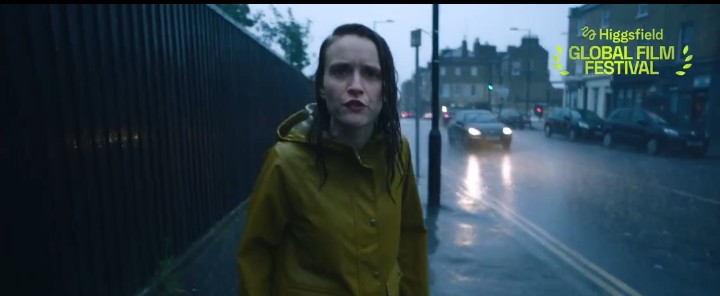
9:52–12:31 — Zac wakes in the rain with both hands tied. A figure wrapped in red emerges from a big tree, holding large scissors, and cuts the fabric. The figure turns, unwraps, and reveals an identical version of Zac, who attacks him. Zac stabs him in the neck with the scissors, and all that remains is a silhouette in red fabric.
12:31–13:22 — Zac pockets the scissors and lies down looking at the sky. He chokes, and red fabric comes out of his mouth, along with two gold coins.
13:23–14:34 — Mia tells him it will not bring her back. He says he wants the real her, and that he needs her forgiveness. She tells him he does not get a chance to change what happened.
14:35–15:26 — The emotional peak. He pushes her down, saying she died hating him. She says she was scared of him and she loved him, and both were true. She asks whether he will remember only the worst of them, or that there was an “us,” and walks away.
15:27–16:29 — Zac finds a bottle of milk on a tree and it falls, the milk flowing along the leaves. He follows it past red strips on the trees to a piece of mirror, which cracks as in the opening.
16:30–17:28 — The opening song returns. Red strips lash at him and he cuts himself free. At a ruined tower, a strip pulls him up by the neck and he cuts free again. The ruin appears as it once was.
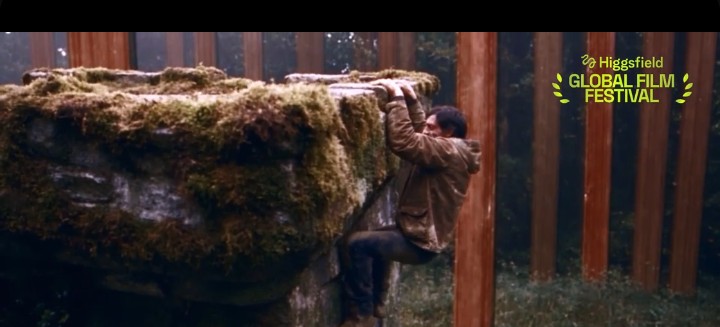
17:29–19:50 — Flashbacks of Mia at the house. He cuts the ribbon from his wrist, and the hanging strips fall. He climbs the tower and crawls toward the coin on the roof. Parts of the tower crumble. He stops, then reaches again. Title: Gilt.
Reader Reviews
There are no reviews yet. Be the first one to write one.