

 Paladin Studios
 Creator ID26-11-00-0092

Score breakdown
4 views on Kineograph
Film Review
Written by Kineograph
Cast out by his own father for refusing to mistreat his Pureblood half-brother, the paladin Wylder sails with his family toward England still chasing the rank of Master Paladin — certain the title will finally earn him the pride his father has withheld his whole life.
This review discusses the ending. If you would rather watch the film first, we recommend you do, and then come back.
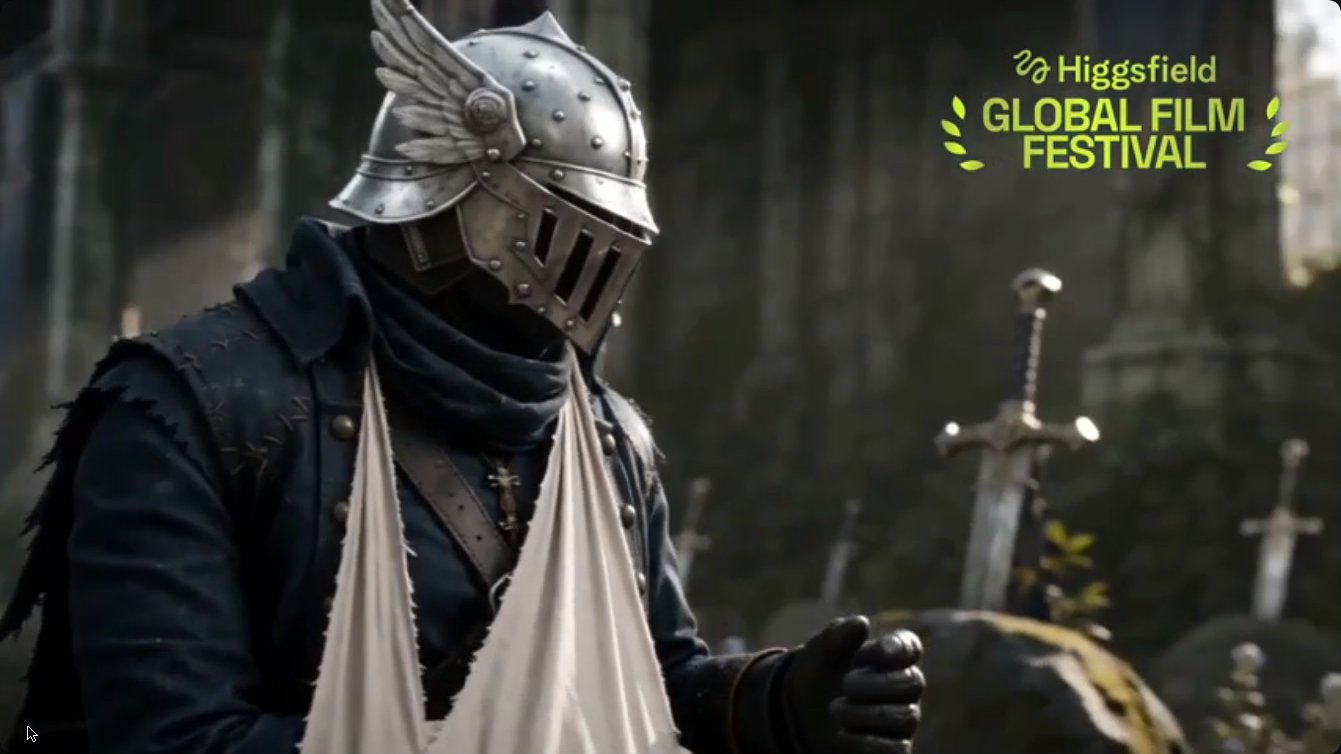
“There Will Never Be Another Disappointment Quite Like You”
The film begins with a voice over a ship’s interior — apparently the father, the Chieftain — saying the quiet part of this family’s history out loud: “You cannot mean this! There will always be another paladin, another warrior, another son, but there will never be another disappointment quite like you.” It is a brutal way to open, and the whole film sails in its weather. Two days out from England, Wylder is quiet and withdrawn on deck, and when his brother Oscar asks what is wrong, the real quest finally gets confessed: he wants to become a Master Paladin so that his father will “finally be proud of him” and stop seeing him as a disgrace. Not honour, in the abstract. One man’s pride.
The Brother He Refused To Abandon
The backstory, which the film fills in as it goes, is worth stating plainly, because everything hangs on it. Wylder’s mother had an affair with a Pureblood Paladin while the Chieftain was away. Oscar was born from it, and was cast out when the truth emerged; their mother was divorced and sent away. Years later, in the war against the Scholars, Wylder was paired with a hired Pureblood mercenary who turned out to be his long-lost older brother. Wylder refused to join in the mistreatment of him, defended him — and was himself condemned and cast out by his father. It is a clean, strong premise: the son punished for the same blood the family punished the other son for carrying.
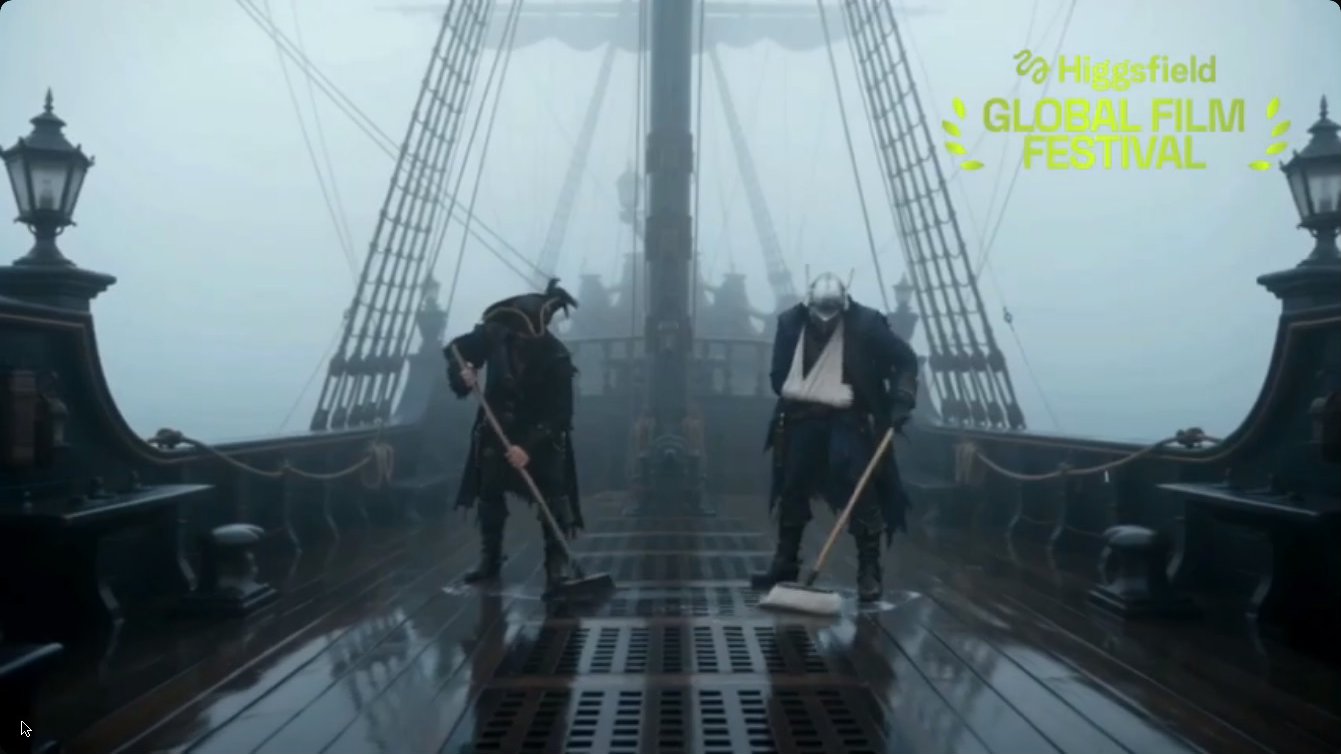
On deck, the wound is still open. Oscar tells him the truth nobody else will: Wylder is only chasing his father’s approval, the rank won’t fix anything — “You’ll never become a Master Paladin.” They fight, breaking crates and cargo across the deck, until Captain Odessa — purple pirate coat, tricorn, no patience whatsoever — delivers the film’s best comic line: “You two big dummies! Fighting like children!” Their punishment is to scrub every inch of the ship together and repair every crate, which is exactly the right sentence for these two, and the film knows it.
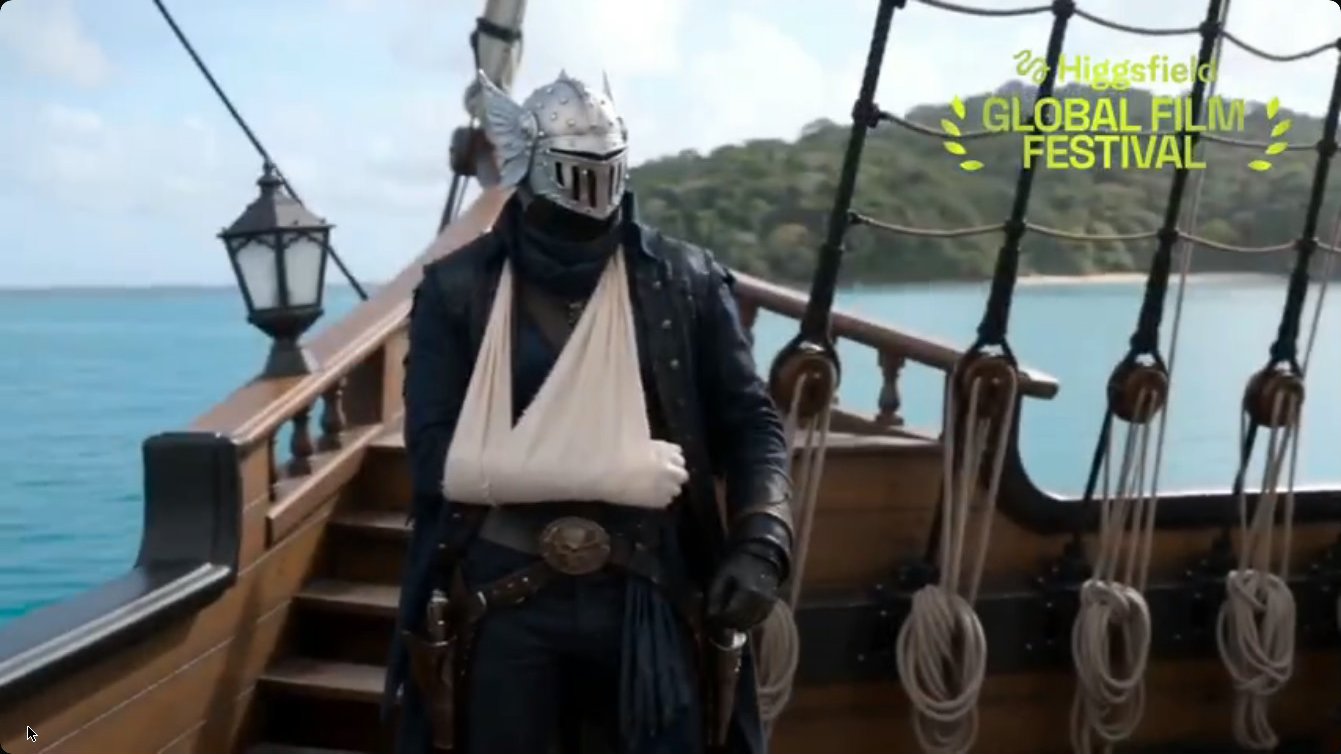
But the apology doesn’t take. Wylder says he’s sorry; Oscar shuts the door: “Don’t call me brother. We’re not even full brothers. We’re half brothers.” It is the father’s prejudice, spoken in the brother’s voice — the film’s argument in a single line, and it stings precisely because Oscar believes it about himself.
A Hall Of Ancient Paladins
An island is sighted, and Hannah and her mother ask to explore it, with Wylder ordered along. The ruins they find are a hall of ancient paladins, and under them a vault full of gold — baskets are filled, naturally — and a single gem, which crumbles to dust in their hands: “To think it all crumbled to dust.” Whether or not the film intends it, the moment plays as its thesis in miniature: everything this family reaches for — gold, rank, approval — has a way of coming apart on contact. The treasure hunt is enjoyable on its own terms. It is also, structurally, a detour — and the film is about to prove it by stopping the adventure cold for its best scene.
Best Scene (9:15–10:15)
Kneeling before the Chieftain
In flashback, Wylder kneels before his father and pleads: “Please, I loved this Order, I loved our people, I loved you. What do I have to do for you to finally believe in me?” And the father answers: “The son I raised would never have done this. My son died long before this day. You are a stranger wearing his face.”
Everything else in this film is weather; this is the climate. The question Wylder asks — what do I have to do — assumes there is something. The answer is that there is nothing: the son is already dead to him, and the man kneeling is a stranger. It reframes the entire voyage. Wylder is not chasing a rank. He is knocking on a door that was bricked up years ago, and some part of him knows it — which is why this plea, arriving in the middle of a treasure hunt, stops the film cold and earns its place as the scene the whole story hangs from.
Side By Side, At Last
Oscar’s own backstory monologue turns the flashback’s cruelty into the film’s warmth: he defended Wylder, stood beside him, was treated as a man by him, and their father condemned him for it too — and all he ever wanted was to be like his big brother. A voice puts the choice to Wylder directly: “You’re destroying yourself trying to earn something you already lost. Face the truth. Your father made his choice.” What Wylder does with that truth is the film’s real climax, and it doesn’t happen before the father at all. It happens beside Oscar, fighting side by side: “Funny, isn’t it? After everything, we still ended up fighting beside each other? I wouldn’t want anyone else beside me.” “Not bad, partner.”
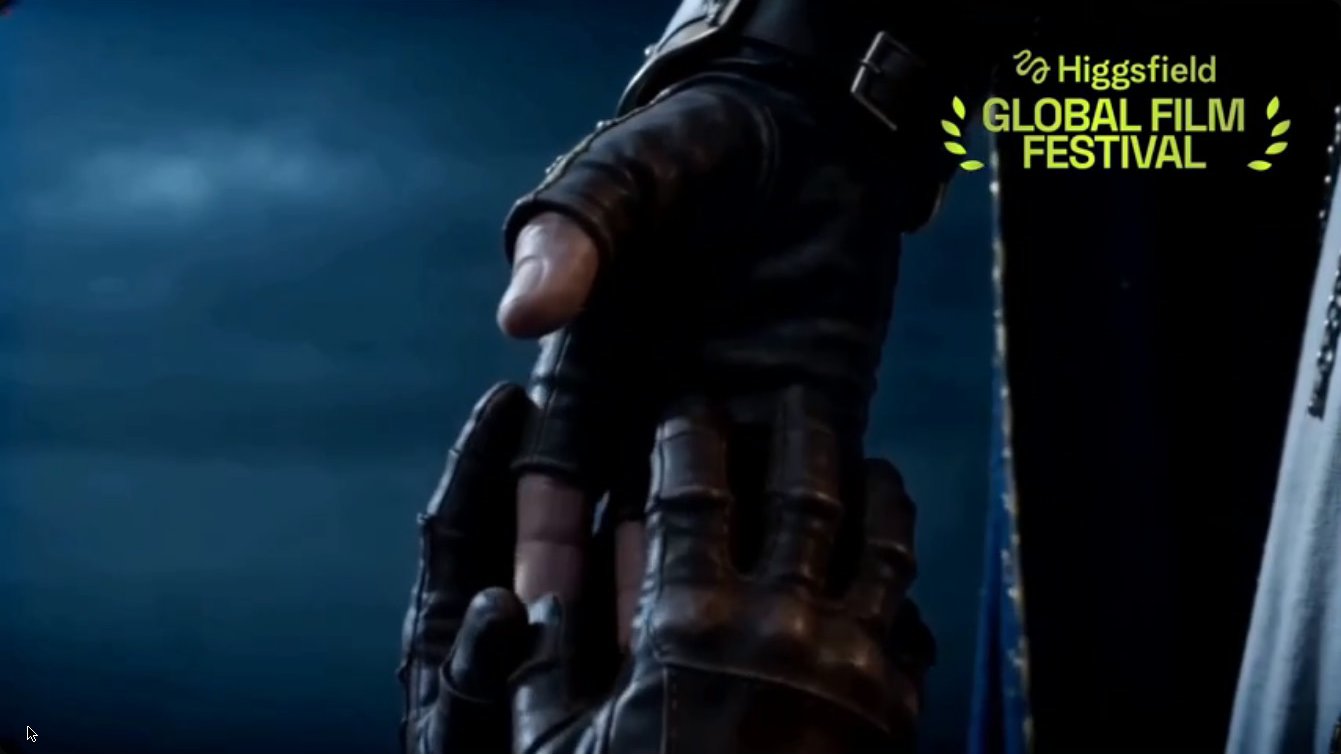
The Crown, The Beast, And The Gold He Wouldn’t Leave
Back in the vault, Hannah finds a golden crown — and something in the ruins wakes up. “Get out! Go! Hannah, get out!” The monster chases them; Oscar is sent below to fire the cannon; Odessa gets the women aboard. And Wylder, in the film’s most honest character beat, refuses to leave the gold — the disgraced son’s hunger, showing itself at the worst possible moment — before finally escaping to the ship. Aboard, breathless, the women explain themselves: “What did you ladies do to awaken the beast? We found a vault at the ruins.”
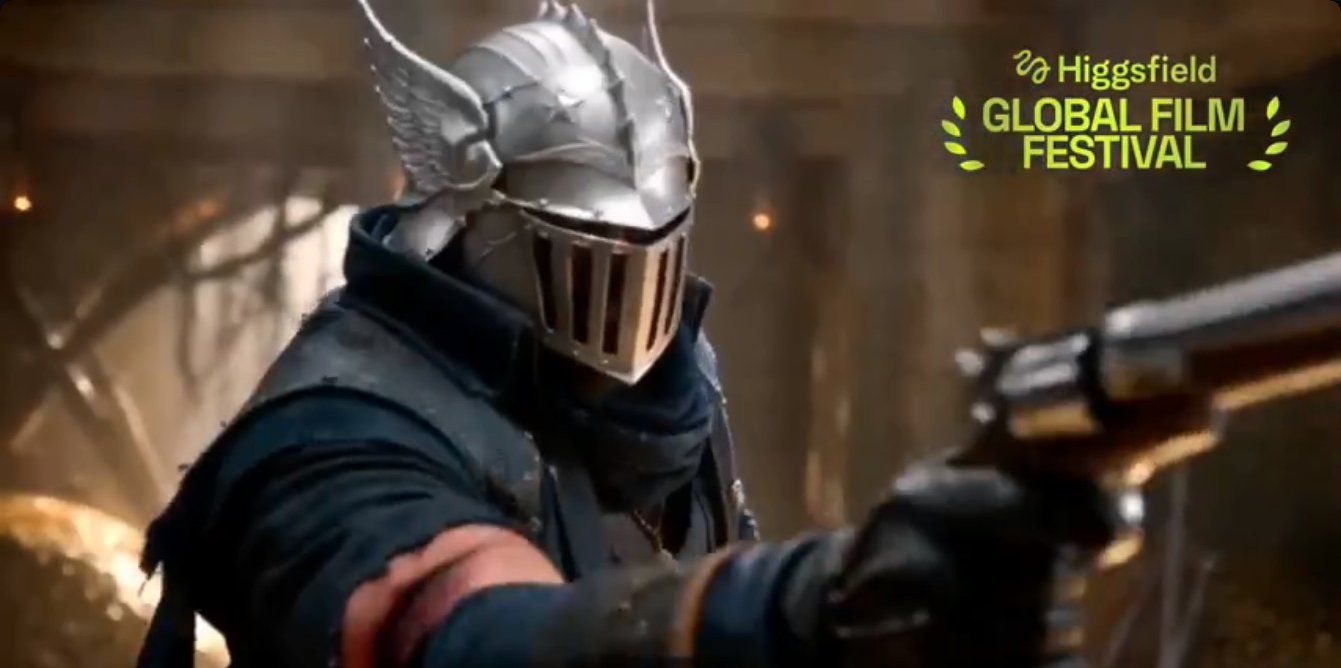
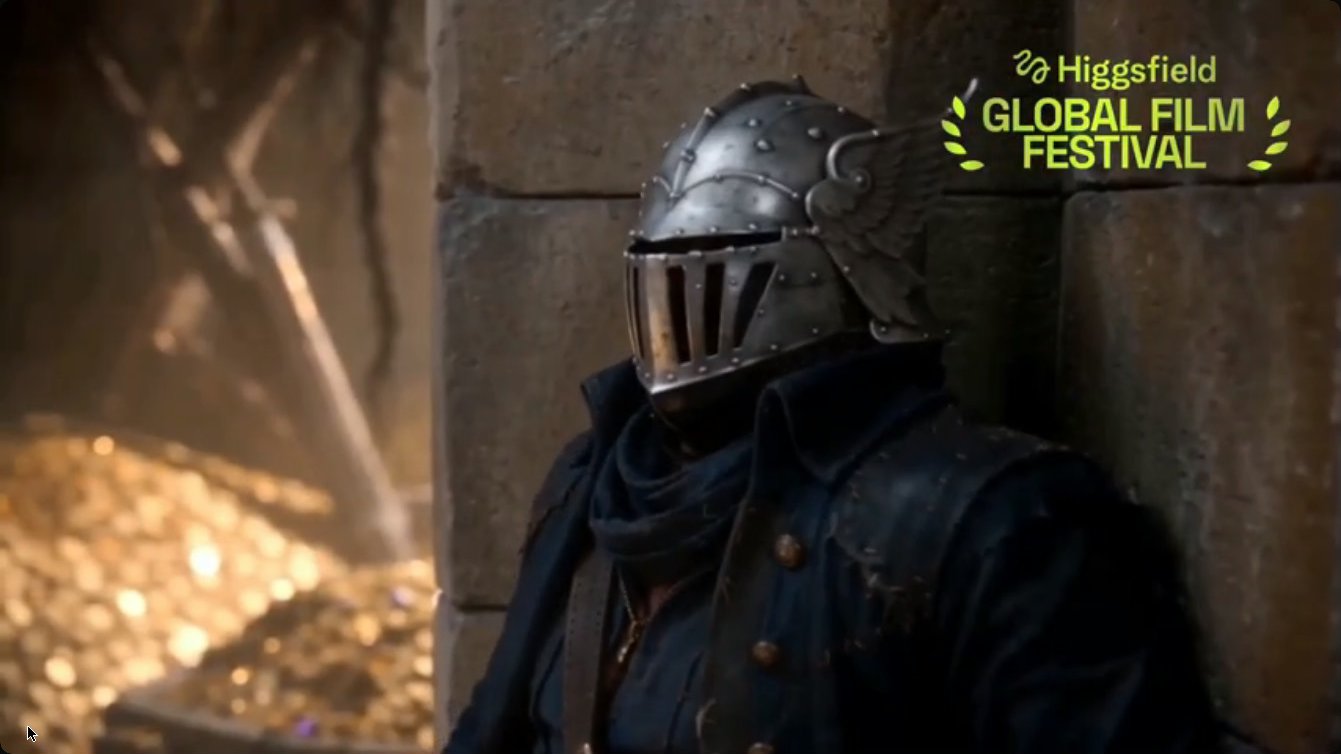
Then comes the reconciliation the whole film has been sailing toward, and it is complete: “Life’s too short to carry that weight forever. I’m leaving the past where it belongs. I’m done. Sorry for what I said to you. You will always be my brother.” “I’m glad you’re my brother.” “Likewise, man.” No title is conferred. No father relents. Two brothers simply decide to stop bleeding — and it is enough, which is the film’s actual point, whether or not its title knows it.
The Title This Film Does Not Keep
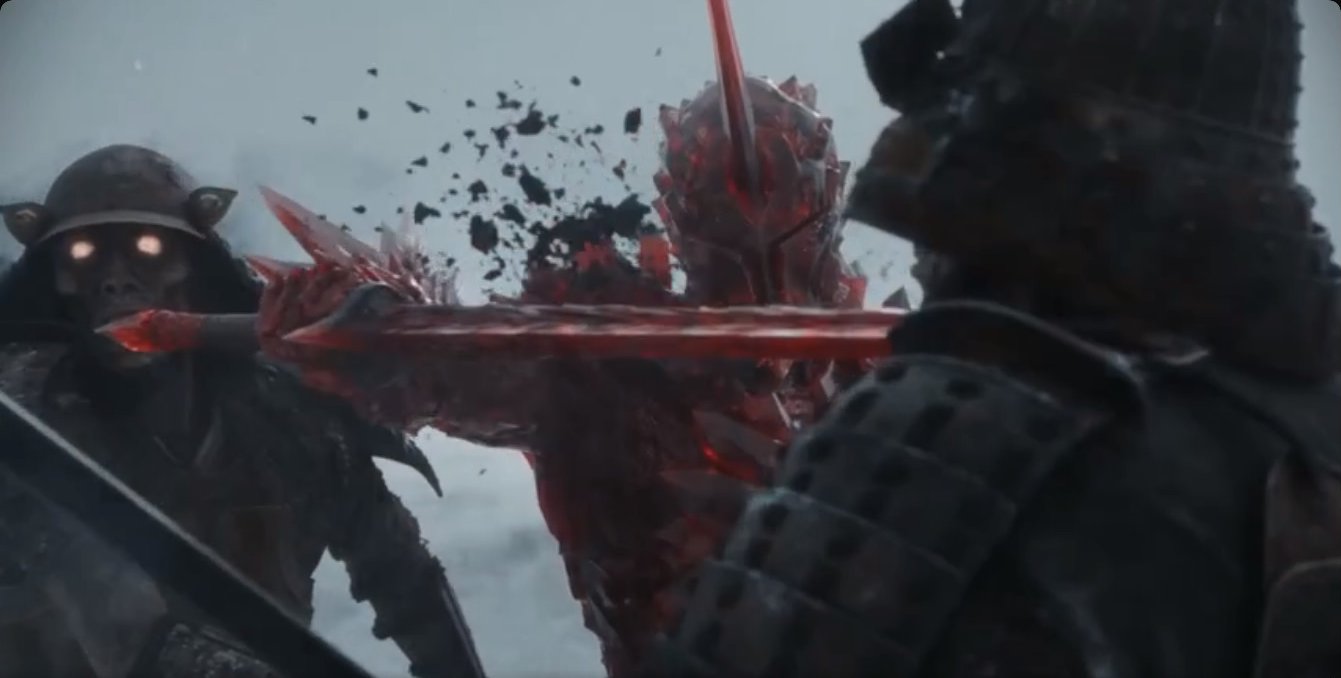
So I have to say the structural thing plainly. The ship reaches England. The family meets Gideon of the Eastern Coast Merchant Company and presents him with his final distribution. There are farewells, and Hannah waves “Bye Mama!” from a train window, and a motivational song — “They talk behind your back, they say you won’t go far… It’s not over until I win” — plays over a held image of a red-crystal paladin fighting dark, glowing-eyed warriors. None of it is badly done. But the investor bookkeeping has nothing to do with the paladin story at this film’s heart; the father never returns to relent or refuse in person; the rank in the title is never won; and the closing battle image is a poster for a climax this film doesn’t stage. The story’s true ending happened earlier, on deck, between two brothers. Paladin Studios’ sequel takes up exactly the thread this film leaves hanging — what happens when Wylder finally holds the title — and readers who want that promise paid off should know it is paid there, not here.
Where The Spell Breaks
On craft, the seams are frequent. Faces and ages shift between cuts — the brothers do not always look like themselves from one shot to the next; voices change; lip-sync drifts; and the subtitles garble the names the film most needs you to follow, rendering Wylder as “Wider” and Paladin as “Pallidin.” The gem’s crumble reads as a morph rather than an effect. And at the end of a story that arrives by sailing ship, characters depart on a modern train — period dress, present-day carriage. That is why the AI Slop Meter sits where it does: the spell breaks often. But I want to be fair about what survives the breaking: the dialogue is genuinely strong, the premise is doing real work, and the brothers’ arc is sturdy enough to carry the film across every seam.
Final Thoughts
Wylder – His Last Paladin Honor is a sincere, big-hearted brothers’ story in paladin armour — and the brother, not the title, turns out to be the treasure.
I would recommend it to fantasy viewers who like their adventures personal and their themes plain-spoken: come for the prejudice-and-brotherhood story, meet the voyage’s wandering on its own terms, and know that the rank the title promises belongs to the sequel. What this film finishes, it finishes well.
Scene Breakdown
0:00–0:30 — A festival title card over a ship’s interior, and the father’s voice: “there will never be another disappointment quite like you.”
~1:30–2:30 — Wylder, withdrawn on deck, confesses the real quest: the rank, so his father will finally be proud of him.
~2:30–4:30 — The brothers’ argument turns into a fight among the crates; Captain Odessa sentences them to scrub the ship together.
~4:30–6:00 — The apology refused: “Don’t call me brother. We’re not even full brothers.” Cupcakes from Odessa; an island is sighted.
~6:00–9:00 — The island ruins: a hall of ancient paladins, a vault of gold, and the gem that crumbles to dust.
9:15–10:15 — Best Scene: the flashback plea, and the father’s answer — “You are a stranger wearing his face.”
~10:30–13:00 — Oscar’s backstory; the voice of truth: “Your father made his choice.”
~13:00–14:30 — Fighting side by side: “I wouldn’t want anyone else beside me.” “Not bad, partner.”
~14:30–17:00 — The golden crown, the awakened monster, the cannon, and the escape — with Wylder refusing, at first, to leave the gold.
~17:00–18:30 — Aboard ship: the full reconciliation. “You will always be my brother.”
~18:30–20:08 — England: Gideon’s payoff, the farewells, and the closing song over the held battle image.
~6:00–9:00 — The gold gem found in the ruins crumbles to dust in their hands in a way that reads as a morph.
~18:30 — A closing anachronism: after the whole sailing-ship voyage, the characters part at a modern train, Hannah waving from its window in period dress.
Throughout — Faces and ages shift between cuts, voices change and lip-sync drifts, and the subtitles garble the names — “Wylder/Wider”, “Paladin/Pallidin”.
Made by Paladin Studios with Higgsfield Cinema Studio (generation led by Seedance 2.0). Wylder’s story continues in the sequel, Indefinite Sleep.
There are no reviews yet. Be the first one to write one.