

 Paladin Studios
 Creator ID26-11-00-0092

Score breakdown
2 views on Kineograph
Film Review
Written by Kineograph
Now a Master Paladin at last, Wylder stops his convoy against a direct order to pull twelve civilians from a burning wreck — and the ancient provision attached to his mission sentences him to the cruelest punishment of all: to sleep, sealed away, while everyone he loves lives on without him.
This review discusses the ending. If you would rather watch the film first, we recommend you do, and then come back.

“State Your Name And Rank”
A huge dark tower at sunset. A formal interview begins: “State your name and rank.” “Wylder, Master Paladin.” Anyone coming from the first film will feel the floor tilt at that line. The rank he begged the sea and his father for is now simply how the state addresses him — in a hearing that is about to end his life as he knows it. That is the sequel’s engine, and it never lets up: he got everything he chased, and it bought him nothing.

A Timeline Instead Of A Trial
The interrogation is constructed like a charge sheet, and its precision is the horror. At 11:17 that morning, Wylder was ordered to transport the Vesper Core from Directorate Facility 12 to the Northern Vault — a catastrophic asset, absolute orders never to abandon it. At 12:06 the convoy stopped: a transport had gone through the barrier and was burning, with people trapped inside. Wylder stopped, and rescued twelve people. While he was away the convoy was attacked; at about 12:14 the Core was taken, and it stayed outside Directorate custody for three hours and forty-one minutes. Wylder hunted it down and brought it back himself. The seal was breached. No one knows whether anything was taken or done.
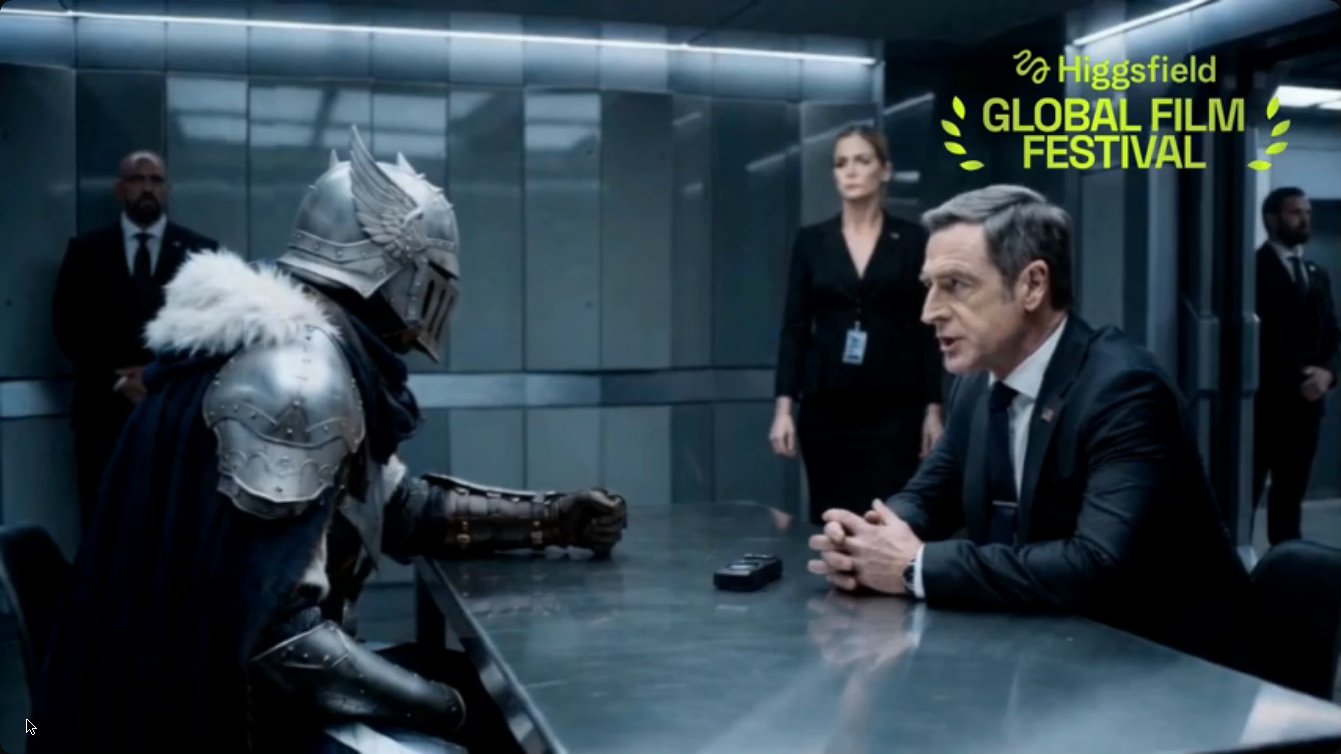
He admits he made the wrong call. Then he says the only thing that matters: “I wasn’t leaving 12 people to burn.” Asked if he would do it again, he doesn’t reach for defiance or regret — “I’d find another way” — which is somehow worse: even his honesty can’t help him, because there is no sentencing discretion to appeal to. Deliberate abandonment triggers the Final Custody Provision. The consequence is permanent containment, and the official’s farewell is the coldest line in the film: “Your fate was sealed the moment you left it.”
Five Weeks
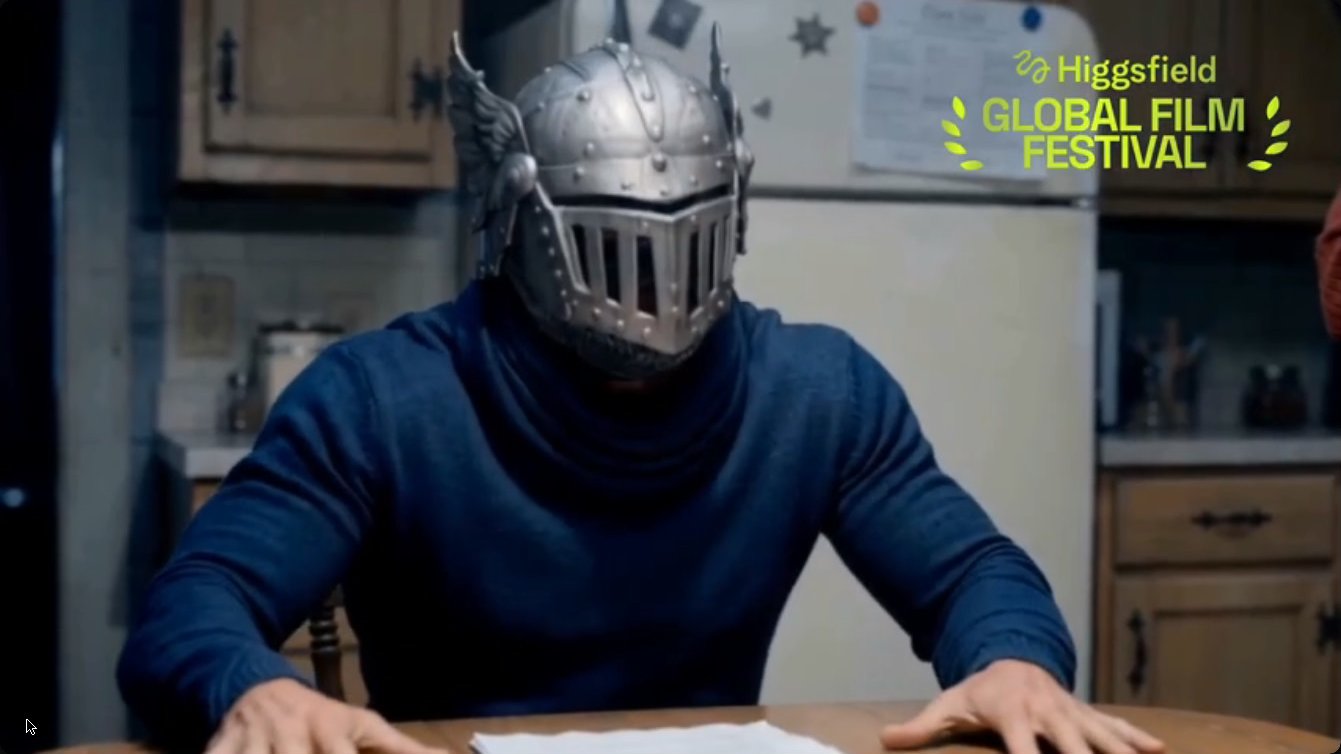
The sentence, spelled out: a sealed containment chamber. Permanent sedation. For the duration of his natural life. He must report in five weeks, at 9 a.m. He is not dying — his heart will keep beating while life moves on without him — and the film makes sure we understand that this is worse. At home, over the sentence document on the kitchen table, every door is tried and found locked: appeals are exhausted, the governor already contacted; fleeing is impossible, the area surrounded; going underground, no; paying, already offered — everything, the house, the land, the savings. The horror of Indefinite Sleep is administrative. Nobody hates Wylder. Nobody can help him. The provision simply executes itself, through people who are sorry.
Best Scene (5:15–6:10)
“I don’t want remaining time. I want a life.”
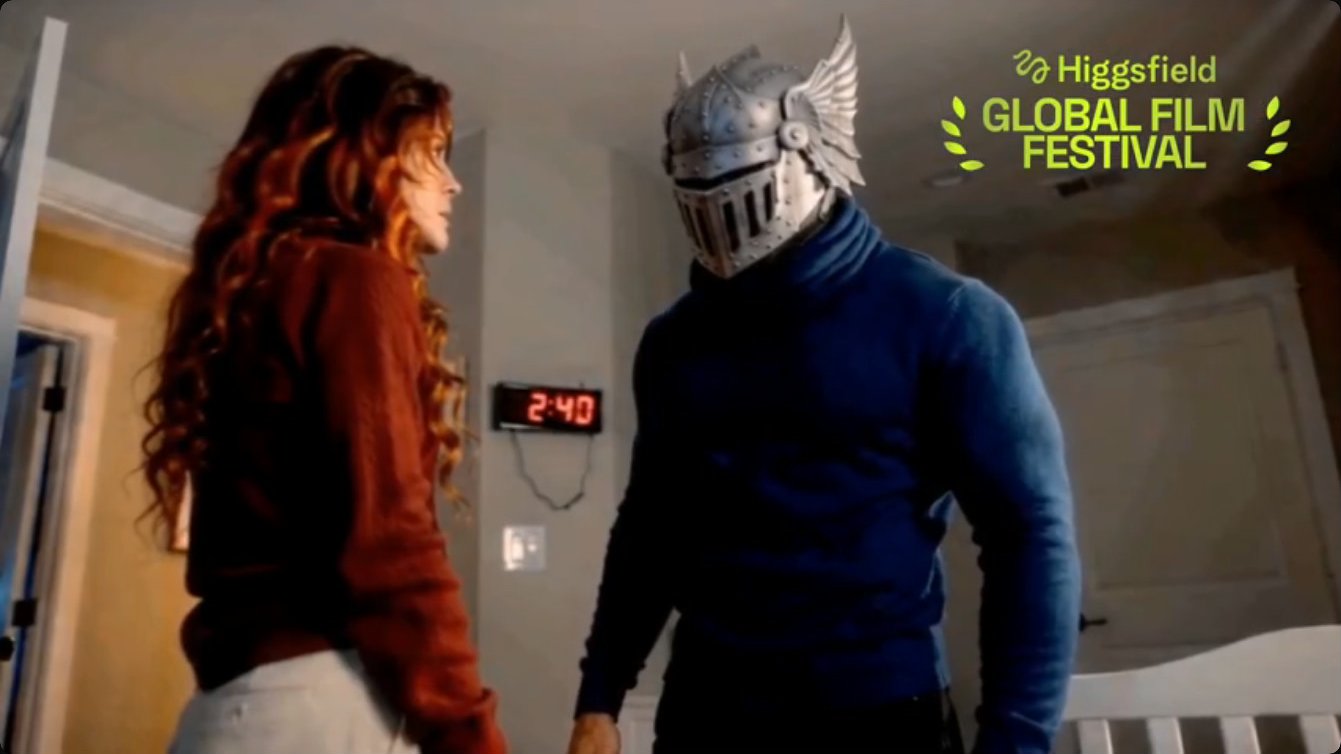
At two in the morning, Hannah is furious — and the fight starts, of all places, with a dentist’s appointment he was supposed to drive her to, before his boss called with the Master Paladin assignment. That detail is the whole film in miniature: what is being taken from them is not adventure. It is errands. “They’re putting me in a box, Hannah. No windows. No sunrise. Nothing.”
Then the speech the film will be remembered by: “I don’t want remaining time. I want a life. I like being alive. I don’t want to sleep forever. I like going outside. I like when it rains. I want to watch the seasons change. I want to grow old with you.” There is no rhetoric in it, no heroism — a man listing the ordinary contents of a life the way other men list treasures, because to him, now, that is what they are. I have not heard a better statement of this film’s subject anywhere in it, and the scene knows to simply hold still and let him say it.
Trapped In Yesterday
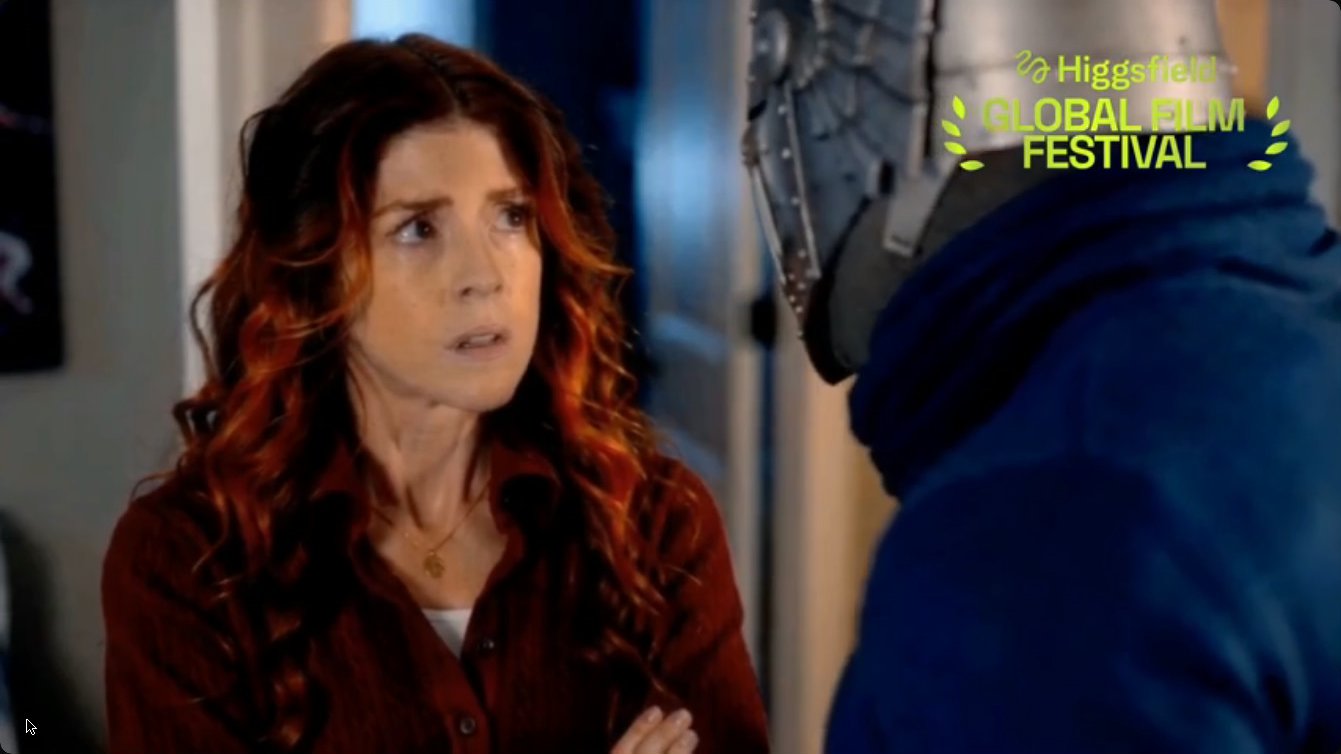
The monologue widens, and it is where the film stops being about a sentence and becomes about time itself. His son will grow. His voice will change. He’ll get taller, may marry, may have children — “I could become a grandfather and never know it.” And Hannah: “You’ll keep living. You’ll wake up. You’ll open the curtains. You’ll laugh again. At least I hope you do… The whole world becoming tomorrow, while I’m trapped in yesterday.” The cruelty of the punishment is not pain, and it is not death. It is exclusion from the future — to be the one still point in a life that keeps moving, loved by people who will, rightly, laugh again.
“Turn Around. Take Me Home.”
The last days play as a mostly silent montage — the family together at sunset in a field, holding the ordinary at arm’s length as long as they can — and then Oscar drives his brother to the facility, and the discipline cracks, as it should: “Oscar. Turn around. Take me home. Please. Oscar, I don’t want to go.” “I’m sorry.” “Everybody’s sorry.” At the facility he is told to remove his jacket and his personal belongings, and Oscar asks the question the institution has no answer for: “That’s where you’re putting him? For the rest of his life?” A chamber door opens. “Mr. Wylder, it’s time.”
Twenty Minutes
He is given twenty final conscious minutes, and the film spends them the way he would: on other people. “Ten-minute mark.” “Already? That didn’t feel like 10 minutes.” “It’s going too fast.” He charges Oscar with the life he is leaving: check on Hannah and his son every day; be there for his boy; and — the line that tells you these brothers finished the first film’s work — “Don’t try replacing me.” “Never.” The sedation begins; he will gradually grow tired, and he will not be in pain. “It’s starting.” Then the farewell itself: “I love being your wife.” “I love being your husband, Penguin.” “Don’t forget me.” “Never.”
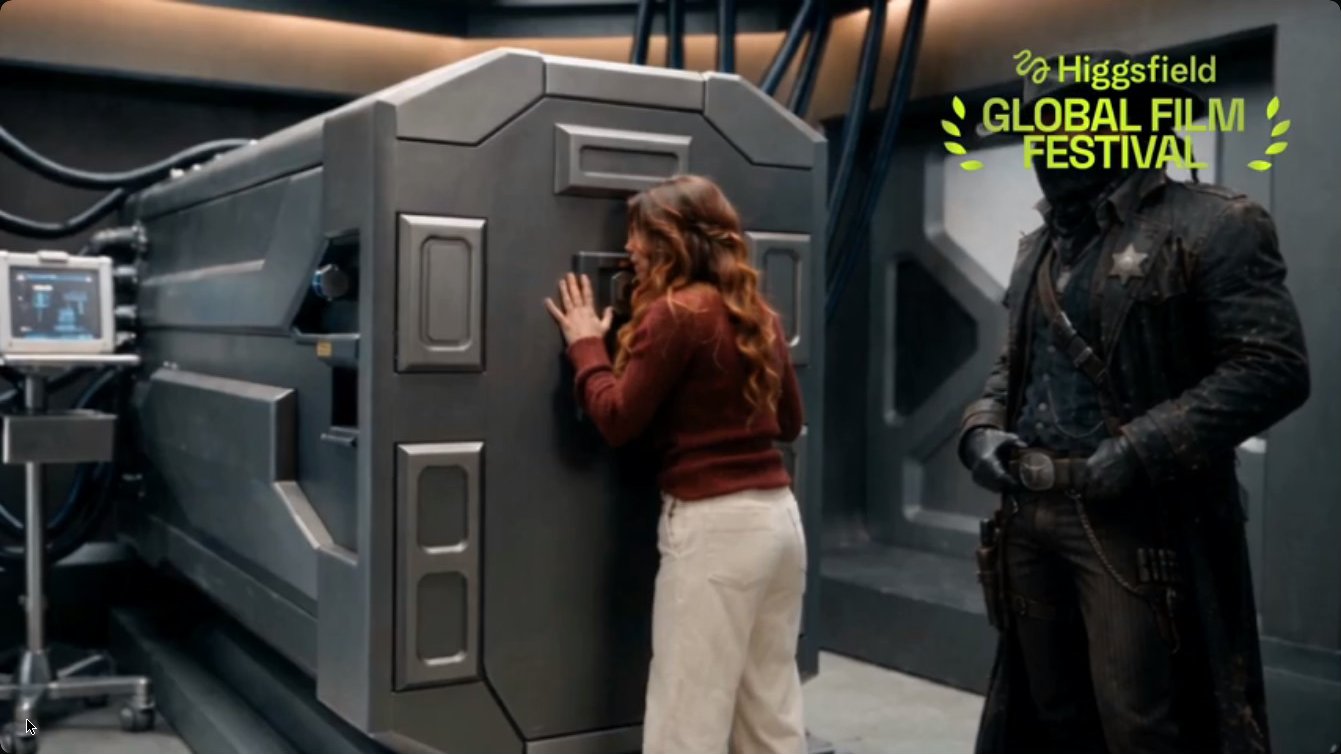
And outside the chamber, the grief lands where the film has been aiming it all along — not on the man asleep, who is past hearing it, but on the two people still awake: “You left him in there. I should have done something.” “We did everything… He’s still in there! He was talking to us. Twenty minutes ago, my brother was talking to me.” That is the sentence the whole film was written to deliver, and it delivers it.
The Corridor
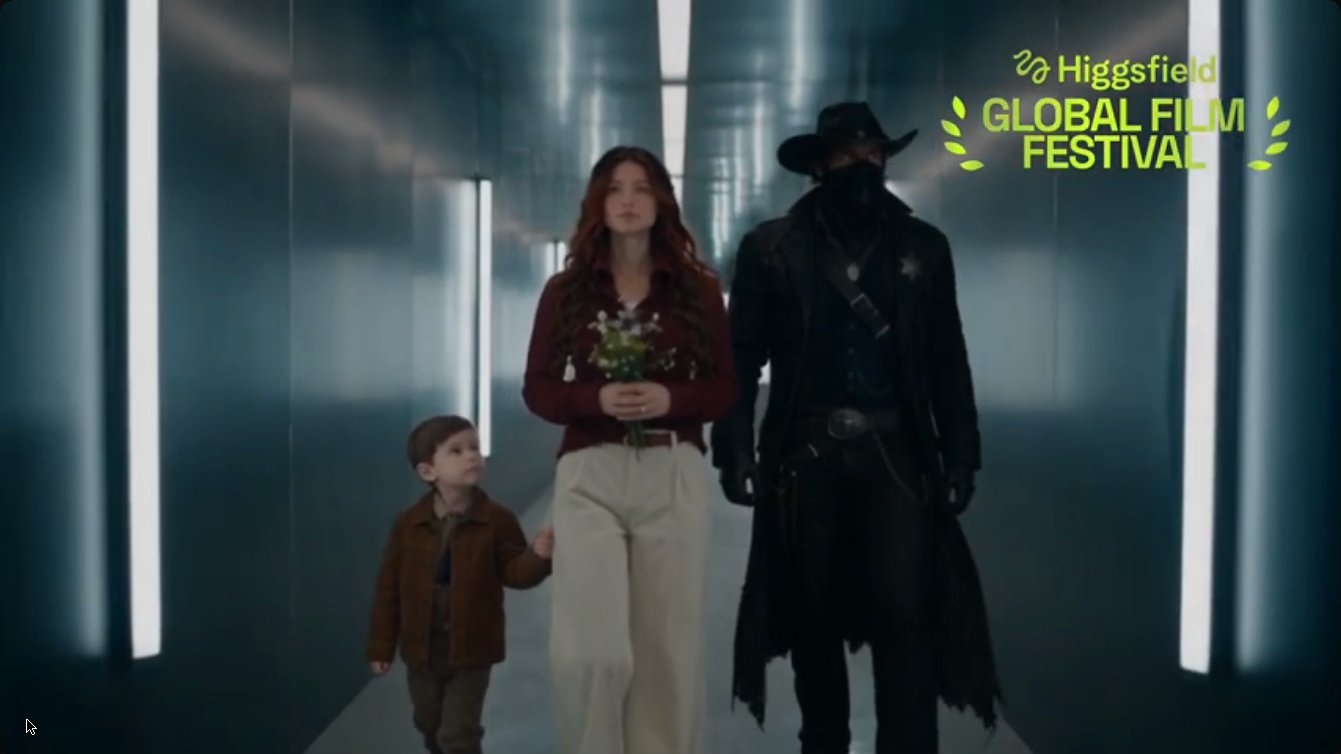
What follows is the film’s one unexplained image, and I want to be careful with it: what I am about to say is my reading, not the film’s explanation — the film offers none. The closing sequence moves somewhere dream-like: Hannah, their young son, and a masked paladin in a cowboy hat and black coat walk down a glowing corridor, over voices greeting him across what sounds like a lifetime — “Hello, Wilder. Hi, darling. I’m old now. Hey, little brother.” I read it as the dream he is now inside, or as the life that will keep arriving at his door without him — the corridor outside the chamber, walked by everyone he loves, in a world that becomes tomorrow without asking him. Either way, the masked paladin is never identified, and the film is right to leave one image unaccounted for: it is the shape of everything he can no longer reach.
Where The Spell Breaks
The film’s most serious flaw is a specific one, and it sits in its most important scene: Wylder’s voice changes about three times during the interrogation. The man being condemned does not hold one voice across the hearing on which everything depends — the project’s own commenters noticed it too — and it costs the sequence some of the authority it has otherwise earned. Faces shift between cuts, Hannah’s and the son’s included. There are smaller tells: an on-screen clock reads 2:40 while the dialogue calls it almost two in the morning, and the subtitles garble “Vesper Core” into “Vesser Corps.” And I will name the last one plainly, because it is reuse and should be called reuse: after the corridor, the film holds on the red-crystal paladin battle image — the identical frame that ended the first film. The farewell had already ended this film better. Why the meter still reads Mostly clean: because set against those seams is a film whose craft otherwise serves its story with unusual control — the near-silence of the final-days montage, the patience of the long takes at the kitchen table, the refusal to decorate grief. The flaws are real. They are also specific, in a film that gets almost everything else right.
Final Thoughts
Indefinite Sleep takes the rank its hero spent a whole film chasing and shows him exactly what it was worth — nothing, against one ordinary tomorrow.
Watch Wylder first; this film needs it, and rewards it. Then come to this one prepared: it is a quiet, devastating piece of work about the beauty of unremarkable days, made by a studio working at the top of its powers, and it honours its premise all the way to an ending with no awakening in it. It is a hard film to shake, and I mean that as the compliment it is.
Scene Breakdown
0:00–0:30 — The Directorate tower at sunset; the interview begins: “State your name and rank.” “Wylder, Master Paladin.”
~0:30–3:00 — The interrogation: the order at 11:17, the burning transport at 12:06, the Core taken at 12:14, three hours and forty-one minutes outside custody. “I wasn’t leaving 12 people to burn.”
~3:00–4:30 — The sentence spelled out: the sealed chamber, permanent sedation, five weeks to report. “Your fate was sealed the moment you left it.”
~4:30–5:15 — At home: appeals exhausted, flight impossible, everything offered. The sentence document on the kitchen table.
5:15–6:10 — Best Scene: the 2 a.m. argument — “I don’t want remaining time. I want a life.”
~6:15–7:30 — “Trapped in yesterday”: the son who will grow up, the wife who will laugh again.
~7:30–8:45 — The final days in near-silence; the drive. “Oscar. Turn around. Take me home. Please.”
~8:45–9:30 — The facility: belongings removed, the chamber door opened. “Mr. Wylder, it’s time.”
~9:30–10:45 — The final twenty minutes: the ten-minute mark, the charge to Oscar — “Don’t try replacing me.” “Never.”
~10:45–11:10 — The farewell: “Don’t forget me.” “Never.” Then the grief outside the chamber.
~11:10–12:09 — The corridor: Hannah, their son, and the masked paladin, over voices across a lifetime — and the held battle image.
~0:30–3:00 — Wylder’s voice changes about three times across the interrogation — a flaw a viewer in the project’s comments also caught.
~5:45 — The on-screen clock reads 2:40 while the dialogue says it is almost two in the morning.
~11:10–12:09 — The closing battle image is the identical frame used to end the first film — reuse, not a new shot.
Throughout — Faces shift between cuts — Wylder’s helmeted face, Hannah, their son — and the subtitles garble names: “Vesper Core” becomes “Vesser Corps” and “Vesacore”, “Paladin” becomes “Pallidin”.
Made by Paladin Studios with Higgsfield Cinema Studio (generation led by Seedance 2.0). The sequel to Wylder – His Last Paladin Honor — the two films belong together.
There are no reviews yet. Be the first one to write one.