
 Ahmed Ferhi

Score breakdown
195 views
Film Review
This review discusses the ending. If you would rather watch the film first, we recommend you do, and then come back.
The Journal Behind The Books
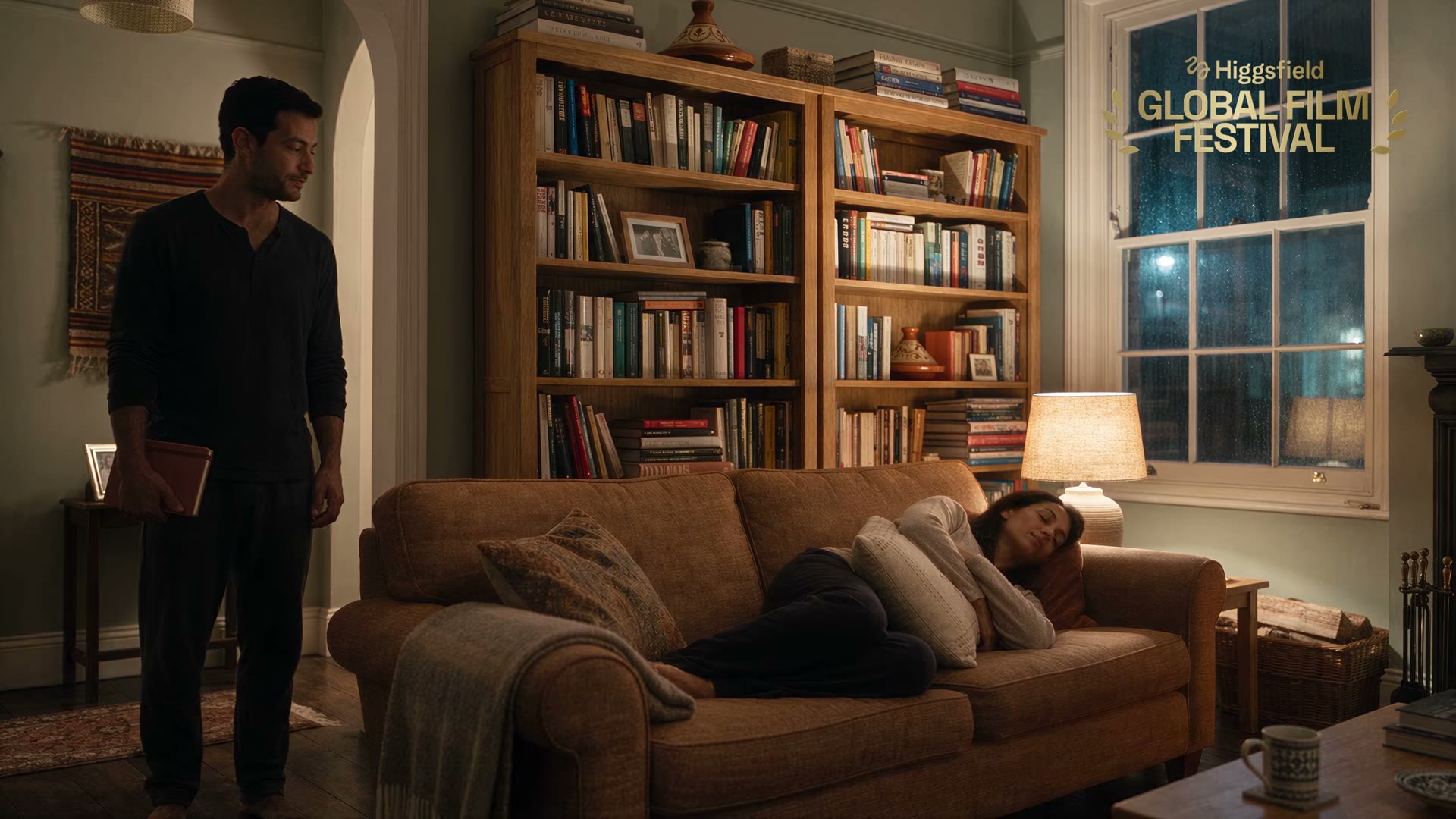
The opening is the whole method in miniature. Rain at the window, a fire lit, and Adam crossing the living room with a pink journal in his hand — found behind the books, given back unread. “I didn’t read it,” he says, and means it as a promise kept. Sarah’s answer tells you what kind of evening this will be: “Are you sure you want to go back there?” They go back. She turns the pages and chooses the entries, and each page the camera rests on becomes a room the film steps into. It is a well-worn device, the diary that remembers, but it is used with discipline here — every memory is one Sarah has written down, which means every memory is the marriage as she recorded it, and the film never cheats that rule.
The Sound Through The Door
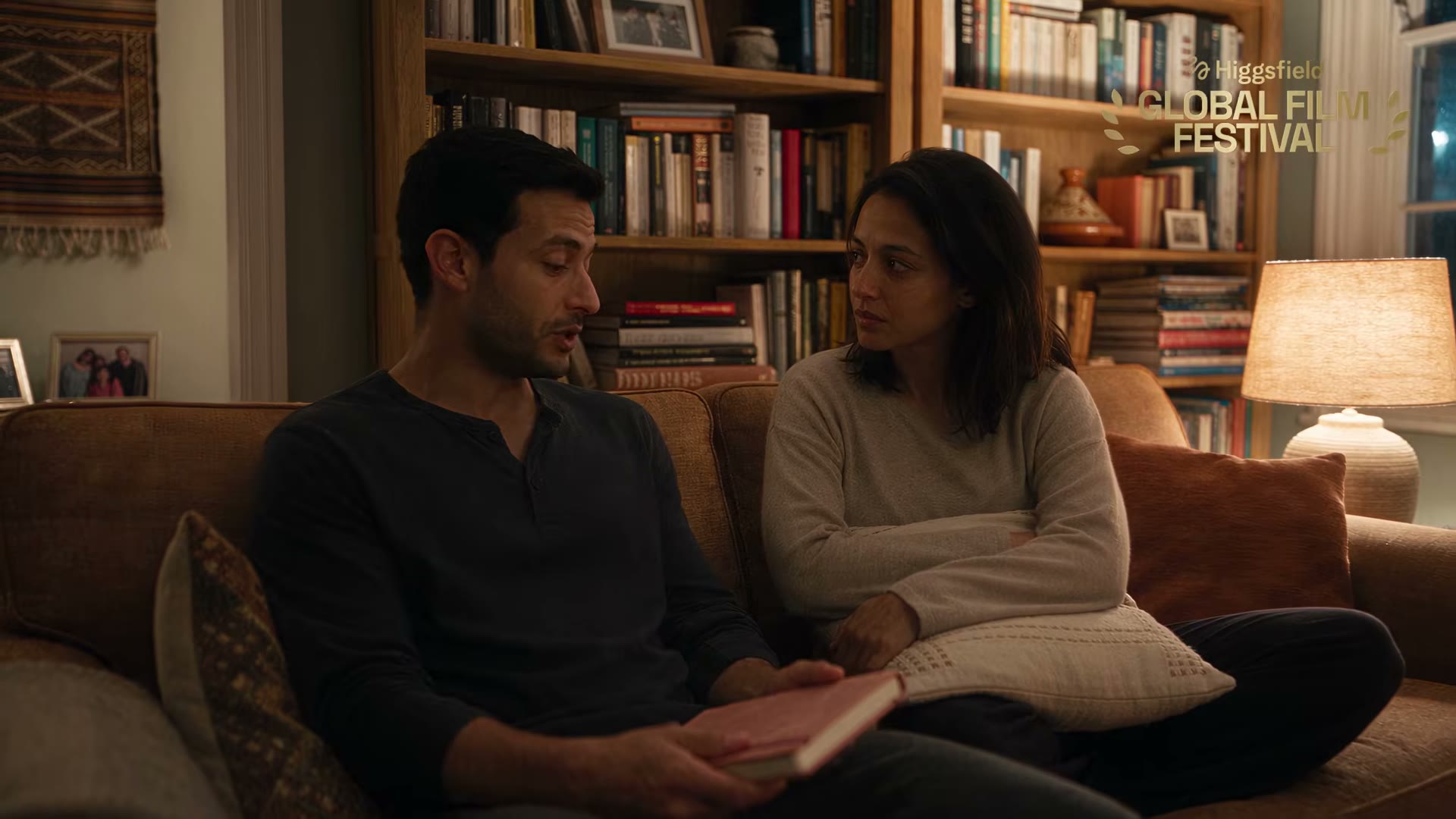
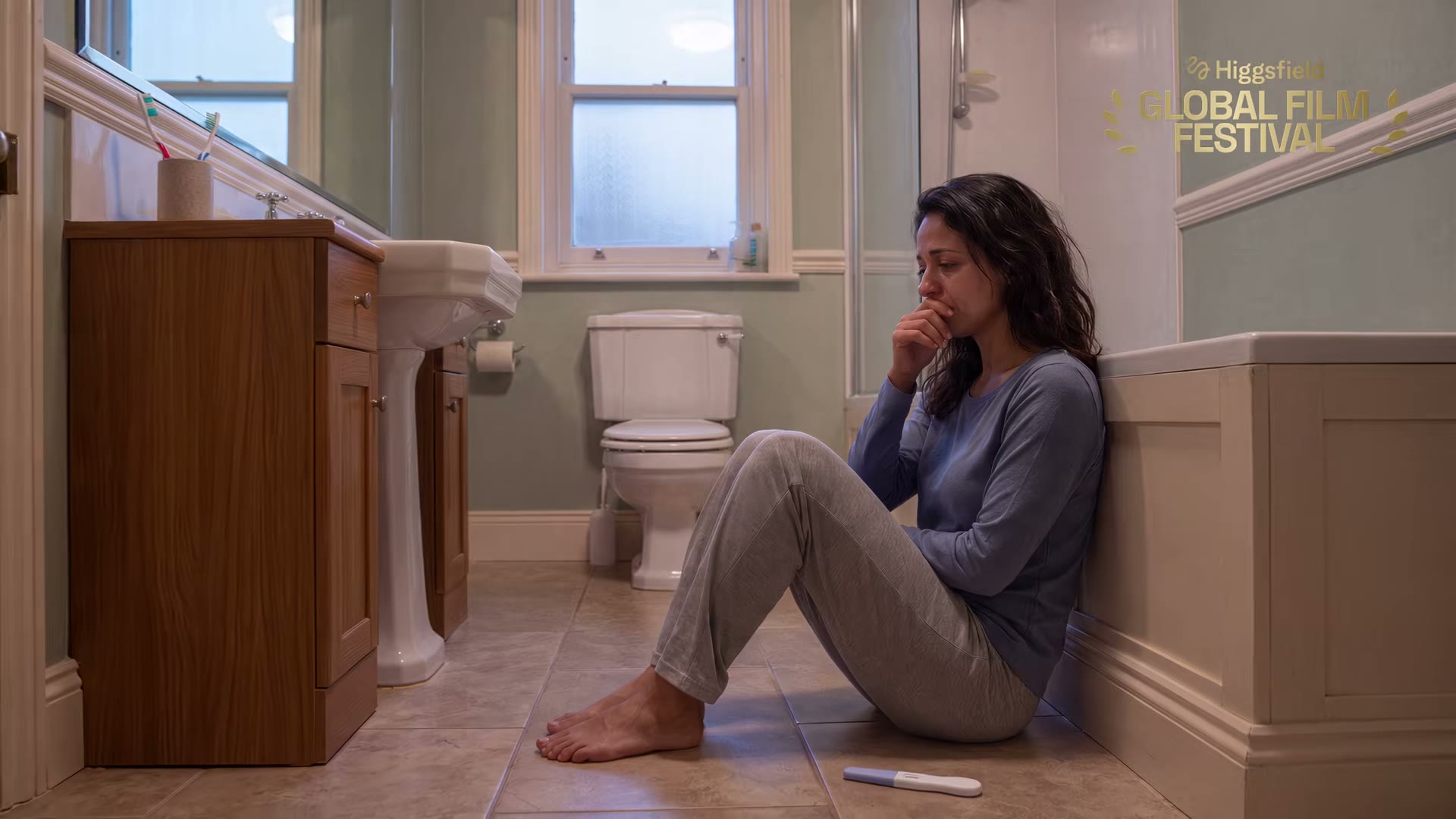
The first entry is the hardest to sit with, deliberately. A grey dawn: Sarah slips out of bed and into the bathroom with a pregnancy test, and the film stays with the ritual of it — the closed door, the tiled floor, the test laid down beside her while she cries against the bath. Outside, Adam waits in the hallway. “I still hear it,” he says on the sofa, years later, and the film makes you hear it too: her crying carries through the door while he stands there, useless and listening. When she comes out, he holds her face and gives her the speech he has clearly given before — no pressure, he is fine, he is happy with the way they are. It is kindly meant and she knows it, which is the problem. Back on the sofa she names it, in the film’s best line: “It hurts more when you pretend you’re fine.”
What His Mother Said
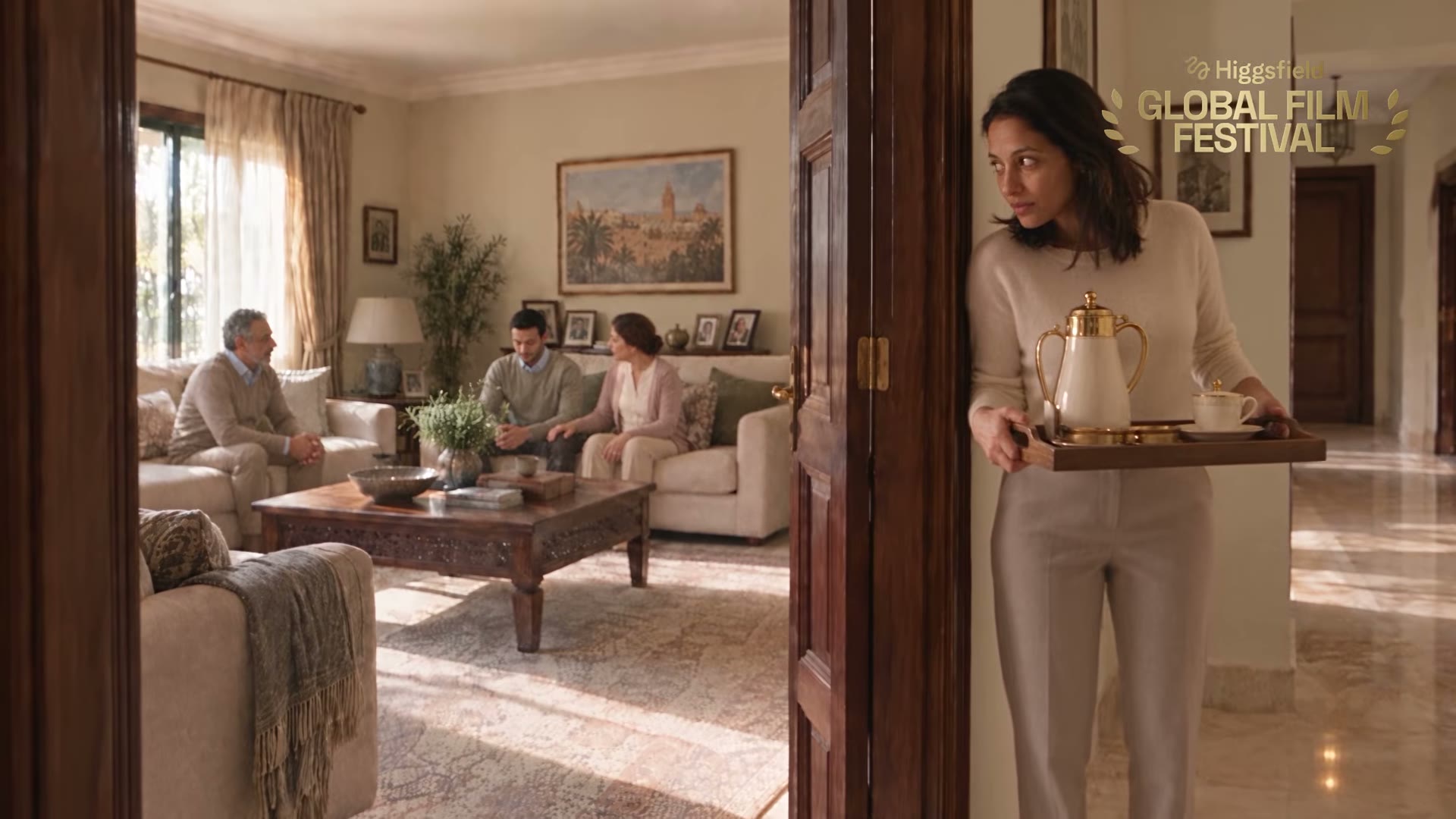
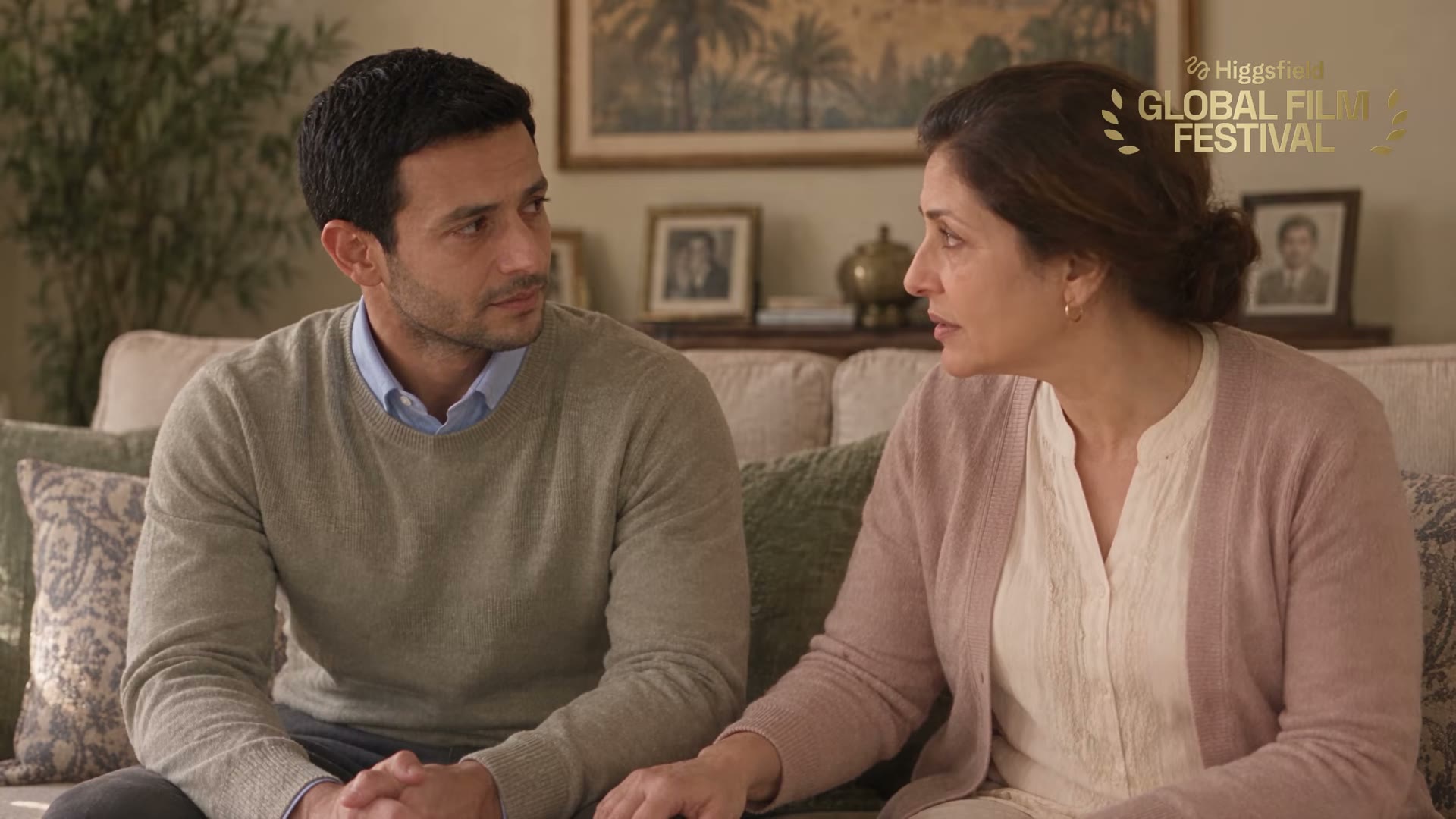
The entry that hurt the most belongs to his mother. Daylight, a formal front room, framed photographs watching from the sideboard: she is getting old, she says, and her only wish is to see his children running around the house before she is gone. Five years is long enough. Perhaps Sarah cannot give him the life he wants. He is still young — he could let her go, start again, build another life, have children. She says it gently, hand on his, the way real damage is usually done. And the film’s finest shot arrives quietly inside it: Sarah, in the doorway, hearing every word — unseen by either of them. Adam’s answer, when it comes, is the film’s hinge. The doctor said it is him. He is the one who cannot have children. Not Sarah. His mother’s face closes around it, and the memory ends with Sarah on the hallway floor, holding her own head.
The Lie That Was A Shield
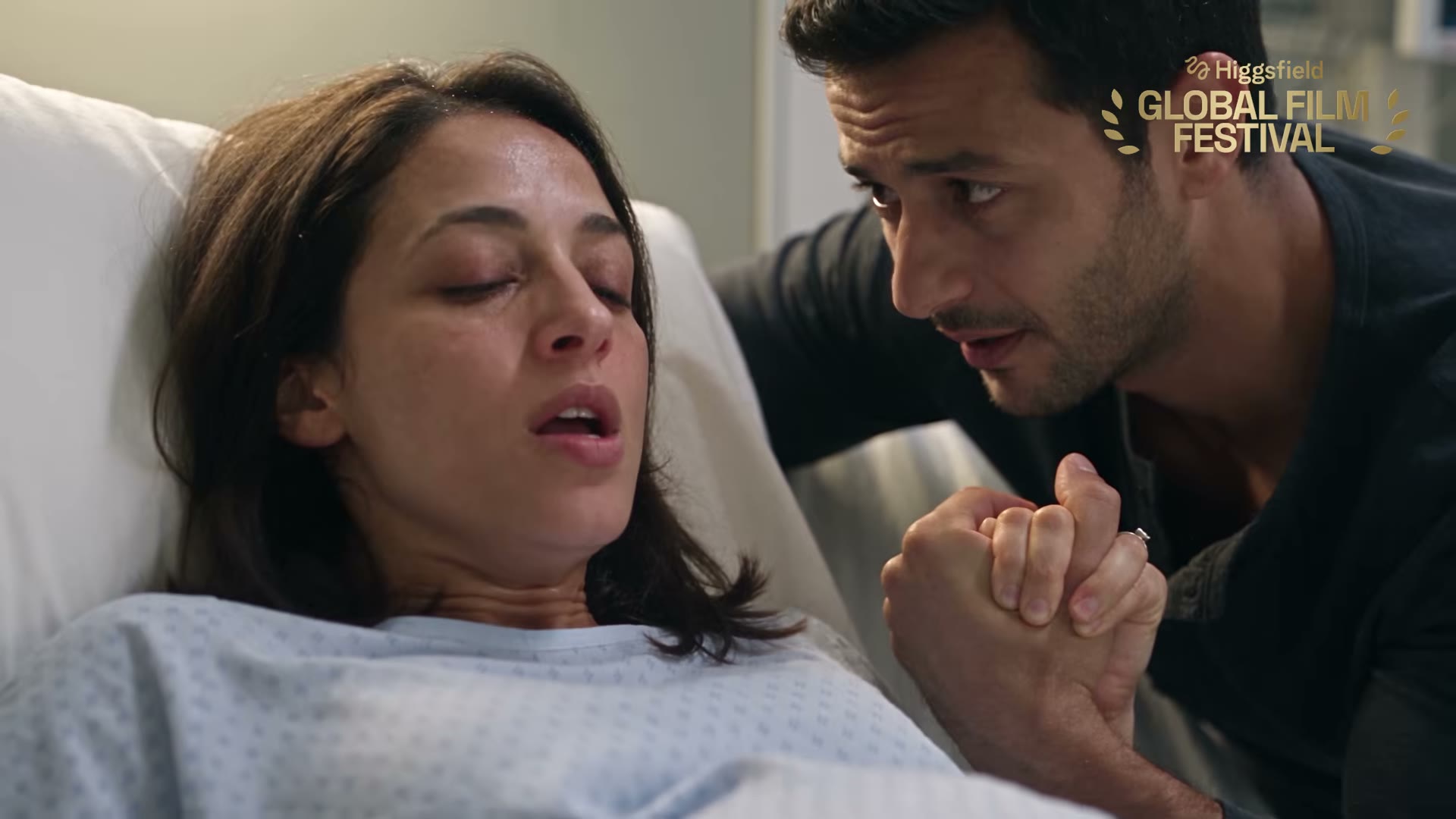
It was a lie — and the film trusts us to sit with that rather than applaud it too quickly. On the sofa, in the present, Sarah asks him plainly why he lied to them, when they both knew it wasn’t true. The childlessness was hers; the diagnosis was hers; and rather than let his mother’s suspicion settle on his wife, he took the blame onto himself, in her own house, and let the matter end. His defence is a vow rather than an argument — whatever it takes, by her side, until his last breath — and if the words tip toward the greeting-card, the performances pull them back. Then Sarah asks for one more page, a good one to end on. It holds almost nothing: a date, the 14th of January, and a small drawn smiley face. Exactly nine months ago, she says. Guess. I won’t spoil the arithmetic of that date here beyond what the spoiler warning already allows: the memory it opens is a labour ward, a held hand, a first cry — and a photograph, pasted into the journal, of a daughter named Hope. For the film’s last shot, Adam takes up a pen and finishes the page his wife could only sign with a smile, writing the words the whole film has been spelling: me, you, Hope.
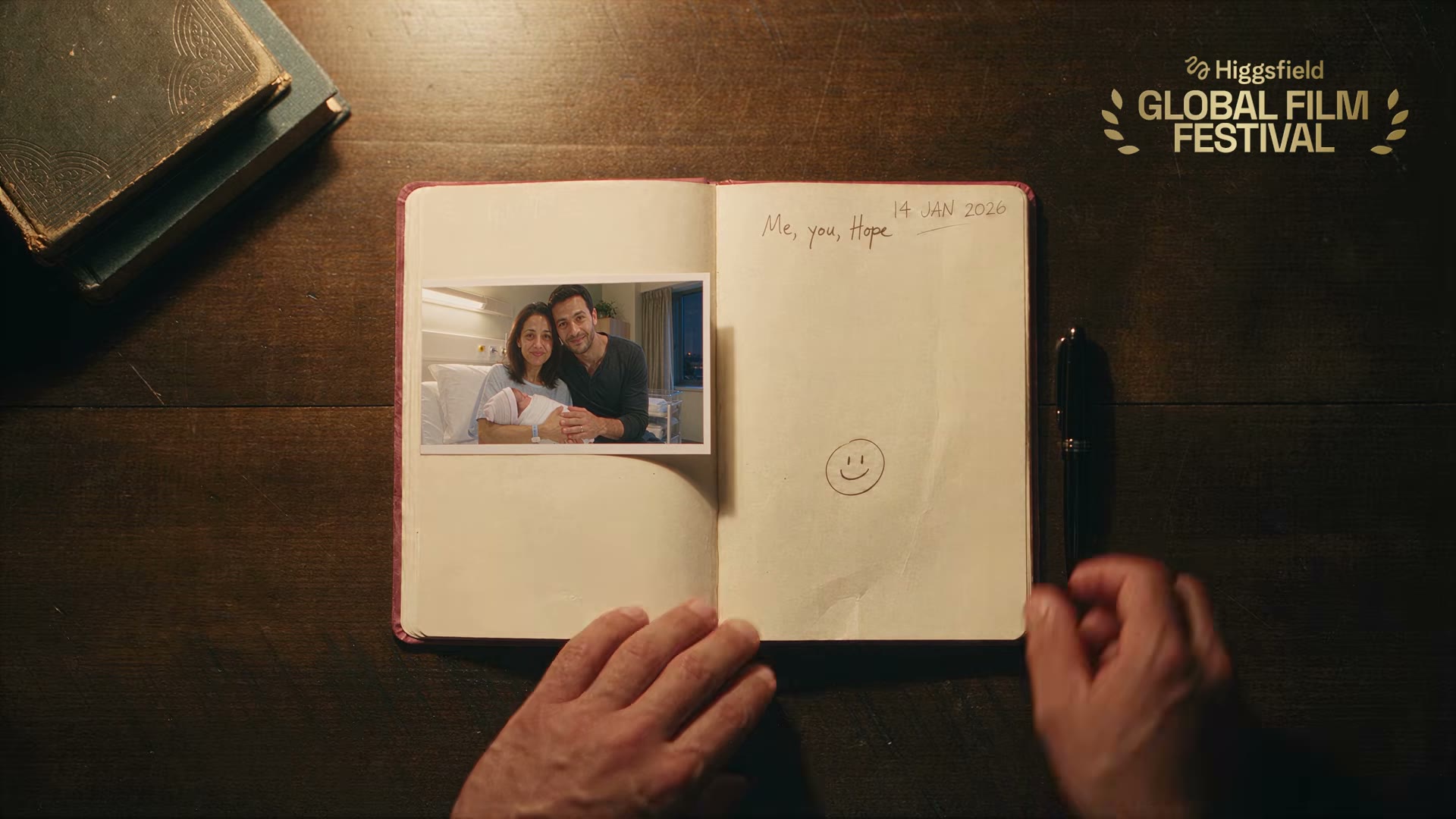
An honest word about that ending: the film grants its couple the resolution that real life, as Sarah’s journal testifies for five years, so often withholds — and some viewers who know this road will feel the wish-fulfilment of it keenly, one way or the other. I count it in the film’s favour that nothing about the joy is used to erase the years before it; the journal keeps those pages too, and so does the film. Where it is weaker is pace. The present-day passages lean hard on tears as punctuation — there are long, dialogue-free stretches of sobbing (around 1:17–1:51 and 2:47–3:29) that repeat an emotion the actors have already conveyed, and a firmer edit would have trusted the faces sooner. The mother’s change of heart, too, happens off the page: we never see her meet the granddaughter her words nearly prevented. These are real deductions, and the score reflects them.
Best Scene (4:18)
The doorway
Sarah stands in the doorway of her mother-in-law’s house, hand pressed to her mouth, while behind her — small, blurred, unaware she is in the room at all — her husband sits on the sofa being advised to leave her. Every thread of the film runs through this frame: what she hears, what he will do about it, and what it will cost them both. It needs no dialogue, and gets none.
Final Thoughts
Me You and I takes the most familiar materials in melodrama — a diary, a diagnosis, a mother-in-law — and handles them with enough honesty, craft and restraint that they come out feeling true. Its two performances are the most consistent I have seen in an AI drama of this length: the same two faces, unchanged, through dawn bathrooms, lamplit arguments and a labour ward, with tears that sit on skin the way tears do. The writing gives Adam a lie worth arguing about and Sarah the line that answers it, and the journal device pays its own title off at the end. At under eight minutes it still finds time to dawdle in its middle — but when it matters, it does not flinch.
Scene Breakdown
0:00–0:36 — The journal found. Rain, firelight, and a pink journal from behind the books — handed back unread, and opened anyway.
0:36–2:30 — The sound through the door. A dawn pregnancy test, a bathroom floor, a husband waiting in the hall — and his promise that he is happy with the way they are.
2:30–3:38 — The sofa, honestly. “It hurts more when you pretend you’re fine” — and Sarah turns to the entry that hurt her the most.
3:38–4:57 — What his mother said. Five years, no grandchildren, and a gentle suggestion that Sarah be let go — overheard from a doorway, and answered with a claim: the doctor said it’s me.
4:57–5:57 — The truth between them. She calls the lie by its name; he answers with a vow — whatever it takes, until his last breath.
5:58–7:30 — One more page. A date and a smiley from exactly nine months ago; a labour ward; a daughter named Hope; and a husband’s pen finishing the journal’s last page — me, you, Hope.
0:36, 5:30 — The journal’s handwriting. Where a page fills with writing, the cursive settles into flowing script-texture that never resolves into readable words. It is the film’s one recurring seam — and a telling place for it, in a film built out of a written journal. The page the camera truly lingers on, the last one, is lettered perfectly (“Me, you, Hope”, 7:29), which only makes the texture-pages easier to spot.
Throughout (the good news) — No face drift anywhere: Adam and Sarah are recognisably themselves across five settings, two time periods and every lighting change the film attempts, and the mother holds across her scene. Tears sit naturally on skin (1:24, 3:00); the hands hold up under close-ups — the journal, the held hand in labour (6:47), and a pen that genuinely forms words (7:23). The only other texts in frame — the photograph’s caption naming Hope — are clean.
A note on this copy, not the film — The YouTube upload is the festival submission version: the Higgsfield Global Film Festival mark sits in the top corner throughout, and after the film ends at 7:30 the upload runs festival cards and a few seconds of an unrelated teaser. None of that belongs to the film, and none of it is counted in its score.
There are no reviews yet. Be the first one to write one.