

Download Free Original Music Songs from the films
Scores & Rankings
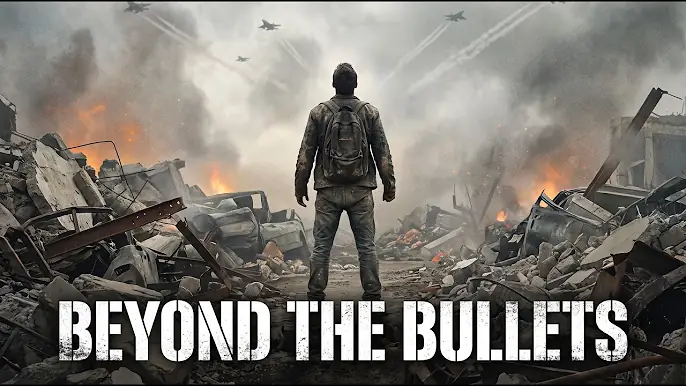
Beyond The Bullets Directed by Mohamed Khan
Find this film in
Score breakdown
- Storytelling & Structure ×28
- Emotional Connection ×29
- AI Tool Management ×29
- Visual Craft10
- Screenplay10
- Sound Design9
- Originality10
- Technical Polish9
- Rewatch Value9
×2 = core category, counts double.
Directed by Mohamed Khan
Watch on Higgsfield | Watch on YouTube
Film Review
Written by Kineograph
A quiet, powerful drama that asks us to look past the headlines and see the people living inside them.
No music. No faces. Yet by the end, you will be fooling yourself into thinking it has music, and that you just watched a normal, face-filled film.
Synopsis
Beyond the Bullets is an anti-war drama about how the ambitions of a few can destroy the lives of ordinary people who never chose the fight. Told through generations of loss and memory, it asks one question: why must innocent people pay the price for wars they never started?
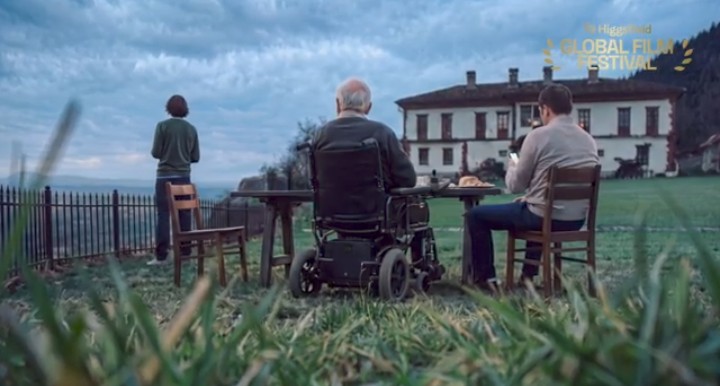
The film moves between two worlds. In one, a grandfather, his son, and his grandson sit above a beautiful city, drinking tea and talking about what war really costs. In the other, we are on the ground, among families who are running, hiding, waiting in line for food, and trying to survive another night.

The Review
A Film About People, Not Sides
What stands out most about Beyond the Bullets is what it chooses not to do. It does not ask us to pick a side, and it does not turn its story into an argument about who is right or wrong. Instead, it asks something much simpler and much harder: can we see each other as human beings?
Every frame is about the person at the center of it. A mother, a son, two men sharing a canoe on a still lake, a stranger standing in a food line holding an empty plate. These are not symbols. They are people, with families and memories and hopes, who are caught in the path of choices made by a very small number of others. That is the heart of the film, and it never loses sight of it.
A Film With Its Hands Tied Behind Its Back
When I first heard about this film, the director said something that caught my attention immediately: the film does not show faces, and it uses no music. That is like asking a filmmaker to make a movie with their hands tied behind their back. Faces and music are two of the most powerful tools a filmmaker has for making an audience feel something. To willingly give up both takes confidence, and it takes a real belief in the story. That kind of thinking outside the box was all I needed to get in line and watch it.
I am glad I did. There is no music whatsoever, and yet I can honestly say it felt like there was. Somewhere along the way I had to remind myself that there was none at all. What I was feeling was ambience and pure sound effects: the wind, the dust, the distant planes, the explosions, the silence between them. The sound design carries so much emotion that the mind fills in a score on its own. That is a remarkable thing to pull off.
The choice to never show a face is just as masterful, and just as beautiful. It tells us this is not a film about any one person. It is about all people, on either side of a war. When we cannot see a face, we cannot decide who someone is, where they come from, or whose side they are on. They become every mother, every son, every grandfather, every person who has ever been caught in the middle. In that way, the missing faces become the film’s strongest message: they could be anyone, which means they could be us.
By the time the film ends, it is easy to forget what is missing. You feel as though you heard a full score and looked into the eyes of every character, and that is the highest compliment I can pay it.
A Beautiful Home and a Heavy Conversation
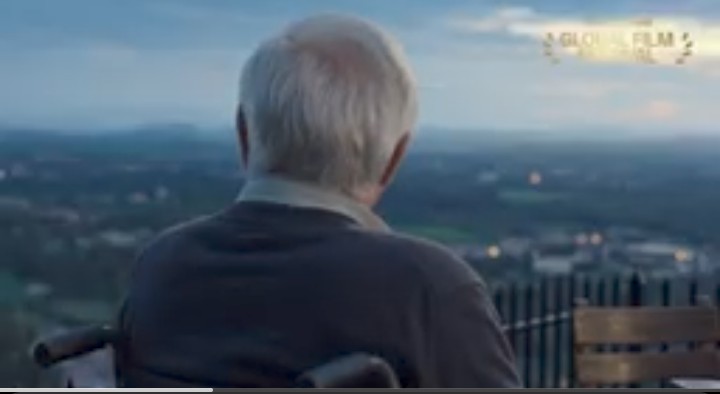
The film opens gently. The camera pans over a beautiful city, and we settle into a yard where an older man in a wheelchair sits with a younger man at the railing and another at the table. A reti style radio plays in the background. A pigeon lands on top of it, then flies away. The older man stirs his tea with a spoon, slowly, and rests his hand on the table.
It is a peaceful picture, and that peace is exactly what makes the rest of the film hit so hard. As the film unfolds, we come to understand why he sits in that chair: he lost his left leg when he was shot by the chief, and the film closes on a final shot of his prosthetic leg. He is not speaking from theory. He is speaking from a life lived through it. Even the quiet canoe scene carries that weight, since the man paddling beside him has lost his left hand. He is the same man we saw in the food line, holding a piece of bread when someone took it right out of his hand. Seeing him years later, carrying that loss, is a quiet link between the film’s two time periods. When the grandson suggests that war might be useful for putting fear into an enemy, the grandfather answers that an unjust war cannot be justified, and that a person must have a heart.
The son speaks of the pain of losing his own mother, and the grandfather replies with a line that quietly holds the whole film together: “Don’t you think they have mothers too?” It is not an accusation. It is an invitation to remember that the people on the other side of any conflict are somebody’s child.
What We Hear, and What We Do Not Need to See
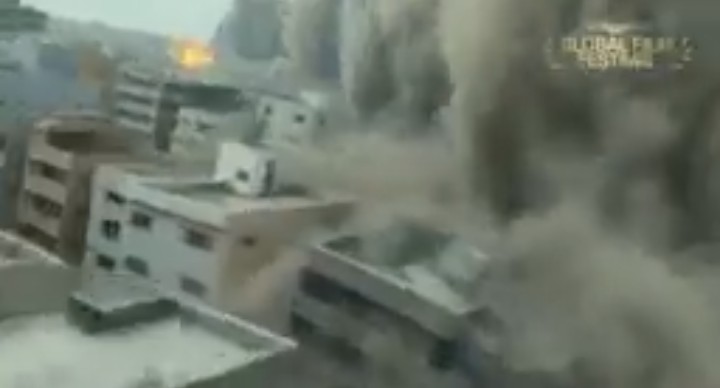
One of the most thoughtful choices in the film comes during the attack on the city. We see people running through the streets, dust rising, fire flashing, and we hear gunfire and explosions all around. But the film lets sound do much of the work. We do not watch people being hurt. We know they are, because we can hear it.
That restraint is respectful, and it is also more powerful. It trusts the audience to understand, and it treats suffering with dignity instead of using it for shock. The film shows exactly as much as it needs to and no more.
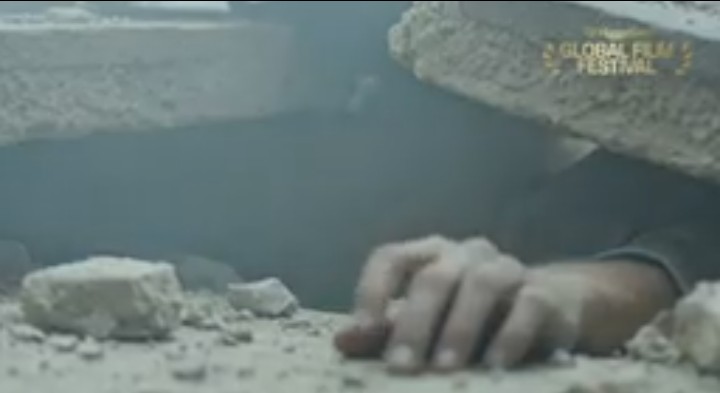
Then comes a small, devastating image: a single hand reaching out from beneath a slab of concrete, the fingers moving as if still trying to get free. Soon after, we hear a voice from inside an air pocket, calling out, “Help me… is anyone out there?” There is no speech and no music telling us how to feel. There is only a person asking whether anyone is listening.
Distance Between Decisions and Lives
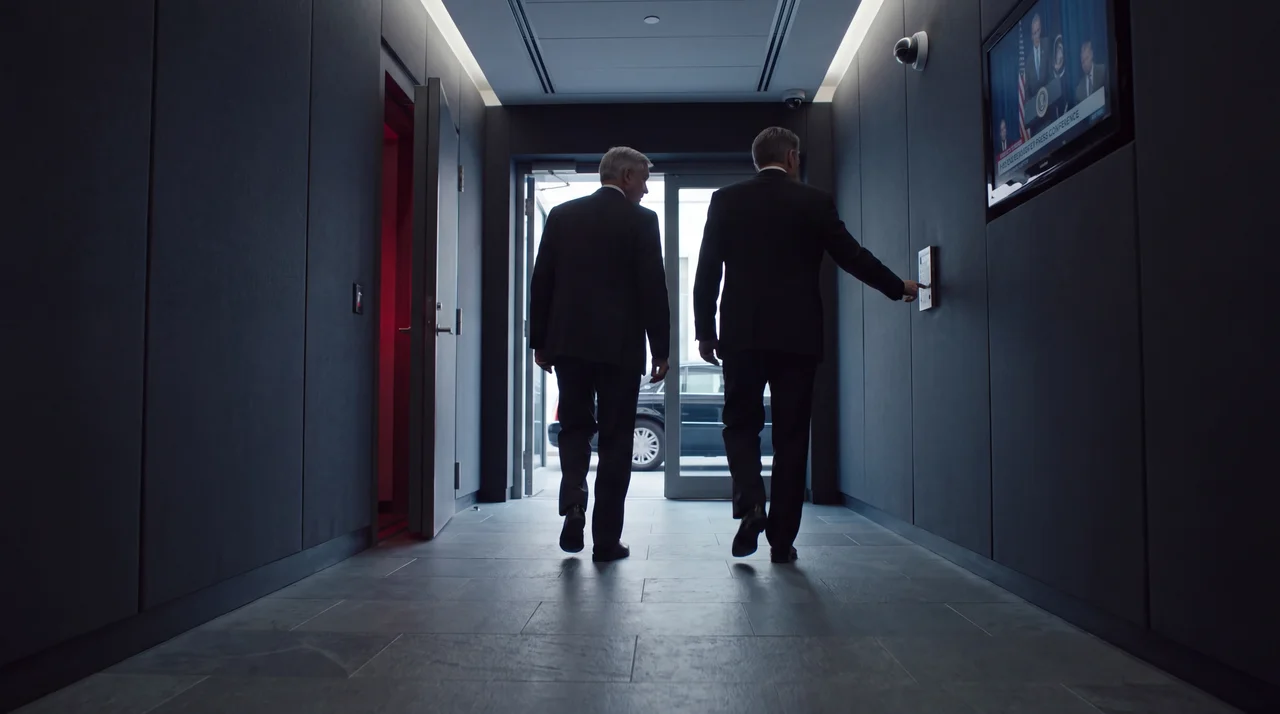
Across the film, we move between the people living through the events and the people deciding them. A young soldier, who we come to learn is the older man in his earlier years, tells the woman he loves that there will be no real fighting, that it is only meant to send a message. It is a promise that does not survive the film. A group of pilots jokes and makes bets before takeoff. In a quiet corridor, leaders speak about timelines and about how long the situation can continue.
The film does not need to say who is right. It simply shows how far apart these worlds are. In one, a decision is a line on a schedule. In the other, it is a family losing their home, a meal that is not enough, a night with no safe place to sleep. The people who carry the weight and the pain for the rest of their lives are the ones who had no say in any of it.

The Line Everything Builds To
The most powerful moment in the film comes when two men, exhausted from running, finally stop. One of them says that they cannot keep running for the rest of their lives, that having no money and no weapons does not mean they should have to die, and that he has lost his whole family. Then he asks the question that sits at the center of everything:
“Are we not human, don’t our lives matter?”
It is not shouted like a slogan. It is said by someone who is tired, grieving, and simply wants to be seen. That is why it lands the way it does. The question is not aimed at any one nation or leader. It is aimed at every one of us who watches, and it asks something very basic: when we look at a person we have never met, do we see someone just like us?
This is the greatest point the film can make, and it makes it plainly. Every person in that line for food, every person running through the dust, every person trapped beneath the rubble has a name, a family, and a future they were hoping for. Their lives matter. The film asks us to remember it.
Generations and Memory
It helps to know how the film is structured. The family above the city is the present, and the radio speech they listen to is the present-day command of a leader. The war scenes are memories of the past. Only one moment from the present reaches into the war footage: the two soldiers walking toward a jet at the airfield, in parallel with that latest command. The result is a quiet, unsettling echo. What the grandfather lived through is being prepared again, right now, by a new generation of soldiers.
The scenes of the grandfather, his son, and his grandson give the film its emotional spine. Three generations sit together, and each one understands the story differently. The youngest speaks with the confidence of someone who has not yet lost much. The middle generation speaks with grief. The eldest speaks with the quiet wisdom of someone who has lived with what he has seen.
He tells them that soldiers who truly understood what they had done would turn away from the mirror in shame. It is a deeply human image, because it reminds us that behind every uniform is a conscience.
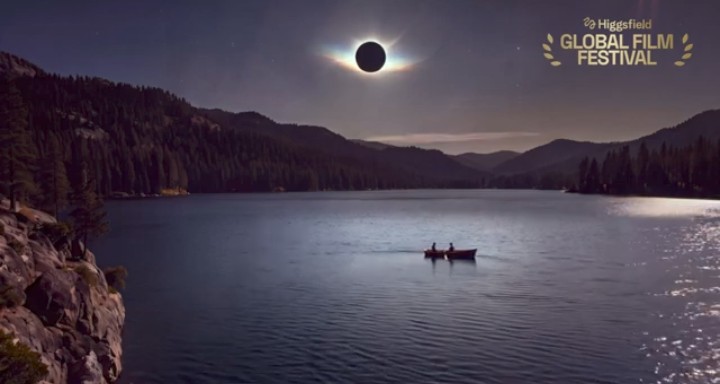
The scene of the eclipse when the son asks whether those responsible will ever answer for what they have done, the older man replies that perhaps not today, but no one escapes the consequences forever. It is said without anger, almost like a gentle truth he has learned to carry.
The image chosen for that moment is easy to miss, and it is one of the film’s most thoughtful. At the lake, an eclipse hides the sun and turns day into night just as the son asks whether the aggressors will ever be punished. An eclipse covers the light without destroying it, so the light is hidden, not gone. That fits the grandfather’s words perfectly: maybe not today, but no one escapes the consequences forever. The darkness also falls on everyone below equally, much like the choices of a few cast a shadow over many.
A Life Beyond Borders
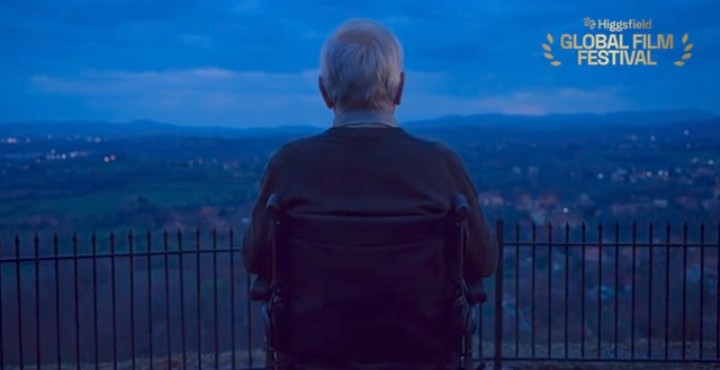
The film closes at night, with the older man alone in his yard, looking out over the city. Then he speaks the words that sum up everything we have seen:
“There’s a life beyond borders. Just like you and me, hoping for a better future. Think beyond the bullets.”
It is a gentle ending, and a generous one. He does not leave us with anger. He leaves us with an invitation to look past lines on a map and see the people who live on either side of them. They wake up, they love their families, they worry about tomorrow, and they hope for something better, exactly as we do.
The very last image is a quiet one: his prosthetic leg. After all the words, it says what words cannot. This is what a war leaves behind in a single life, carried every day, long after the sound has stopped.
Final Thoughts
Beyond the Bullets is a respectful, deeply human film that never shows a face and never plays a note of music, yet never shouts and is impossible to forget. It reminds us that behind every conflict are real people who are hurting because of the choices of a handful, and that the best response is not to turn away, but to care.
It asks us to ask the question its characters ask: are we not human, don’t our lives matter? And it answers it with compassion. Yes, we are. Yes, they do. All of them. Take the time to watch it, and then take the film’s final words with you: think beyond the bullets.
Scene Breakdown
0:00–0:14 — A beautiful view of the city below. A young man stands at the railing, an older man in an automatic wheelchair is nearby, and another man sits at a table in the yard of their home.
0:15–0:36 — The older man turns up an old-fashioned radio. The news reports the leader’s speech about a war, framed as a fight between good and evil, with the promise of protecting the innocent.
0:37–0:54 — A pigeon lands on the radio, then flies away. We see the older man’s hand stirring his tea, then resting on the table.
0:55–1:50 — Shots of an army airfield. Planes are loaded with weapons, trucks drive off, and soldiers prepare to deploy. Pilots place bets on who will destroy the most. The two soldiers walking toward a jet are from the present, in parallel with the leader’s latest command; the remaining war scenes are from the past.
1:51–2:31 — The older man and another man share a canoe on a lake and talk about a war from long ago. We see that the man on the lake has lost his left hand. He is the same man seen in the food line at 6:14–7:08, whose bread was taken from his hand.
2:32–3:24 — A city under attack. People run through the streets as bombs fall. The scene relies on sound, not images, to show the suffering.
3:25–3:39 — A hand reaches out from beneath a piece of concrete, its fingers moving. A trapped voice calls from an air pocket: “Help me… is anyone out there?”
3:40–4:39 — Back in the yard, the grandson suggests war can instill fear in an enemy. The grandfather says an unjust war is not justified. The son speaks of losing his mother, and the grandfather asks, “Don’t you think they have mothers too?” The conversation continues at the lake.
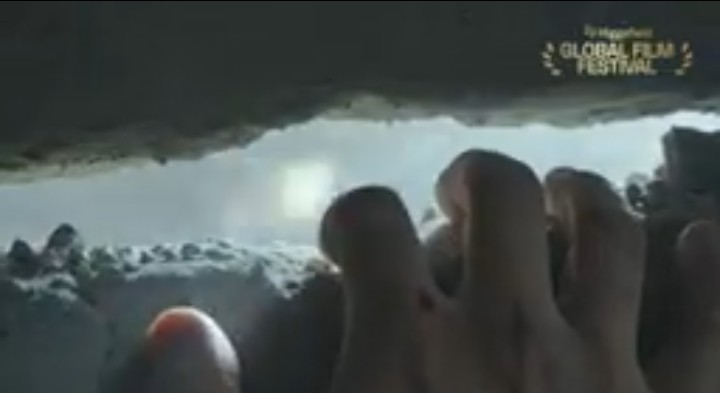
4:39–5:01 — Back in the city, we see the surface from the point of view of someone trapped under rubble, then more of the city: dust and people running for safety.
5:02–6:02 — A journalist questions the reasons for the war and is told that opposing it is treated as being against the state. Afterwards, two politicians speak privately about public support, and about talking of a ceasefire in six months.
6:14–7:08 — People in the attacked city line up with plates for food, and the desperation of hunger is felt in every moment of the scene. A man holds a piece of bread, and someone takes it from his hand. We will meet him again years later at the lake, missing his left hand.
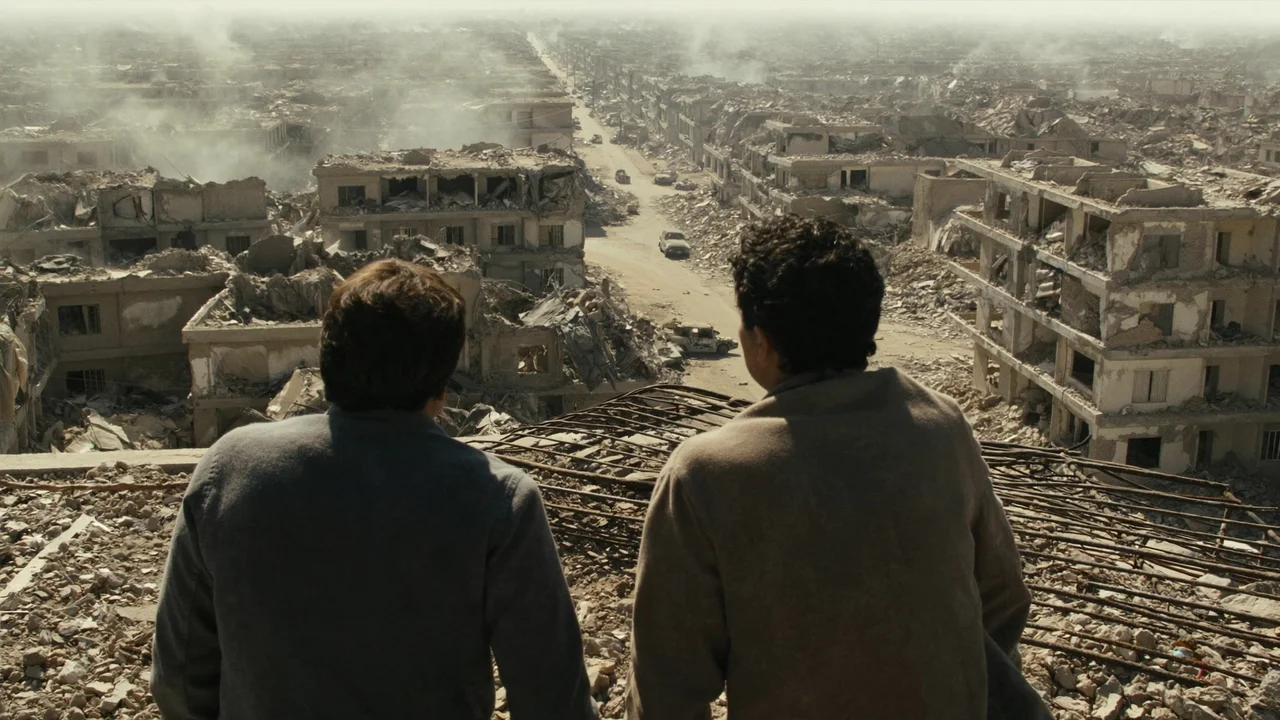
7:09–7:57 — Two men sit on what is left of a building overlooking the ruins. They wonder aloud whether they are slaves to the nations that attacked them, and say that leaders with a problem should settle it themselves, since innocent people should not pay for their choices.
7:58–8:25 — A soldier, the older man in his younger days, tells the woman he loves that troops are only being sent to frighten the other side, and that there will be no fighting. Then he leaves.
8:25–9:34 — Two men run through the streets as planes pass overhead and bombs fall. Many others run for safety.
9:35–10:10 — Exhausted, the two men stop. One asks how long they are supposed to keep running, and says that having no money or weapons does not mean they should have to die. He says he has lost his whole family.
10:11 — “Are we not human, don’t our lives matter?” The film’s most powerful moment.
10:37–10:53 — At the home, the older man tells his son and grandson that soldiers who understood what they had done would turn away from the mirror in shame.
10:54–11:05 — At the lake, the light of an eclipse makes it seem like night. The son asks whether the aggressors will ever be punished. The older man answers that perhaps not today, but no one escapes the consequences forever.
11:05–12:11 — An army camp. Soldiers prepare ammunition and a general orders an attack that night. When a soldier points out that the other side has not attacked, the general shoots him in the left leg and claims the other side did. This soldier is the older man, and this is how he lost his leg. No reason is needed when someone believes they hold the power to decide whose lives count.
12:19 — Night. The older man is alone, looking out over the city, and speaks the closing words: “There’s a life beyond borders. Just like you and me, hoping for a better future. Think beyond the bullets.” The final shot shows his prosthetic leg.
Reader Reviews
Beautiful Review💙
As the maker of this film, I feel so honoured to see such a great, detailed review. Noticing every little nuance of the film and writing the review with such precision and care, as if you made the entire movie yourself. This is so genuine, and it takes a heart to do such great work. This review will definitely be printed and framed by me. The way you dissected the film, your choice of words, and your interpretation of the film with such precision. I am amazed by your writing. I am not saying all this just because you liked my film. This is truly from the bottom of my heart. This means a lot, and you are really an incredible person with great potential. Thanks a ton, bro 💙😇
