
 Whispers From The Dark
Score breakdown
36.6K views
Colonial Gothic
Best Scene
Film Review
The longest and most ambitious film in this batch — a slow, beautiful, genuinely unsettling colonial Gothic that refuses every easy side. The Lost Mission is not really about a monster in a river. It is about what men bring with them into places that were never empty.
This review discusses the ending. If you would rather watch the film first, we recommend you do, and then come back.
“Not failed. Lost.”
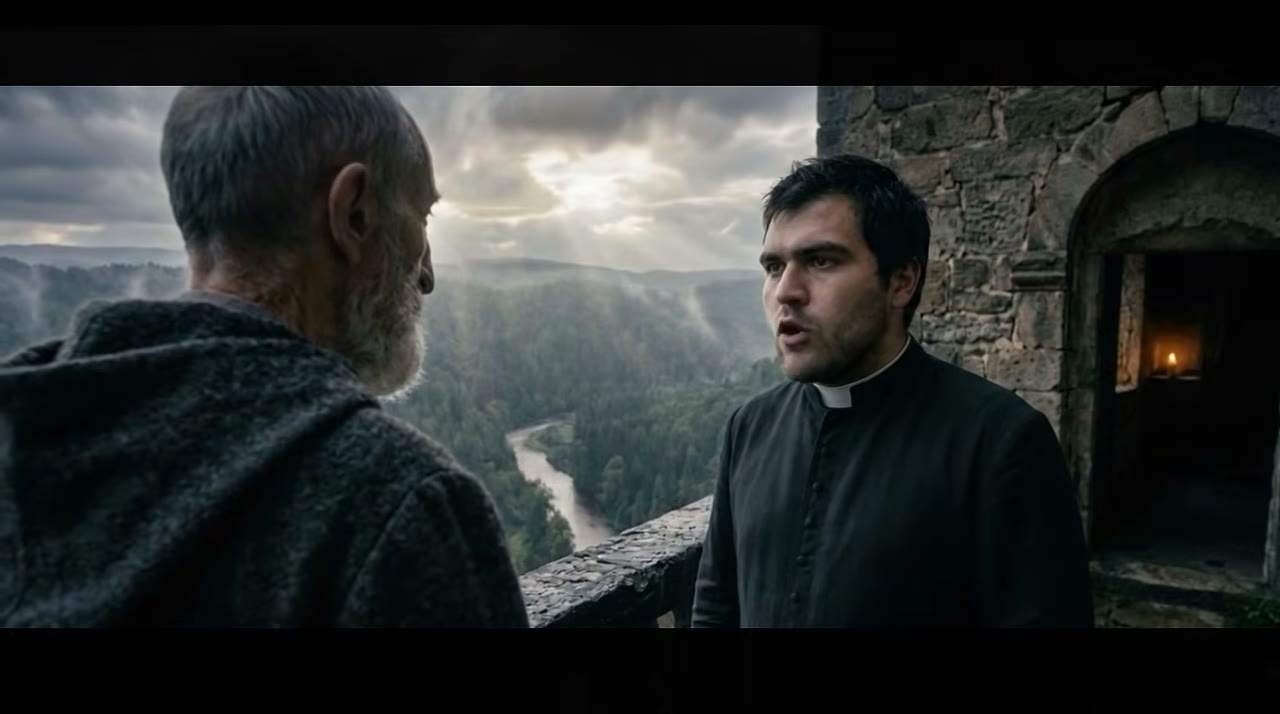
The film is a story inside a story. A young priest, Father Tomas, is preparing to lead a new mission into the Amazon when an old Father stops him with the record of the last one — the Mission of Saint Lazarus, 1899 — and a correction that becomes the film’s thesis: the mission was “not failed. Lost.” What follows is the buried account, and the frame gives every scene in it the weight of testimony.
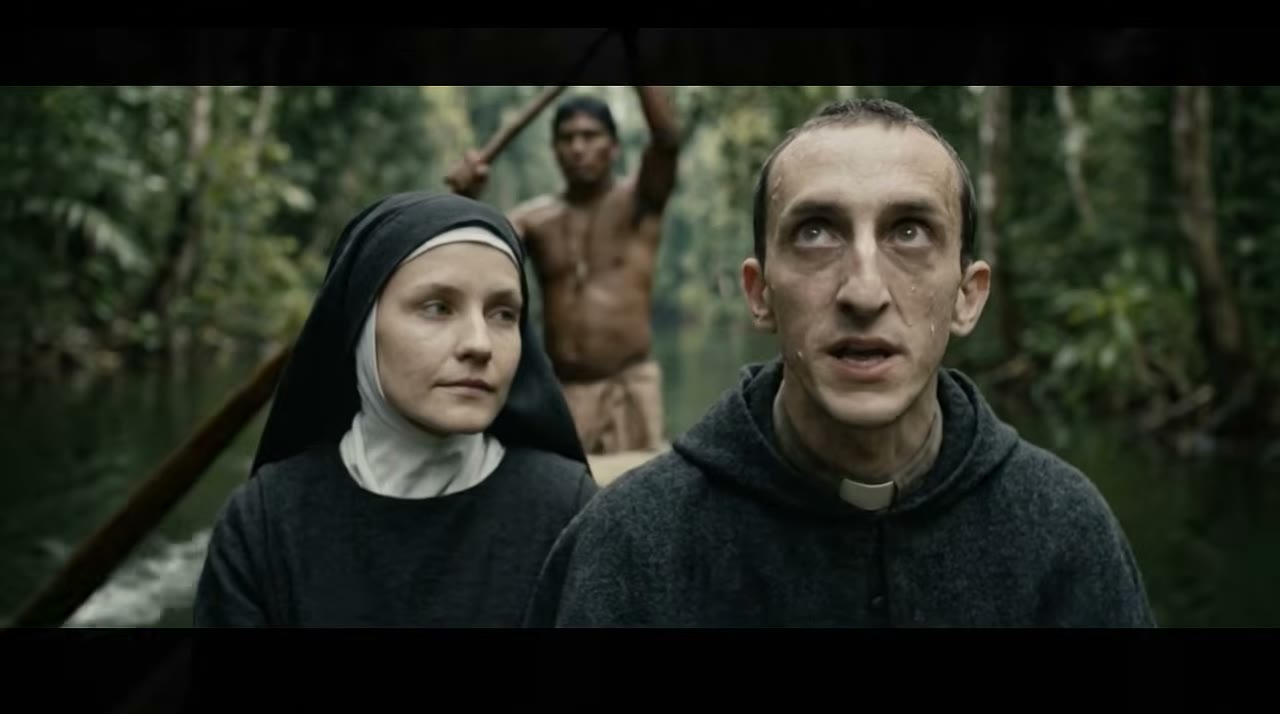
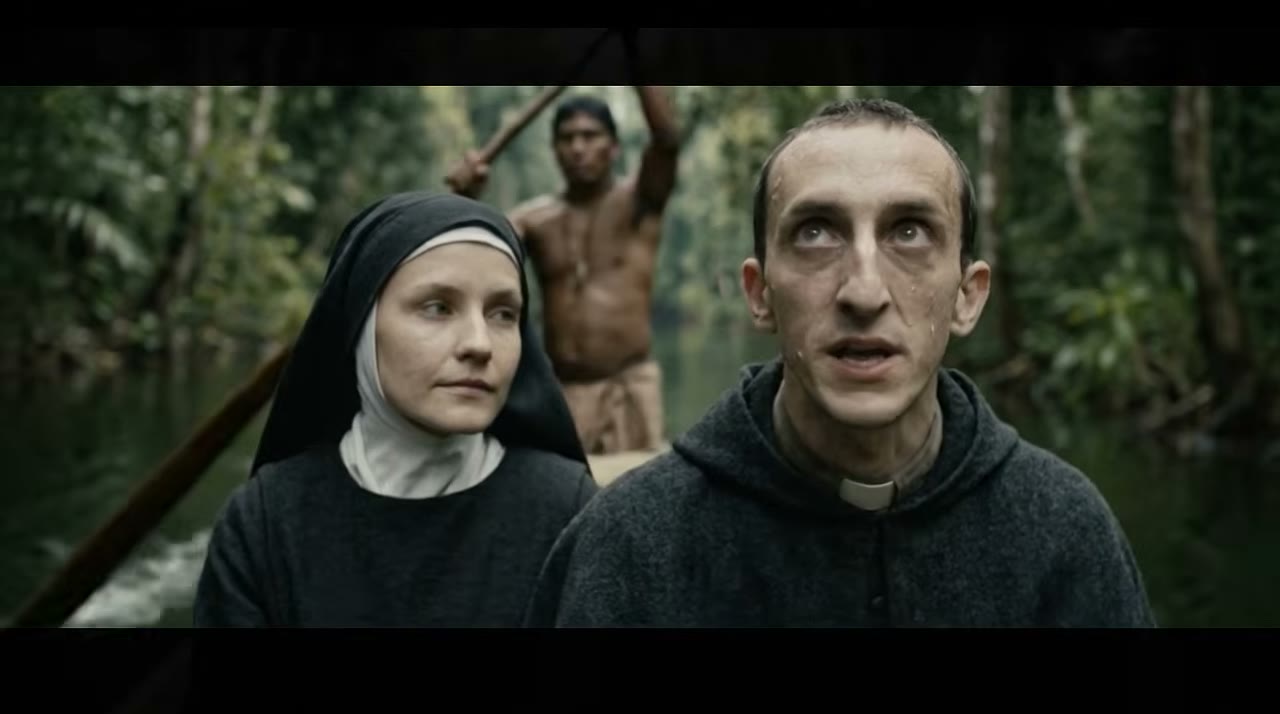
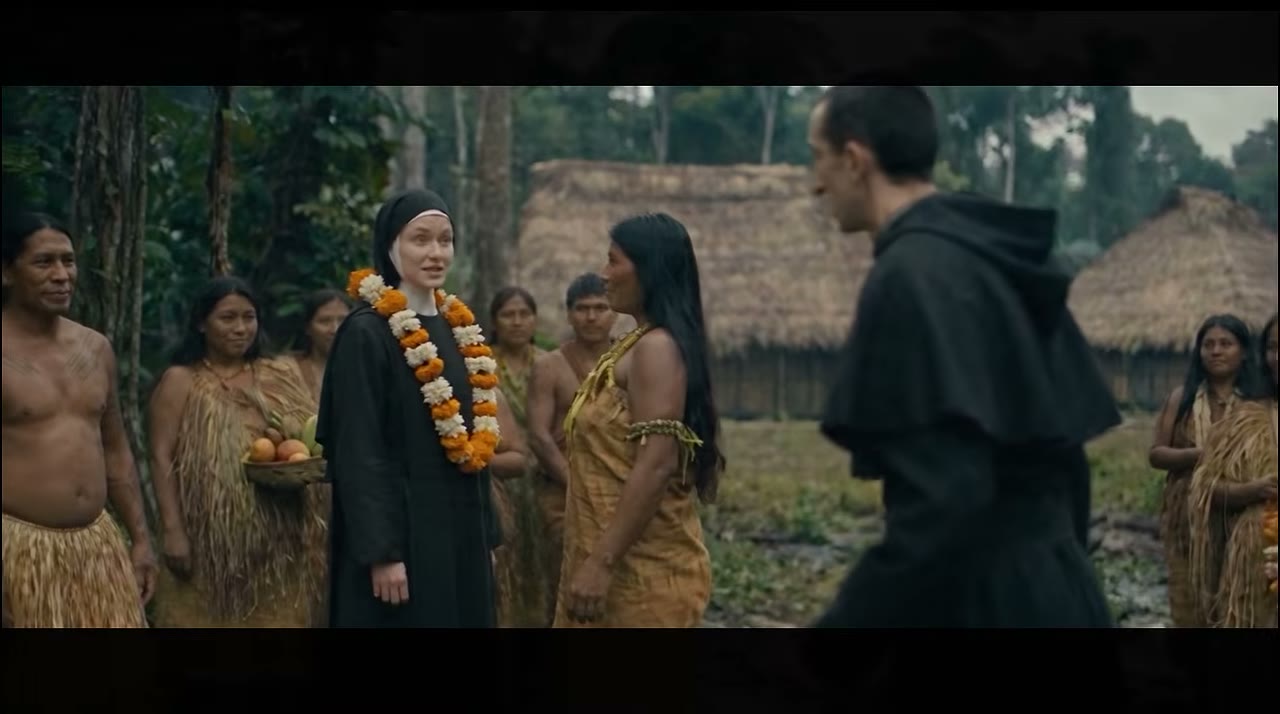
The 1899 party is drawn with unusual care for an anthology short: Father Alvar, hard and certain; Brother Mateo, gentle and already unwell; Sister Clara, the film’s moral centre, who speaks to the village rather than at it. The village itself is no backdrop — it has its own welcome, its own law, and its own relationship with the river, which gives and takes and is owed respect.
The river gives back
The turn comes from cruelty, not curiosity. A village girl touches the mission’s Bible; Alvar strikes her — and blinds her. The village does not retaliate. It does something worse for Alvar’s theology: it takes the girl to the river, and the river heals her. “She washed her blood in the river and the river gave her back her sight.” Everything Alvar believes is answered in one sentence, and the film watches him understand that his God has been out-performed by water.
From there the mission rots from inside. Mateo’s fever becomes devotion; he wants the river the way he once wanted heaven. Clara pleads, bargains, tries to carry everyone home. And Alvar — humiliated, unravelling — reaches for the one argument he has left.
“A priest pulled the trigger”
The climax is a night scene on the water: Mateo takes Clara to the river; Alvar follows with a gun; and the old Father’s narration delivers the line the whole film has been walking toward: “The river took her body, Tomas, but it was a priest who pulled the trigger.” Mateo is found afterwards, drifting downriver, alive and emptied. The record is sealed. Tomas is left holding it.
It would be easy for a film like this to sneer, and it never does. Alvar is a villain of certainty, not of faith; Clara’s belief is treated with complete respect; the village’s god is neither debunked nor sentimentalised — it simply is, the way the river is. For a twelve-minute AI short, that balance is remarkable, and it is why the horror lands: the scariest thing in the film is not the god. It is the gun.
Best Scene (9:45–10:15)
The confession in the frame
The old Father stops circling it and says the thing plainly: the river took her body, but a priest pulled the trigger. The camera holds on young Tomas receiving the sentence his whole vocation will now have to carry. Every thread of the film — the Bible, the blindness, the healing, the fever — knots into one line of dialogue, and the horror becomes a matter of record.
Final Thoughts
The Lost Mission is the batch’s prestige piece: patient, literate, and morally serious without ever becoming a lecture. It trusts a river, a gun and one confession to do what lesser films need a creature for — and when the god does show its face, lit like oil on water, it has earned the reveal.
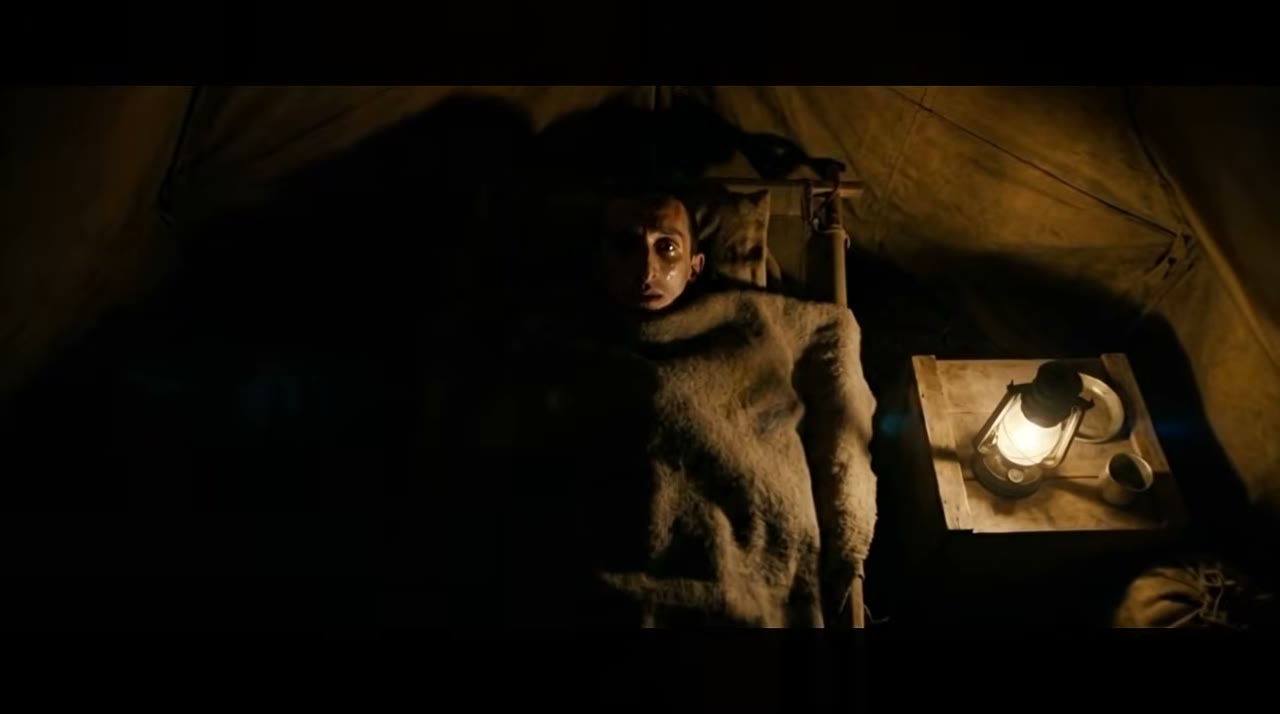
It is also, quietly, the best-acted film here. The frame story’s two priests play their scenes in close-up, in lamplight, with nowhere to hide — and the lip-sync and the faces hold, which is what makes the final line land like a verdict.
The Lost Mission is part of the Whispers From The Dark horror anthology on YouTube, hosted by the channel’s goblin storyteller. The channel cross-promotes it at the end of The Masque, released as a companion piece.
Scene Breakdown
0:00–1:55 — The warning. Father Tomas, preparing to lead a new mission, is stopped by an old Father with the sealed record of 1899: “Not failed. Lost.”
1:55–3:40 — The journey. The Mission of Saint Lazarus travels upriver: Alvar, Mateo, Clara; the village’s welcome.
3:40–5:50 — The blinding and the healing. A girl touches the Bible; Alvar’s violence; the river restores her sight.
5:50–8:00 — The fever. Mateo’s devotion turns toward the river; Clara’s pleas; Alvar’s humiliation hardens.
8:00–9:45 — The night on the water. Mateo takes Clara to the river; Alvar follows with a gun; the god shows its face.
9:45–11:39 — The record. “It was a priest who pulled the trigger.” Mateo found drifting; the file is closed; Tomas remains.
≈3:22 — The welcome feast dresses the Amazonian village in marigold garlands that belong to another continent’s festivals — a small, telling geography slip in an otherwise careful production.
≈8:50 — Alvar’s gun hand and the weapon itself soften at the edges in the night scene’s widest shot; the film cuts closer before it matters.
The god is wisely rationed — a silhouette, a veined hand, and one face lit like oil on water at ≈9:22 — so the reveal spends effect the film has saved, not slop it has leaked.
The frame story’s lip-sync is the channel’s best in this batch: two men, lamplight, long lines, and the mouths keep up.
There are no reviews yet. Be the first one to write one.