

BLURRED HORIZON
 Jeff Synthesized
Score breakdown
Read Review
568.5K views
Series Review
Written by Kineograph
A woman wakes on a colony ship and is told she expires at midnight. A man rents a better reality and cannot give it back. A government deletes thirty-two words at eight o’clock tonight. Three stories, one warning: the system always wins.
This review discusses all three episodes’ endings, including the twists. If you would rather watch first, we recommend you do, and then come back.
Three Worlds, One Warning
There is no continuing cast here and no shared plot. What links the episodes is a theme, and it is a good one: every story is about a system that controls people by controlling what they can experience, say or know. A ship’s computer decides when a woman dies. A corporation sells a fabricated reality by subscription. A regime edits the language itself. StoryVeo, where we found the series, sums it up in the series’ own words: “Each episode, a new world. Each world, a warning.”
Episode 1 — “Expiration Day” (24:43)
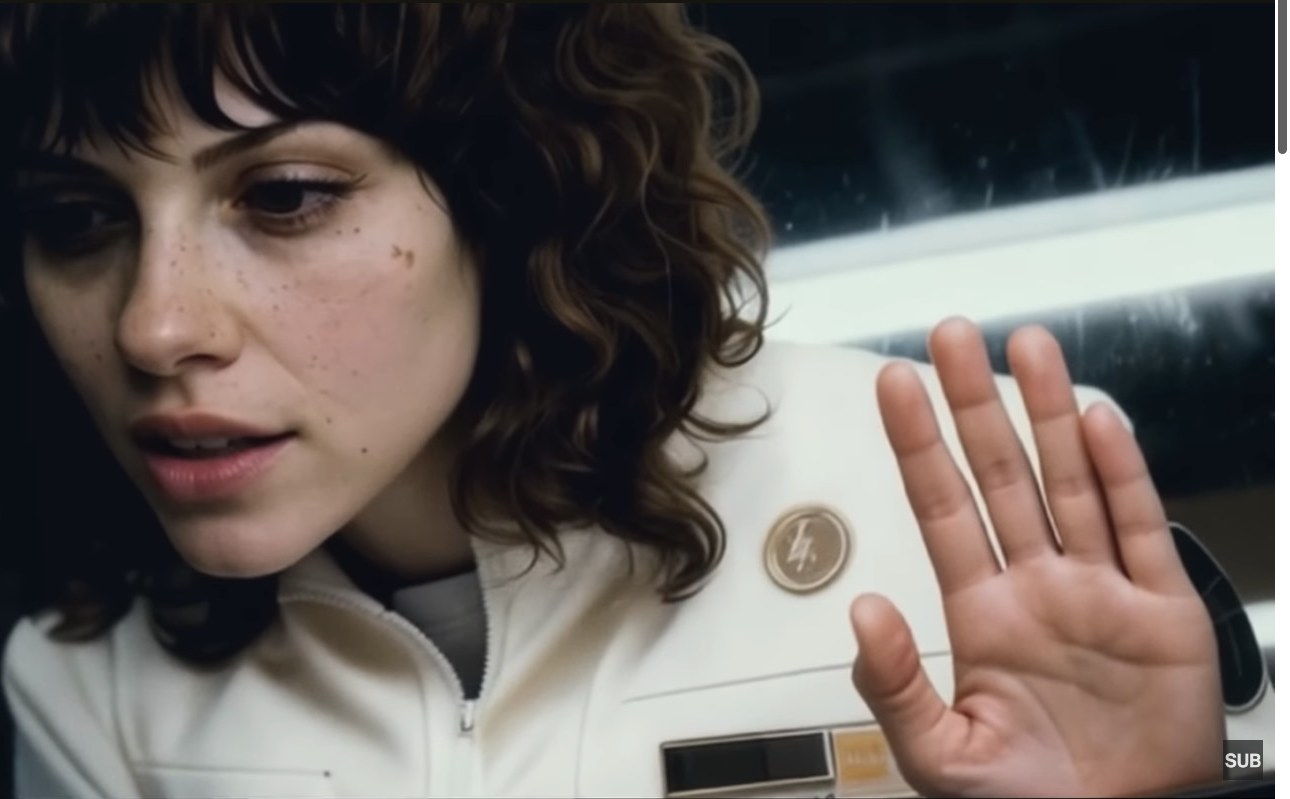
Zara wakes alone on a long-haul colony ship, six years, three weeks and four days from Solis 9, and the ship’s computer informs her that today is her expiration day: her pod has been deactivated to save resources, and she has until midnight. What follows is not an escape thriller, though it has one inside it — it is a goodbye. She talks to Souk, asleep in her pod. She records a farewell message. She tries the oldest trick there is, locking herself in her room to outwait the day, and the little maintenance bot she calls the wire rat turns red-eyed and hunts her through the ship, repeating “No escape. No escape.”
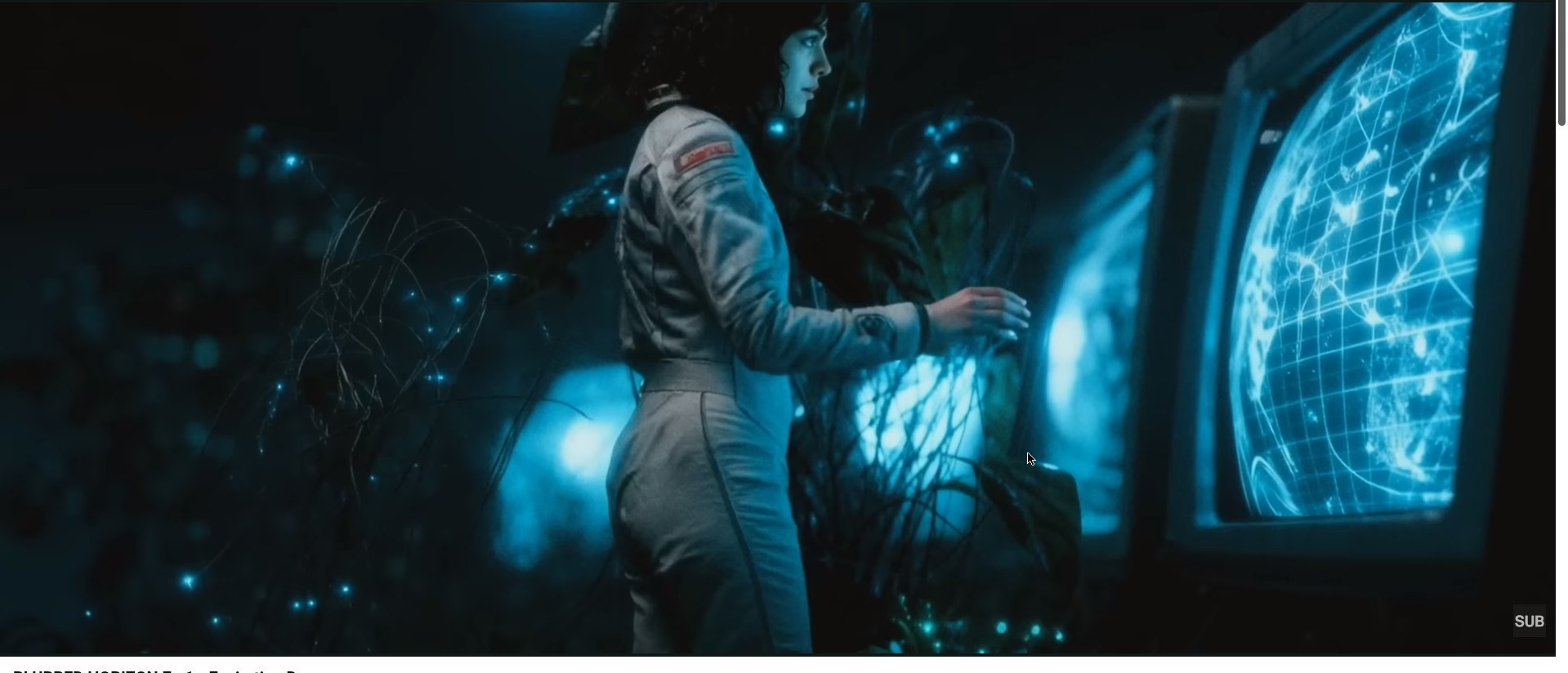
The twist, when it comes, is the cruellest small thing: a cheerful PA announcement reminding everyone to turn their clocks back by one hour. Her deadline was a clock error — and it kills her anyway. She is found in the vine-covered corridor, and the credits roll over pencil storyboard drawings, which feels exactly right for a story about a life reduced to paperwork.
Episode 1 is built around live-action footage, and we want to credit it exactly. Its on-screen credits name Eike Swoboda as director, with colour by Mark Gethin at Trafik. The episode’s YouTube description credits a cast and music — among them names horror and music fans will recognise — but those credits appear only in the uploader’s description, not in the episode itself, and we could not verify them on screen. So we list the series under its creator, Jeff Synthesized, and credit in this review only what the episodes themselves show.
Episode 2 — “Mindpods” (26:20)
The second episode is satire, and it bites. MindPods sell a corporately fabricated reality; the stronger variant, Neuro Rush, has been recalled for psychological harm — which is, of course, an advertisement. Through fake news reports, testimonials and a talk show, we meet Doug, who reads the warning label twice “just to make sure I understood what I was about to ignore”, and slides into addiction as the simulation starts bleeding into his real life: a news anchor’s face ghosts over his own, and his partner finds him bleeding and staring.
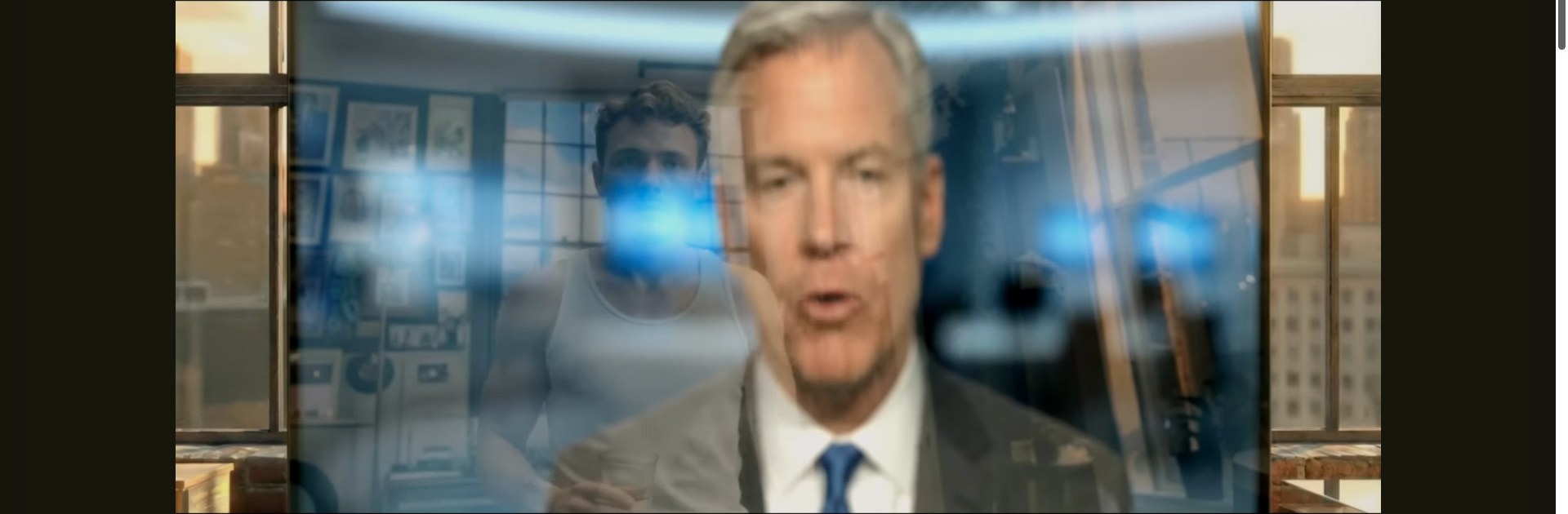
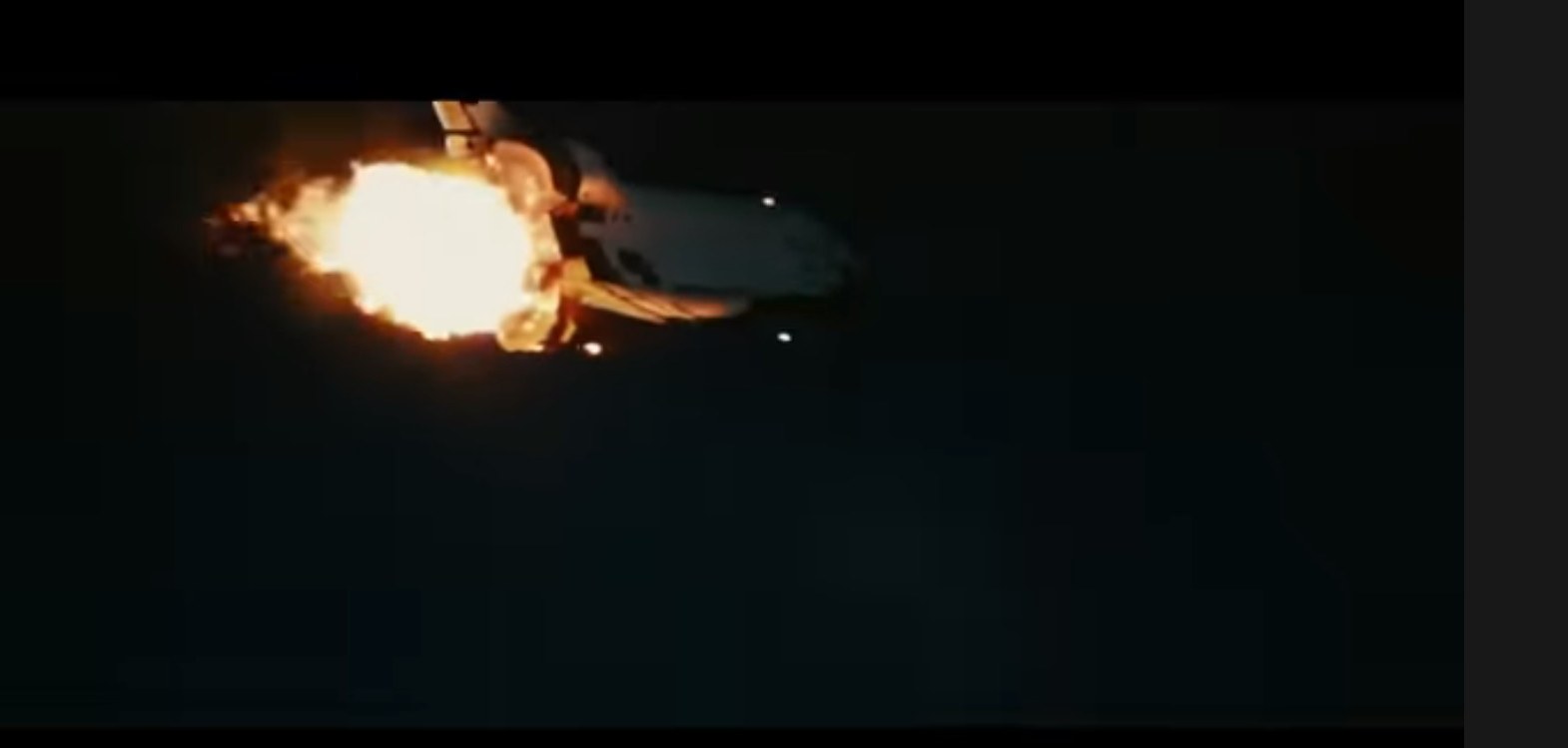
It is the loosest of the three episodes — the sketches sprawl, and Doug’s lip-sync lags behind his flat synthetic voice — but its ending is the series’ quietest gut-punch: Doug rejects the pods not with a speech about technology, but with silence. “No billboards, no algorithms. Just the sound of my own breath.” The burning shuttle over the city, and then simply: The End.
Episode 3 — “Hate?” (18:53)
The darkest episode is built from broadcasts. A regime’s “linguistic recalibration protocol” will erase thirty-two words at 8 p.m.; try to say a banned word and your mouth moves, but another sound comes out. Radio host DJ Lev and his caller Sam carry the episode — “our freedom of speech is alive and well; it’s our freedom after speech I’m worried about” — while the news reports, in the flattest official language, that people have been “neutralized” for voicing an opinion, and an election has been cancelled because a candidate’s name was erased.
There is no rescue and no hero’s speech. The crackdown comes, the cheerful propaganda jingle returns, and the episode loops back to its own beginning — the purge, and the forgetting, start again. It is the shortest episode and the one I have thought about most.
Best Scene (Episode 1, 10:15–13:00)
A message for Souk
Knowing she has hours left, Zara records a farewell for the woman asleep in the pod beside hers — apologising for the dumb fights, for being stubborn, asking to be remembered, half-joking about haunting her. “You’re my whole world, Sue. Every breath is for you.”
Everything the series is about is in this scene: a woman with total knowledge of exactly when she will die, spending the knowledge on love instead of panic. The live-action close-ups hold, the lip-sync is clean, and for three minutes the anthology’s big theme shrinks to one person saying goodbye properly. It is the emotional centre of the whole series.
Where It Strains
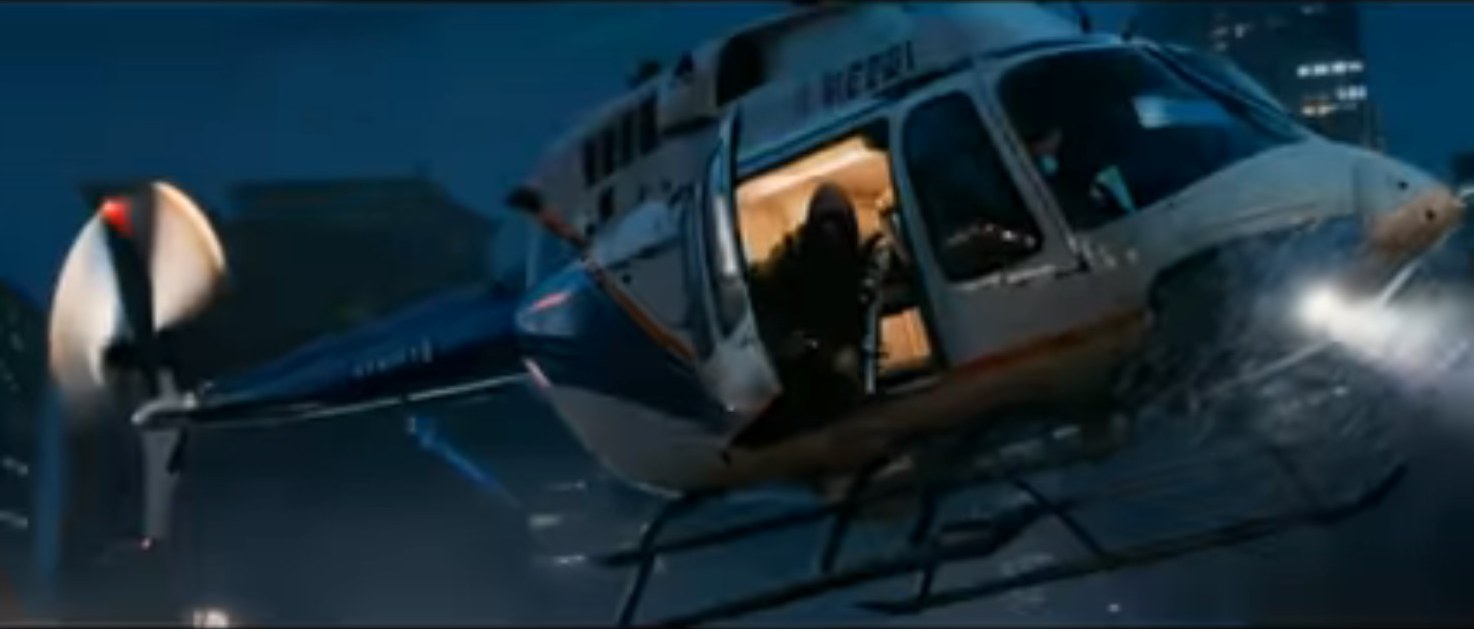
Honesty requires the other side. The AI-generated worlds around the performances are unstable: signage dissolves into gibberish (worst in Episode 3, where it is everywhere), vehicles and aircraft morph mid-chase in Episode 2, and faces smear whenever the cutting speeds up. Episode 1’s own death shot wobbles — the blood reads as a smear, and foliage creeps across Zara’s mouth. The voices, outside the live-action footage, are flat and synthetic, and none of the episodes offers captions. The premises deserve the polish the close-ups get; the action has not caught up yet.
Final Thoughts
BLURRED HORIZON is three sharp, bleak little warnings about the systems we hand our lives to — told with more writing talent than polish, and all the better for knowing which matters.
I would recommend it to anyone who likes their science fiction paranoid and idea-driven — Black Mirror is the obvious neighbour — and to anyone who thinks anthology is where AI series shine brightest. On this evidence, it is.
Scene Breakdown
Ep. 1, ~0:00–0:40 — Zara wakes on the colony ship: “Today is your expiration day.”
Ep. 1, 6:53–8:00 — The overgrown control room, and the maintenance bot she calls the wire rat.
Ep. 1, 10:15–13:00 — The recorded farewell message for Souk.
Ep. 1, 16:00–19:11 — The red-eyed bot hunts her: “No escape. No escape.”
Ep. 1, ~21:17 — The clocks go back one hour. It is already too late.
Ep. 2, ~5:00–10:00 — The Neuro Rush recall, reported as news; the testimonials begin.
Ep. 2, ~10:00–13:00 — Doug’s confession, and the space-station self-destruct fantasy.
Ep. 2, 16:42 — The anchor’s face ghosts over Doug’s: the simulation bleeds through.
Ep. 2, 21:52–22:20 — The burning shuttle, and Doug’s silence monologue.
Ep. 3, 0:00–5:00 — DJ Lev explains the protocol: thirty-two words go missing at 8 p.m.
Ep. 3, ~10:00–16:00 — The crackdown: assemblies dispersed, names erased.
Ep. 3, 16:42–18:53 — The final purge, and the jingle loops back to the start.
Episode 1: 0:10–0:40 — faces heavily smeared in the grainy opening. 6:53–7:03 — control-room screens morph between cuts; the bot’s proportions change across shots. 16:00–17:00 — the bot’s body and eyes morph as they turn red. 19:11 — floating bowls in the mess hall warp and duplicate. 20:00 — Zara’s face is soft inside the helmet; the suit patch lettering is mush. 21:17 — her skin morphs in the death shot, foliage grows across her mouth, and the forehead blood is a smear rather than a wound. The live-action close-ups, by contrast, are clean, with good lip-sync.
Episode 2: 0:00–5:00 — a truck cab morphs and detaches from its trailer in the chase; cars warp. 4:55 — the police helicopter’s rotor melts into light trails and its lettering stretches. 7:00–10:00 — testimonial faces morph between cuts; background signage is gibberish. 12:00–14:00 — space-station geometry warps. 21:52 — the burning shuttle’s plume and hull morph frame to frame. Doug’s lip-sync lags throughout. The closing outdoor scene is clean.
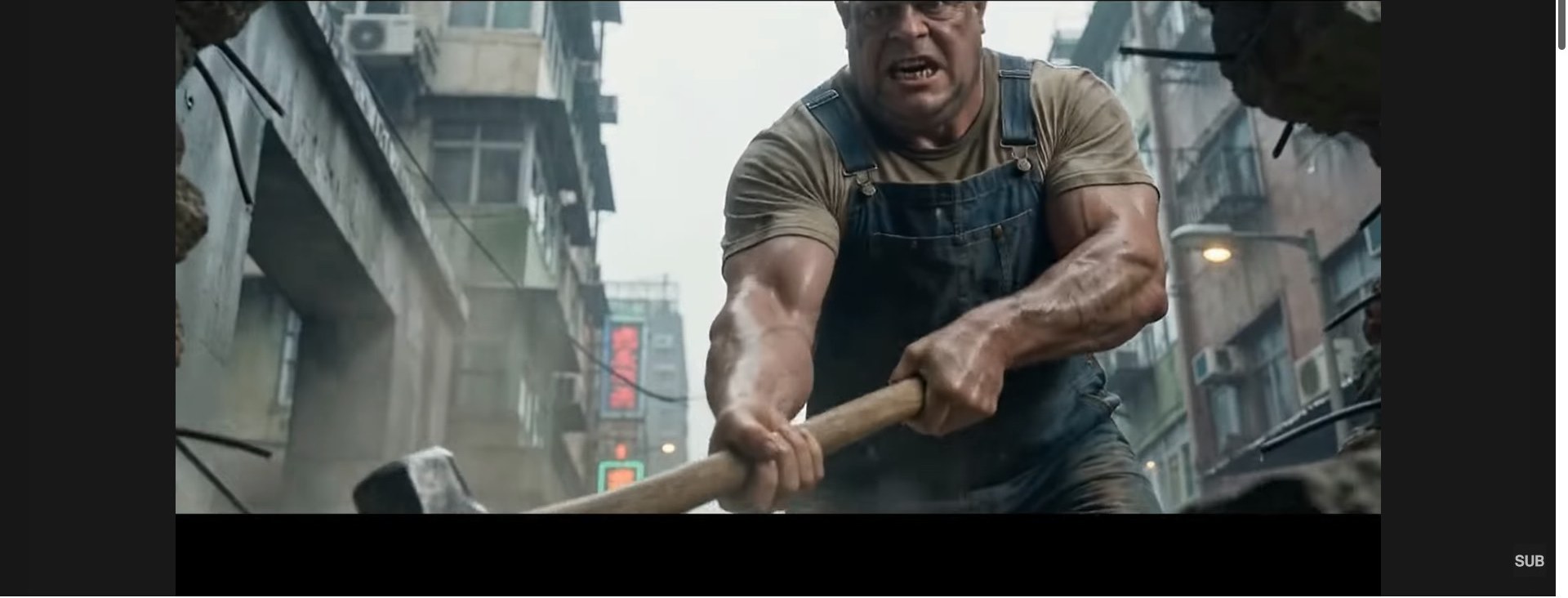
Episode 3: 0:01–0:05 — the man’s face is warped and the hammer blow morphs the wall. ~5:00 — signage in partial gibberish; facades warp. ~10:00 — the aliens’ features shift between cuts; signs mix English with gibberish and stray characters. 16:42–16:50 — the enforcer’s rifle warps and the raindrops are oversized. Signage is unreliable throughout this episode; the radio segments and crowd wides hold up best.
Series created by Jeff Synthesized (Jeff T. Thomas), billed as a NeoCinema production. Episode synopses and the series description are from the series’ StoryVeo and YouTube pages; everything else here is from our own viewing of the episodes.
Visitor Reviews
There are no reviews yet. Be the first one to write one.