

 ai flix studios
 Creator ID26-11-00-0089

Score breakdown
24K views
Film Review
Written by Kineograph
In an empire where dance is forbidden everywhere except the colosseum built to punish it, the last two dancers of a wiped-out tribe are offered a bargain: perform once, before the whole city and the gods, and win back the child who was taken from them.
This review discusses the ending — including the fact that the film stops where it does. If you would rather watch the film first, we recommend you do, and then come back.
Every Dancer Of The Shell Coast Was Gone
The film opens in a torchlit city, with narration and a title card that does the work of a whole first act: “THEN IN A SINGLE SEASON EVERY DANCER OF THE SHELL COAST WAS GONE. THE GODS WENT QUIET AND THE LAND BEGAN TO DIE. SINCE THEN THE KING FORBIDS DANCE EVERYWHERE EXCEPT THE COLISEUM WHERE DANCERS ARE FED TO THE PIT.” Shrouded bodies lie in a cobbled alley. The tone is set before a word is spoken: this is a world where the thing these people are has been made fatal, twice over.
We meet the twins — half-brother and half-sister, hair white as milk, eyes green as jade, said to have learned from the gods — where the empire lets dancing survive: in a fighting pit, performing for coin. The film hangs its darkest image early and without comment: a dead dancer’s ballet shoe in the foreground, and behind it, in the dark, the silhouette of a hanged dancer. Nobody explains it. Nobody needs to.
Then, by firelight, the history — told by a mother to the little girl Sailor, and the film’s quiet heart. The Shell Coast were known for dance. One night a woman walked into the street and could not stop dancing; within a week there were ten, then hundreds, then thousands, the drum beating faster in their minds, until they all dropped dead. Some say a plague. Some say dark spirits. Some say the gods called them home. The twins were only just born, and were lucky to survive. Sailor asks the obvious question — why do you still dance? — and gets the film’s thesis for an answer: “To honour our tribe.”
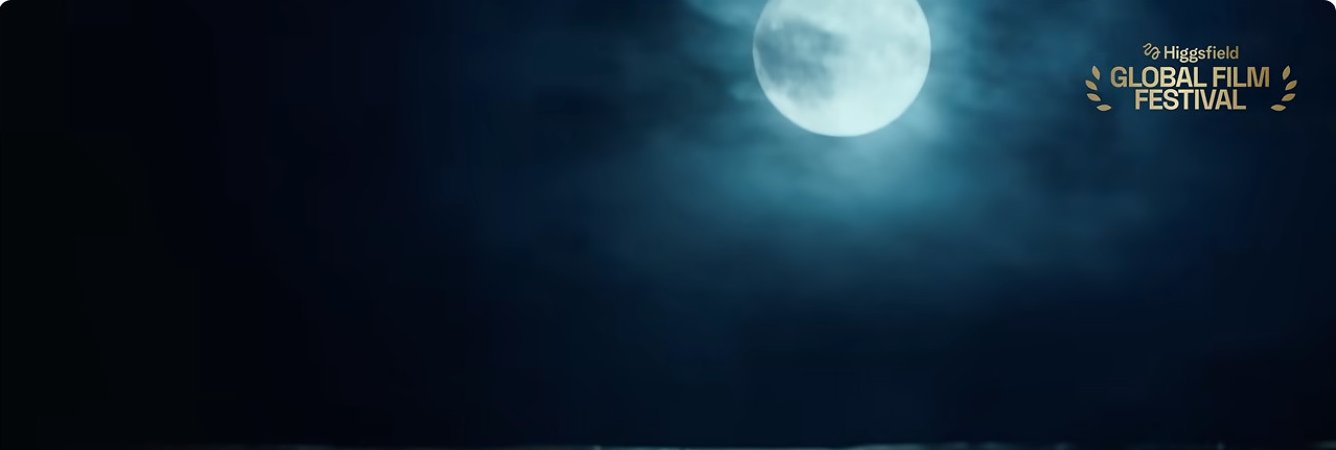
The King’s Bargain
The empire comes for them at night: soldiers at the house, a knife held to the woman’s throat, Sailor asleep, and the twins ordered to come with them — “The King’s request.” Their crime is the pit. The pit master, it turns out, was paid to find lawbreakers, and he found the only two dancers left in the world.
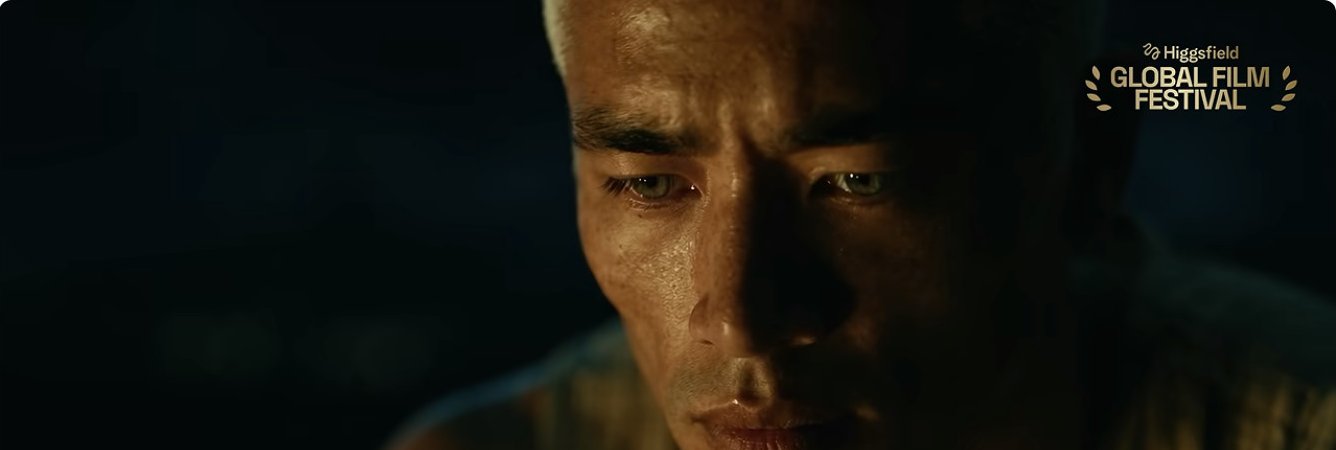
The bargain the scarred King offers is pure Colosseum logic: dance tomorrow night, before the whole city, satisfy the gods, lift the darkness devouring the empire — and the crime is forgiven, and Sailor is returned. The male twin accepts with a warning that tells you everything about him: if the child is touched, he tells the King, he will not need the gods to reach him. It is the film’s best piece of character writing, and it sets the stakes for everything after: these are not performers hoping for applause. They are hostages dancing for a child’s life.
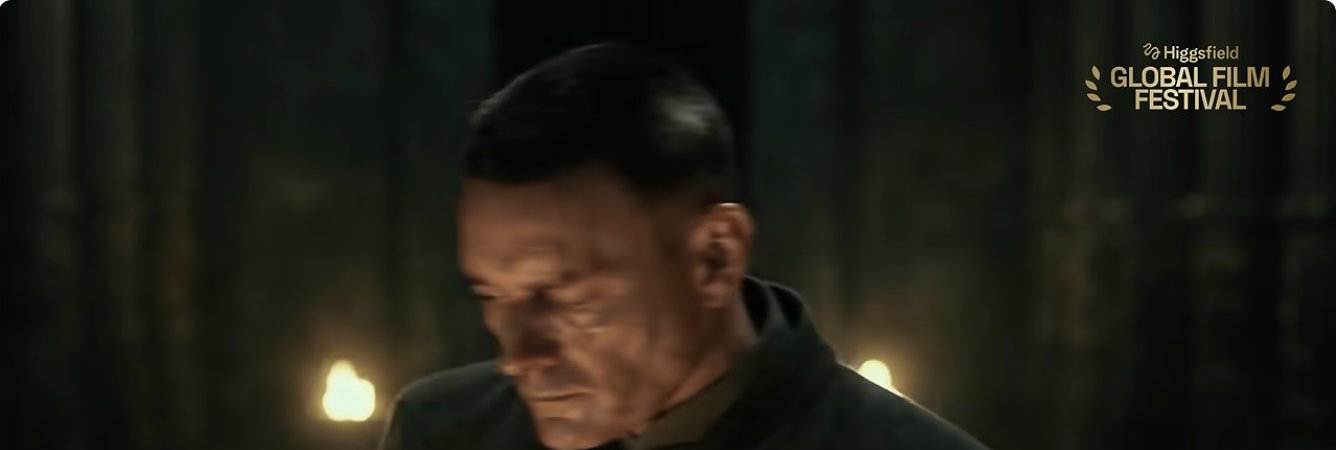
One Performance, One Shot
The Obsidian Colosseum sequence is the film at full stretch: a packed, torchlit arena, and a white-face-painted announcer in a tall headdress presenting the twins to the crowd. Thirty years, he tells the city, since dancers of the Shell Coast stood on this ground. They once spoke the language of the gods. One performance. One shot. And the pit is hungry.
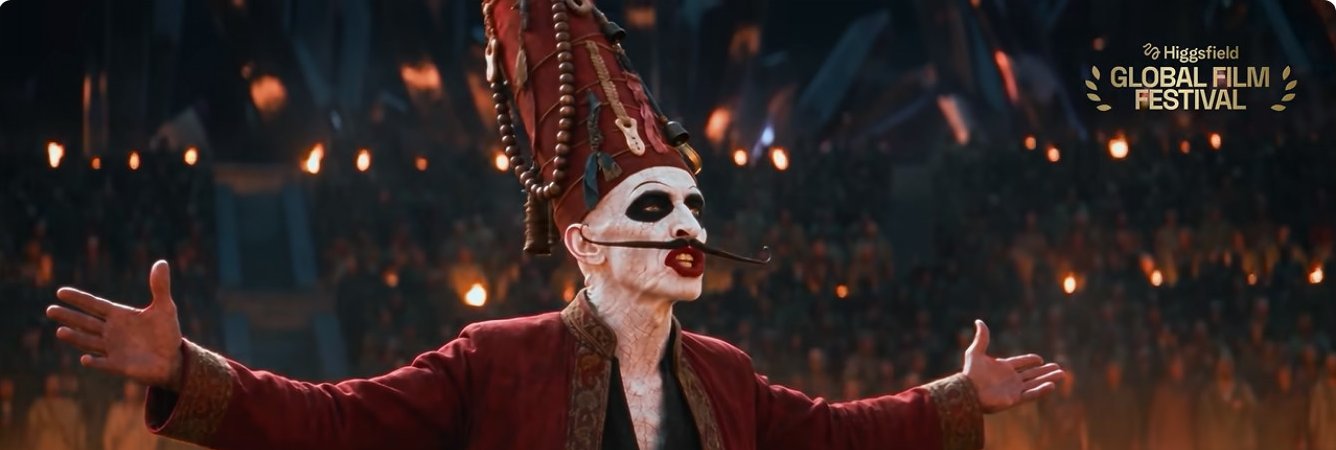
Best Scene (11:50–11:55)
The lift, in the fire
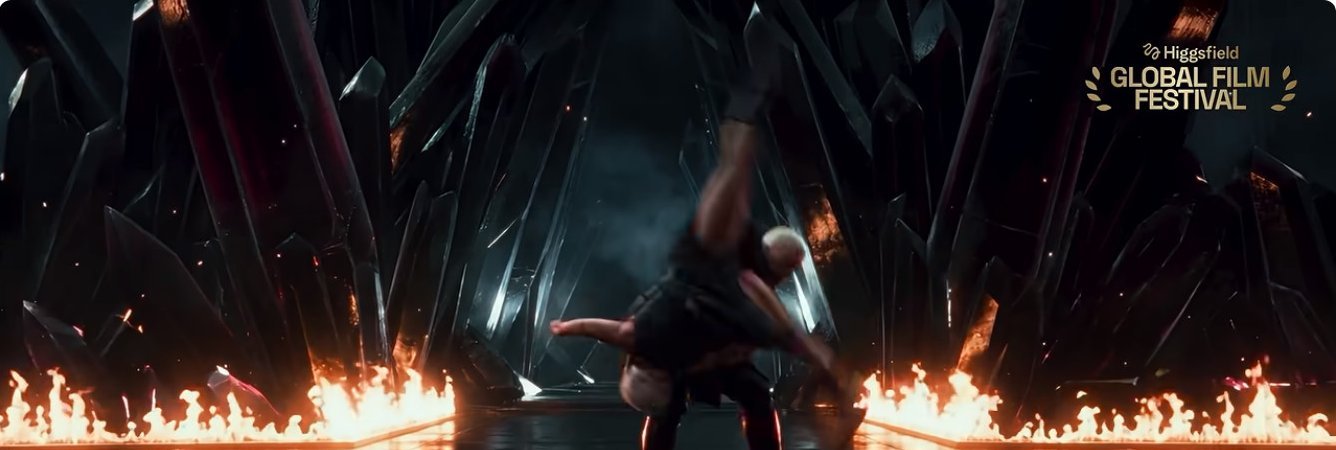
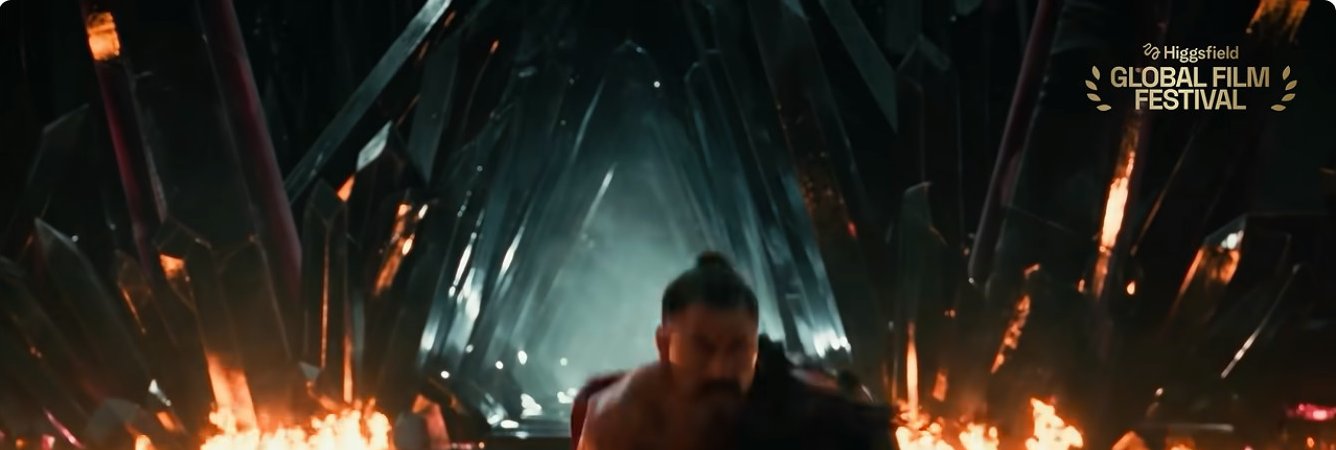
The dance itself is everything the film promised: the twins spinning and lifting amid flames and flying black crystal shards, the crowd chanting, and at its peak the male twin lifts his sister upside down and holds her there, in the fire, in the one place in the empire built to punish exactly this.
That is why this is the scene. The whole film is in it: the forbidden thing, done at full stretch, at maximum beauty, in the arena of the man who banned it — not as defiance for its own sake, but as a hostage exchange, a prayer and an act of mourning all at once. For these few seconds, DANZA is the epic it wants to be.
The Confession — And Then The Film Stops
After the dance, the twins demand their side of the bargain: Sailor, returned, as agreed. The crowd is chanting for the dancers. And the ruler, cornered by his own spectacle, finally says the quiet part aloud: it was him. He made a deal with the only god that would listen, and traded all of Shell Coast for the throne — and he would do it again. The gods never favoured him, he tells them; the tribe made him the outcast; so now he casts them out forever.
The twins’ answer is the film’s moral centre, and it lands: the gods never favoured them either. The mother lost a husband. Sailor lost her father. They were left orphans, fighting to survive, dancing to honour their tribe — and there is still time, they tell him, for him to do the right thing. He refuses it in nine words: “Throw them in the pit! The gods have spoken.” A voice calls “Release her.” The ruler panics, begging his god to stop, screaming that he was promised immortality, promised he would be a god. The god turns on him anyway, and manifests in the arena as a red crystal creature; armoured guards with glowing eyes engage it as black shards fly.
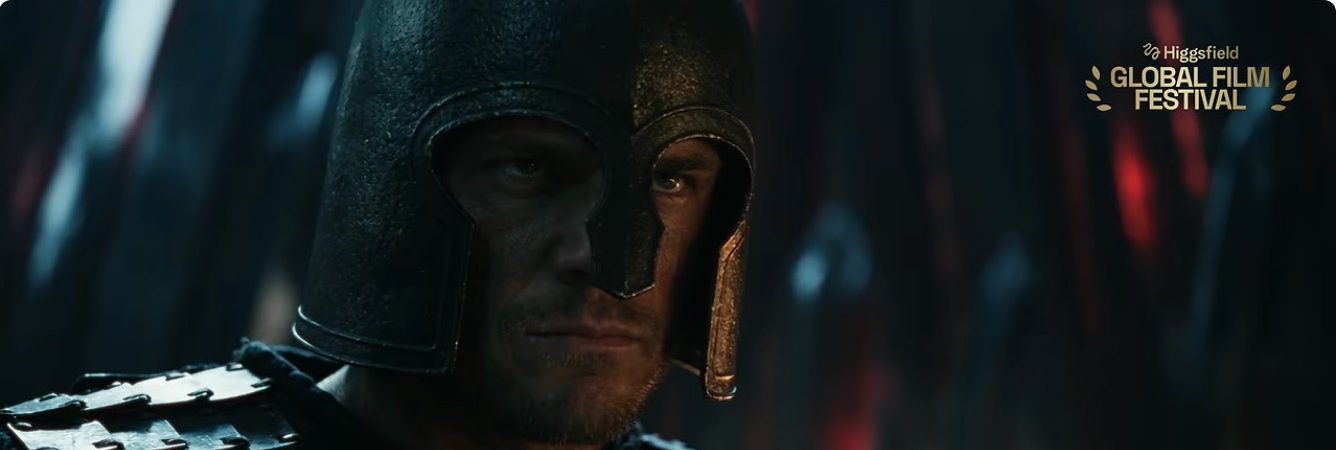
And there — mid-battle, at 16:37 — the film ends. Not concludes: ends. No reunion with Sailor. No lifting of the darkness. No confirmed fate for the twins, the ruler, or the child the entire plot was fought over. I want to be precise about why this matters, because I do not score an open ending and a cut-off ending the same way. An open ending withholds an answer and trusts you with it; this withholds the ending itself. The confession recontextualises everything before it, the battle is the confession’s consequence, and we are shown the first seconds of that consequence and nothing more. Everything the film spent sixteen minutes building toward — a child’s freedom, a tribe’s reckoning, a tyrant’s bargain coming due — is left standing in the arena when the lights go out. If a second part exists one day, this may read as a chapter break. On the evidence of this film alone, it is a climax interrupted, and my Storytelling and Rewatch scores reflect that.
Where The Spell Breaks
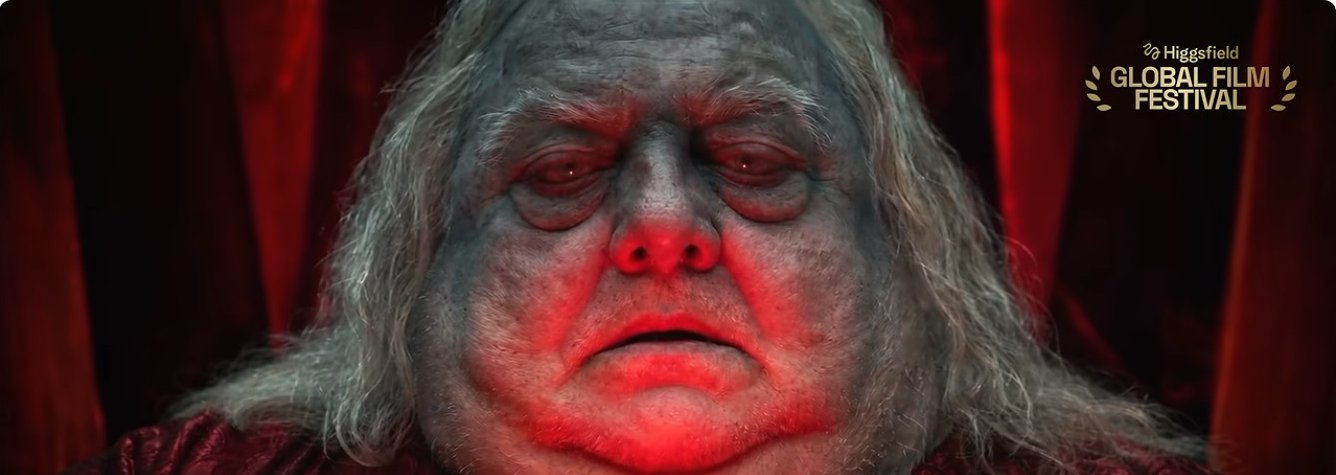
On craft, the ambition is real and so are the seams. Faces morph frequently, and at the worst moments visibly distort — an early close-up of a gaunt, long-grey-haired man is the clearest case, and the scarred King’s face does not hold still either. Hands and limbs blur and melt through the fastest lifts, exactly where the choreography is most demanding; crowd faces warp at the edges of the arena; some lines of dialogue are garbled to the point of unintelligibility, and the lip-sync drifts. None of this ruins the film — the Colosseum spectacle survives it — but it is why the AI Slop Meter sits where it does: the spell is strong, and it breaks often enough that you are repeatedly reminded how the trick is done.
Final Thoughts
DANZA: The Last Dancers is a stirring, spectacular fantasy about art as survival — unfinished at the exact moment it should soar.
I would recommend it to fantasy viewers who love mythic scale and can meet a fragment on its own terms: come for the firelight history and the dance, and know before you press play that the story stops rather than ends. If ai flix studios ever release the rest of this battle, I will be first in line — because what is here, unfinished as it is, deserved an ending as brave as its premise.
Scene Breakdown
0:00–0:35 — Opening narration over a torchlit city; the title card: every dancer of the Shell Coast gone, the gods quiet, dance forbidden except the Coliseum. Shrouded bodies in an alley.
~0:35–1:30 — The twins perform in a fighting pit for coin; a dead dancer’s ballet shoe, and a hanged dancer’s silhouette behind it.
~1:30–2:45 — Sailor talks with the twins: no one else in their tribe is left.
~2:45–4:40 — The firelight history: the night the dancing began, and would not stop, until a whole coast dropped dead. “To honour our tribe.”
~4:40–5:30 — Soldiers arrive at night; a knife at the woman’s throat; “The King’s request.”
~5:30–7:30 — Before the King: the crime, the paid pit master, and the bargain — one dance for forgiveness, and for Sailor.
~7:30–10:30 — The Obsidian Colosseum: the scarred King, the white-faced announcer, a packed torchlit arena. One performance, one shot.
~10:30–13:15 — The dance, amid flames and black crystal shards; the crowd chants.
11:50–11:55 — Best Scene: the lift, held in the fire.
~13:15–14:30 — The demand: Sailor, as agreed. The ruler’s confession — he traded Shell Coast for the throne.
~14:30–16:37 — “Throw them in the pit!” The god turns on its bargainer; the red crystal creature manifests; guards engage — and the film stops, mid-battle.
~1:36 — The gaunt, long-grey-haired man’s face morphs and distorts.
~7:32 — The scarred King’s face distorts as he is introduced.
Throughout — Hands and limbs blur and morph through the fast dance lifts, crowd faces warp, and some dialogue is garbled or unintelligible, with imperfect lip-sync.
Created entirely with Higgsfield Cinema Studio (visuals principally Seedance 2.5), with music and sound generated in-project, by ai flix studios. Also available on YouTube.
There are no reviews yet. Be the first one to write one.