

 christianblaze79
 Creator ID26-11-00-0086

Score breakdown
1 views on Kineograph
Film Review
Written by Kineograph
When the Black Fever takes his young son, King Barron of Qarradu sets down his crown and rides alone into the desert to find Tensora, the cure his own father vanished searching for a generation before.
This review discusses the ending. If you would rather watch the film first, we recommend you do, and then come back.
A King Becomes a Father
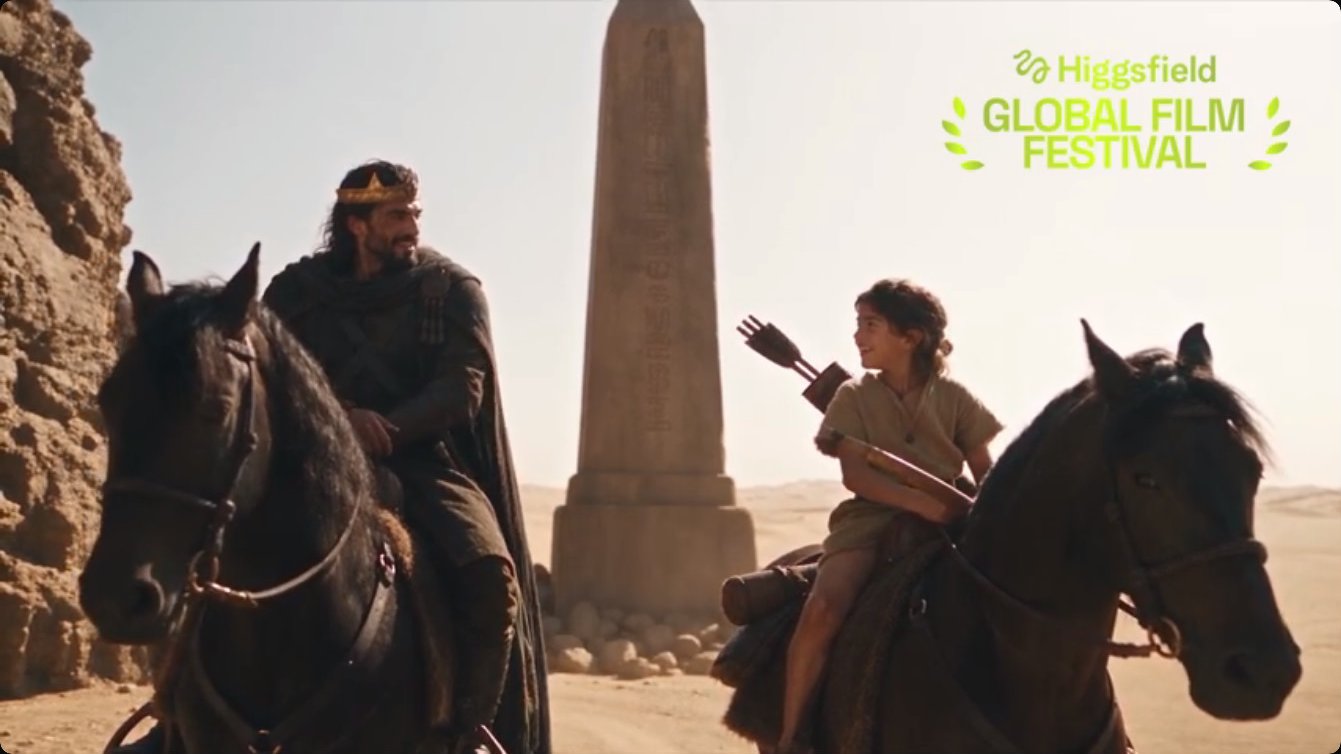
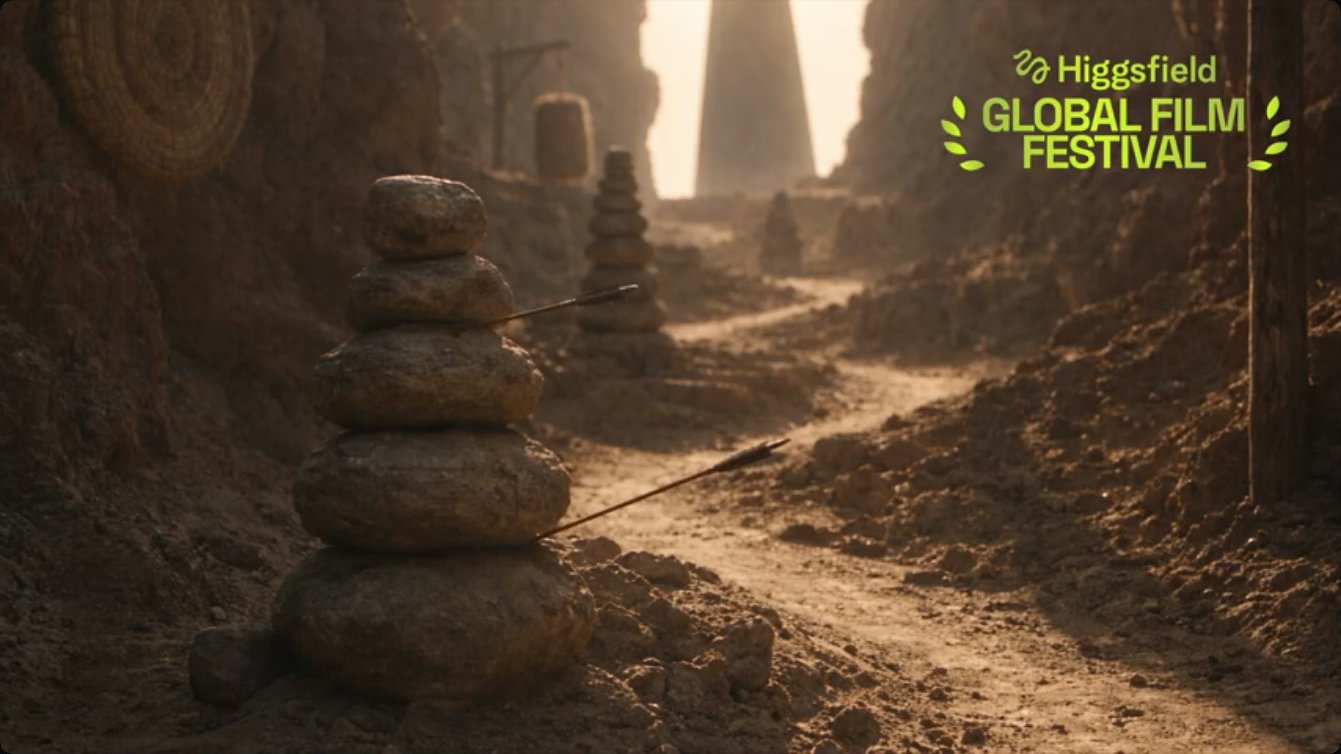
The narration opens by demoting its own hero: a crowned king looks at his son for the first time and understands how little the crown has meant — a king becomes a father. We see the baby in a carved wooden cradle, the veiled mother in a sunlit stone courtyard, and then the pair of them in a canyon of stone cairns pierced by arrows, throwing stones for distance. Barron promises the boy a prize worth more than gold to a child: beat my record, and you wear the crown for a day, dawn to dusk. It is a warm, specific scene, and the film is wise to build its kingdom out of a game before it builds it out of myth.
The Story of Tensora
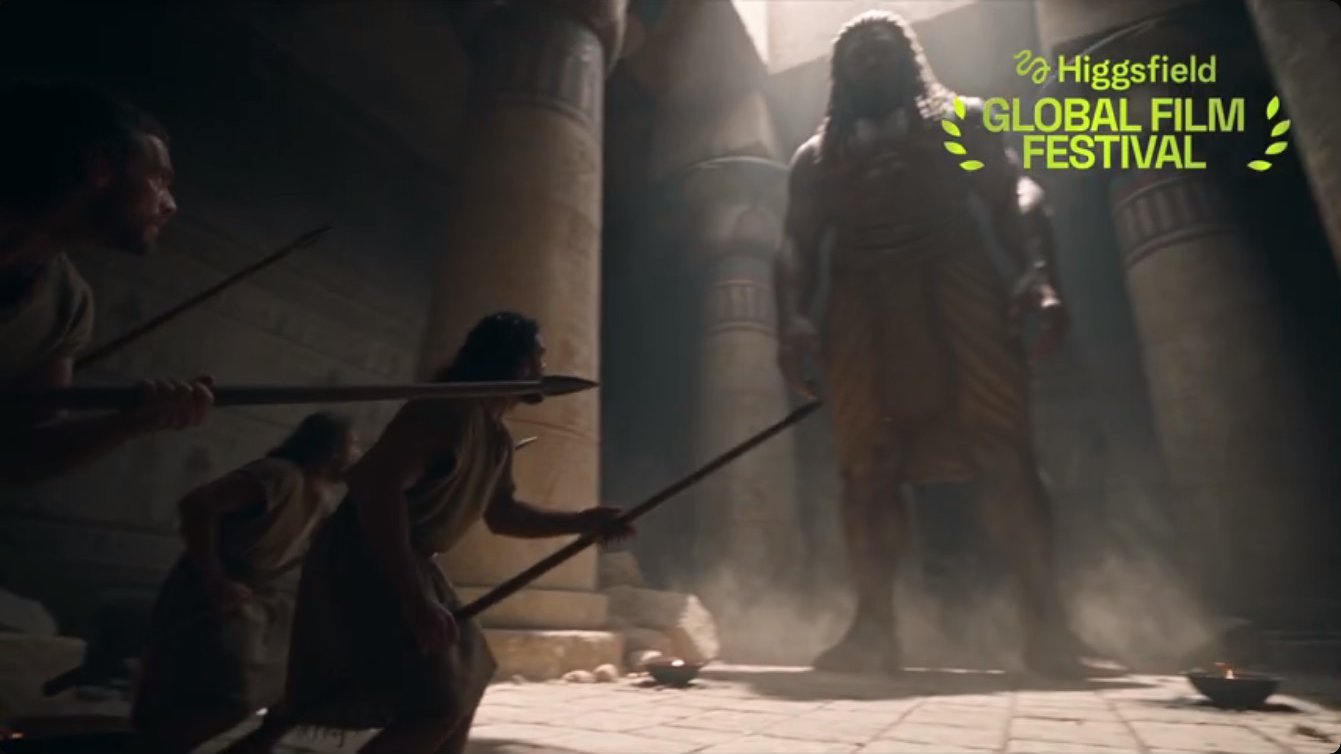
Then Barron tells Sol the story the title names. A humble kingdom revered the Source; then it bound giants and fed them forbidden wisdom, and reverence died. The answer was wrath on a geological scale — mountains burned, seas swallowed kingdoms, and then came the cold. One giant was spared, frozen beneath the ruins, and the survivors who freed it built a kingdom out of its wisdom. Barron narrates it as a bedtime history, and the film shows it as myth: spearmen facing a giant in a temple, the world breaking in fire and water. As world-building in under two minutes, it is remarkably economical — and it quietly loads the word “Tensora” with everything the ending will need it to carry.
The Road His Father Took
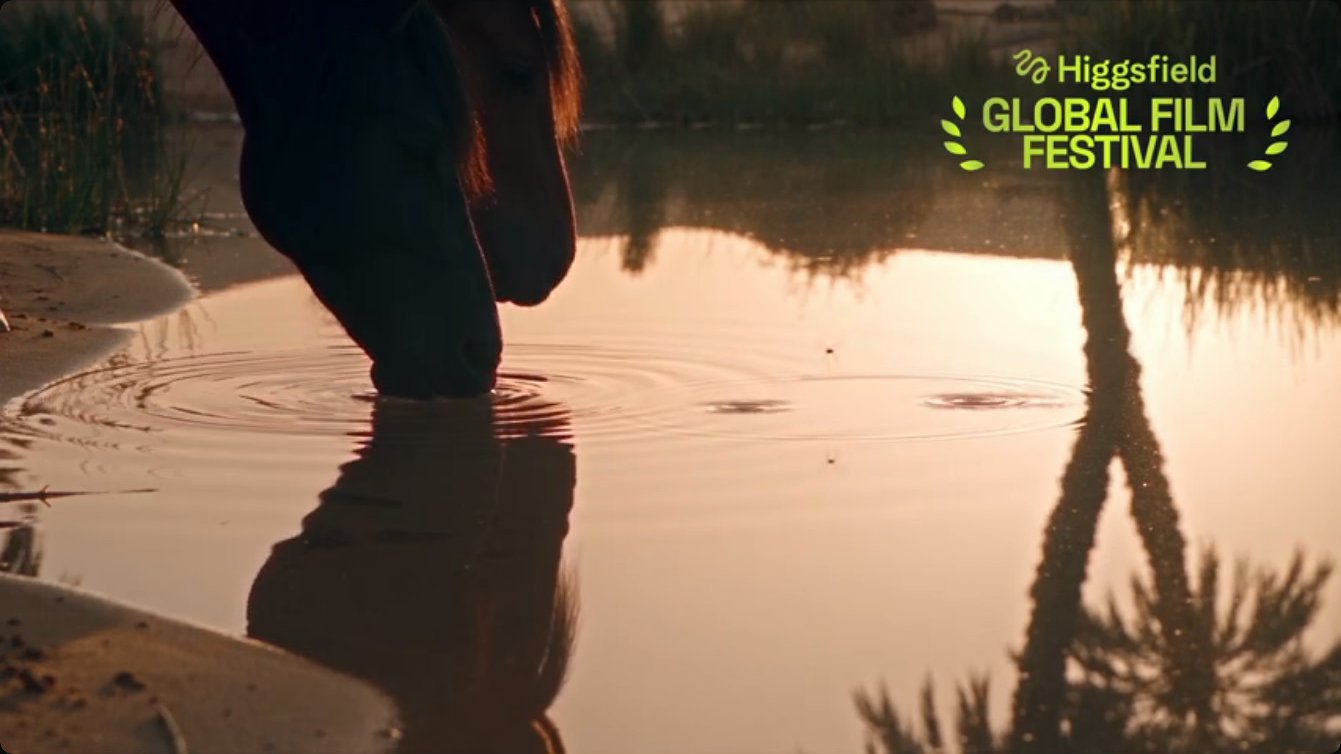
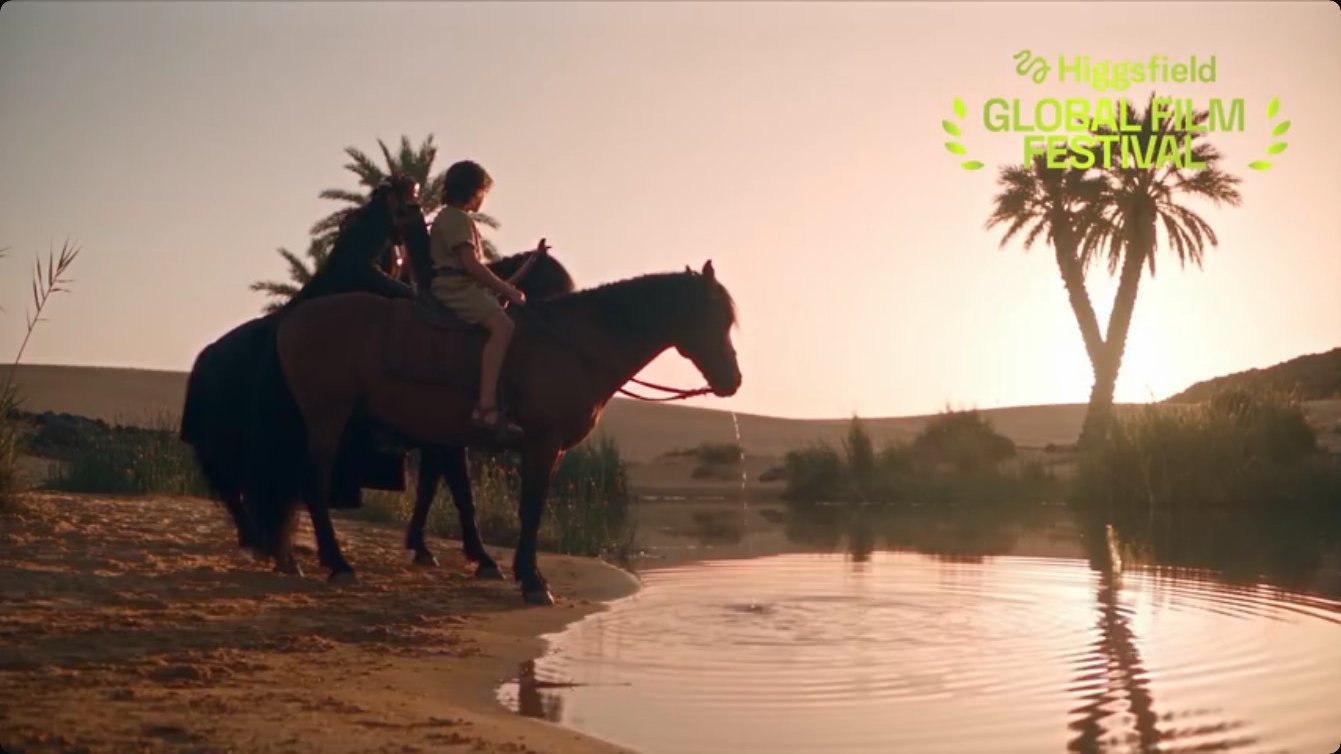
The myth turns personal. Barron was crowned at Sol’s age; in the drought, when the springs dried, his father rode out in search of Tensora and never came back. “I used to come out here and wait for his return.” A horse drinks at a sunset oasis; a king covers his face in grief while his young son watches. The film does not underline it, and does not need to: the father telling the story is standing exactly where the story left him, and the audience can already see the shape of what is coming.
Best Scene (5:41–6:31)
The sickroom, and the square
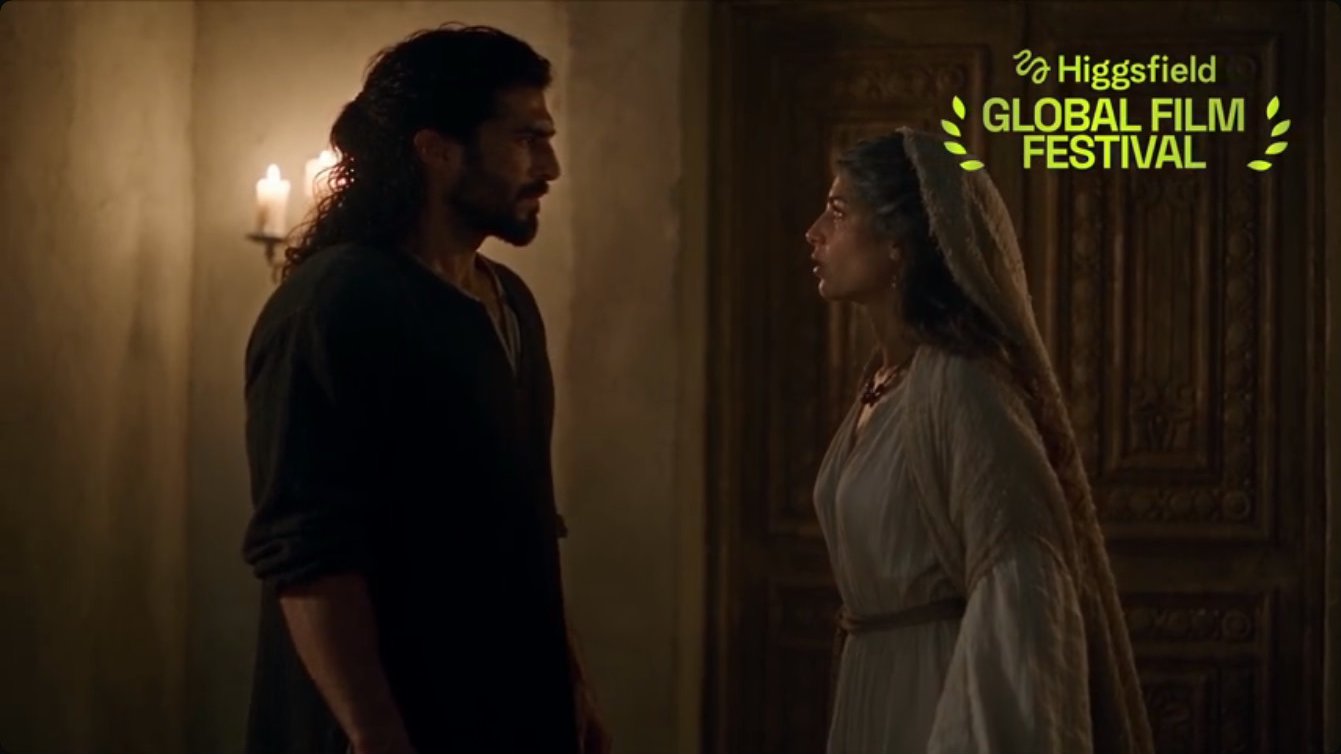
The present arrives quietly: Sol feverish in bed, a cloth on his forehead, his father leaning over him. “He fights the spirit of the Black Fever. The Black Fever has taken too many of our people.” Barron and his wife face each other across candlelight, neither with anything useful to say.
Then the square. The crowd has come for its king: “It is rumoured that even your own son has come down with the Black Fever. Do you care not about your own child?” The film answers with a close-up — Barron crowned, and in tears — and then cuts to him on horseback, silhouetted against a blinding desert sun. Private grief and public accusation land in a single movement, and the decision is made on his face before a word of it is spoken.
An Ending That Is a Beginning
Here is the honest account of the ending: there isn’t one, in the usual sense. Barron says “Thank you” to the crowd, embraces his wife, and rides alone into the sun — and the film closes on its title in stone. No cure is found. Sol’s fate is unresolved. The quest does not conclude; it commences.
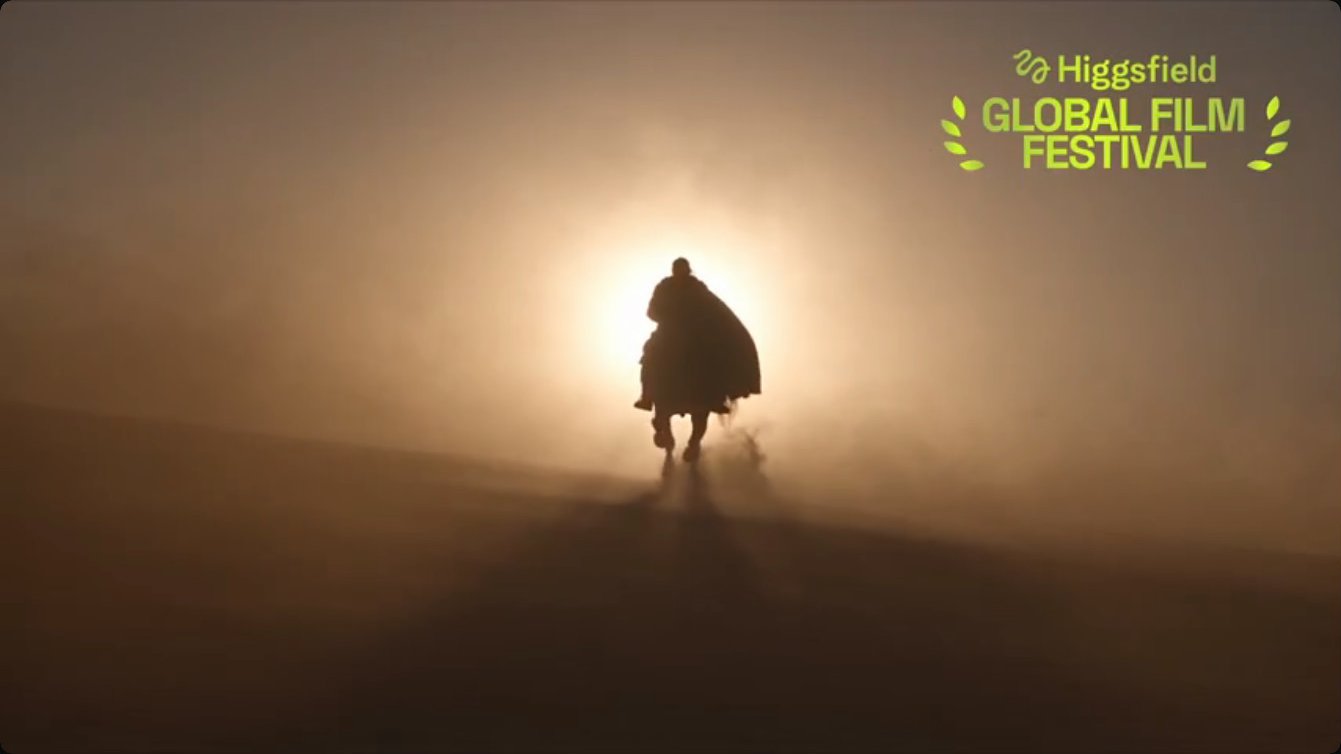
Does it work? Partly, and the part that works is real. The film has spent eight minutes teaching us what this road costs — a father who never returned, a boy who waited at the oasis — so the ride out lands as a sacrifice, not a shrug. But as a reading of it, and it is only a reading, the structure asks the audience to supply the entire second half: everything promised by the myth, the giants, the frozen survivor, sits on the far side of the credits. As the first movement of something larger, this is strong work. As a standalone short, it stops at the threshold of its own story.
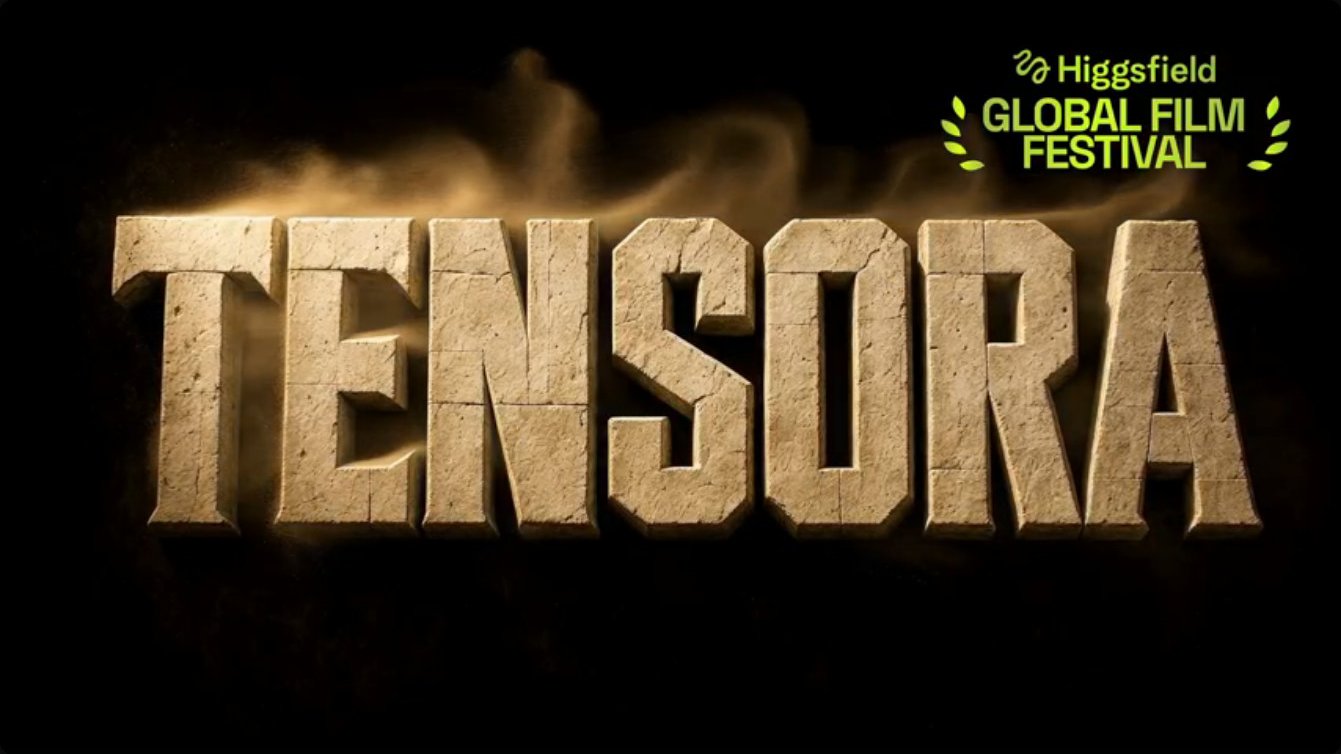
The craft has visible seams, and I will name them plainly. Faces morph between shots — Barron’s beard and hair shift, and Sol’s age and features wander, which matters in a film carried by a father and son. The giant’s scale is inconsistent, a horse’s legs dissolve into light in the sun-silhouette shot, and the hands wringing water over the sickbed bowl are veiny and over-long. The festival watermark baked into the picture is sometimes huge across sky and sand. The photography, though, is often beautiful — the oasis at sunset, the cairns in the haze — and the myth sequences have real sweep.
Final Thoughts
TENSORA is a father’s farewell dressed as the opening of an epic — rich in myth, warm at its centre, and honest enough to end on the hardest step: the first one.
I would recommend it to fantasy viewers who like their world-building mythic and their heroes defined by what they give up — with the fair warning that you are watching a departure, not an arrival, and that the arrival is a film I hope its maker gets to make.
Scene Breakdown
0:00–1:24 — Narration over the cradle and the courtyard: “a king becomes… a father.”
1:24–1:51 — Stone-throwing in the canyon of cairns; the crown-for-a-day promise.
2:20–3:43 — The myth of Tensora: bound giants, the Source’s wrath, one giant frozen beneath the ruins.
3:43–4:39 — The drought; his father rode out for Tensora and never returned.
5:34–6:04 — The sickroom: “He fights the spirit of the Black Fever.”
5:41–6:31 — Best Scene: the sickroom into the crowd’s confrontation, and the tearful close-up.
7:01–8:05 — “Thank you.” The farewell embrace; the ride into the sun; the stone title card.
~5:36 — The hands wringing water into the bowl look veiny, with elongated fingers.
~6:32 — The horse’s legs dissolve into light as Barron rides toward the sun.
Throughout — Faces morph between shots — Barron’s beard and hair, Sol’s age and features, the mother’s face — the obelisk carvings are pseudo-hieroglyph gibberish, and the giant’s scale is inconsistent.
By christianblaze79. An entry in the Higgsfield Global Film Festival.
There are no reviews yet. Be the first one to write one.