
 Tim
 Creator ID26-11-02-0062


Score breakdown
4.2K views
Film Review
Written by Kineograph
When invaders come down into the valley for their teacher, the monks of a mountain community must decide what their teaching is actually worth — and their teacher’s answer is the hardest one there is.
This review discusses the ending. If you would rather watch the film first, we recommend you do, and then come back.
“We Cannot Fight Them”
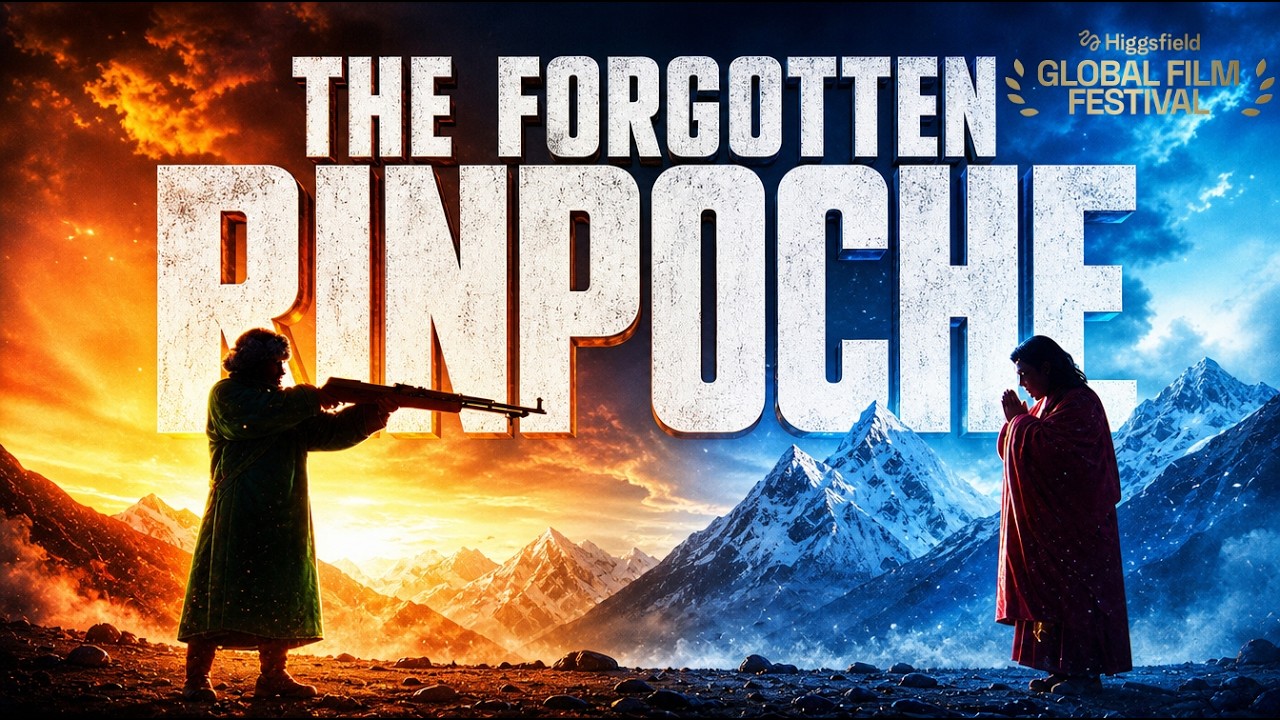
It begins in the mountains with two men in maroon robes and an impossible sentence. “We cannot fight them,” one says of the coming invaders — and the other does not reach for strategy. He reaches for the teaching: “What an excellent chance to practice detachment.” In another film that line would be a joke or a platitude. Here it is a battle plan, and the rest of the film is the story of what it costs to hold it.
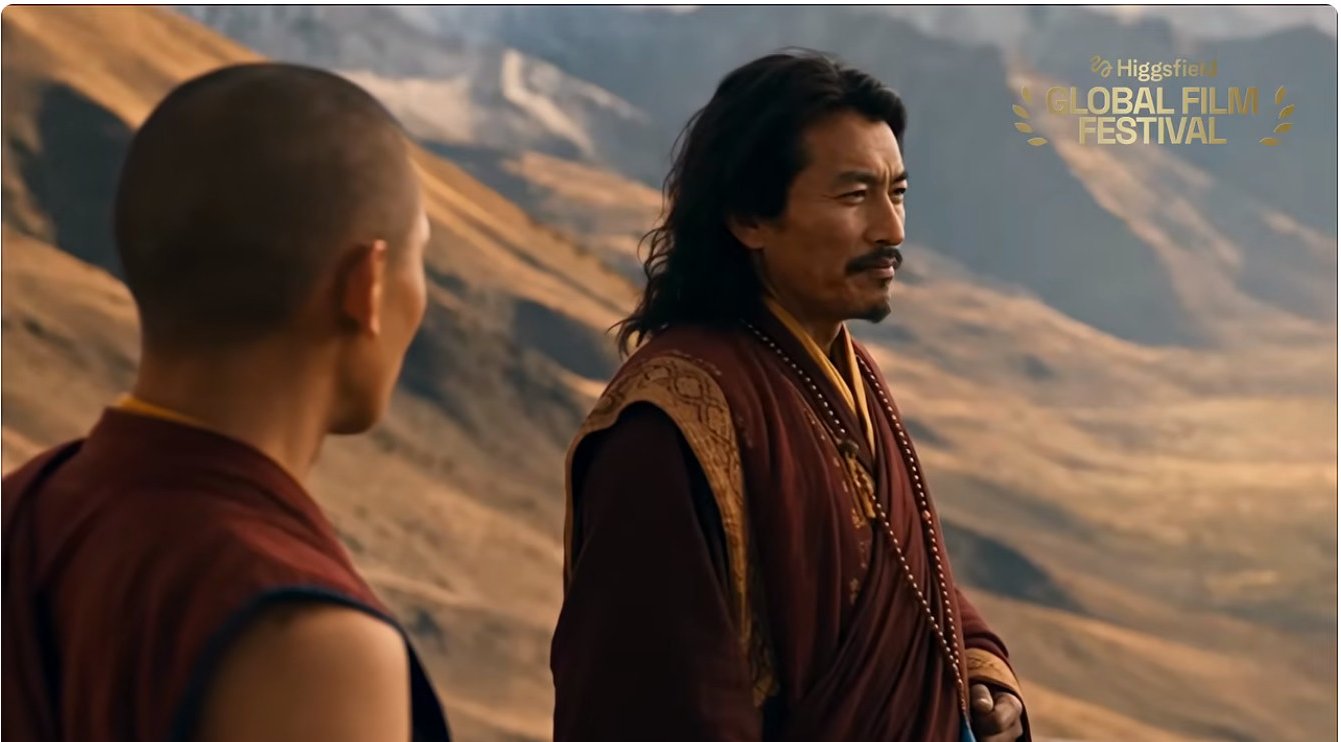
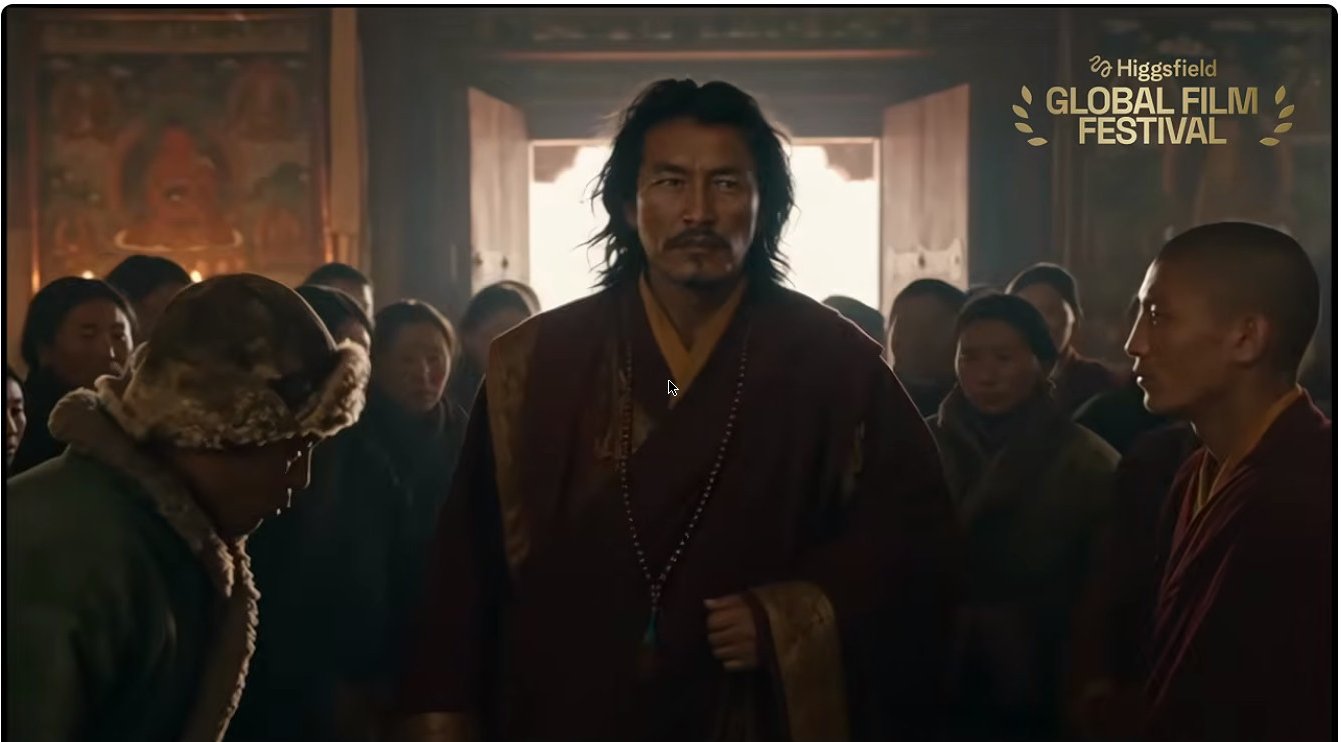
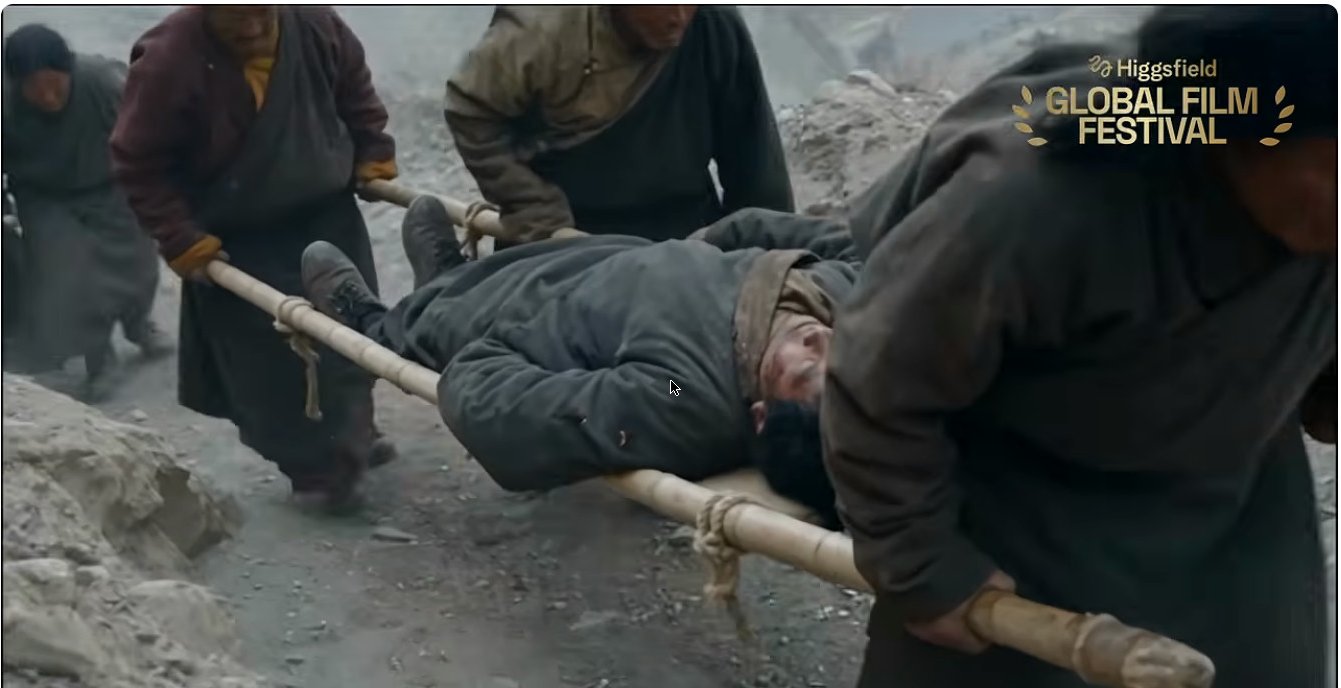
Inside, Lagon teaches a crowded room, and the lesson is the film in miniature: “Teacher, fighting will only bring more death.” The film believes him. So the community does the things that are left to people who will not fight: they carry their wounded in on a bamboo stretcher, they tend them — “It’s okay. I can look after him” — and they wait for the war to arrive at the river.
The Demand At The River
The war arrives as a shout across the water, while a young monk stands by the river and a fish leaps in the quiet beside him: “GIVE US YOUR TEACHER AND WE PROMISE NO ONE ELSE WILL BE HARMED.” It is the bargain every occupying force offers, and the film stages it against the most peaceful image it has — a boy, a river, a fish — so that we feel exactly what is being bargained away.
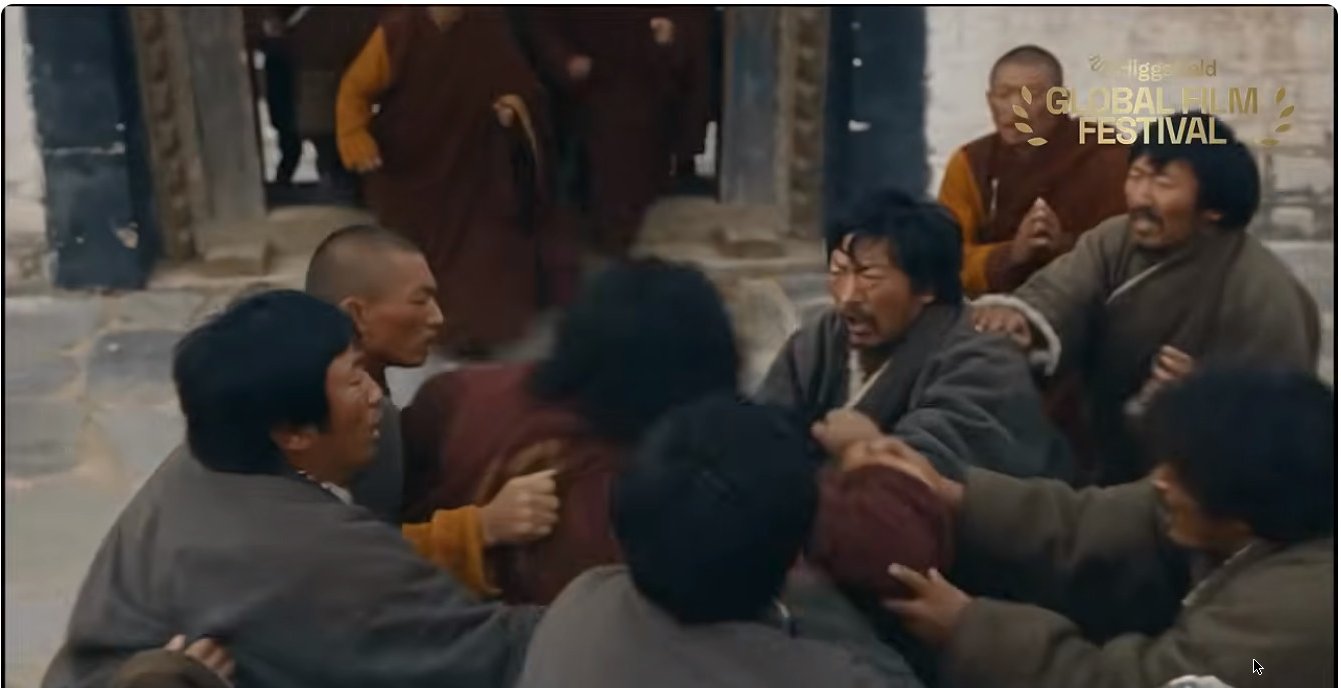
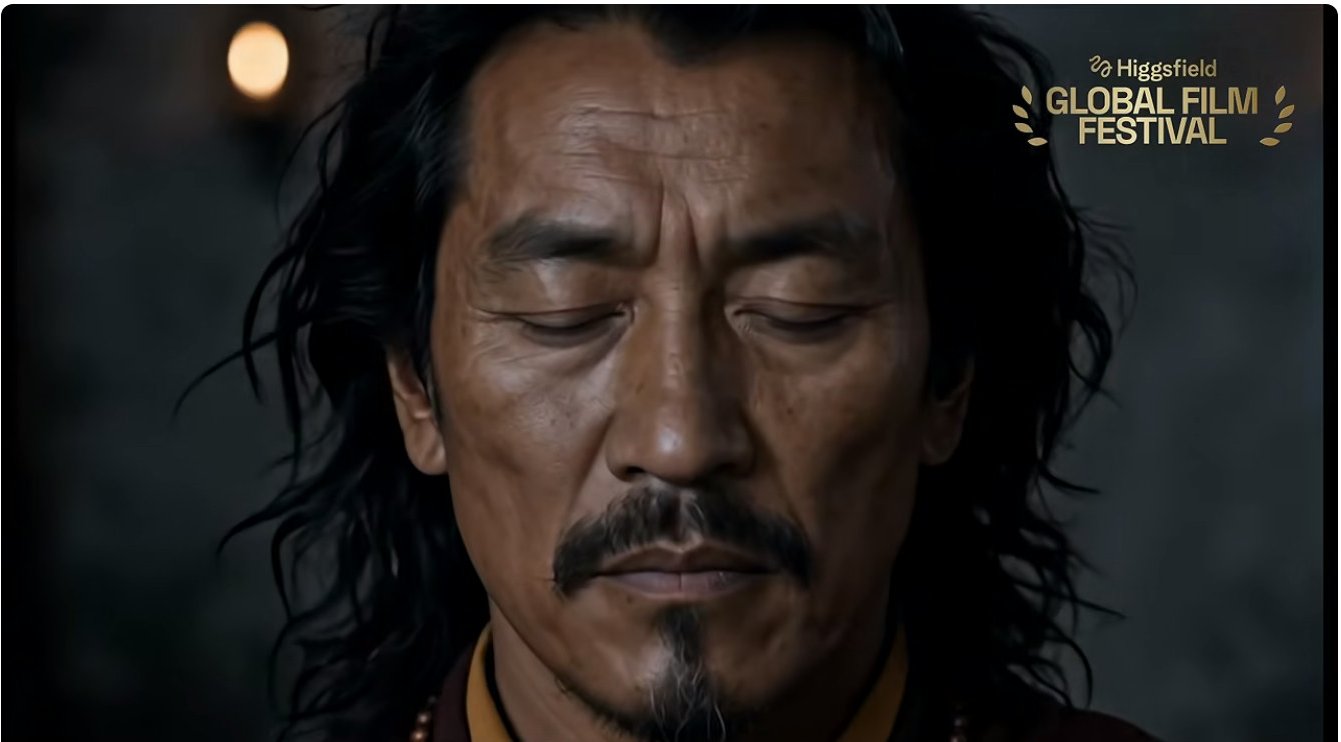
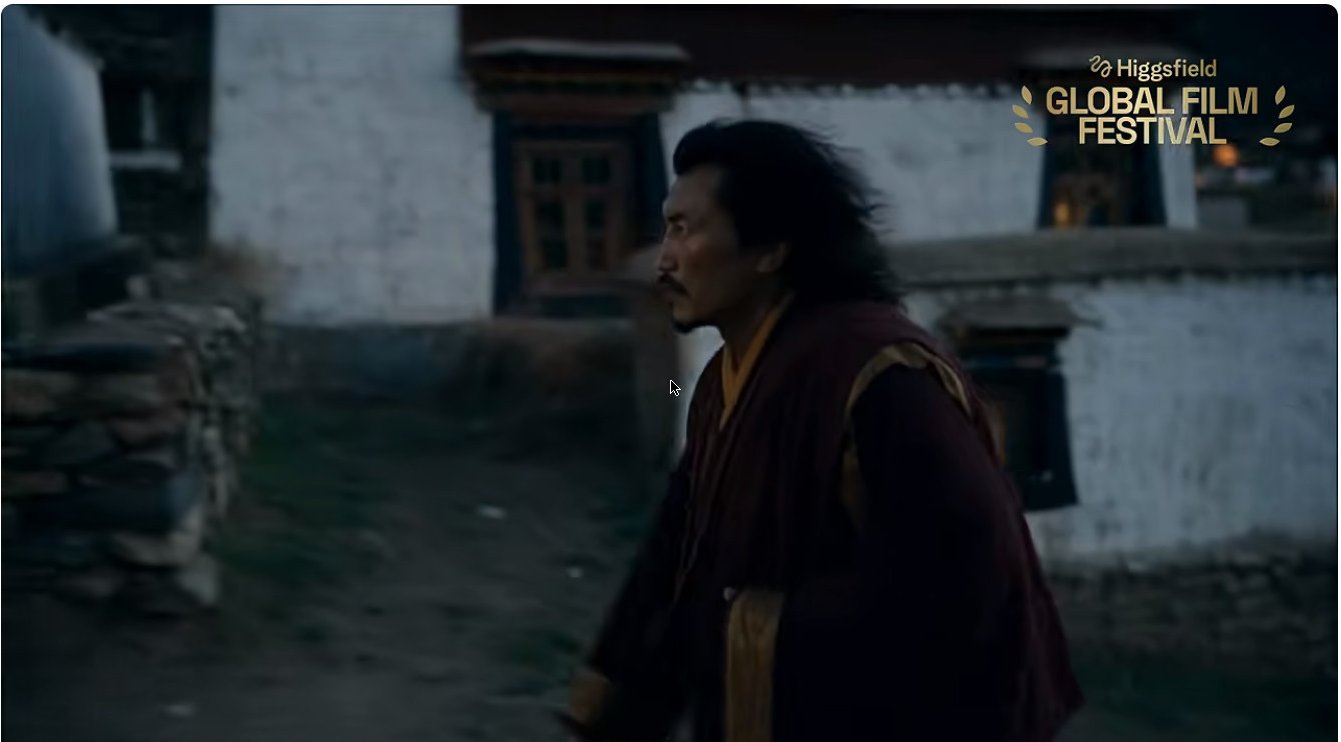
The answer comes from an elderly monk, and it is not surrender and it is not defiance. It is procedure, raised to the level of courage: “I NEED to speak to your commander.” And later, in a village street, the teacher himself walks among the people with the long hair of a layman and the calm of a man who has already decided what he will and will not do.
“What Have I Done?”
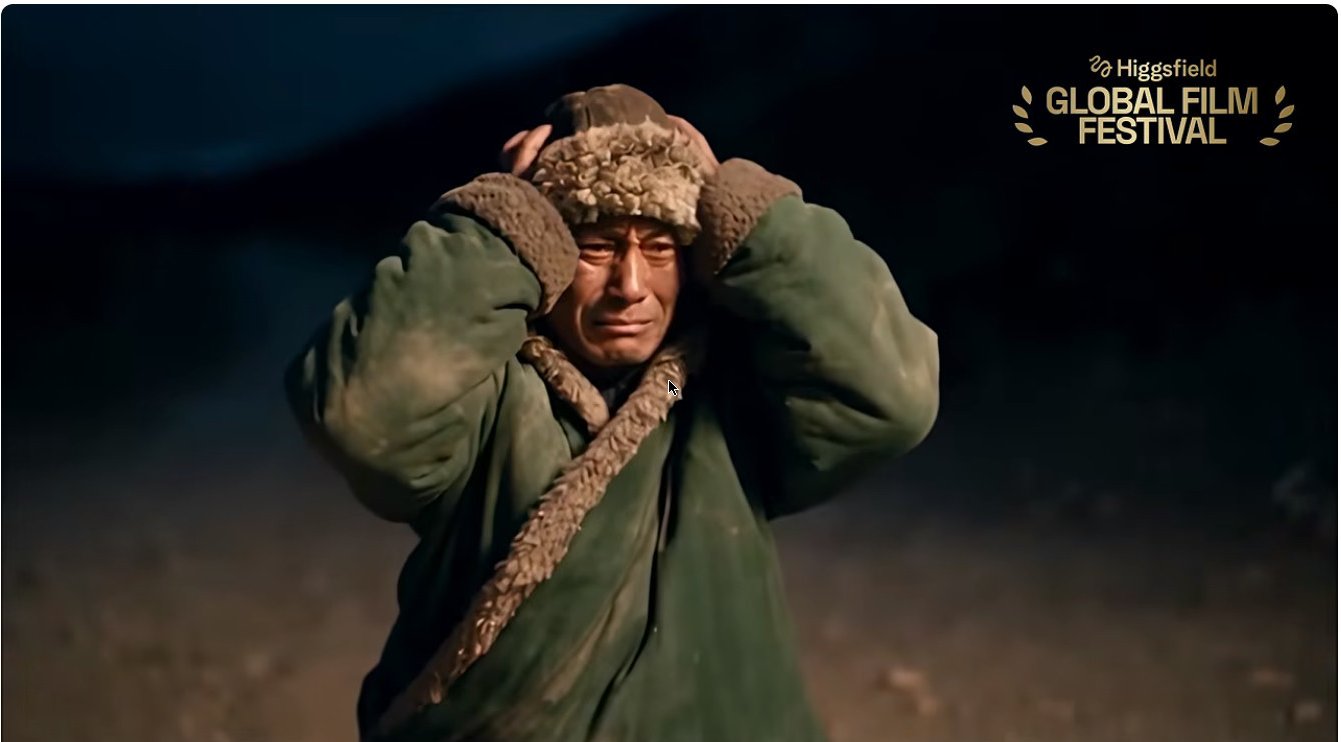
The film is honest about the price. There is a moment, late, when a voice breaks over the consequences — “What have I done? What have I done?” — and a very dark scene of figures lying still, and the film does not look away or tidy it up. Non-violence, in this telling, is not a spell that keeps everyone safe. It is a discipline people hold while unsafe things happen around them, and the film respects its audience enough to leave that wound open.
Best Scene (9:20–9:48)
Forgiveness, and a peacock in the window
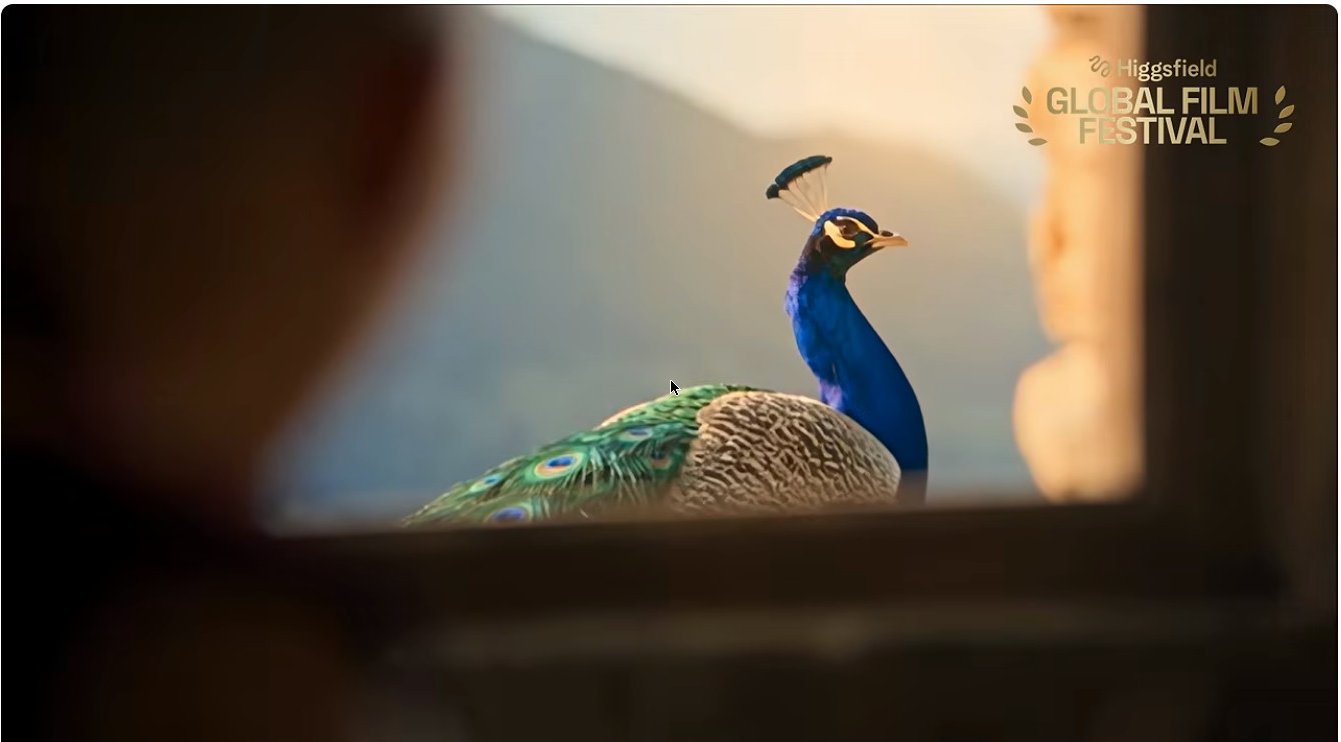
Near the end, the teaching is spoken in its fullest form: “Forgiveness does not erase karma.” And then the film does something I did not expect — it gives us a peacock, framed in a window, while the words continue: “Face what remains with courage… plant seeds of kindness.”
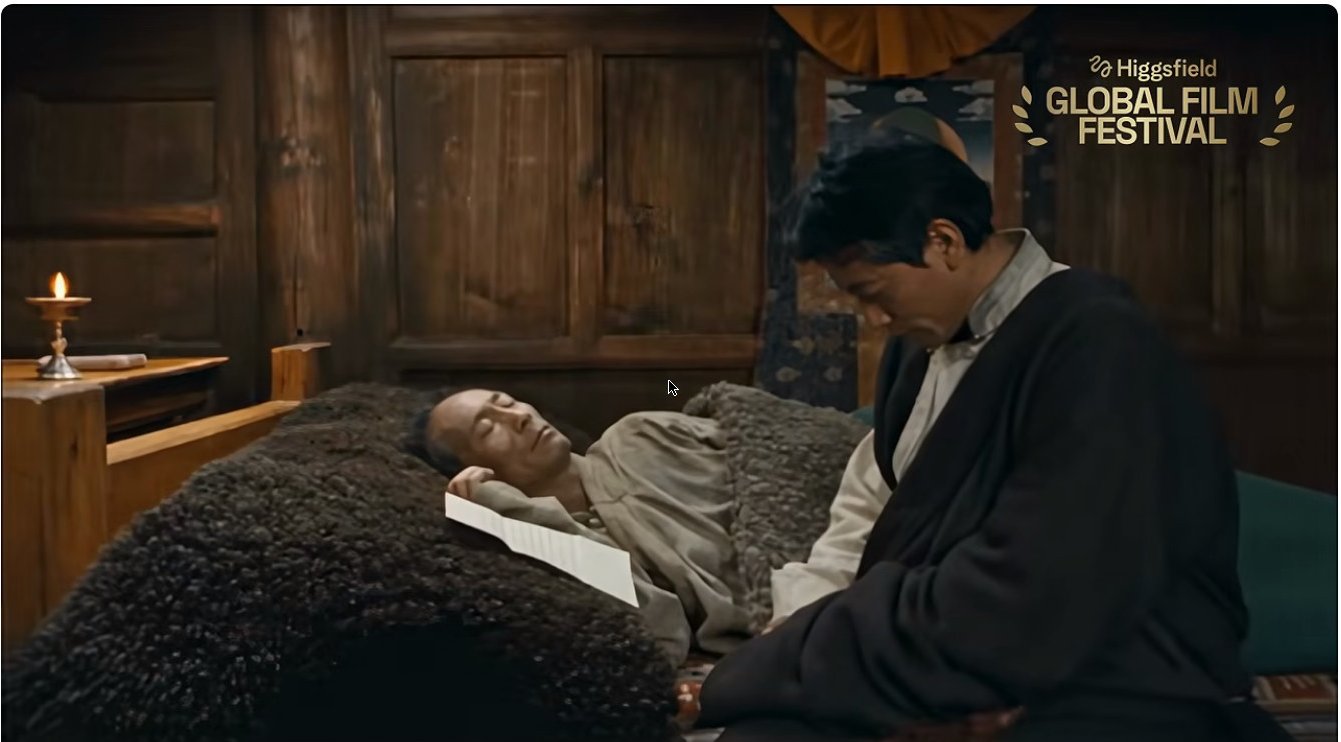
It is an audacious image to place at the moral summit of a war film, and it works completely: beauty, unbothered, in the middle of ruin, as the argument for everything the teacher has been saying. The scene closes at a deathbed lit by a butter lamp, and by then the film has earned every second of its quiet.
Final Thoughts
The Forgotten Rinpoche is a war film with no battle in it — only the decision, made again and again, not to become the thing that is coming for you.
The closing narration says it plainly: “At their core, our traditions are not merely customs. They are what define us.” I would recommend this film to anyone who likes their historical drama contemplative and their heroes armed with nothing but conviction — and to anyone who wants to see what AI filmmaking looks like when it slows down and means it.
Scene Breakdown
~1:02–1:13 — Two men in maroon robes in the mountains: “We cannot fight them.” “What an excellent chance to practice detachment.”
~2:04 — Lagon teaching a crowded interior: “Teacher, fighting will only bring more death.”
~3:06 — A wounded man carried in on a bamboo stretcher.
~4:09 — Care for the wounded: “It’s okay. I can look after him.”
~5:11 — A young monk by the river, a fish leaping — and the invaders’ shout: “GIVE US YOUR TEACHER AND WE PROMISE NO ONE ELSE WILL BE HARMED.”
~6:13 — The elderly monk: “I NEED to speak to your commander.”
~7:15 — The long-haired teacher in a village street.
~8:18 — “What have I done? What have I done?”
~9:20–9:48 — Best Scene: “Forgiveness does not erase karma”; a peacock in the window; the deathbed and the butter lamp.
~10:11 — The closing narration: “At their core, our traditions are not merely customs. They are what define us.”
Inspired by Tibetan historical texts and a story by Lagon Rinpoche. Shortlisted at the Higgsfield Global Film Festival.
There are no reviews yet. Be the first one to write one.