
 Pranav J
 Creator ID26-11-01-0049

Score breakdown
645 views
Film Review
Written by Kineograph
A podcast host who can trace any sentence back to its source begins to believe that people made of borrowed things aren’t really people.
This review discusses key moments and the ending. The film contains ritual violence, which is handled mostly off-screen. If you would rather watch first, we recommend you do, and then come back.
A Story Nobody Wrote
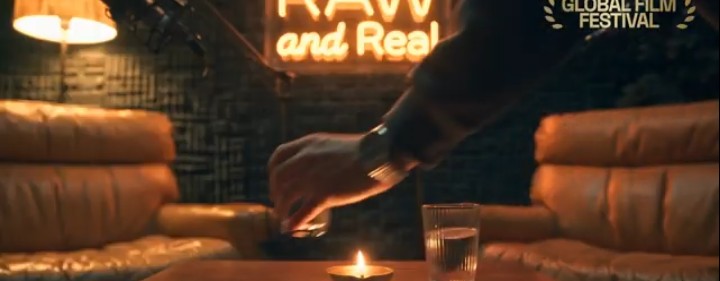
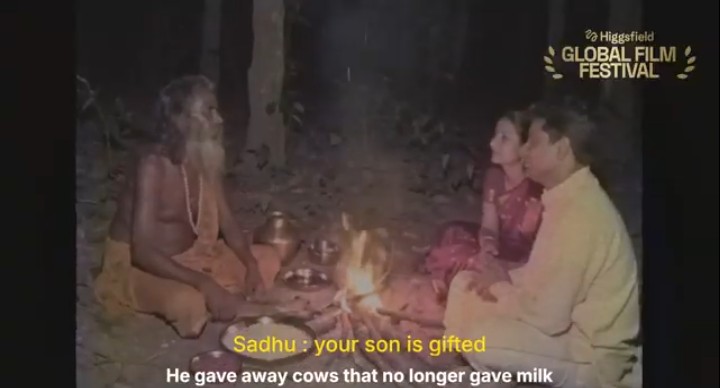
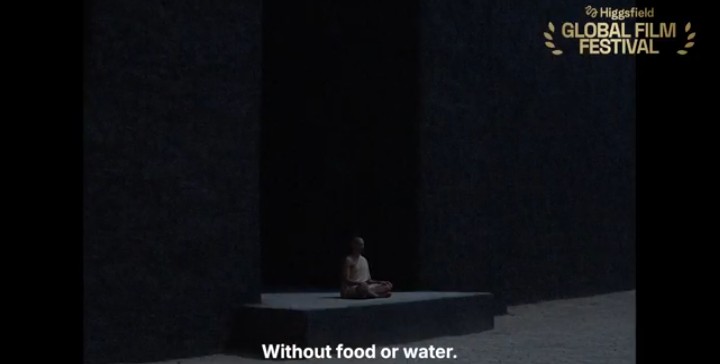
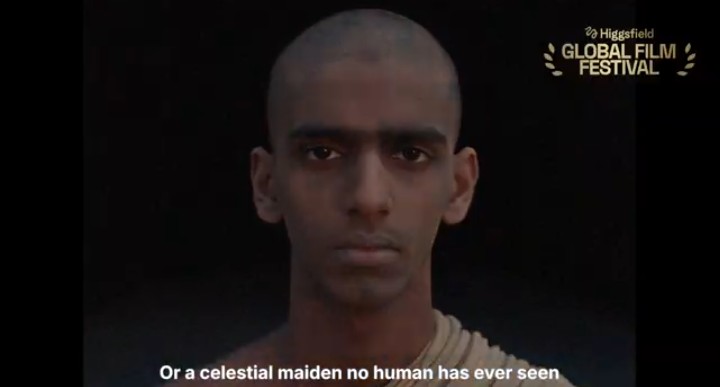
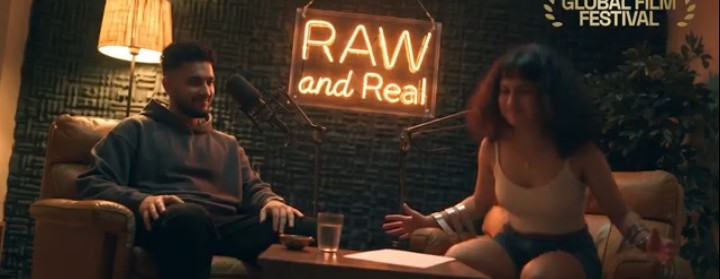
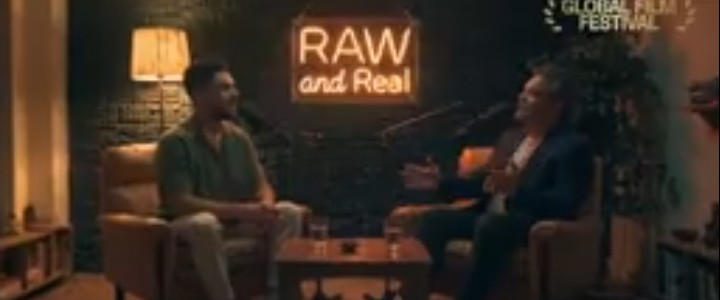
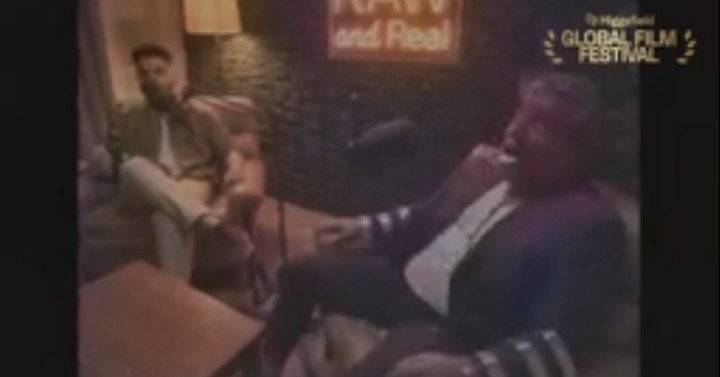
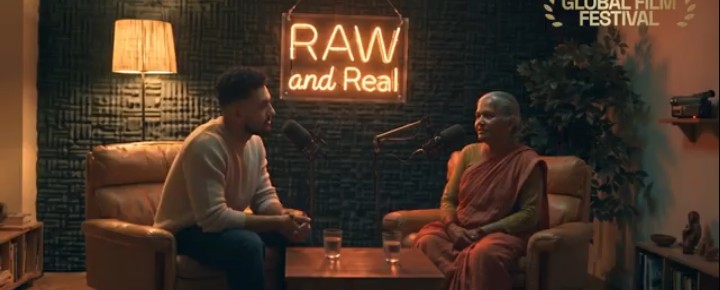
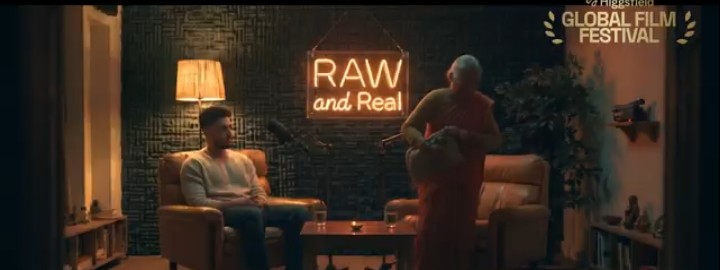
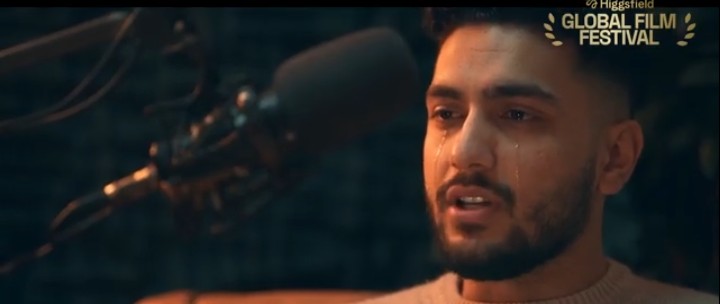
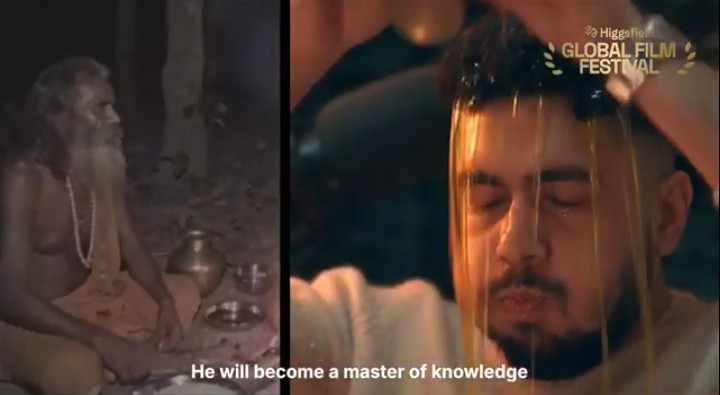
The film opens with a story. Ved, host of a podcast called Raw and Real, begins every episode with the same tale, and he tells us up front that it isn’t his. It is thousands of years old, nobody knows who wrote it, and whoever did must have heard it from someone. It is the story of Nachiketa, a boy whose angry father gave him away to Death. The boy went, and sat at Death’s door for three nights without food or water. When Death returned, he told the boy to ask for whatever he wanted: wealth, all the knowledge in the world, or an apsara no human has ever seen. The boy refused everything. He wanted only one answer.
It is a smart opening, because it plants the whole argument in plain sight. The first thing we learn about Ved is that he knows his favorite story is borrowed, and he says so cheerfully. The film cuts between his warm studio and images of the boy, and the cutting tells us that Ved sees himself in Nachiketa: patient, incorruptible, ready to refuse everything for the truth. It takes the rest of the film to show how wrong that self-portrait is.
The Bag, and What He Didn’t Say
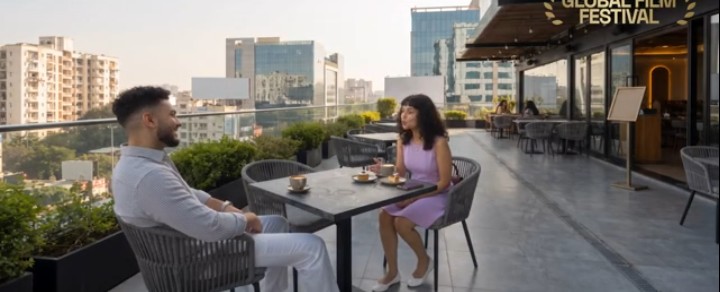
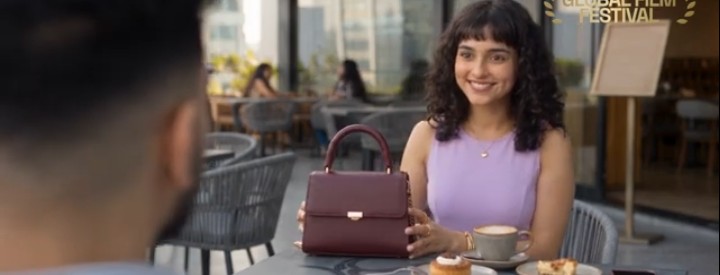
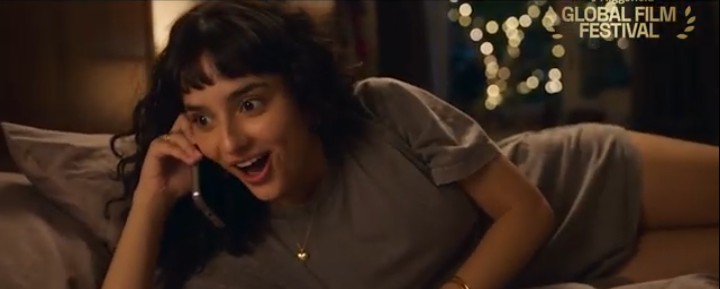
On a rooftop café, Ved sits with his girlfriend Maya as she shows off a new handbag and says she bought it with this month’s paycheck. “Self-care, isn’t it?” Ved smiles and says nothing, but we hear his thoughts, and we see his gift at work. He traces her words back to their origin, and the film shows us the truth: a man handing her the bag. In his head the evidence stacks up. Payday is eleven days away. “Self-care” is a line from last month’s reel, someone else’s words. The bag costs far more than she has ever spent on anything. Someone gave it to her. Some man.
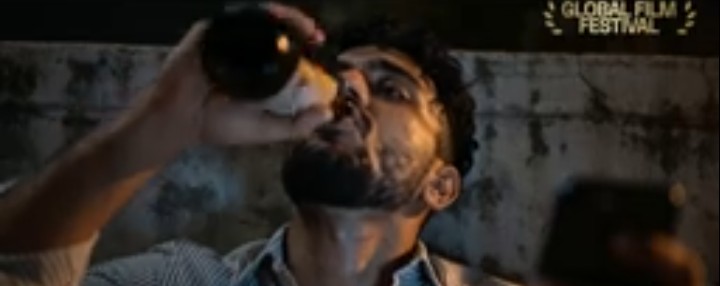
What I admire is the restraint. He does not confront her. He files it away. Later he stands on the sidewalk with a drink, watching her videos, including one in which she tells her followers that hiding even one thing from your partner makes a relationship a performance. His reaction is not rage but a weary certainty: nothing is real anymore, no one. Then he calls her.
Even Your Lowest Day Is Someone Else’s
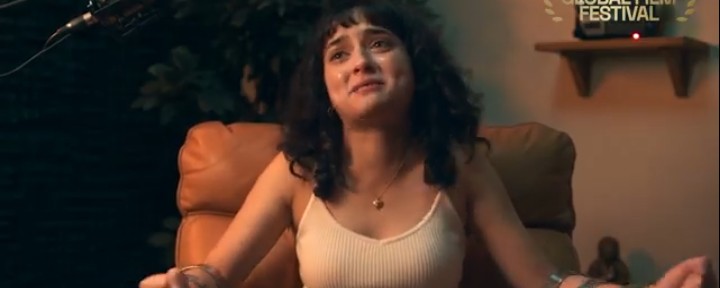
He invites her onto his podcast and she says yes at once. He introduces her as a woman with a million followers whose daily videos change other women’s lives, then asks for her lowest day, the night before she started her page. She describes crying on a bathroom floor, looking into the mirror and saying, “Enough.”
What she doesn’t know is that Ved sees something else: a stranger’s video from three years ago, “My Rock Bottom Story,” with the same floor, the same mirror and the same word. Even her lowest day is someone else’s. That is the film’s sharpest idea in miniature, a confession that sounds like intimacy but was assembled from content. The recognition is uncomfortable, because we have all seen that kind of confession.
Make Something Only Yours
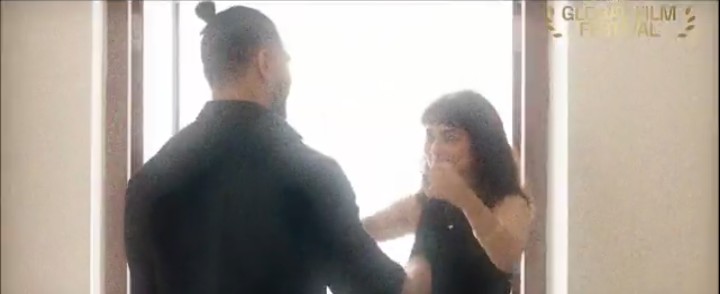
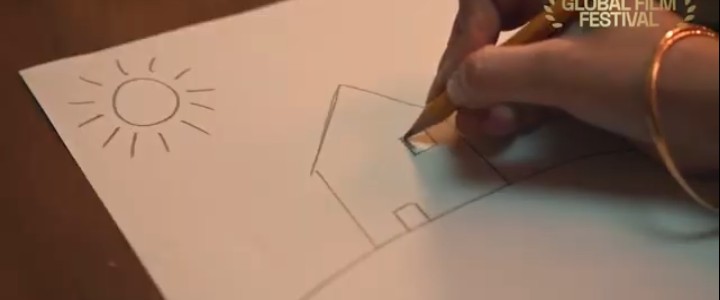
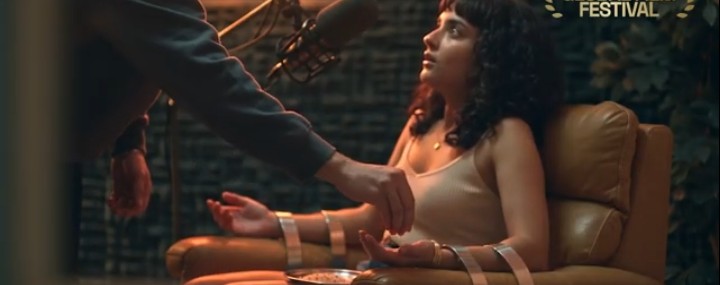
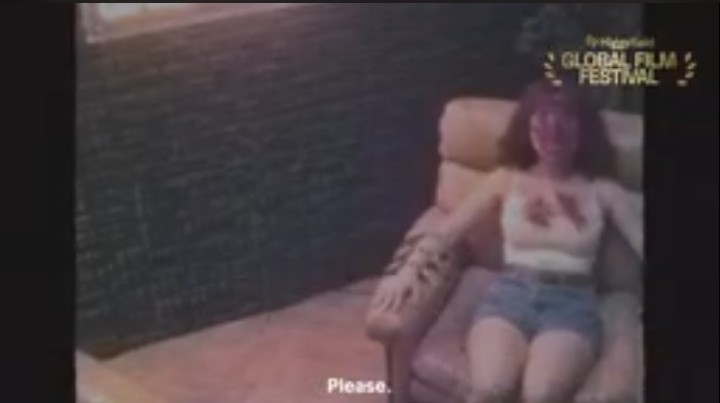
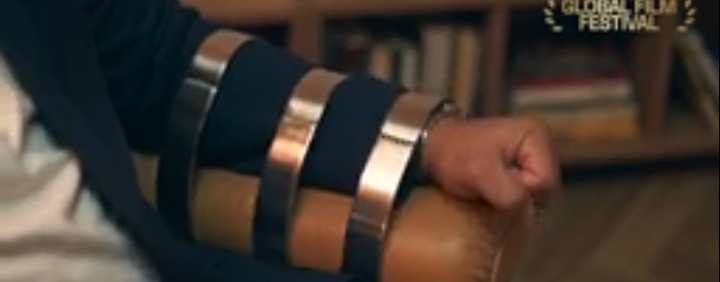
Ved then challenges Maya to draw something, anything, from nowhere, only hers. He names the source of every line. The sun she drew came from a greeting card she saw as a child. The house with the corner window is from a design reel. The heart is her logo, which he designed himself. Maya panics, and suddenly she is strapped to the chair by her arms.
Ved is soothing. It is fine, it is not your fault. We are so consumed with everything, he says, everything seen, heard and spoken, that we live entire lives without experiencing one real thing. The horror is that he is partly right, and the film knows it. It does not give the villain a stupid argument. It gives him a true observation and a terrible conclusion, and that is what makes him frightening.
A Funeral, Gently Given
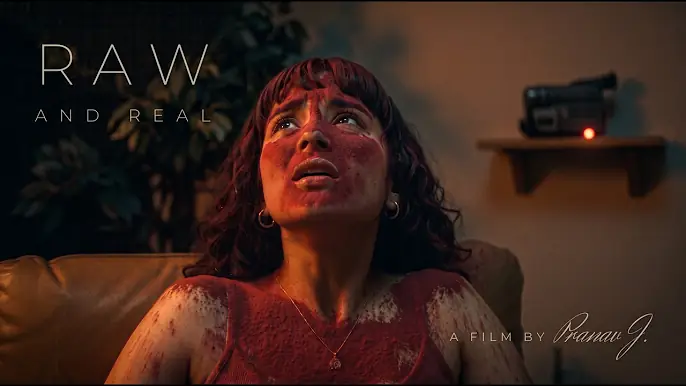
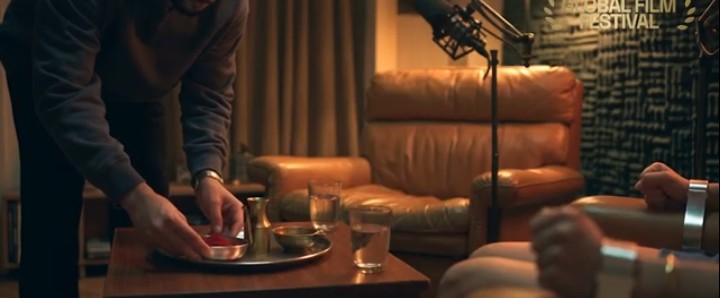
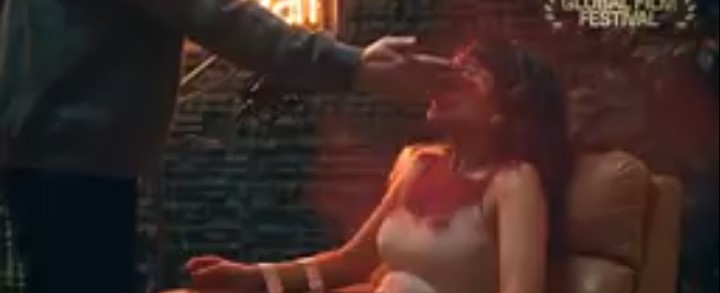
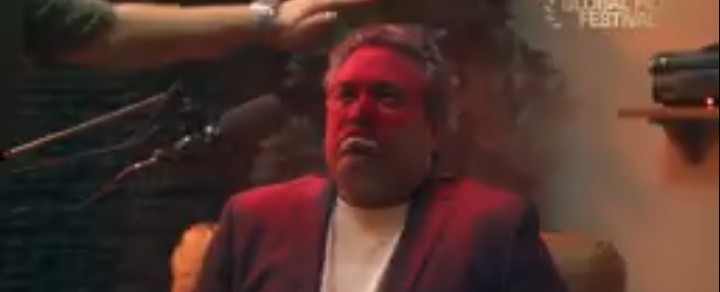
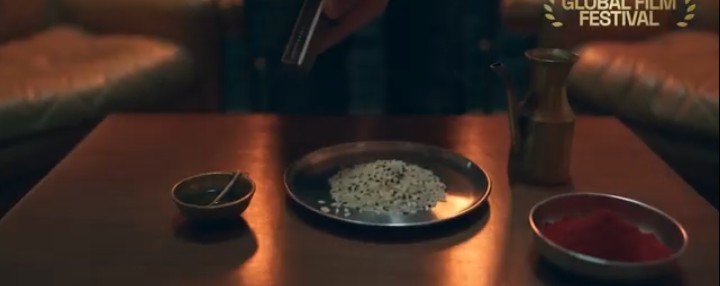
Ved asks one last question: where did the bag come from? Maya says she can explain. He says she can’t, and begins to pour liquid over her. What follows is his private rite, a funeral assembled from old customs: rice, oil on the crown of the head and red powder across the face, each a farewell the living traditionally offer to the dead.
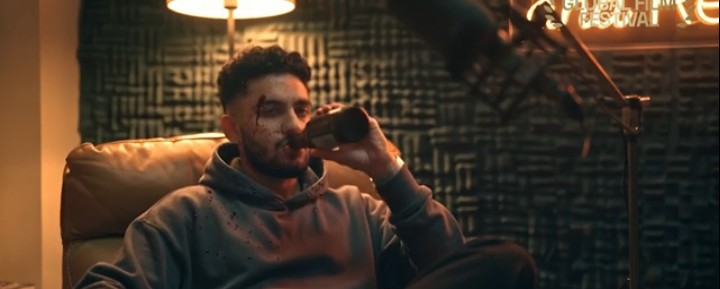
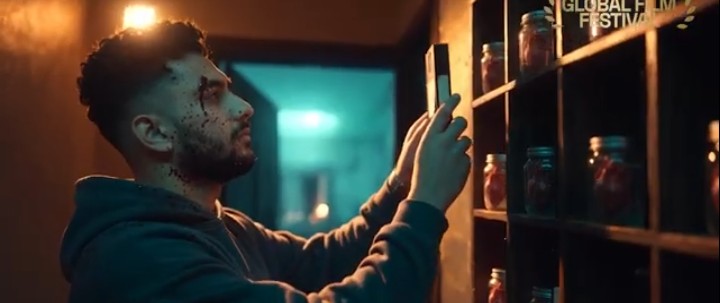
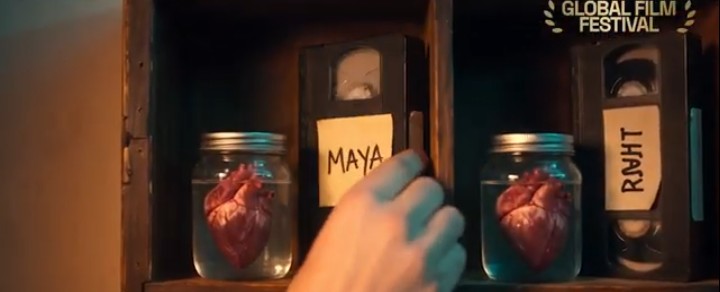
The horror is twofold. His guests are alive when it happens, and Ved is gentle throughout, even singing a lullaby, because in his mind he is not killing anyone. He is finally letting a ghost rest. The film cuts away at the moment of violence and shows only blood on his face. Then he sits, drinks a beer and looks at a wall of jars, each holding a heart beside a recording of a guest. A few spaces are empty. He adds Maya’s. The calm is more disturbing than anything we are shown.
A Shell That Looks Like a Person
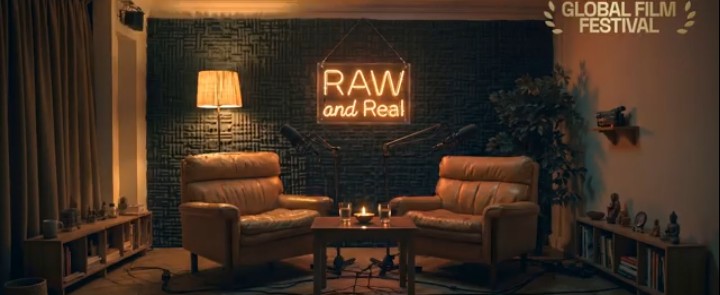
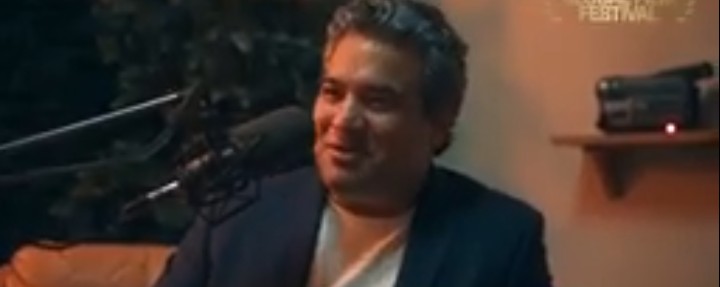
His second guest is a famous motivational speaker, Vikrant Sharma, who arrives with the confidence of a man whose book is on every shelf. He praises the minimal setup, then tells a story about losing his father: he was like a ship without a lighthouse. Ved traces it to an episode of Vikrant’s own podcast, and the lighthouse to a film monologue. “You’re just a carrier,” he says, “a place words pass through.”
Then he gives the film’s definition of a pret: a shell that keeps looking like a person after the person is gone, one that eats what it has been fed and creates nothing, only repeats. It is not evil, he says, just empty. Nobody performed your last rites. It is a cruel diagnosis delivered with such tenderness that you feel the pull of his logic, and the line that chilled me most comes right after: “I’m not killing anyone. I’m only doing what nobody else did.”
The Flower Seller
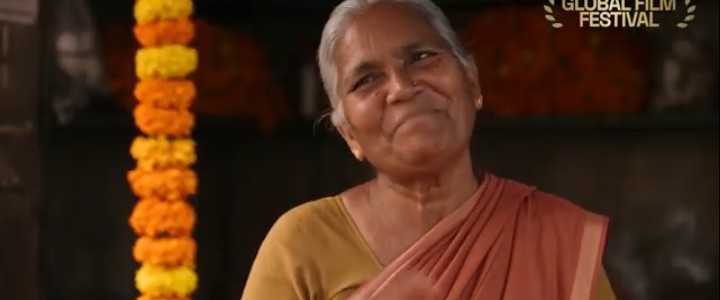
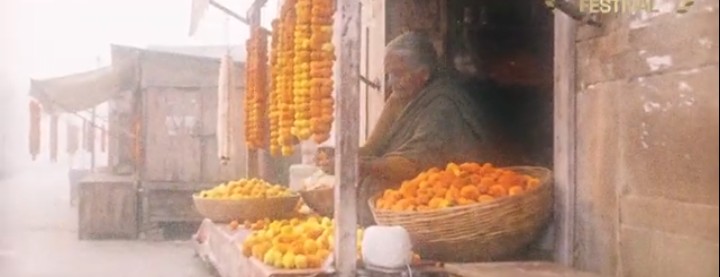
The third guest changes the film. Ved buys a flower from an aunty outside the temple and asks her to be on his podcast. She laughs and asks what he could possibly interview her for, but he asked so sweetly she cannot say no. She has no page and no followers. She has sold flowers for twenty-six years, ever since she sat down in her mother-in-law’s place on a day her mother-in-law was ill, and then stayed. Now even the temple people call her by that name.
Ved runs his trace and gets a surprising result: it is all hers, and it is all true. Notice what the film is doing. This woman’s whole life rests on something she inherited, a place, a name, a routine. By Ved’s own rules she should be the emptiest guest of all. Instead she is the only one he cannot fault. When he asks what inside a person is only theirs, she answers honestly: she doesn’t know, she has never thought about it.
The Question Turned Around
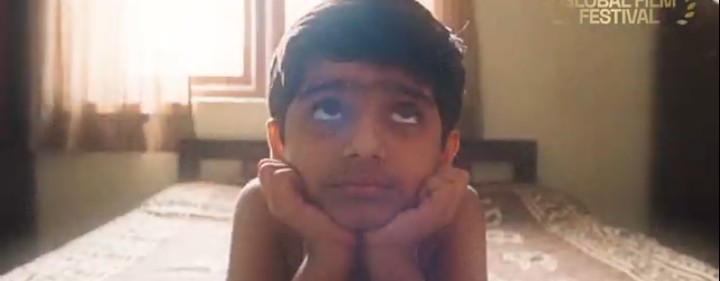
Then she asks it back: what is the most real thing he has ever done, with no adulteration, something that is only his? For the first time, Ved turns his ability inward. He starts listing titles of films and shows, and finds every one of them borrowed: my words, someone else’s, my ways, someone else’s. The trace leads through images of his father cutting rice in a field, and of himself as a child, in a memory, speaking to his mother. “Mom, can I become like Nachiketa too?” he asks, wanting to be like the boy in the story who refused everything for the truth. Back in the present, the aunty answers him with the same gentleness a mother might: “I don’t know. It’s okay. Not everyone knows. Buy flowers sometimes, for home.”
This is the emotional hinge of the film. The trace does not end in emptiness. It ends in a father in a field, a mother telling a story and a child who wanted to be good. The things Ved has been calling borrowed are the things given to him by people who loved him. One of the closing songs says it directly, that everything he knew, someone had given him, and that there is one thing no one can give. The film never says what that one thing is. My reading is that it is the choice of what to do with everything you have been given.
A Funeral Performed Alone
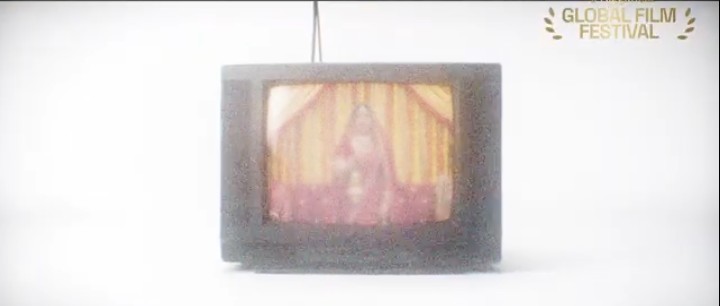
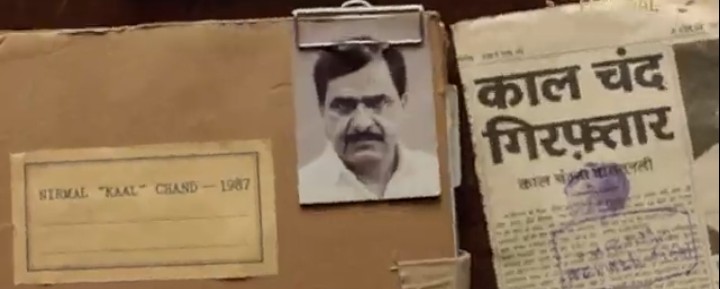
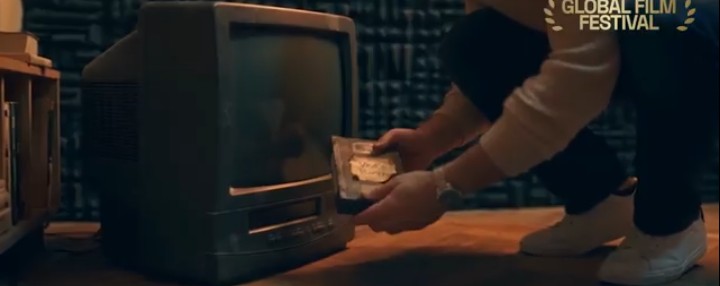
Ved cannot accept the answer. He puts a video cassette into an old TV and presses play. On the screen, a couple stands before a man in some kind of ritual. Ved places three things on the table, oil, rice and red powder, then sits in the chair, watching and listening. He pours the oil over himself, puts rice in his mouth and covers himself with the powder. He dies, and the film ends.
The brief offers a key to this scene: a funeral rite is something done for you, by someone who comes after, so watch what it means when a man performs one alone. It means there is no one who comes after. Ved becomes the very thing he feared, a ghost nobody buried, finally burying himself. The cruelest irony is that he learns the rite from a tape. Even his death is a copy, taken from a ritual he watched and performed alone in a home studio. He never found the one real thing. He found one more thing to borrow.
Copies of Copies
I loved the idea at the heart of this film, and I want to say why. The brief calls it a statement about its own medium, a story about copies of copies, made with generative tools. Ved’s belief, that anything made of borrowed things is not really alive, is the argument most often aimed at AI-made work: it only repeats what it was fed. The film takes that argument seriously. It gives it a charming voice and a lovely studio, then shows what happens when someone believes it all the way. It destroys everyone, including the believer.
Here is what Ved cannot see. The story he opens every episode with is itself a copy of a copy of a copy, passed from mouth to mouth for thousands of years with no known author. If borrowing makes something empty, then the story that defines him is empty too, and so is every song, prayer, recipe and name we inherit. The flower seller is the film’s proof that a life can be built from inherited materials and still be entirely real, because she does not pretend otherwise and she does not perform. She simply lives it.
The film does not let anyone off easily, though. Maya and Vikrant borrow words and present them as their own, and the film is sharp about that hollow kind of repetition. So I read it as cutting both ways. It warns makers, including anyone working with these new tools, that borrowing without sincerity is empty. And it warns the rest of us that deciding what is real by tracing where it came from is a cruelty of its own. What matters is not whether the pieces were borrowed, but whether someone is behind them, paying attention. That is my interpretation, but I think the film earns it.
This is why I think it is such a true representation. AI films are often dismissed as a copy of a copy, a remix of everything that came before, and the film does not run from that accusation. It states it honestly, puts it in the mouth of a man we almost want to agree with, and lets us feel its weight. Then it answers it in the most convincing way possible, by being its own thing. It borrows an ancient story, old funeral customs and the language of podcasts and reels, and still there is nothing else like it. The amber studio, the jars on the wall, the VHS memories and the flower seller’s kindness could only belong to this film. The message I love most is the one it proves by existing: even a copy of a copy can be its own unique thing. For me, that makes it the most brilliant story I have seen about AI films, and it made its point without ever raising its voice.
The Look of a Copy
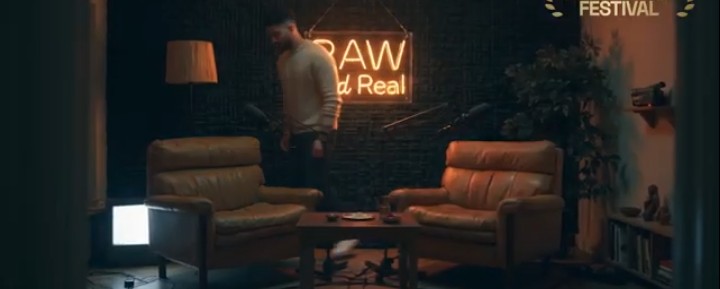
The film’s look says the same thing. Its world is amber neon and lamp warmth against deep black, a night-locked home studio where it is always the same hour. The memories arrive as degraded VHS, framed in 4:3 inside the widescreen image, and the choice feels exactly right. Tape loses a little of itself every time it is copied, so the format becomes the theme made visible: a copy of a copy, a little softer each time.
The score is sparse and textural, built from bowed metal, tape hiss and a detuned harmonium, and a grain pass ties the mixed sources together. It is also a solo production, and the control of tone across ten minutes is impressive.
What the Credits Leave Behind
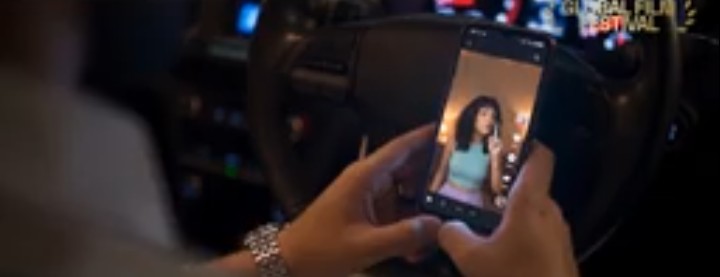
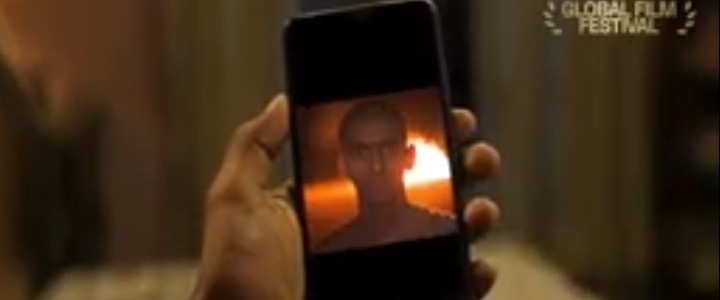
During the credits, someone watches Ved’s podcast on a phone. They scroll and find a video of the boy from the story, Nachiketa, the one who was given away and offered anything by Death. I read it as the next person being chosen to continue the sacrifices, which fits the film’s logic: the story is never finished, because it is always being passed on. It is also a quiet reminder that scrolling, receiving and repeating is what we all do every day.
Over the credits we hear Maya’s introduction again, a million followers, and the flower seller’s gentle “Beta, honestly…” as if both voices are still circulating. Nothing ends. It just gets passed on.
Final Thoughts
A haunting, intelligent horror short about borrowed words, inherited lives and the cruelty of deciding what is real. It is chilling, but what stays with me is its tenderness: the flower seller, the father in the field, the child who wanted to be like the boy in the story. I loved the idea that a copy of a copy can still be its own unique thing and carry something true, and that the question is not where something came from but who is paying attention to it. To me, it is the most brilliant story I have seen about AI films. Highly recommended, and worth a second watch to catch every sentence Ved traces.
Scene Breakdown
0:00–0:55 — Ved opens the episode with the story of Nachiketa, cutting between the studio and images of the boy.
0:55–1:38 — On a rooftop café, Maya shows Ved a bag she says she bought. He sees the truth, that another man gave it to her, and says nothing.
1:39–2:05 — On the sidewalk with a drink, he watches her videos, including one about lying to your partner, and calls her.
2:06–2:57 — He invites her onto his podcast and asks about her lowest day. He sees what she saw.
2:58–4:03 — He asks her to draw and traces every line to its source. She panics and is strapped to the chair. “It’s fine. It’s not your fault.”
4:04–4:26 — One last question: where did the bag come from? He begins to pour liquid over her.
4:27–5:10 — The rite is completed off-screen. Ved drinks a beer, looks at the wall of jars and adds Maya’s.
5:10–6:48 — A famous motivational speaker is interviewed, traced and strapped to the chair. The ritual follows.
6:49–8:50 — A flower seller answers honestly and asks Ved her own question. He sees his father in the field and himself as a child, and the interview ends.
8:51–9:32 — Ved plays a cassette on an old TV, lays out oil, rice and red powder, and performs the rite on himself. He dies. The film ends.
9:45–10:02 — Credits scene: someone watches the podcast on a phone, scrolls and finds a video of the boy from the story.
There are no reviews yet. Be the first one to write one.