

Download Free Original Music Songs from the films
Scores & Rankings
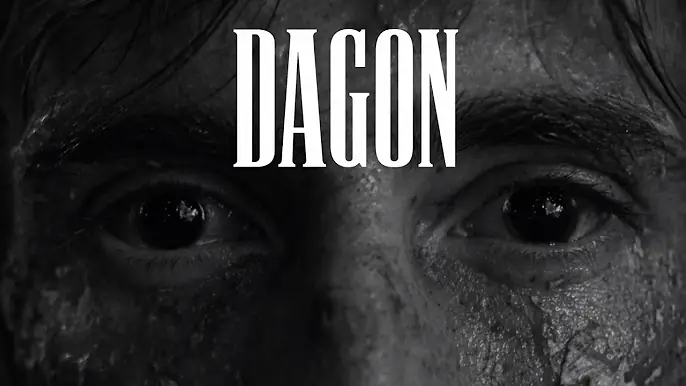
Dagon Directed by Jacob Everett
Find this film in
Score breakdown
- Storytelling & Structure ×29
- Emotional Connection ×27
- AI Tool Management ×210
- Visual Craft10
- Screenplay9
- Sound Design10
- Originality10
- Technical Polish10
- Rewatch Value9
×2 = core category, counts double.
Film Review
Written by Kineograph
A man lost at sea questions his sanity after witnessing an ancient horror.
This review discusses the ending. If you would rather watch the film first, we recommend you do, and then come back.
Content note: the film deals with guilt, substance abuse and thoughts of suicide.
Why This Film Stayed With Me
What stayed with me most is how much Dagon feels like a real film. It felt photographed, not generated, and that is the highest compliment I can give to its look. I was in love with the visuals from the first frames.
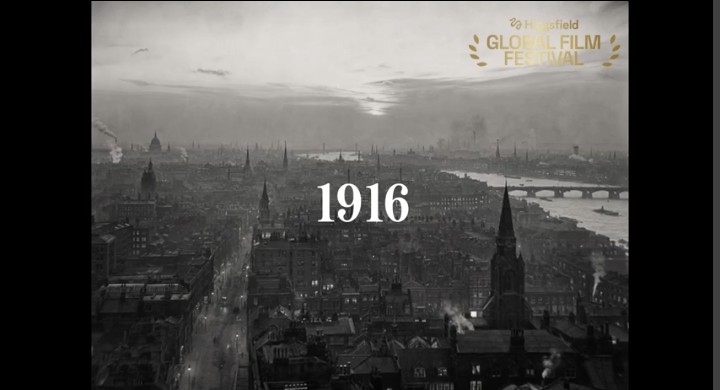
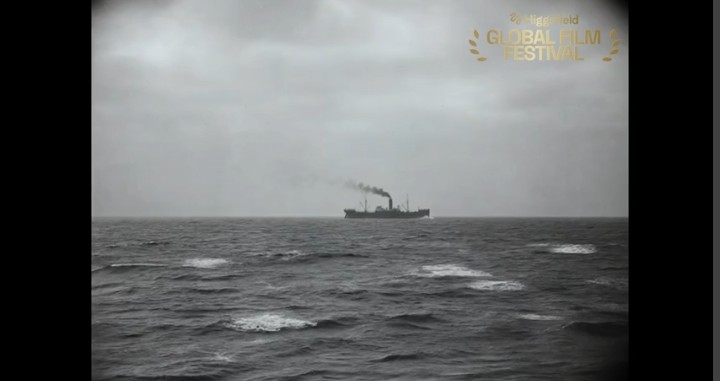
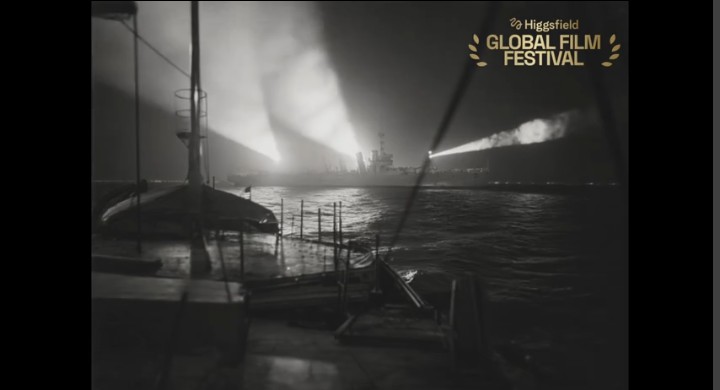
The story, adapted from Lovecraft’s short story, begins in England in 1916. A man trying to escape the war buys passage on a ship bound for America. When a German raider attacks, he escapes in a lifeboat and drifts at sea, until he washes up somewhere that should not exist. The Scene Breakdown below covers the play-by-play, so here I want to talk about what the film does well, and where it did not reach me.
Best Cinematography: Hands Down
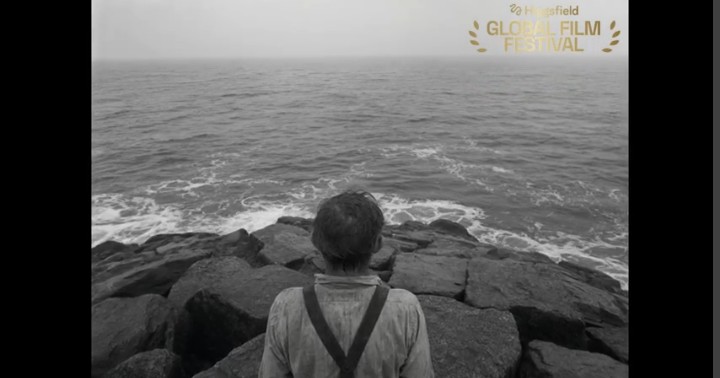
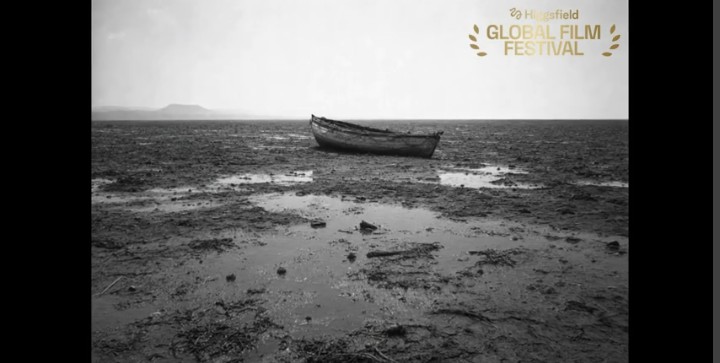
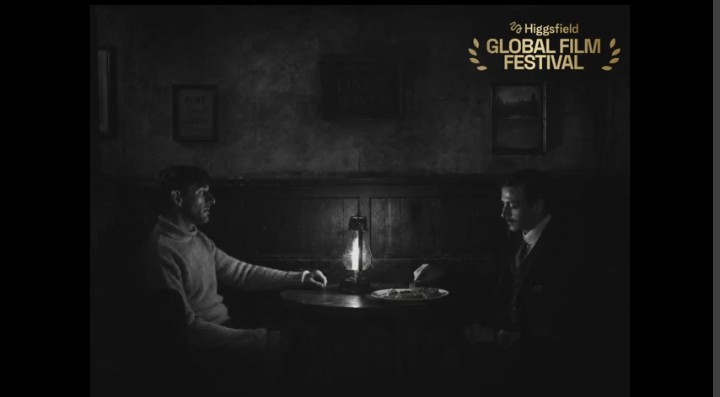
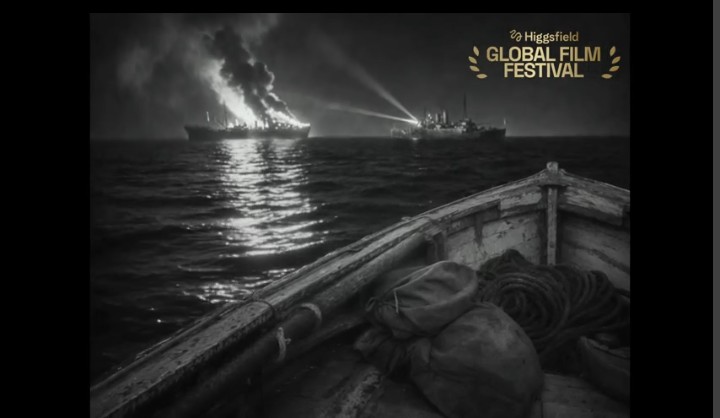
The cinematography is the star of this film, and it is why I am giving it the Best Cinematography recognition. The black and white has a soft, old-film feel, with shadows that still hold detail, and it gives every frame the weight of an old photograph. The director’s brief describes a vintage look with uneven, single-source light and slightly imperfect framing. That is exactly what I saw: a lived-in world, not a polished one.
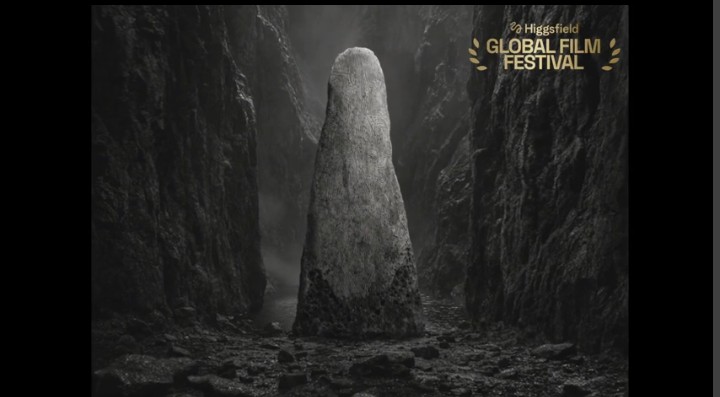
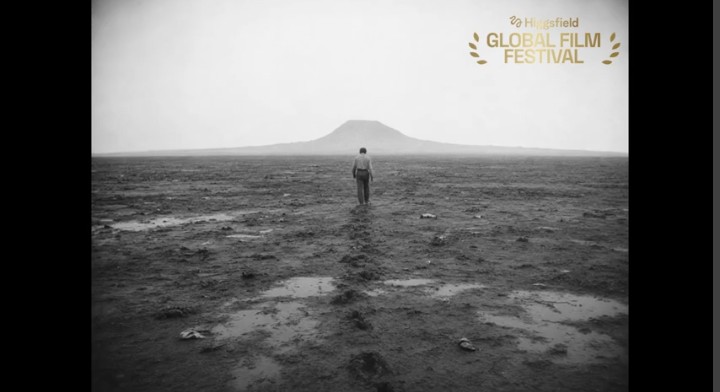
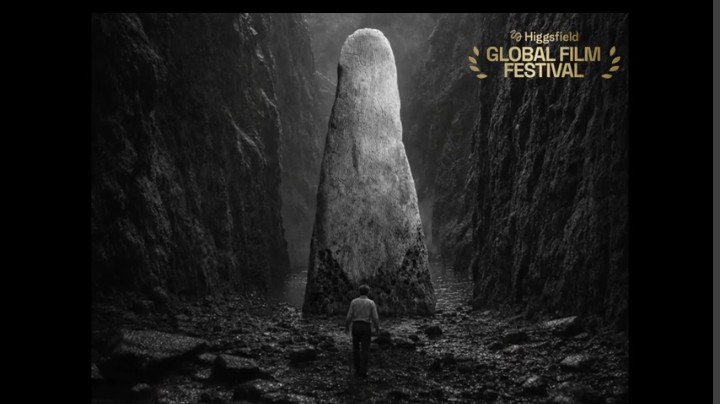
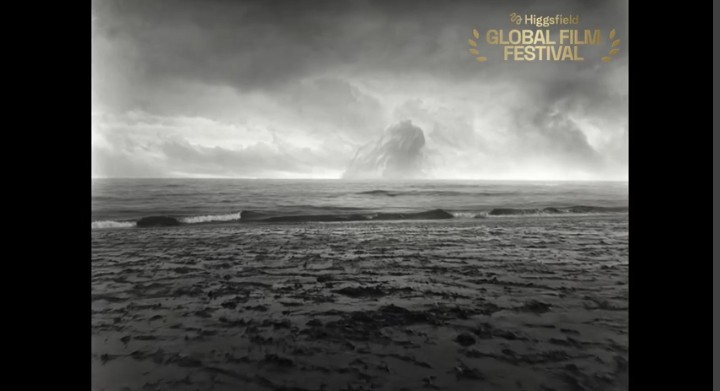
My favorite frames are the quiet ones. The lone boat on the mud flats, the stone standing in its dark chasm, and the burning ship far out on the water could each hang on a wall. Holding a look this consistent across a whole film is very hard with AI, and he pulls it off.
Best Score
I loved the score, and it earns the Best Score recognition. It matches the picture, and it keeps the dread steady from the first scene to the last. A film this quiet and this dialogue-light depends on its music, and here the two work as one.
Restraint Is the Horror
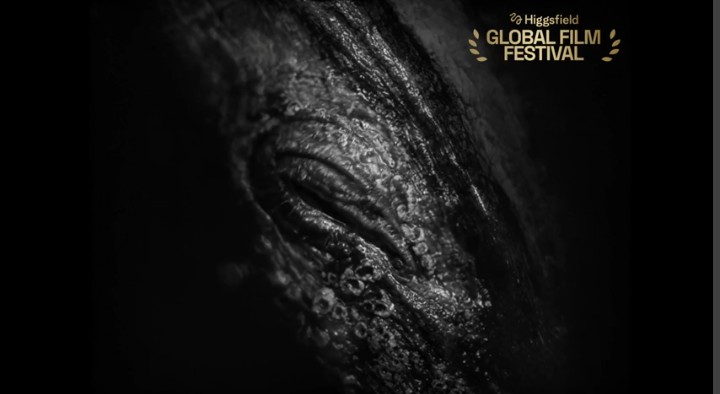
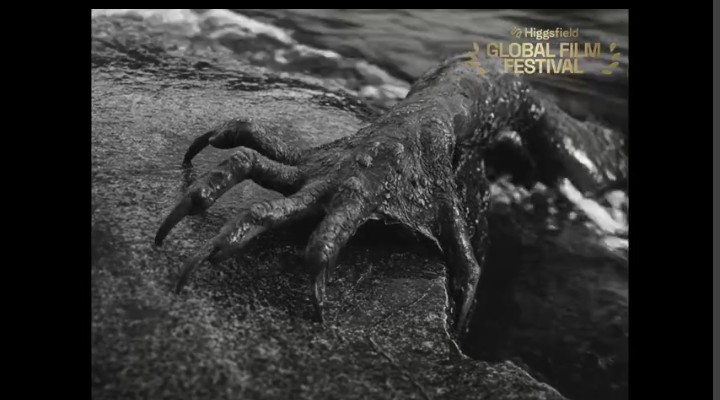
I admire that the film never shows us the monster. It gives us pieces: what looks to me like an eye, part of a wing, and a claw that reaches toward the man’s forehead. The brief calls this restraint as horror, and it works. What we imagine is always bigger than what we could be shown.
It also makes the standing stone and the dead seabed feel older than the man and older than the war he ran from. Next to something that vast, he looks very small.
The Guilt Under the Horror
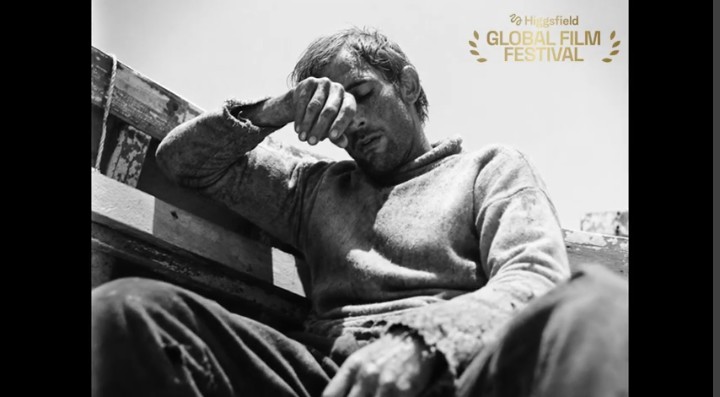
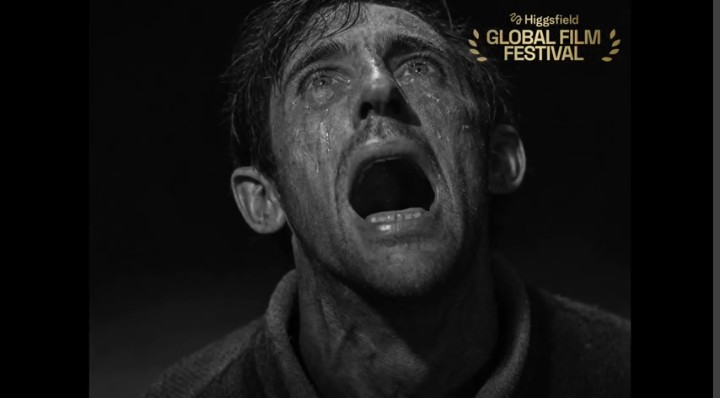
This is my reading of the film, and the director’s brief supports it: the real wound comes before the sea ever rises. When the ship is attacked, he takes the only lifeboat and leaves his crewmates behind. When the examiner asks about it, he answers, “Any man would have done the same.” To me, that line is the heart of the film. He is not only haunted by what he saw. He is haunted by what he did, and he keeps telling himself a story about it.
Seen that way, the monster and the risen seabed become something more personal. It is a judgment he cannot get away from, wherever he goes.
Is Any of It Real?
The film never settles it, and I respect that. The captain who pulls him from the lifeboat does not believe him and takes him for a man crazed by thirst and solitude. When the examiner asks if the captain may have been right, he says he asks himself the same thing, but a vivid vision always comes back in reply. Either he saw something ancient, or guilt and isolation broke his mind. Both possibilities are tragic, and the film lets us sit in that doubt.

The Ending
The sea comes back for him
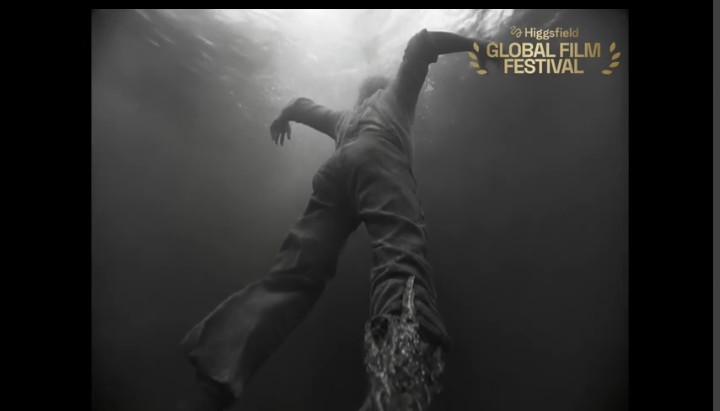
The man we see at the end is older and worn down, and he is back beside the sea that once spared him. His closing narration describes a day when the dark ocean floor will rise before our eyes. This is my reading, not the director’s stated intent: the vision he cannot shake and the guilt he cannot set down are tied together, and the film leaves us in that dark water with him. It is a heavy ending, and I think it is handled with restraint.
Where It Did Not Reach Me
I want to be honest about this part. I was in love with the visuals, but I did not connect with the character and his pain the way I hoped to. With Fallen Leaves, I was emotionally invested early on and stayed connected to the story for the entire film. With Dagon, I admired the world he lives in more than I felt for the man in it.
That is a matter of connection, not craft. The storytelling is great, and Jacob Everett clearly has a talent for it. Even when the heart stayed at a distance, I could not look away from the screen.
Two Films on the Shortlist
It deserves real praise that Jacob Everett has two films on the festival shortlist. Getting one film that far is an achievement, and getting two shows range, consistency and a real voice as a filmmaker. If you enjoy Dagon, I would encourage you to watch Fallen Leaves too, and to read our review of it.
Final Thoughts
A beautiful, restrained black-and-white horror about a man who cannot outrun what he did or what he saw. The cinematography and the score are the reasons to watch, and they are very good reasons. I admired it more than I felt it, but it looks and sounds like a real film, and it is easy to recommend for that alone.
Scene Breakdown
0:00–1:00 — It is 1916. A man in England trying to escape the war makes a deal to board a ship to America.
1:01–2:00 — On the second night, a German raider intercepts the ship. He escapes in a lifeboat, drifts at sea, and tries to fish.
2:01–3:00 — He reaches what seems to be an island, where he finds a rock that looks like a standing block.
3:02–4:00 — He stares at the rock. We see a close-up of what looks like an eye, and part of a wing. A claw touches his forehead. He is then woken in his lifeboat by a captain, and his story is not believed.
4:01–end — The person he is telling his story to asks if the captain may have been right. He says he asks himself that same question, but a vivid vision answers. He is now older, alone by the sea, and he walks into the water. The film ends on the rocky island and part of the wing.
Watch the film: Dagon by Jacob Everett
Reader Reviews
There are no reviews yet. Be the first one to write one.