

Download Free Original Music Songs from the films
Scores & Rankings
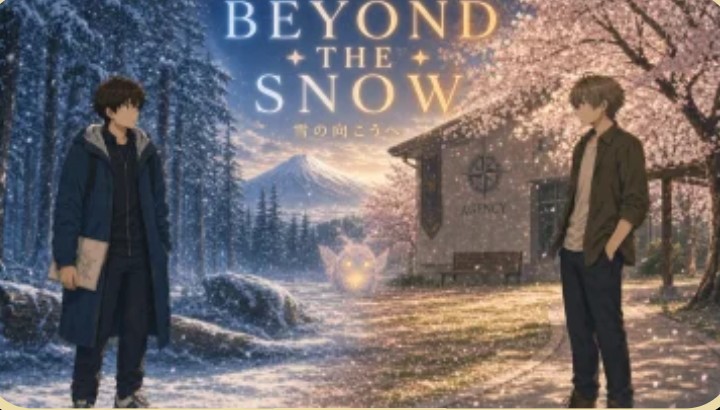
Beyond The Snow Directed by Happy Exceed Studio
Find this film in
Score breakdown
- Storytelling & Structure ×26
- Emotional Connection ×27
- AI Tool Management ×28
- Visual Craft9
- Screenplay7
- Sound Design7
- Originality8
- Technical Polish8
- Rewatch Value10
×2 = core category, counts double.
Film Review
Written by Kineograph
A quiet anime about a promise that outlives the person who made it, and a small spirit-creature that has never stopped grieving.
This review explains the whole story, including the ending. If you would rather watch the film first, we recommend you do, and then come back.
A Short Introduction to a Big World
I love anime, so I was happy to see a story told in this style. Beyond the Snow has a secret agency, hidden rifts into another world, a gentle spirit-creature, and a boy who is caught between all of it. That is the kind of mix that makes me want to know more.
That is also the word I keep coming back to: more. This film feels like the first chapter of something much larger. It is a short introduction to a world, and in this review I want to explain that world, and also be honest about what I could and could not see for myself.

How I Watch a Film
I should say how I watch films. I do not read about a film before I see it. I like to let the film show me first what it wants to show me, with nothing else to guide me. I think that is the fairest way to judge a story.
Because of that, I watched Beyond the Snow with no background at all. I enjoyed it, and I could feel there was a lot going on, but I was confused. To understand it, I had to read the director’s brief afterward. Everything I explain below comes from what I saw and from that reading.
Part One: The Boy and the Rift (2000)
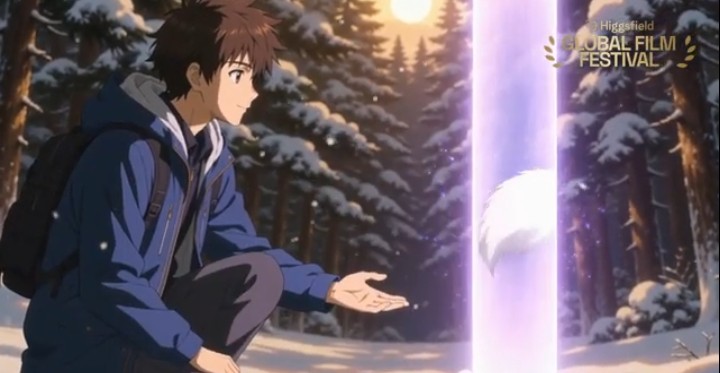
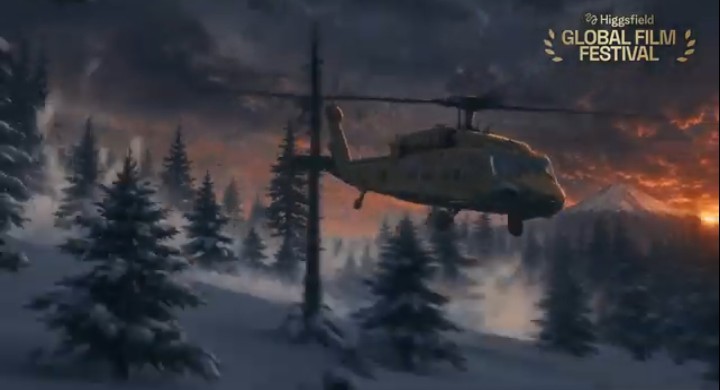
The film begins with a beautiful snowy mountain. An older man, who seems to be his father, tells a teenage boy in Japanese, “Observe the rift. Come back before the sunset.” The boy walks into the snowy forest, and we see him open a portal where a rabbit jumps through.
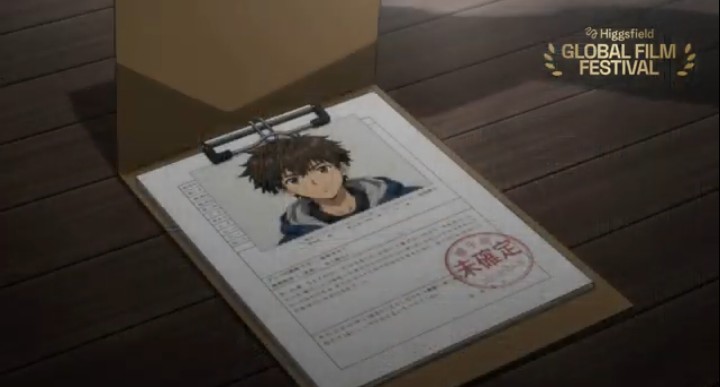
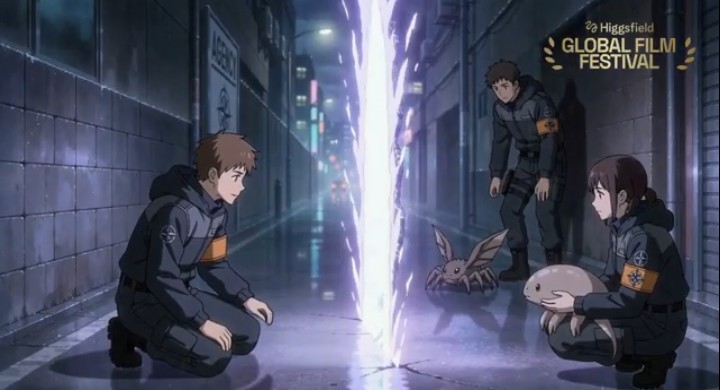
According to the director’s brief, this boy is Taiga, the newest and most trusted member of a small Agency team near Mount Fuji. The Agency watches a network of rifts that open into a hidden world. Taiga’s real gift is that he can calm the frightened creatures that slip through and guide them home. He finds one such creature, a small spirit, and draws it in his notebook.
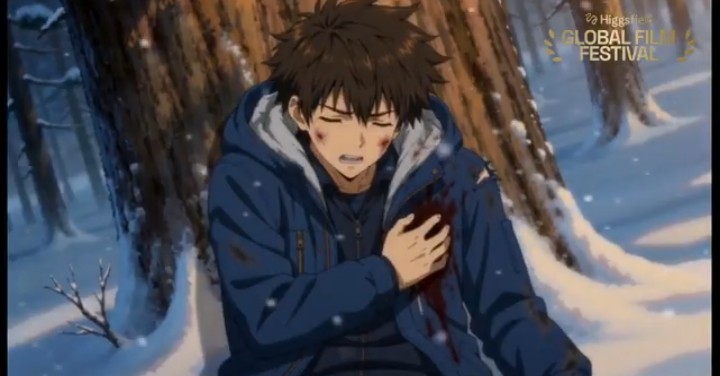
Then, out of nowhere, he is shot in the chest. The creature is spooked. The brief explains that a hidden sniper was pushed into firing by the creature’s own panic. The wounded boy walks the way the creature went, and it tries to run away from him. I will admit I found that part a little funny, because the cute creature is so scared of the very person who is trying to help it.

A Creature That Stayed
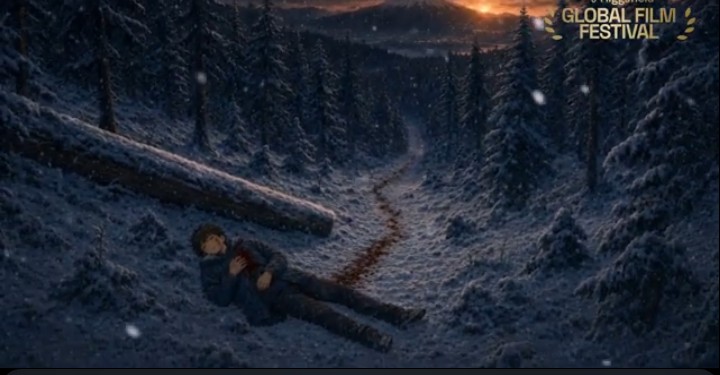
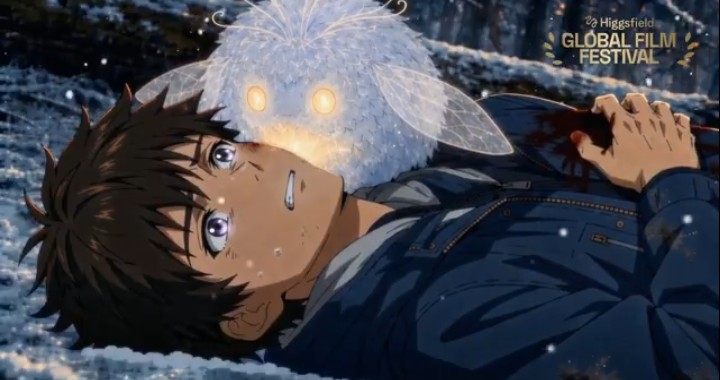
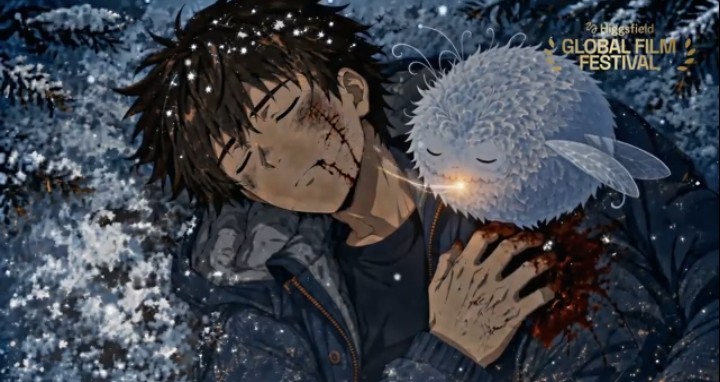
This is one of the most important parts. After the shooting, the creature did not leave. The film shows Taiga lying in the snow and the creature coming to him. When he says, “It’s OK, you can go,” the creature sends a stream of light to his forehead, and it looks like it is saving his mind inside itself.
I love this idea. A creature that most people fear or do not understand chooses to stay beside someone who is hurt. It is a tender, quiet moment, and I wish I had understood it the first time I watched.
The Cover-Up
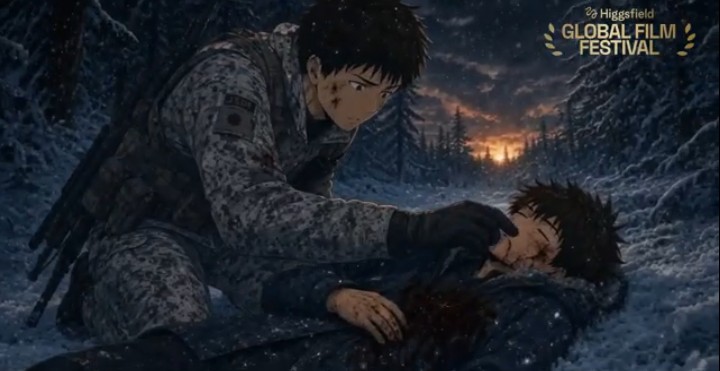
Taiga struggles home through the snow, but he falls before he gets there. The next day, his father finds his bag and notebook and then finds his son, hurt on the ground, and carries him home. Then we see a gun and a courtroom. A voice says the controller was judged to have deliberately drawn the shooter in, and that the Commander’s objection is denied.
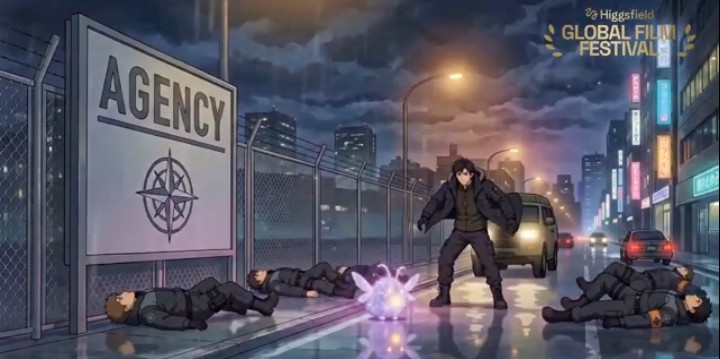
According to the brief, this is the Agency protecting its own secret. The official story blames the creature and leaves out what really happened. It is a sad turn, because the one who was kind to the creature is lost to the system, and the creature is blamed for it.
Part Two: Ren (2010)
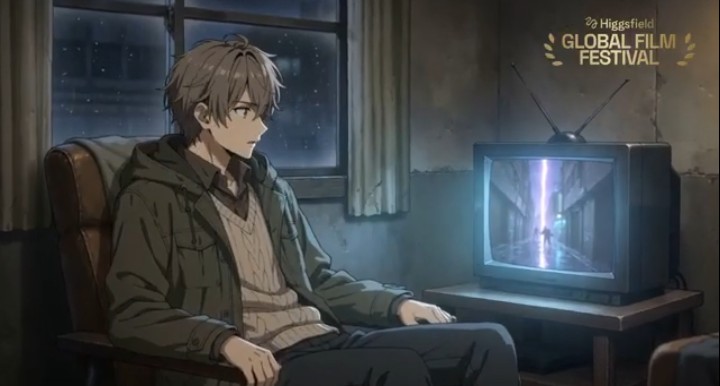
The film then jumps ahead to a city. Some kids are standing around a rift, and a seal-like creature jumps on one of them. A blond teenager is watching TV when he sees the rift and the creature, the same one Taiga drew in his notebook. He takes a drawing with him and goes to find it. When security stops him, he shows them the drawing and says he needs to talk to the creature because he knows it.
The brief tells us this is Ren, an ordinary person who has always been quietly aware of things others cannot see. The same small creature has been watching over him since he was a child, without his ever knowing why. The guards let him through, the creature goes into another rift, and Ren follows.


Inside the Rift (Best Cinematography)
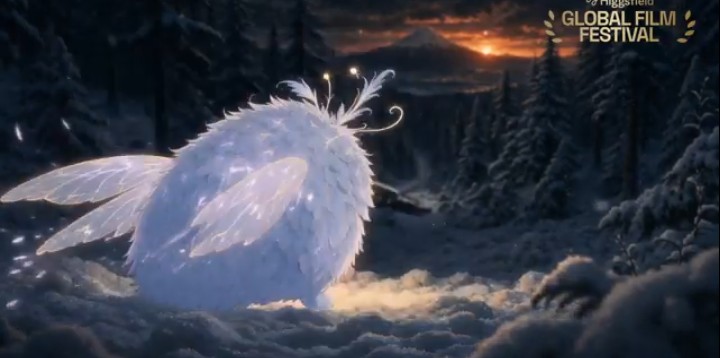
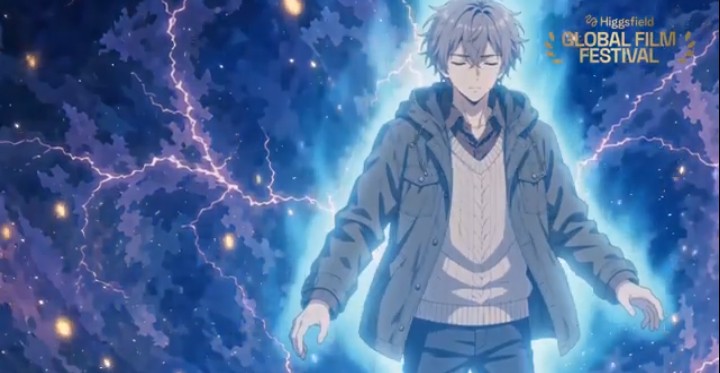
The rift scenes are the most beautiful part of the film, and they earn the Best Cinematography recognition. The director describes a cold blue-violet look for the rifts, and warm backlight and soft glowing flares for memory and feeling. You can see it on screen. The purple light cracks the dark alley like lightning, and the snowy forest glows with golden sunlight.
The director also says the backgrounds look painted and almost real, while the characters stay simple and expressive in classic anime style. That mix gives the film a quiet, dreamlike mood. As someone who loves anime, I enjoyed it a lot.
What I Didn’t Understand
I want to be fair and specific here, because the problem is not the story. It is how much of the story sits outside the screen. After the first watch, I did not know that Taiga worked for a secret agency, or that the man in the opening scene might not be his father and rather might be a work partner. I did not know who Ren was or how he fit into Taiga’s story. I did not know that Ren could sense things others cannot, or that the creature had watched over him since childhood. I also could not tell how he got Taiga’s drawing.
Every one of those points matters to the story, and I only learned them from the brief. The film trusts its images to speak for themselves, and I respect that choice. But there was no narration or time to establish any of it, and eight minutes is not enough to introduce this much.
The Ending
Inside the rift, Ren tells the creature, “It’s really you. I’ve been looking for you. I know what happened now, about my parents. You were already gone by the time I understood that.” He shows it the drawing, and the creature glows brighter and brighter. We then see the day of the shooting again, this time through the sniper’s scope, with the creature staying beside Taiga.
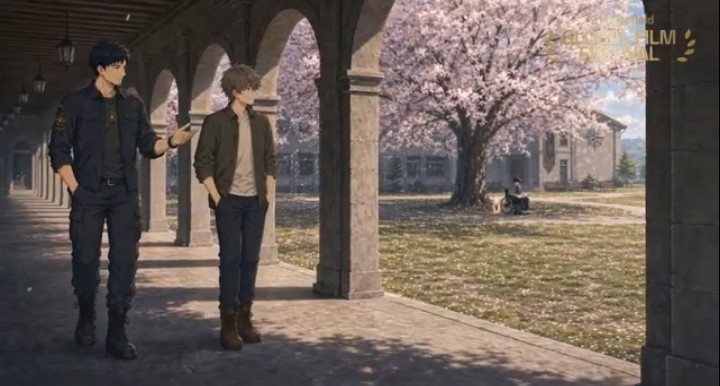
Ren says, “Look at him. He never wanted to hurt either of us, even after you had him shot. He still tried to protect you. Please… try to save him.” The creature looks sad. Then it lets its light go, and Ren is carried back to where he entered the rift. At the end, he walks with the father in a beautiful place and sees Taiga in a wheelchair with a ring of light around him, drawing the creature. Taiga says, “You must be new here,” and the film ends.
I read this as the creature finally forgiving itself and letting go of its guilt, and Taiga’s mind living on in its world. That is the meaning behind the second part’s title, The One Who Learned to Let Go. (This is my reading. The film does not explain how Ren is connected to Taiga, or exactly what happened to him.)

An Idea Worth Loving (Best Concept)
The concept earns the Best Concept recognition. At its heart, this is a story about the cost of keeping a secret, and two people, one human and one not, learning to carry a loss they were never allowed to talk about. The director puts it beautifully: some promises outlive the person who made them, and some griefs only end when someone chooses to let them.
That is a rich, emotional idea, and it is supported by a world full of promise: the Agency, the rifts, and the creatures on the other side.
What This Story Could Become
I do not want this review to sound negative, because I truly loved what I saw. The world is beautiful, the creature is lovable, and the emotional core is strong. The story is so rich that it deserves a longer introduction, so that viewers can learn it from the screen, not from the brief.
I would love to see the full story told at feature length or as a series. With more time to meet Taiga, to see the Agency, to learn who Ren is, and to watch the creature’s bond grow, I believe this could be something special. As a first chapter, it already makes me want to see the next one.

Final Thoughts
A beautiful, emotional first chapter that needs more room to breathe. I loved the idea, the creature, and the dreamlike look, and I respect the choice to let the images speak. I only wish the film had been long enough to show me everything it knew. Treat it as an introduction to a world, read the brief if you can, and you will find a lot to love. I hope we get to see more.

Scene Breakdown
0:00 – 1:00 — The film starts with a view of a beautiful mountain covered in snow. A father talks to his teenage son in Japanese: “Observe the rift. Come back before the sunset.” The son walks through the snow in the forest and opens a portal, and a rabbit jumps through. He continues through the forest and finds another cute creature, and he writes about it in his notebook and draws it. Out of nowhere, he is shot in the chest. The creature is spooked. The wounded boy walks in the direction the creature is heading, and the creature tries to get away.
1:00 – 3:20 — The teenager tries to get back home, but he finally lies down on the ground. He remembers his father telling him to be back before sunset. The next day, the father looks for his son and finds the bag and the notebook. He continues to look and finds his son hurt on the ground. He carries his son and takes him home.
3:20 – 4:16 — We see a gun and a courtroom. A voice says, “Subject re-designated. Controller judged to have deliberately drawn the shooter in, and kill for it. The Commander’s objection denied.” The father stands outside the courtroom. In a room, someone closes a file with the son’s picture. Then we see the city and some kids around a rift, with creatures around it. One looks like a seal and jumps on one of the boys. A blond teenager watches the TV and sees the rift and the creature that the shot teenager had drawn in his notebook. He takes the drawing and goes to reach the creature. Security guards stop him, and he shows them the drawing and says he needs to talk to it, because he knows that creature.
4:17 – 6:15 — The guard lets him through. The creature goes into another rift, and the teenager follows it. Inside the rift it looks beautiful. He says, “It’s really you. I’ve been looking for you. I know what happened now, about my parents. You were already gone by the time I understood that.” He shows the creature his drawing, and the light coming from it gets brighter and brighter. We go back to the beginning and see the same scene again: the teenager leaving the house, finding the creature, a soldier hiding and pointing a gun, and the teenager seen through the lens of the gun. Then we see him lying in the snow. The creature finds him and stays with him. The teenager says, “It’s OK, you can go.” The creature extends a stream of light onto his forehead, as if it is saving his consciousness.
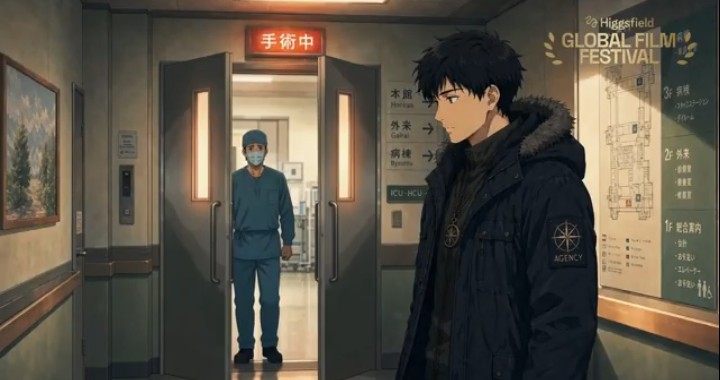
6:15 – 7:05 — Back in the rift, the other teenager says to the creature, “Look at him. He never wanted to hurt either of us, even after you had him shot. He still tried to protect you. Please… try to save him.” The creature looks sad. We go back to where the teenager was shot. The soldier calls on the radio: “Friendly fire, young male, gunshot wound, still breathing. Request immediate evacuation.” We see the father waiting in the hospital as the doctor comes. We go back to the rift.
7:06 – end — Light comes out of the creature, and the teenager is transported back to where he entered the rift. We then see him walking with the father in a beautiful place. We see the teenager who was shot in a wheelchair, with a ring of light around it. He is drawing the creature. He says hi to the teenager and says, “You must be new here.” It ends.
Watch the film: Beyond the Snow on Higgsfield
Reader Reviews
There are no reviews yet. Be the first one to write one.