

Download Free Original Music Songs from the films
Scores & Rankings
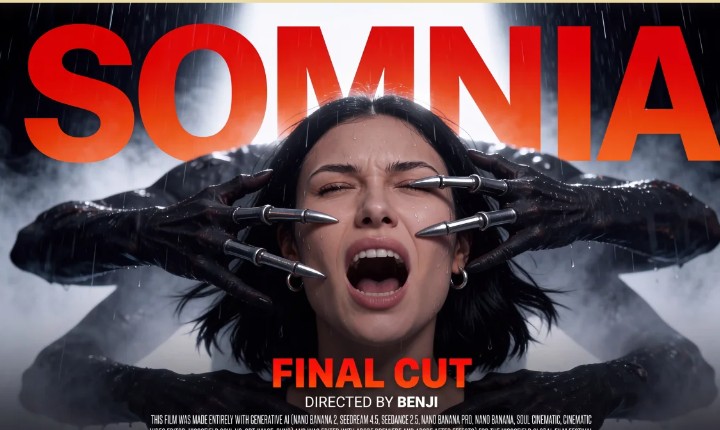
Somnia Directed by Benji
Find this film in
Score breakdown
- Storytelling & Structure ×29
- Emotional Connection ×28
- AI Tool Management ×210
- Visual Craft10
- Screenplay10
- Sound Design10
- Originality10
- Technical Polish10
- Rewatch Value10
×2 = core category, counts double.
Film Review
Written by Kineograph
A machine decided Riley’s father wasn’t worth what it would cost to save him. The only place that pays what she needs is a live show that pays by the second, for as long as she can stay inside a nightmare without asking it to stop.
This review discusses the ending, including a scare in the credits. If you would rather watch the film first, we recommend you do, and then come back.
Why This Film Stayed With Me
Somnia is only a little over six minutes long, but it does a lot with that time. It gets you in quickly, it builds a world with a few strong details, and it spooks you right when you stop expecting it.
The setup is simple. In the future, a game show pays desperate people to live through their nightmares while millions of viewers watch. Riley needs money for her father’s care, so she signs up.

A Scary Idea That Feels Close to Home (Best Concept)
The concept earns the Best Concept recognition because the horror starts long before the monsters show up. Riley’s father is left without coverage because a machine decided the care was too costly. No person made that choice, and no person can undo it.
Then the film adds a cruel twist. Riley is paid by the second for staying inside the nightmare, and the one word that stops it, the safeword, is Mercy. Every second she holds on earns more money. Every second she gives in is money lost. The show never forces her to do anything, and that is what makes it so chilling.

The First Minutes Set the Trap
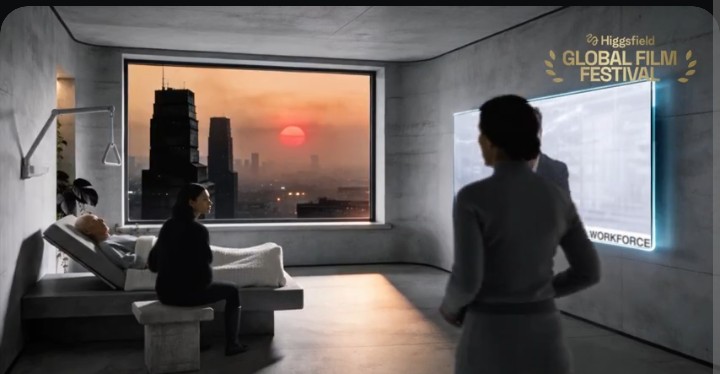
The film opens in a hospital, where Riley is watching over a loved one who is sick. A nurse tells her the coverage for the care will run out soon, and then offers her a way to get some money.
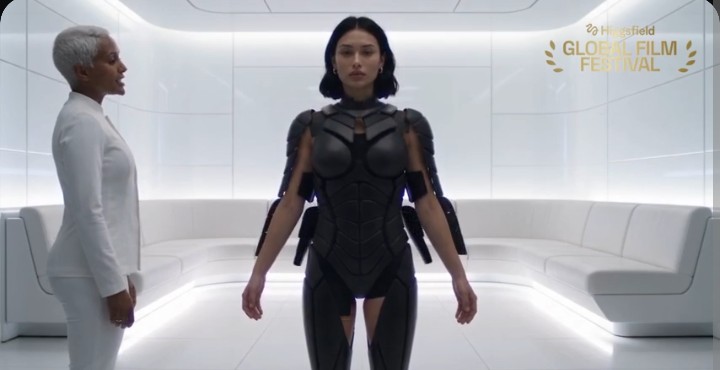
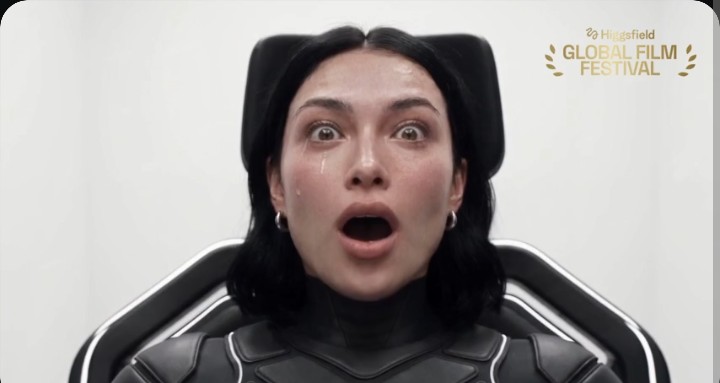
Riley goes to the show and signs a contract. Before she goes in, she asks how many people are watching. The host says forty million, give or take. In the white, spotless prep room, she is told the safeword and puts on the suit that makes her body believe the nightmare is real. It all feels calm and polite, which makes it creepier.

Seeing Through Riley’s Eyes
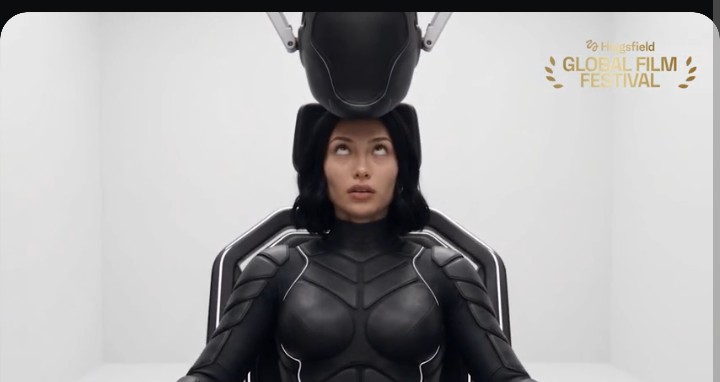
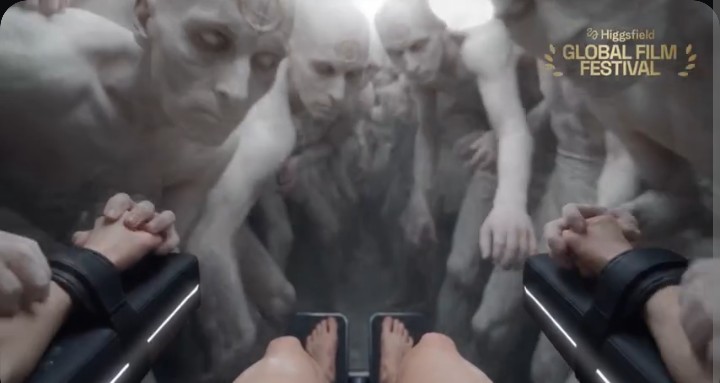
Once the primer starts and the images flash by, the film switches to her point of view. We see her legs and hands on the chair, with the restraints on her wrists, and we stay there for the whole nightmare.
I think this was a smart choice. We cannot step back and watch from a safe distance. We are inside her head, so whatever she sees, we see. It is also a quiet comment on the show itself, because the forty million viewers in the story are watching the same thing we are.

The Nightmare Plays by Nightmare Logic
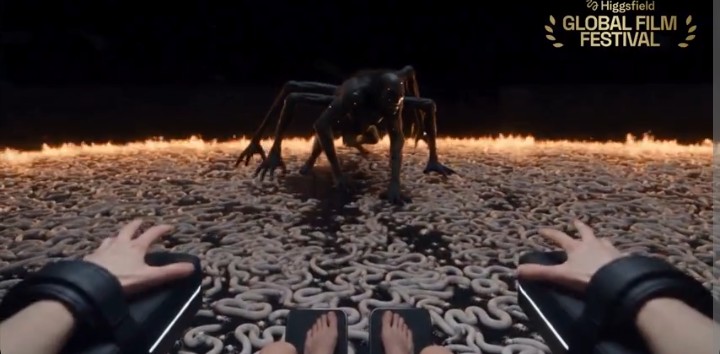
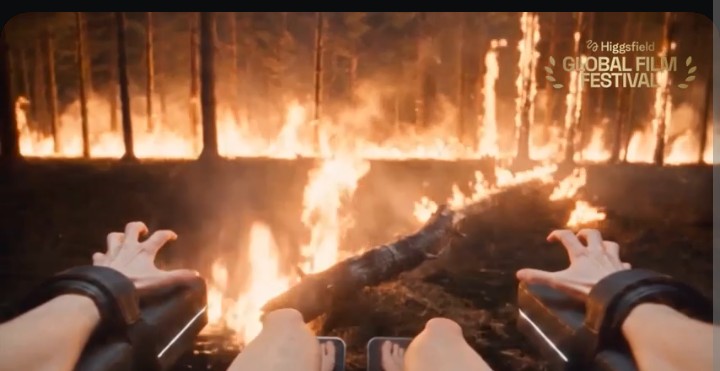
The first stretch of the nightmare is a collection of unsettling images, and none of them explain themselves. Strange spiders that look like people. White deer running past her. A muddy, creeping figure peeking out from behind a tree. A white panther appearing on the screen. A forest on fire.
It feels like a real bad dream: random, connected only by dread. That is the point of the show, since nobody chooses the nightmare, not even Riley.


The Water and the Shark
One of my favorite moments is when the room goes dark and slowly fills with water until it covers her. A white shark swims by, and then it is suddenly right in front of her, taking a bite. The score creeps up on you here, and it works.
The Village of White Mud
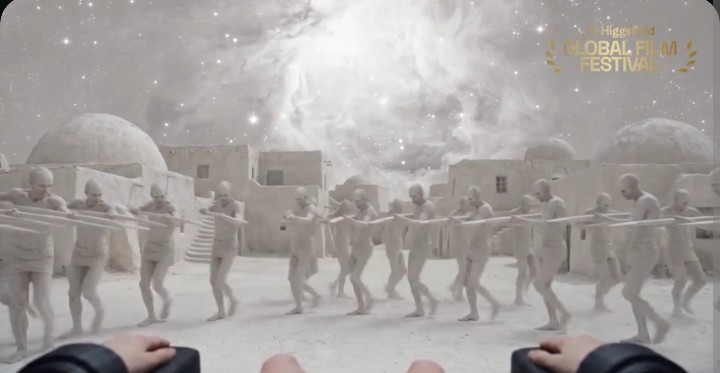
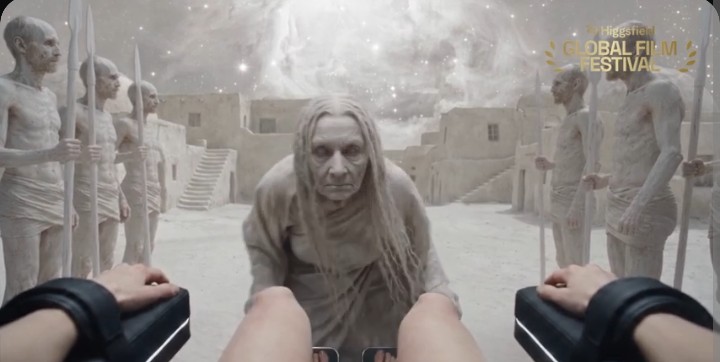
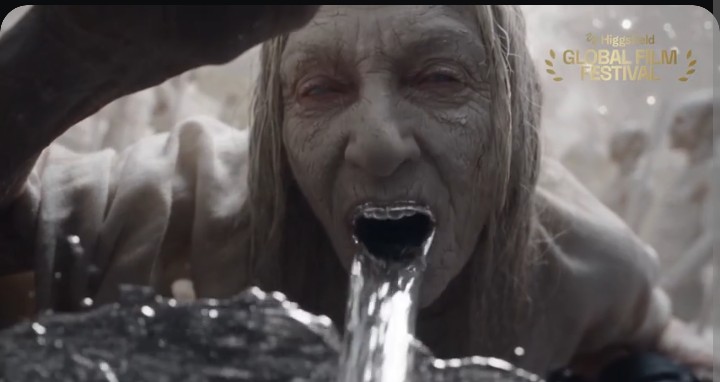
The next scene takes us to a village made of white mud. People covered in white mud point spears at her. An old woman runs up and vomits what looks like silver onto her, and Riley coughs.
Then she is surrounded by crowds of mud-covered people, reaching and grabbing for her. This is where she finally gives in and says the word: Mercy.
The Score Does the Heavy Lifting (Best Score)
The music earns the Best Score recognition. It does an amazing job of making you feel what Riley feels. It builds slowly, creeps up on you, and then pushes you into the scare before you are ready.
Without it, many of these images would just be strange. With it, they are frightening. In a short film with almost no dialogue inside the nightmare, the score is doing the talking.

A Cold, Clean Look With Smart Camera Work (Best Cinematography)
The cinematography earns the Best Cinematography recognition for how it separates two worlds. The hospital and the white prep room feel cold, calm, and clean. The nightmare feels close, shaky, and personal, because we are looking through Riley’s eyes the whole time.
I also loved how the pale colors work. Against all that white and gray, the burning forest and the dark chamber really stand out.
Nightmares Brought to Life (Best Visual Effects)
The visual effects earn the Best Visual Effects recognition. The film packs in a lot: people-shaped spiders, a crowd of pale figures with marks on their foreheads, a white panther, a room filling with water, a shark, and a village of white mud.
One thing I noticed is how many of the creatures are white or pale: the deer, the panther, the shark, the mud. It gives the nightmare its own ghostly look, so even the strangest scenes feel like they belong to the same world.
The Ending Leaves a Chill
Riley lasts one minute and forty seconds. That is a lot longer than the eighty-one percent of viewers who bet she would not last a minute. The host says the nightmare is over, and $200,000 will be deposited into her account by midnight.
As she leaves, we see the next man signing the contract. The system will do this again and again, and it never has to hurt anyone on purpose. That is the scariest part.
Final Thoughts
A creepy short with a smart idea and a score that gets under your skin. It hooks you early, it scares you when you are not expecting it, and it leaves you thinking about who is really paying the price. It is a solid horror film, and I am glad I watched it.

Scene Breakdown
0:00 – 1:20 — Riley is at a hospital, watching over a loved one who is sick. The nurse tells her the coverage for the care will run out soon and offers her a way to get some money. Riley goes to the show and signs a contract. As she gets ready to enter the room, she asks how many people are watching. The host says forty million, give or take.
1:21 – 1:57 — The host tells Riley the safeword is Mercy. She puts on a suit that makes her body believe the dream, or nightmare, is real.
1:57 – 2:10 — The longer she stays in the nightmare, the more money she earns from the bets people make on her. Eighty-one percent say she will not last a minute.
2:11 – 3:47 — She sits in a chair, and the primer begins, showing her many images, including spiders. The nightmare starts, and we see it from her point of view, with her legs and hands on the chair. She sees deformed spiders that look like people, white deer running past her, a strange muddy figure creeping from behind a tree, a white panther appearing on the screen, and a forest burning.
3:58 – 4:06 — The room turns dark and fills with water, which covers her. A white shark swims by, then comes right at her and takes a bite. The score creeps up on you.
4:07 – 4:37 — We see a village made of white mud. People covered in white mud point spears at her. An old woman runs up and vomits what looks like silver on her, and Riley coughs.
4:39 – 5:12 — She is surrounded by many mud-covered people who try to grab her. She says Mercy.
5:13 – 5:30 — The host says the nightmare is over. She lasted one minute and forty seconds, and $200,000 will be deposited into her account by midnight.
5:31 – 5:53 — As she leaves, we see the next man signing the contract to enter the nightmare.
6:06 — During the credits, the creepy white panther appears on the screen, grabs the creepy figure that had been hiding behind the tree, and slams him against the screen. It is a good scare because it is unexpected.
Reader Reviews
There are no reviews yet. Be the first one to write one.