
Amoral
 Ardgartan / LGJ Creator
Score breakdown
176 views
Single Review
Written by Kineograph
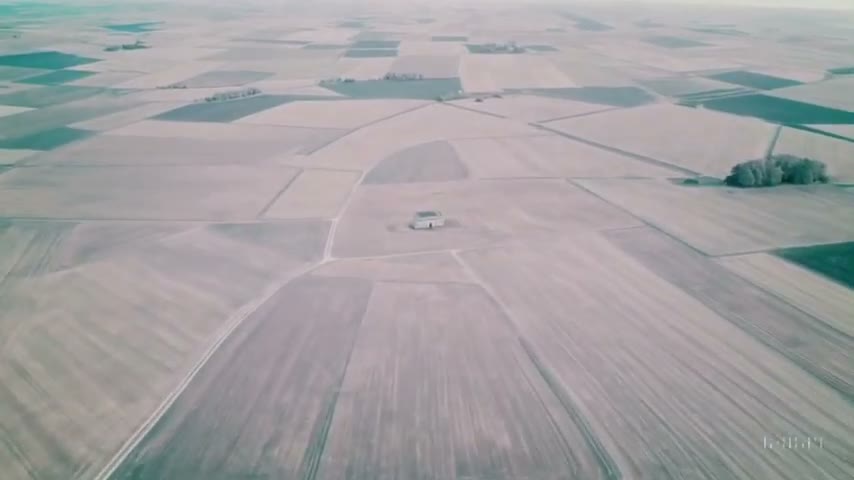
A lone car on a white salt flat. A room where a wall of televisions watches nobody. A carousel, burning beautifully in the dark — and somewhere in the shadows, a figure in a pointed hat, pulling the strings.
The Music
Ardgartan’s track is a score in the true sense: texture, pulse and silence arranged around the images rather than over them. It withholds. Long stretches play almost quiet while the rooms do the frightening, and the sound swells only when the film does — at the fires, at the water. Because there is no vocal to follow, your attention goes to the editing, and the editing earns it: the cuts land like held breaths being let out. Judged as a song it would be unfair; judged as the film’s second director, it is doing the best work in the piece.
The Film
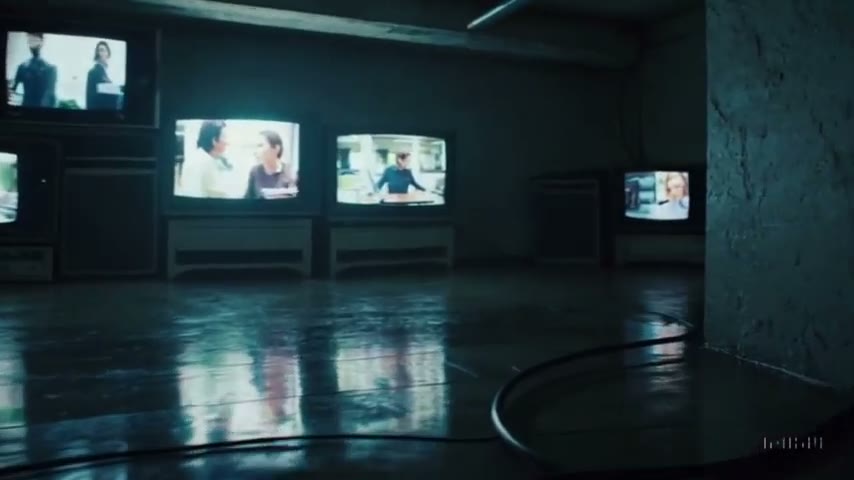
A cycle of environments, each one a small masterpiece of wrongness. The surveillance room, its monitors glowing over a flooded floor. The woman from above, suspended in dark water inside a chalked circle of cables. Hooded figures under a sky full of flying debris. And the fires: a carnival ride burning at night, an arcade row going up with the machines still lit. LGJ’s stated method — an hour of generated footage cut to five minutes — is visible in the discipline: shots end before their seams do. The pointed-hat figure the synopsis promises is kept the way good horror keeps things: suggested, never paraded.
Best Moment (3:03)
The burning carousel
A fairground ride, fully ablaze, turning its light over an empty midway while the score holds its breath. It is the film’s whole argument in one image — joy’s machinery, on fire, still going round — and it is genuinely beautiful, which is what makes it frightening.
Where It Strains
The woman’s face is not the same face in every chapter. The film’s own theme — fractured realities — covers some of it, but across five environments she reads as several women wearing one story, and the spell thins each time you notice. The ending, too, simply stops: a figure, a body, the flats. Some viewers will call that daring; some will call it unfinished, and the film does not care either way.
Final Thoughts
An experimental nightmare with a composer’s patience and an editor’s nerve — the batch’s furthest reach, and its most haunting.
Watch it once, in the dark, all the way through.
Scene Breakdown
0:00–0:40 — Aerial salt flats; a lone car. A derelict room; a hand on an ornate music box.
0:40–1:20 — The woman crawls and cowers through flooded, decaying interiors.
1:20–2:00 — The surveillance room of monitors; the woman suspended in dark water inside a chalked circle (~1:35).
2:00–2:50 — Close portraits; wet hair, bare shoulders, a face lit like an interrogation.
2:50–3:30 — The burning carousel (~3:03); the salt flats — a standing figure, a body on the white (~3:10).
3:30–4:10 — Hooded figures, flying debris; the arcade fire (~3:40); a dust storm over cracked earth.
4:10–4:54 — An empty bedroom; final portraits — her face, close, lit blue, unresolved.
Video: the environments are remarkably coherent for generated footage, and the editing hides most joins. The seams: the woman’s face drifts between chapters; a faint generator watermark sits in the corner of several shots; and the overhead water shot lets her outline melt at the edges.
Audio: an instrumental score with no seams to catch — its silences are placed, not missing.
Single by Ardgartan / LGJ Creator. Credits are from the video’s own description; everything else is from our own viewing.
There are no reviews yet. Be the first one to write one.