

Echo Hunter
 Kavan the Kid
Score breakdown
Read Review
824.5K views
Series Review
Written by Kineograph
In Echo Hunter’s city, the rich clone themselves for spare parts, and the clones — the echoes — sometimes run. The men sent after them are hunters: corpses reanimated by the Echo Hunt Department, their memories wiped, their faces hidden behind masks they may never remove, paid for each capture in “pictures” — fragments of the lives they lived before they died. Episode 1 follows a hunter who has never dared load a single picture, on the mission that gives him a reason to. Episode 2, a prequel, shows us the hunter Deagan, and the one picture that showed him too much.
This review discusses both episodes in full, including what Deagan sees in his picture and what the resistance offers the Episode 1 hunter. Together they run forty-five minutes — if you would rather watch first, we recommend you do, and then come back.
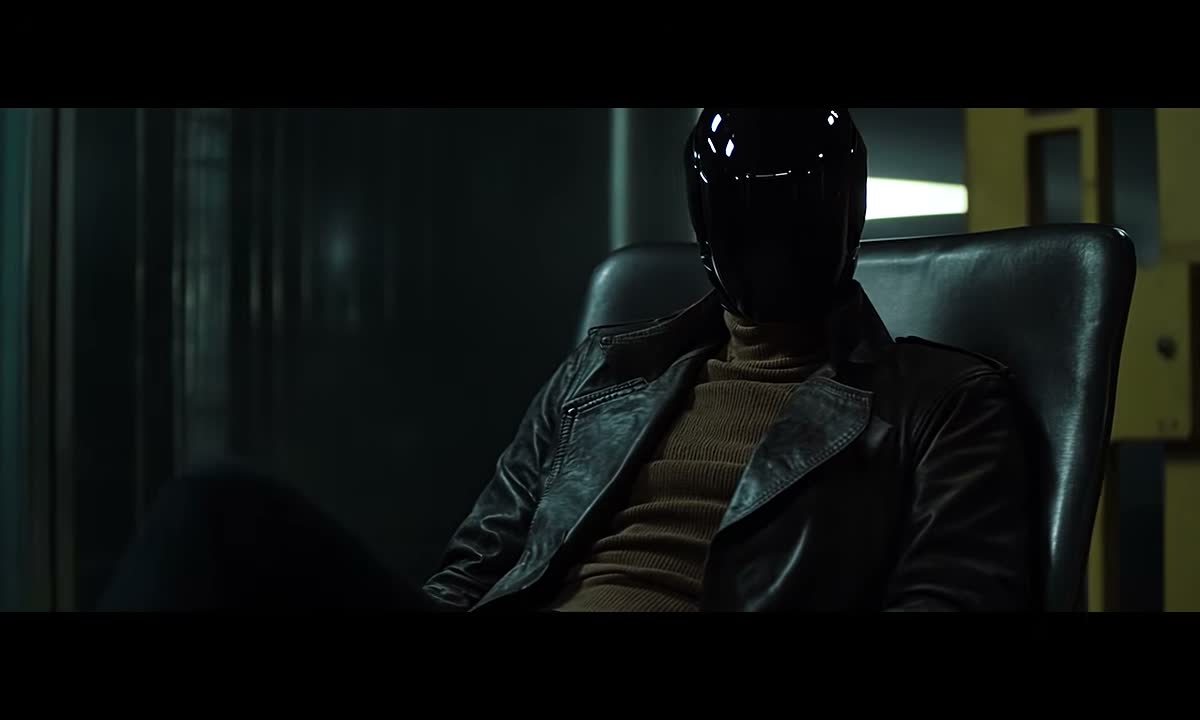
Episode 1 — Echo Hunter (22:14)
It opens in the grey district: ruined blocks, an angular black department car, and a hunter in a gloss-black helmet doing the department’s work. His quarry is Raymond, an echo who will not get into the box, and their conversation is the series’ thesis in miniature — “Tell me, does a corpse ever consider the purpose of its actions?” Raymond will not be boxed alive, and he will not make it easy: “You’ll have to keep my organs intact.” “The original’s dead, Raymond.” Back at the department, the hunter is dressed down by a handler who calls him what he is — “you reanimated piece of garbage” — and docked for the damage: his picture count is cut. Pictures are the pay. Pictures are the point. And this hunter, alone among them, has never loaded one: “That’s why I don’t touch them.”
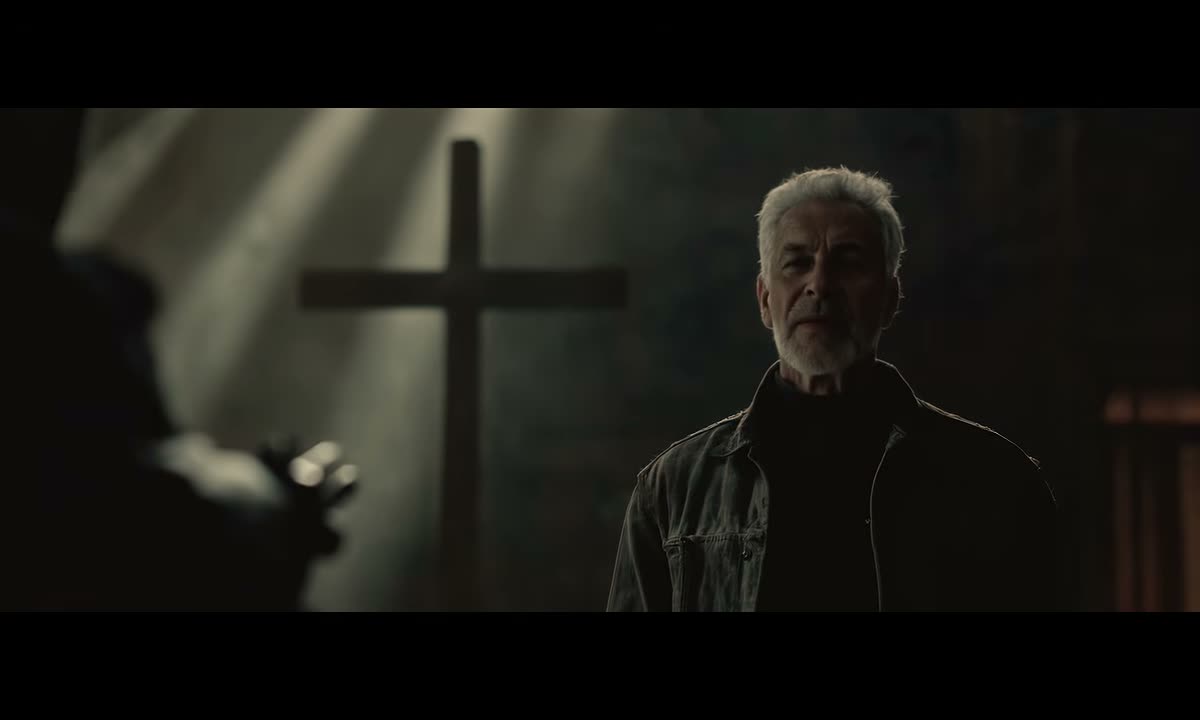
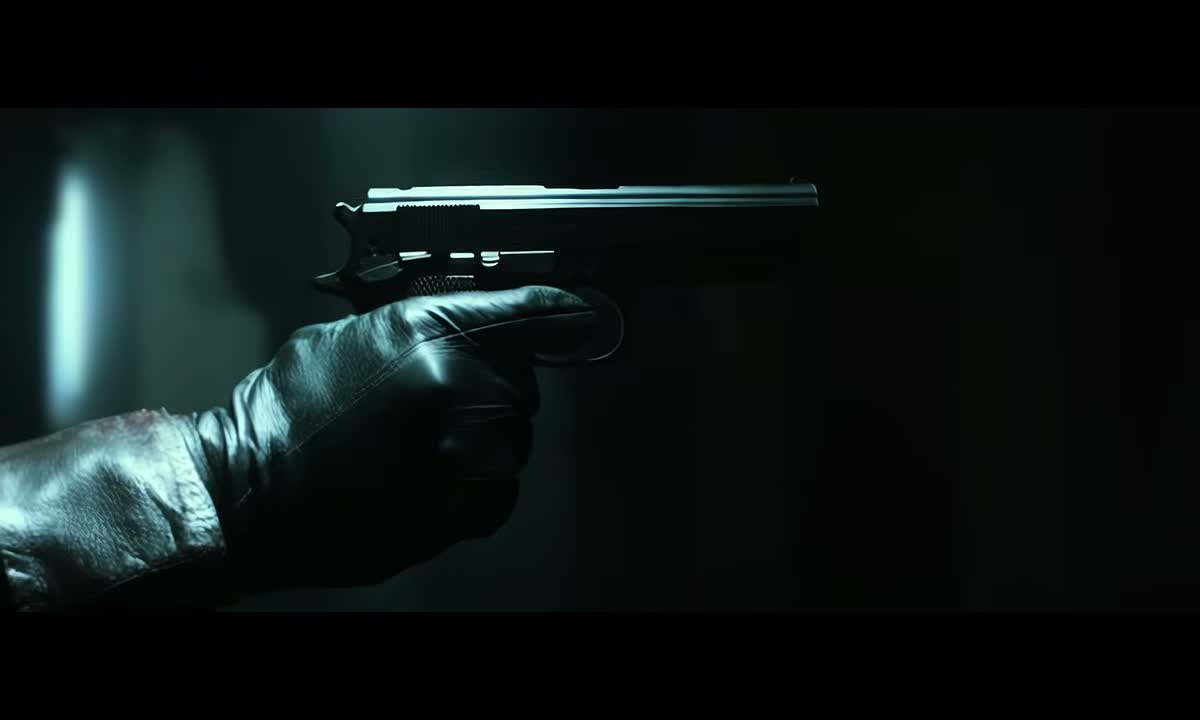
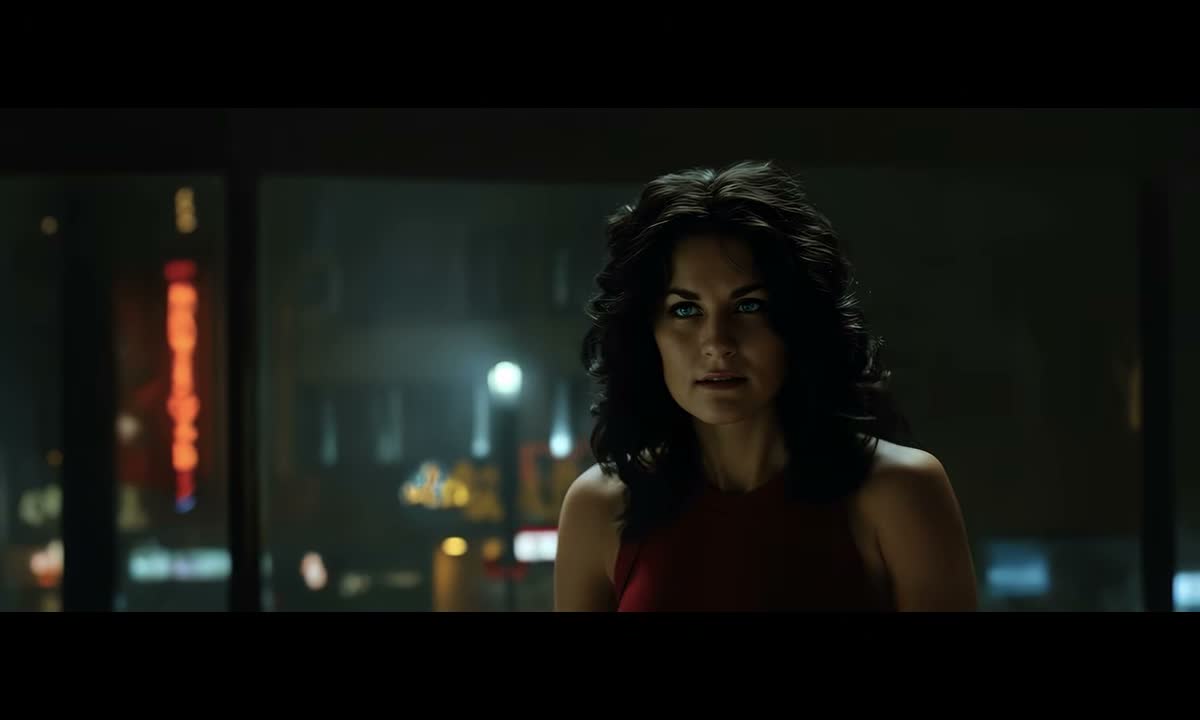
The new job raises the stakes properly: Card 0027, a woman, multiple echoes, brought in alive — terminate her in the extraction and every stored picture he owns is deleted. His new partner, Agent Jacks, is everything he isn’t: young, chatty, addicted to the pictures, saving his decompression time for company the department’s money can buy. What they find at the resistance base is not a card but a person — Kara, who once hunted under another name, who knows the hunter from before, and who makes the offer the whole episode has been circling: the resistance can deactivate his kill switch and remove the memory repressor. He can remember who he was. He can, she tells him, finally see his wife’s face clearly. The episode’s last movement plays out in near-silence — a boardwalk, a woman and a child, a document headed THE ECHO HUNTER PROGRAM, and an eye, very close, deciding.
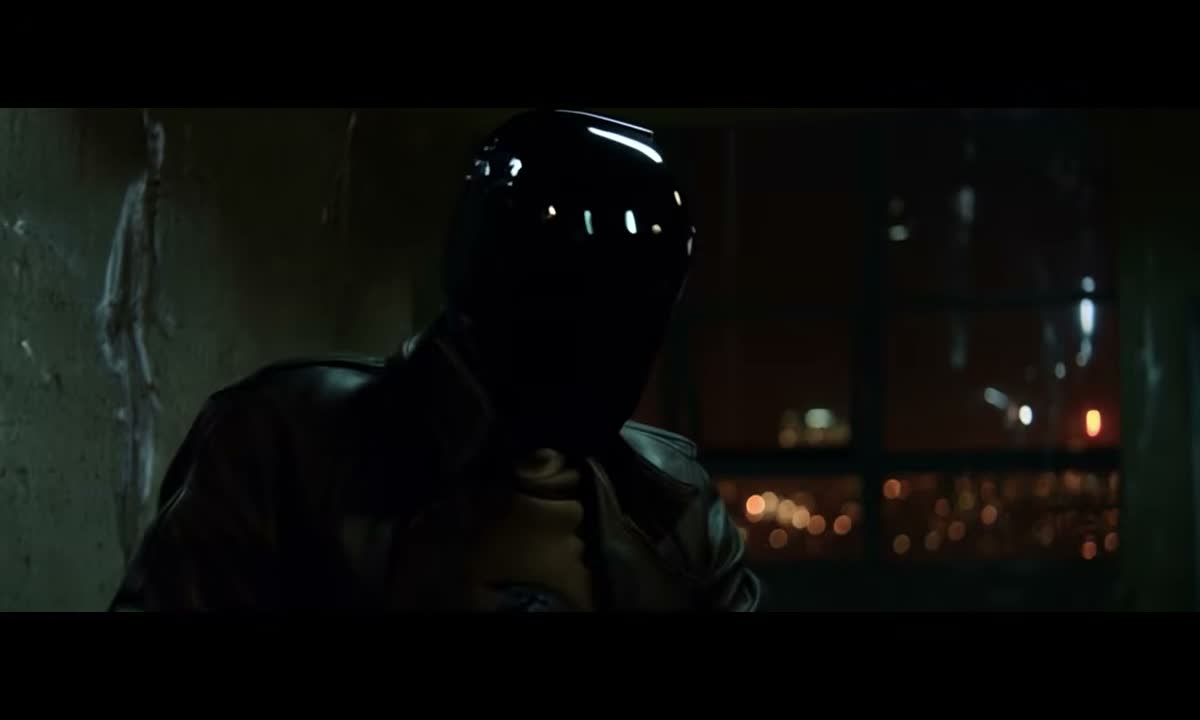
Episode 2 — Echo Hunter: A Memory Too Far (23:19)
A year earlier, and the series goes deeper. A raid on an echo hideout goes wrong in the worst way: the echoes seize an X-7 ray, Deagan’s partner Sira is killed, and Deagan wakes in a department hospital to the captain’s bedside manner: “I’m glad you’re still with me. You know, we can’t reanimate you twice.” His compensation is five new pictures a day while he recovers — and the episode slows down for the monologue that is the heart of the whole series. The pictures are fragments, he says: moments without meaning, warm and familiar and empty. “Like a window on a prison wall. Small, but it’s all I got.” A nurse offers kindness of a dangerous kind — she’d take the mask off him if she could; they’d kill him for it; that’s the point of it: “They don’t want you to remember who you were.”
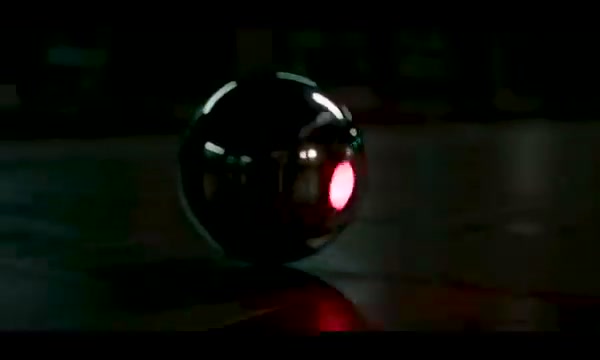
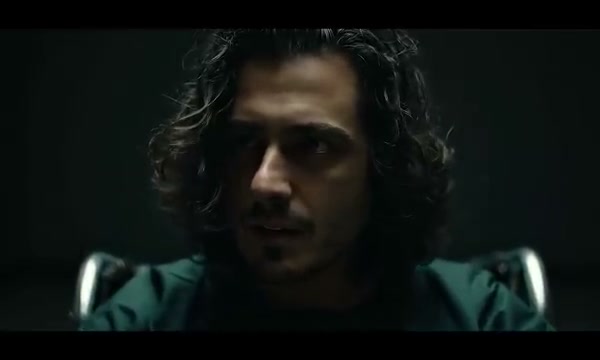
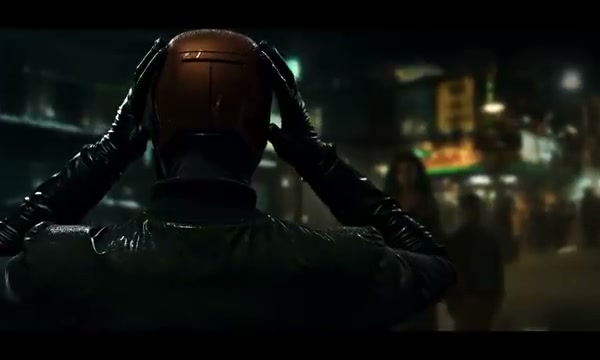
Then the picture that changes everything. “Sequencing one new picture” — and for once it goes further than fragments: a face. His face. A home. “Dad… Is that me? That’s my face. I have kids. I have a family.” It is played without music-swelling tricks, just a dead man sitting in the dark discovering he was a person. And then, the episode’s coldest and funniest stroke: we are shown his beginning — the department’s induction video, all corporate sunshine. “Congratulations and welcome to the Echo Hunter program. Yes, you, the reanimated corpse watching this… Your memories? Wiped clean. Too distracting.” The mask rules, the kill switch, the pictures as motivation — the whole machine, explained like a holiday policy. Deagan goes back to work with a new partner, Agent Thane, and a simple job: a runaway, four echoes, termination authorised — except for the kid. The hunt ends in the rain, with a body on the street and a hunter holding his helmet in both hands while a song plays him out: reflections in life.
Best Scene (Episode 2, ~10:30–12:10)
“That’s my face”
Every night of his second life, Deagan has loaded his five pictures the way a prisoner looks through a window — grateful, detached, careful not to want more: “Right now, I know not to get attached.” This night the sequence runs long. A kitchen. A family. A face he knows from mirrors he is forbidden to look into. “Is that… is that me? That’s my face. I have kids. But I have a family. My sons…” The scene is the whole series in one beat: the department’s leash is not the mask or the kill switch, it is the pictures — hope, rationed — and the moment the ration accidentally becomes a meal, the leash snaps. The induction video that follows runs it close, and the Episode 1 offer (“You can finally see your wife’s face”) is unbearable precisely because we have watched this scene first.
Where It Strains
Two episodes is a beginning, not a season, and both endings are doors left open — Episode 1’s hunter stands at a decision the series hasn’t yet shown him making, and Deagan’s story stops exactly where it gets dangerous. The Episode 1 dialogue in the car is the weakest writing in either episode: partner-banter doing exposition’s work. The action stretches are staged for mood over clarity — in the Episode 2 raid it is genuinely hard to say who has the ray until someone announces it. And a caution that comes with the territory: this is the bleakest material we have imported, built on organ harvesting and state-owned dead men. It handles its themes seriously, but it is not casual viewing, and its rating reflects that.
Final Thoughts
Dead men hunted by dead men, paid in memories, one picture away from remembering everything — Echo Hunter is the real thing: a proper science-fiction series that happens to be made with AI.
Watch Episode 1, then the prequel, then — trust me — Episode 1 again. Forty-five minutes, twice, and worth every one of them.
Scene Breakdown
Episode 1, 0:00–1:30 — The grey district: ruined blocks, the department car, the hunter’s arrival.
Episode 1, 1:30–2:41 — Raymond: “Does a corpse ever consider the purpose of its actions?” “The original’s dead, Raymond.”
Episode 1, 2:41–4:20 — The echoes explained: comfort, pictures, and the ones who run.
Episode 1, 4:20–5:33 — Reporting Card 004: the handler’s dressing-down, and the price docked in pictures.
Episode 1, 5:33–6:54 — “Sequencing three new pictures.” The hunter who has never loaded one.
Episode 1, 6:54–7:50 — The briefing: Card 0027, alive, thirty pictures — or everything deleted.
Episode 1, 7:50–9:20 — In the car with Agent Jacks: the last partner, and what the pictures are for.
Episode 1, 9:20–12:30 — The resistance base: Kara’s offer — the kill switch off, the repressor out, a wife’s face seen clearly.
Episode 1, 12:30–13:30 — “Call the box.” The taking.
Episode 1, 13:30–22:14 — The closing movement: the boardwalk memory, the Echo Hunter Program document, and an eye, deciding.
Episode 2, 0:00–1:45 — Protest streets; the hunters move through the crowd.
Episode 2, 1:45–3:10 — The raid briefing: cards, payouts, and who gets the high ground.
Episode 2, 3:10–4:55 — The raid: the X-7 ray changes hands. “We got a ray! Evacuate!”
Episode 2, 4:55–6:35 — The hospital: “We can’t reanimate you twice.” Sira didn’t make it. Five pictures a day.
Episode 2, 6:35–8:55 — The pictures monologue: “Like a window on a prison wall.”
Episode 2, 8:55–10:30 — The nurse and the mask: “They don’t want you to remember who you were.”
Episode 2, 10:30–12:10 — One picture too far: “That’s my face. I have kids.”
Episode 2, 12:10–14:20 — The induction: “Congratulations and welcome to the Echo Hunter program.”
Episode 2, 14:20–16:10 — Captain Thorn’s orders: the first job back, and a new partner — Agent Thane.
Episode 2, 16:10–19:00 — The hunt, in the rain.
Episode 2, 19:00–21:00 — The confrontation: a body on the street.
Episode 2, 21:00–23:19 — Helmet in hands; the closing song over the credits.
Episode 1: Remarkably clean for photoreal AI at this length. Faces hold through long dialogue scenes, the masks are consistent objects, and the boardwalk memory and eye close-up are flawless. The seams: minor softness in the widest ruined-city establishing shots, and one hurried extraction effect in the taking (~13:00).
Episode 2: The hospital, induction and flashback material is rock-steady — the boy’s face survives its cuts, and Deagan unmasked is the same man throughout. Minor crowd smearing in the protest opening and the raid’s fastest beats, where the staging is chaotic by design.
Series by Kavan the Kid (Phantom X). Episode details are from the episodes’ YouTube pages and our own viewing. Two episodes are released so far; Episode 2 is a prequel to Episode 1, and we present them in release order.
Visitor Reviews
There are no reviews yet. Be the first one to write one.