
À PROPOS
About Kineograph
A name revived, a legacy continued
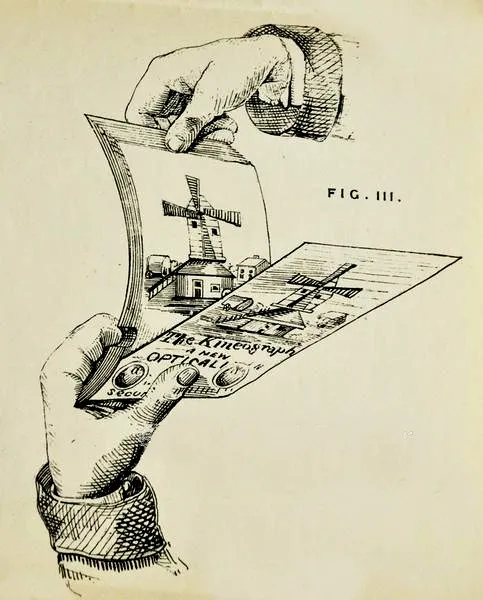
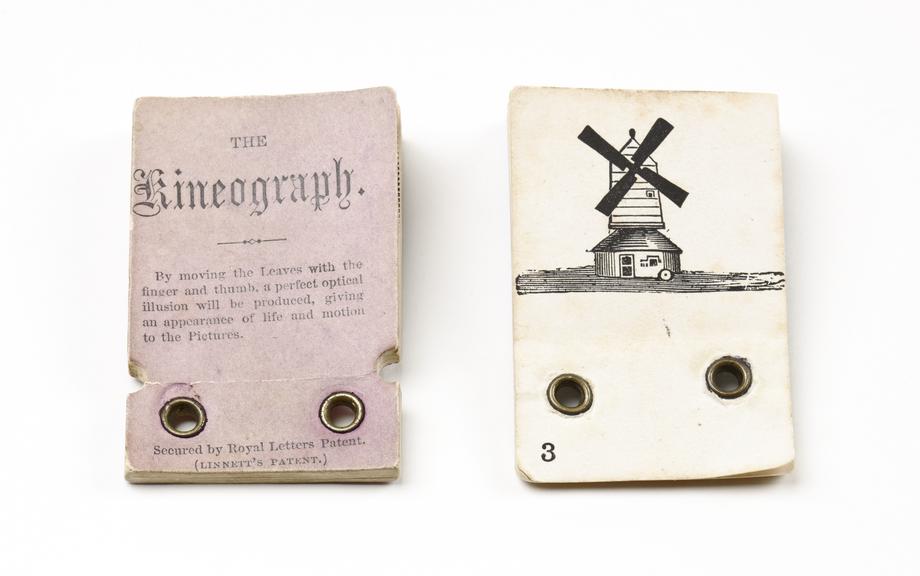
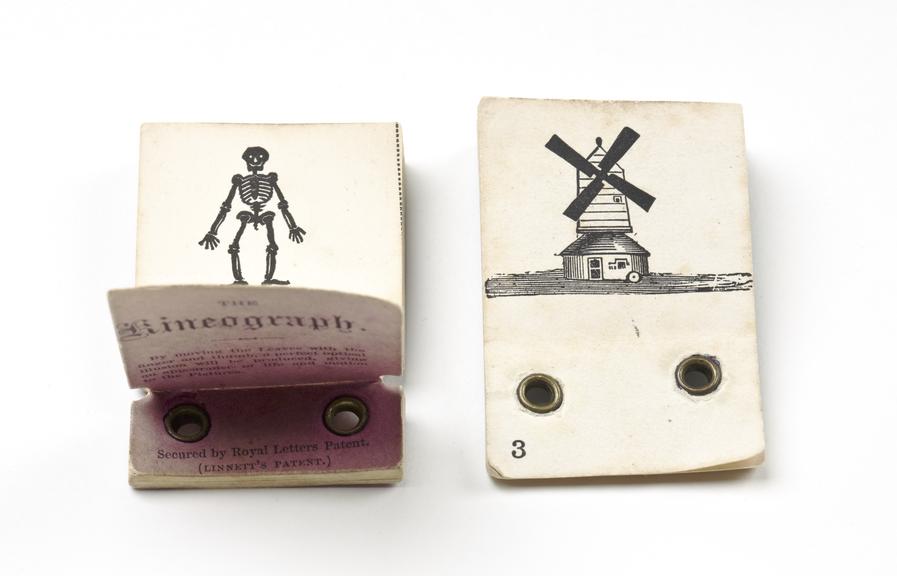
In 1868, an English printer named John Barnes Linnett patented a small paper toy called the Kineograph. Flip through its pages fast, and drawn figures seemed to move on their own.
The idea came a few years earlier from a Frenchman named Pierre-Hubert Desvignes, but Linnett was the one who filed the patent and gave the invention its name.
John Barnes Linnett — patented the Kineograph in 1868
Pierre-Hubert Desvignes — conceived the flip book around 1860
The word Kineograph comes from Greek roots that mean “moving picture.” That name fits well. Historians call the flip book a direct ancestor of the motion picture. Decades before film reels and projectors existed, the Kineograph proved that a fast sequence of still images could trick the eye into seeing motion. That single trick, one image after another, run fast enough to fool the eye, became the foundation that film cameras, then video, and now AI generation were all built on top of.
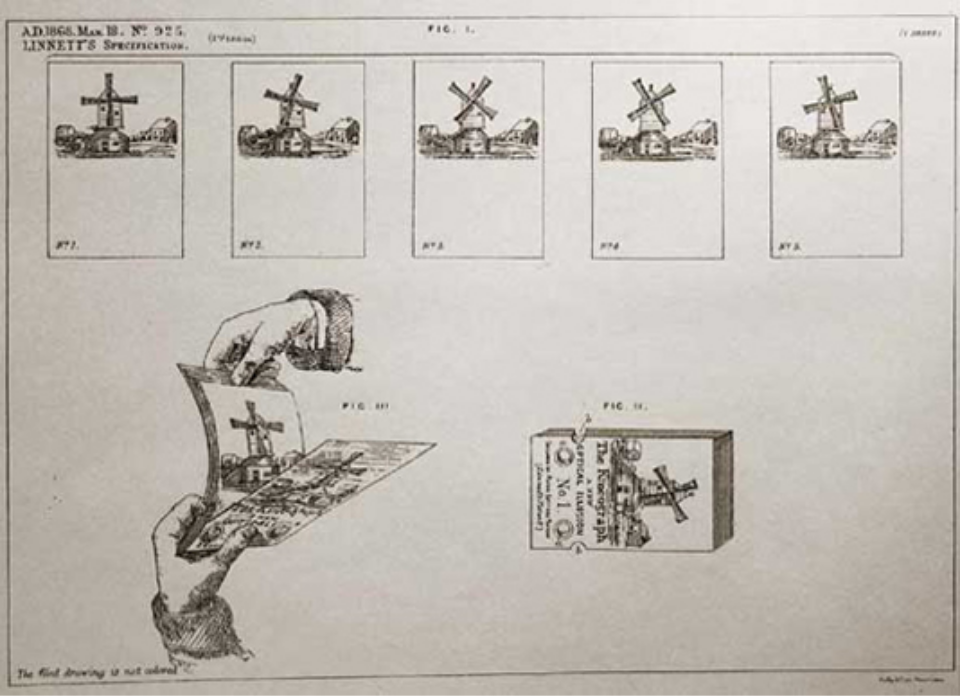
Linnett’s original 1868 patent drawing for the Kineograph
Linnett died in 1870. His patent eventually passed out of his family’s hands, and over time it entered the public domain. Today, the name Kineograph and its original patent illustration belong to no single company. They belong to history, and to anyone who wants to carry the idea forward.
A Revival, Not a Continuation
We did not inherit the Kineograph brand. We chose it. This site is not a sequel to Linnett’s flip book company, and we make no claim to his original work. Instead, we are reviving the name for the newest link in the chain the Kineograph started: AI-generated film.
Think of the line this way. The flip book proved that still images, shown one after another, could create the illusion of motion. Film cameras took that same idea and mechanized it, using reels of celluloid instead of paper pages. Digital video took it further still, trading film for pixels. AI film generation is the newest step in that same line. It builds a sequence of frames the same way the Kineograph did, one image leading into the next, except now a model generates those frames instead of a hand-drawn page or a physical camera. The tool changed. The core idea, still images in fast sequence, did not.
Our logo carries that same lineage forward. We built a windmill mark in the vintage woodcut style common to 19th-century prints, the same period the original Kineograph came from. The windmill was chosen on purpose. Like the Kineograph itself, a windmill takes something simple, moving air, and turns it into real work. AI film generation follows a similar path. It takes a simple set of instructions and turns them into a moving picture.
The Kineograph windmill mark
What Kineograph Is For
Kineograph began as a home for honest reviews of films submitted to the Higgsfield Global Film Festival, and reviews are still our heartbeat — but the library has grown well past one festival. Today, Kineograph reviews AI-generated films, series, and music from creators all over the world, wherever their work appears. Every work is scored against a real rubric — screenplay, direction, technical polish, sound design, and more — and every score is paired with our AI Slop Meter, which rates how much visible AI artifacting a work carries. Two numbers, honestly earned. That is what our slogan means: Skip the slop. Watch what’s worth your time. We also keep a living directory of AI film festivals and contests from around the world — deadlines, entry fees, and prizes — so a filmmaker can find the next door to knock on without spending a week hunting for it.
Opening Doors for AI Filmmakers
A review sur Kineograph is not the end of the road. It is the start of a record. Every registered work receives a permanent Work ID in the Kineograph Registry, and every creator can claim a profile of their own. Verified creators receive letters of authentication for their works — documents that certify a work’s registration, its score, and its place in the Registry — because AI filmmakers deserve paperwork that treats their work as real work. Creators can sign in, add new works, and keep their information current. We answer messages, we write to creators, and when a creator’s series continues somewhere new, we point our readers to it. The point is simple: AI filmmakers are building a new industry, and an industry needs institutions that take it seriously. Kineograph intends to be one of them.
From Reviews to Apps
Kineograph is growing from a review site into a family of apps, all under the same windmill. The Kineograph app brings the library to your phone — films, series, and music in a full-screen feed, with Movie Night to help you choose what to watch. Our Creator Toolkit gives filmmakers free tools for their own work. And because we like to play as well as work, Kineograph now makes games, too — Reel Catcher and Slop Merge — with more on the way at apps.kineograph.us, including apps that help you stay focused and organized. The original Kineograph turned a stack of still pages into the illusion of motion, and that illusion grew into the motion picture itself. Kineograph exists to carry that same legacy into its next chapter — now written in code, prompts, and generated frames instead of ink, and now carried in your pocket as well as on the page.