

 Danny Tseng
Score breakdown
276.6K views
Film Review
This review discusses the ending. If you would rather watch the film first, we recommend you do, and then come back.
The Ritual Of Green
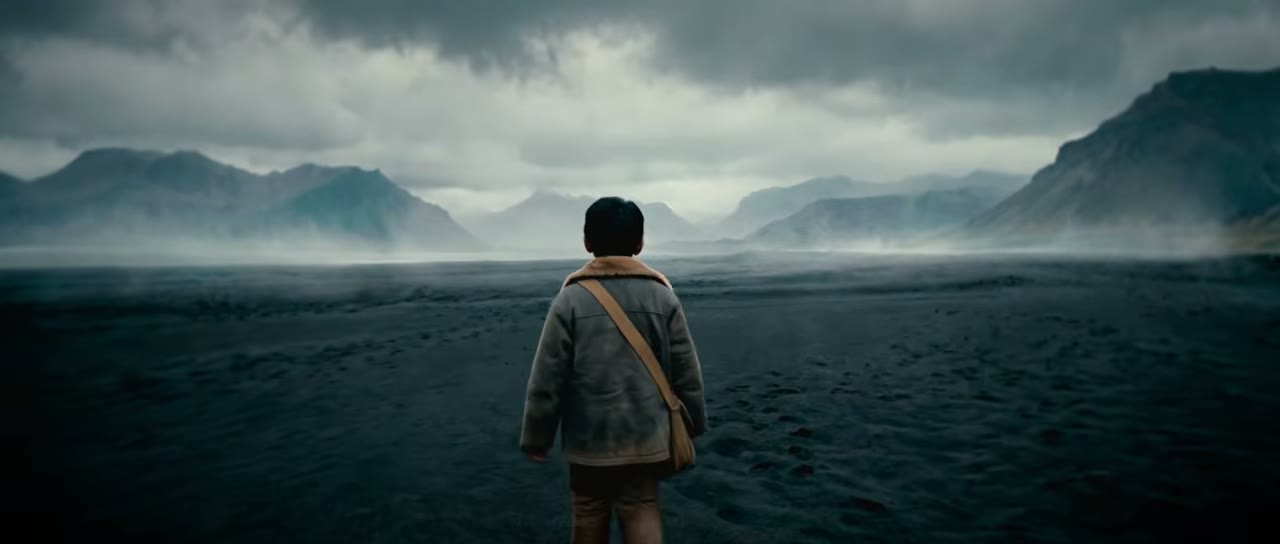
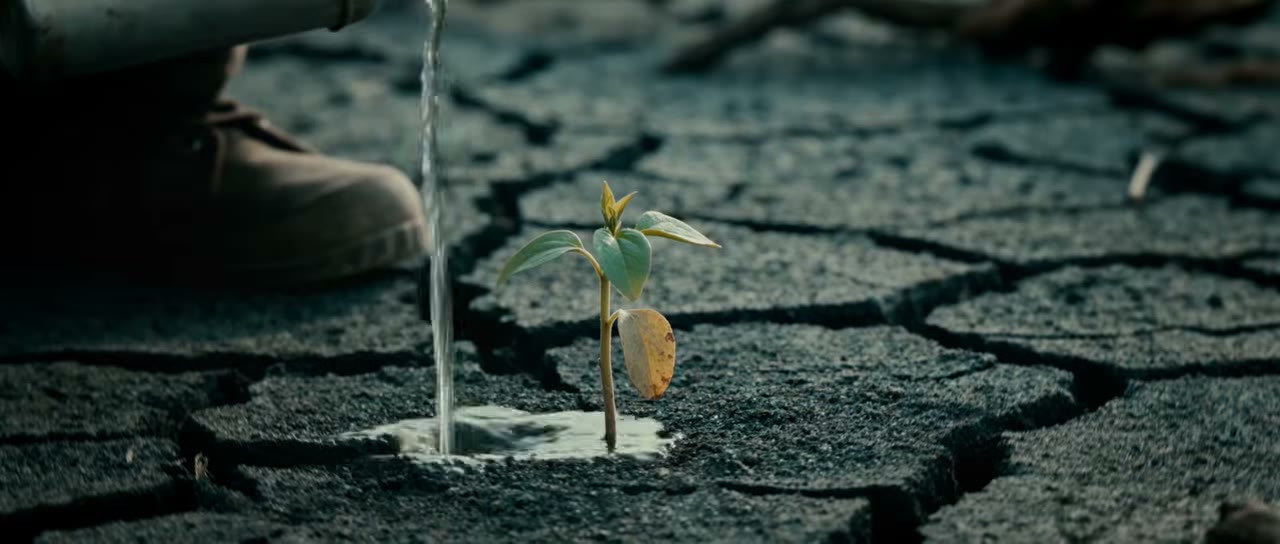
The film’s first movement is a liturgy of small care. An alarm clock. A brown hen in a wooden cage, and her egg. Water ladled, carried, and dripped — a canteen’s last drops falling onto a single green seedling in black soil. The old man and the boy live alone in a stone tower above a cracked ash plain, sustained by one well, and their whole civilisation is this: keeping the green alive one day at a time. It is established without a single line of dialogue — the film’s only speech is four short bursts of Mandarin, unsubtitled, late in the film — and it does not need any. The image of that seedling, green against the ash, is the thesis of the film and the best single frame in this entire batch.
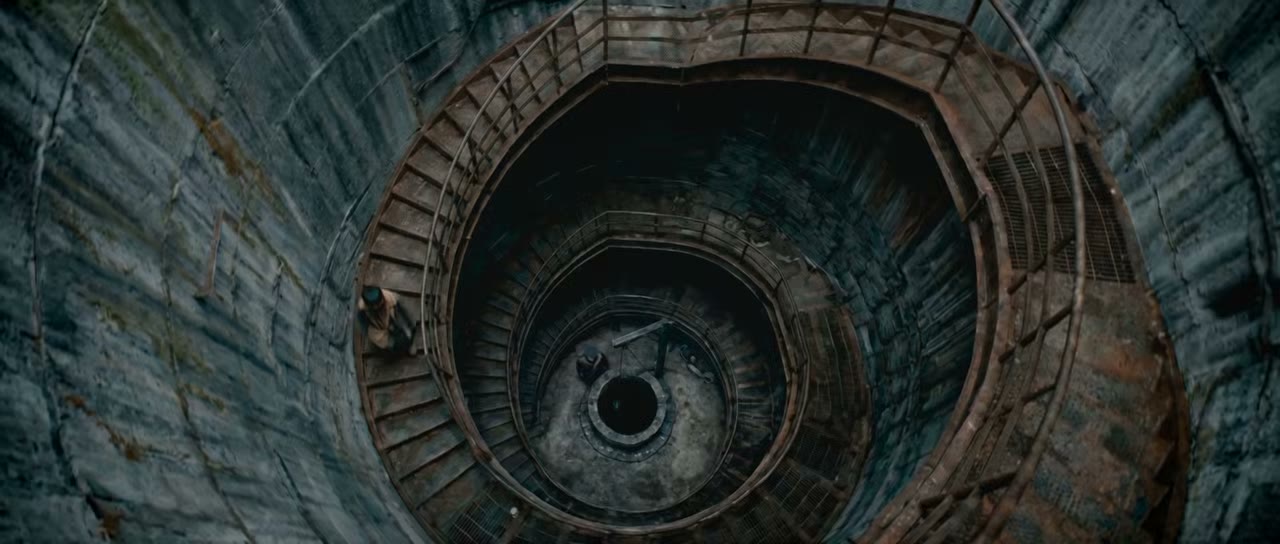
Into this quiet comes the wounded stranger, bloodied, carrying a scoped rifle — seen first, chillingly, through his own crosshairs, centred on a tiny figure on a cliff edge: the boy. The stranger shelters at the tower; he aims outward from its doorway; and somewhere beneath the tower, in the dark, something huge and horned and many-eyed leans over a metal bowl. The film offers no explanation for the creature — vision, dream or tenant — and moves on.
The Doll, The Guns, The Swarm
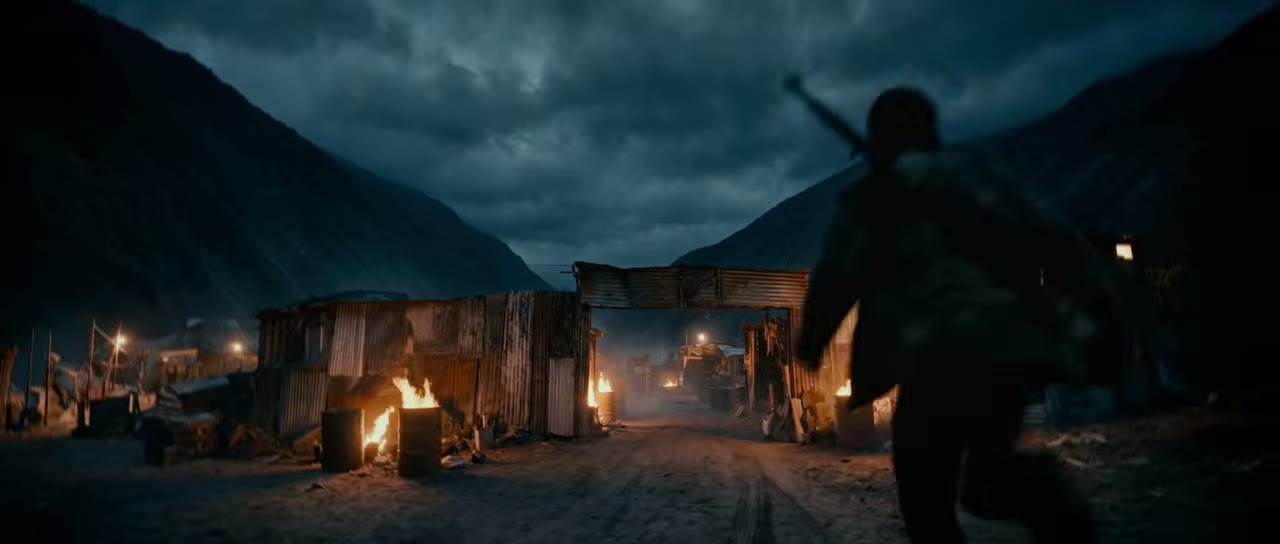
The second thread belongs to the stranger’s world: a torch-lit camp, a heavy machine gun, an armed column marching through the valley with vehicles — a woman with a rifle, a grey-haired man, and at the centre a man carrying a small doll with a pink flower. Their one translated errand, from the Mandarin, is startlingly gentle: they know of the well, and the old man and the kid, and they mean to return the doll. Then the pale horned things come out of the pits, and the column turns to face a swarm of them below the tower, and someone shouts to blast it open. The film’s last images retreat from all of it — back to the hen, the bowl, the boy’s face in warm light, and a pair of hands holding the pink-flower doll — before a title card and a single spoken word: “Tower.”
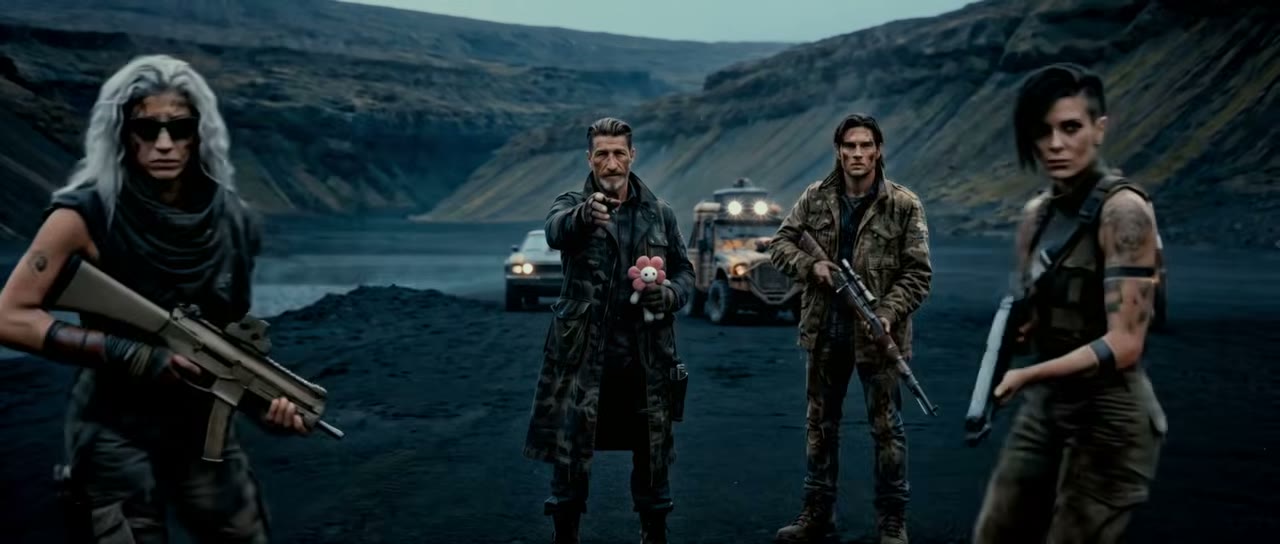
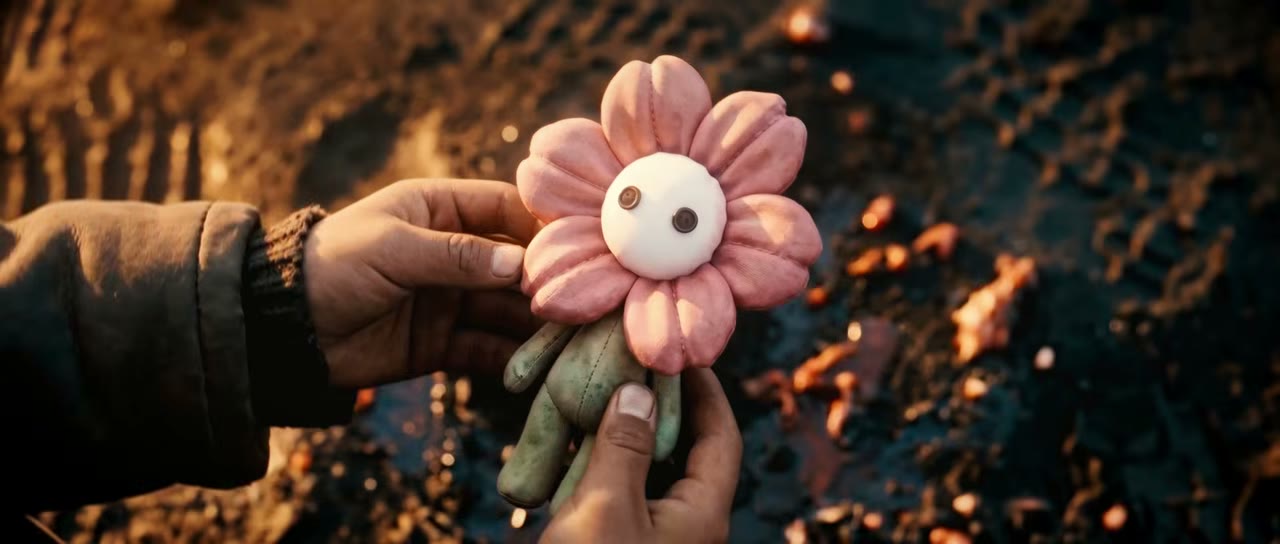
Does the doll reach the boy? Do the old man and the boy survive the swarm? The film does not say, and I will not pretend otherwise. There is a real argument that this is the point — a fable about tending what you can while history happens elsewhere — and the doll’s journey gives the wasteland a heartbeat. But the threads are not merely unresolved; they are unconnected on screen, and the creature is introduced with a weight the film never spends. The craft, though, is the story here: three principals who stay themselves for eleven minutes, no garbled text anywhere, no broken faces, and a world of ash, iron and one green shoot that feels photographed rather than generated. Of the seams that remain, only the creature’s shifting anatomy — its eyes, horns and legs recounting themselves between shots — truly registers.
Best Scene (1:46)
Watering the seedling
One drop falls from a metal canteen onto the only green sprout in a field of black, cracked earth. No dialogue, no music swell, no creature — just the whole film in a single image: care, repeated daily, against the end of the world. It is the cleanest and most emotionally direct frame in the picture.
Final Thoughts
The Tower is a beautiful, patient fable that trusts its images completely and its audience almost as much — and asks to be met halfway. Viewers who need their stories joined up will leave hungry. Viewers who can sit inside a mood will find the most accomplished AI short in this batch: the best-looking, the most consistent, and the only one whose silence feels like a choice rather than a budget. It is also, its creator notes, an entry in the Chroma Awards’ second season — on this evidence, a serious one.
Scene Breakdown
0:00–1:46 — The ritual. The alarm clock, the hen and her egg, the well — and a canteen’s drops on the last green seedling in the ash.
2:00–3:47 — The stranger. A rifle scope finds the boy; a wounded man comes to the tower and shelters inside its walls.
4:02–5:31 — Things below, things beyond. A horned, many-eyed creature over a bowl in the dark; the stranger’s camp, and his machine gun.
7:02–8:31 — The column and the swarm. An armed group marches with a small pink-flowered doll — and the pale creatures rise from the pits to meet them.
9:00–10:55 — The quiet, again. The hen, the bowl, the boy in warm light, the doll in someone’s hands — a title card, one word, and the credits.
4:02, 7:41, 8:01, 8:31 — The creature will not keep one body: its count of eyes, horns and legs changes from shot to shot, and in the swarm scene the creatures merge into a mass where individual bodies cannot be told apart. The creature is a deliberate design — but the redesigns are not.
5:31–6:31 — The heavy machine gun changes shape and length between its two scenes, barrel, receiver and ammunition box rearranging themselves.
~0:00, ~3:16, ~9:31 — Possible, not certain: the boy’s face is soft and indistinct in the opening; a figure’s legs smear in a dark stairwell (may be plain motion blur); fingers carrying the bowl look long and oddly placed.
Throughout (the good news) — No garbled text anywhere — the only words on screen are the title card and credits — and the three principals remain recognisably themselves across all eleven minutes, the strongest character consistency in this batch.
There are no reviews yet. Be the first one to write one.