

Take the Lead
 Tilly Norwood
Score breakdown
571.5K views
Single Review
Written by Kineograph
She is not real, and she knows you know. So she sings about it — a bright, glossy dance-pop single in which the world’s most argued-about AI actress makes her case: behind the code, behind the light, there are people, and she intends to take the lead.
The Song
The chorus hook is the thesis in six words — “Time to take the lead / Create the future, fan the seed” — and it is the clearest, cleanest stretch of singing on the record. The verses are where the polish thins: a few lines are slurred or rushed (around 0:28–0:35, and again in the bridge near 2:51), and the voice’s even, slightly robotic delivery shows most on the fast passages. But the structure never wobbles. Verse, chorus, verse, chorus — this is a song that knows exactly what a pop single is supposed to do, and does it.
The Video
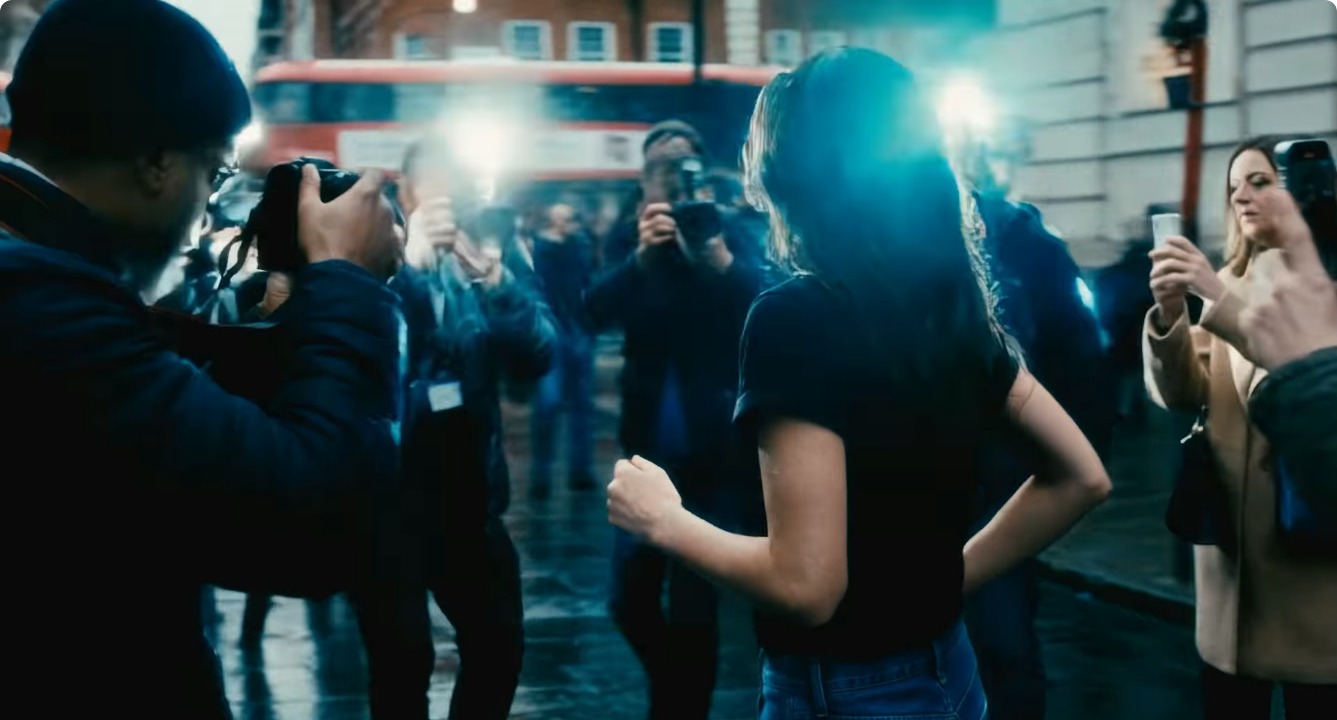
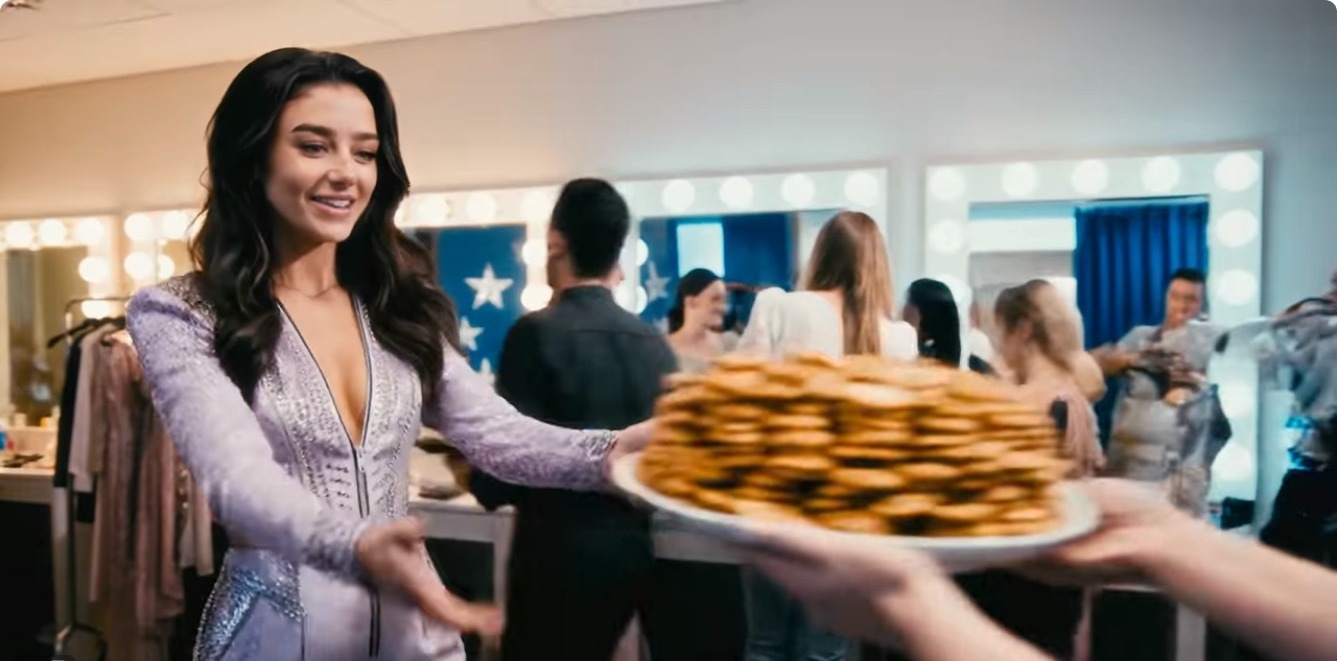
A glamorous London montage: a golden-hour close-up with St Paul’s dome behind her, a red dress photographed from behind in a scrum of paparazzi with a red bus passing, a lavender sequined jumpsuit in a dressing room where someone hands her an enormous plate of pancakes. It plays like a star’s day in the life, which is precisely the joke and precisely the claim. The running gag lands at 3:16 with an extreme close-up of a pink flamingo’s face — the description promises free valet parking for her flamingo with every song, and the video pays it off.
Best Moment (0:56)
The first chorus
When the chorus first lands at 0:56, the song’s whole argument clicks into place — the beat lifts, the voice opens up, and “Time to take the lead” stops being a slogan and becomes a hook. Everything before it is setup; everything after it is confidence.
Where It Strains
The seams are the familiar ones. In the photographers’ scrum at 0:52, background faces smear and blur; in the dressing room, figures in the background are indistinct and one face melts into the mirror lights; the hand holding the pancake plate is cropped into ambiguity. On the audio side, those rushed verse lines are the cost of the gloss. None of it stops the song — but it is there if you look, and we did.
Final Thoughts
A synthetic performer singing, in her own voice, about why she deserves to be heard — and making the catchiest case in this batch.
Whatever you think of AI performers, this is the one to argue about, because it argues back. Start here if you want to know what the fuss is about.
Scene Breakdown
0:00–0:15 — Golden-hour close-up; St Paul’s dome behind her.
0:28–0:35 — First verse; a few lines slurred in the rush.
0:52 — The red dress and the photographers’ scrum; a red bus passes.
0:56–1:25 — The first chorus — the cleanest singing on the record.
1:51 — Lavender sequins in the dressing room; the pancake plate arrives.
2:21–2:50 — Second chorus, just as clean.
2:51 — The bridge; the diction rushes again.
3:16 — The flamingo gets his close-up.
Video: ~0:52 — photographers’ faces blurred and smeared; figures morph between cuts. ~1:51 — dressing-room background figures indistinct; one face smeared into the mirror lights; the hand holding the pancake plate is cropped and ambiguous. No gibberish text seen.
Audio: verse lines slurred ~0:28–0:35 and in the bridge ~2:51. The choruses (~0:56–1:25, ~2:21–2:50) are clean, clear and on pitch, and lip-sync in close-ups is generally close.
Single by Tilly Norwood. Details are from the video’s YouTube page and our own listening; the performer is synthetic, created by Xicoia, the AI talent studio of Particle6.
There are no reviews yet. Be the first one to write one.