

Standing Waves
 Allan Ripley
 Creator ID26-11-02-0004

Score breakdown
Read Review
4 views on Kineograph
Series Review
Written by Kineograph
In 2036, Blake Holloway’s job is to decide whether the synthetic people in front of him are who they claim to be — until the wave on his monitor stops moving, and the questions turn around.
This review discusses Episode 1’s ending. If you would rather watch first, we recommend you do, and then come back.
The Man Who Checks If People Are Real
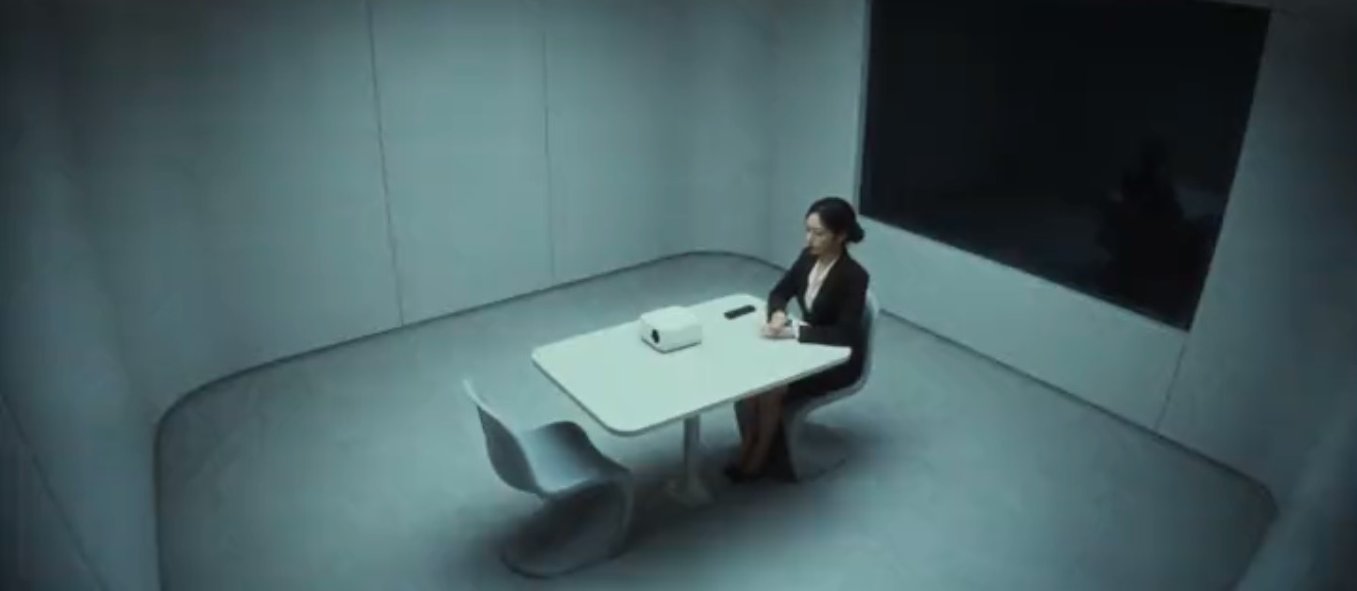
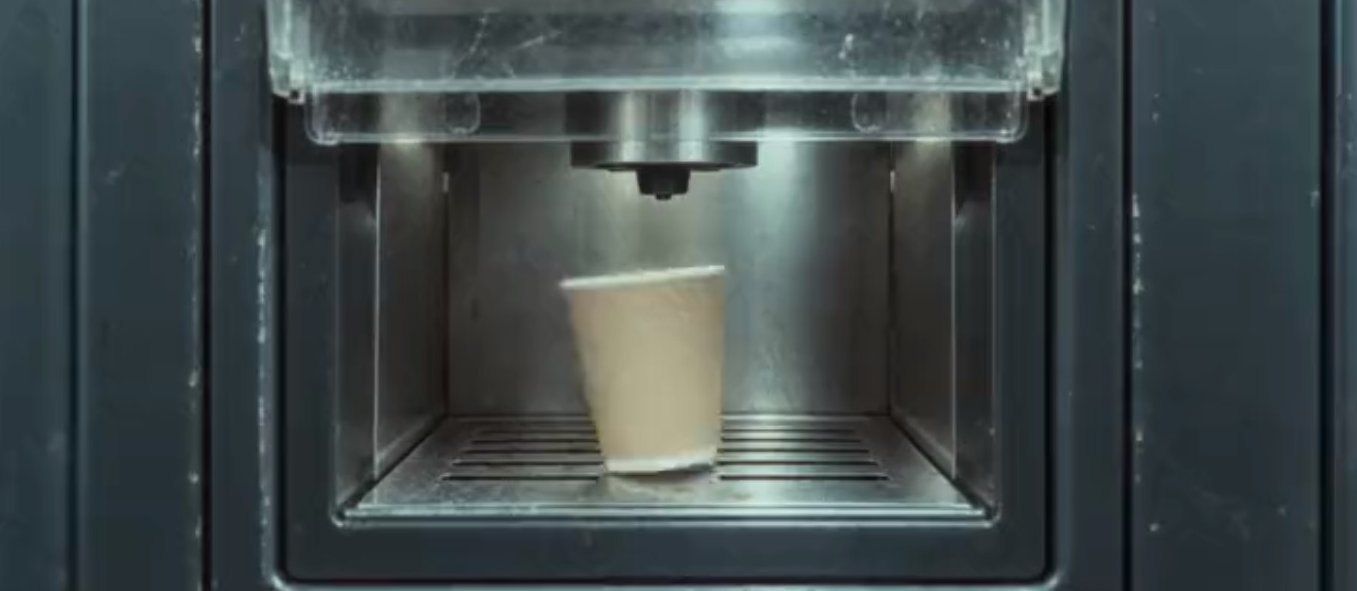
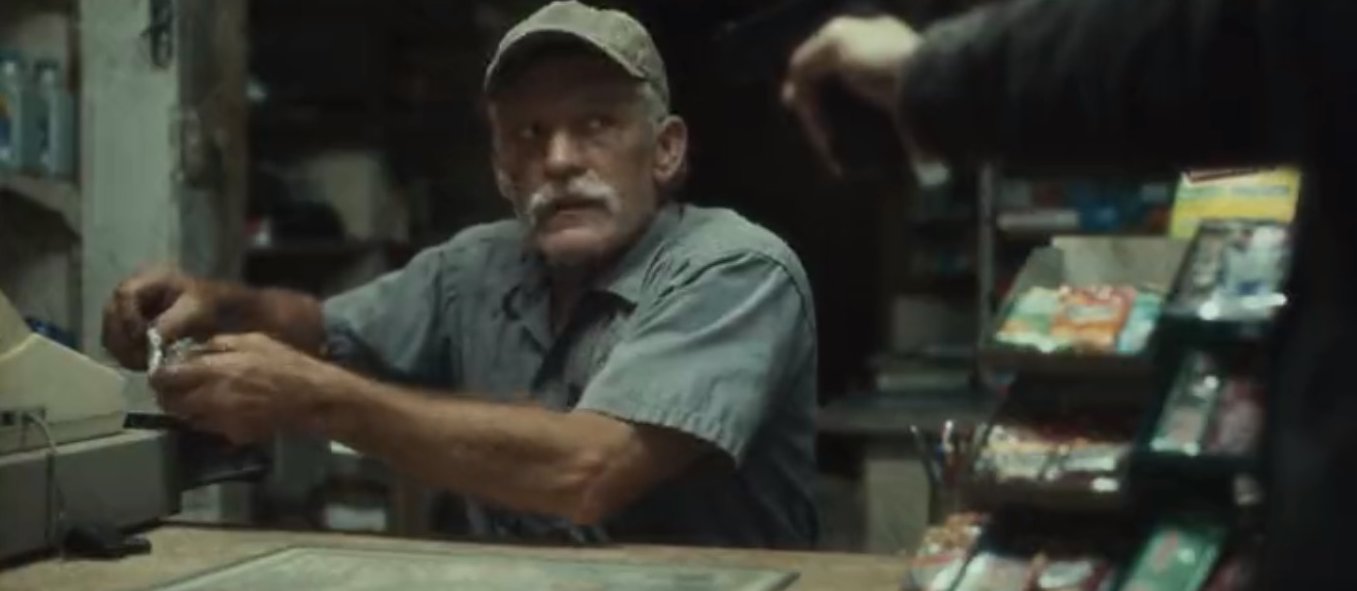
Blake Holloway works in a white room with a projector and a spread of photographs, evaluating synthetics for Pacific Research, the company that oversees them. The episode opens on small, telling rituals: a coffee cup filling under a dispenser, a convenience-store counter, a plate of spaghetti and small talk that isn’t small at all — “It just didn’t feel like she was making it up.”
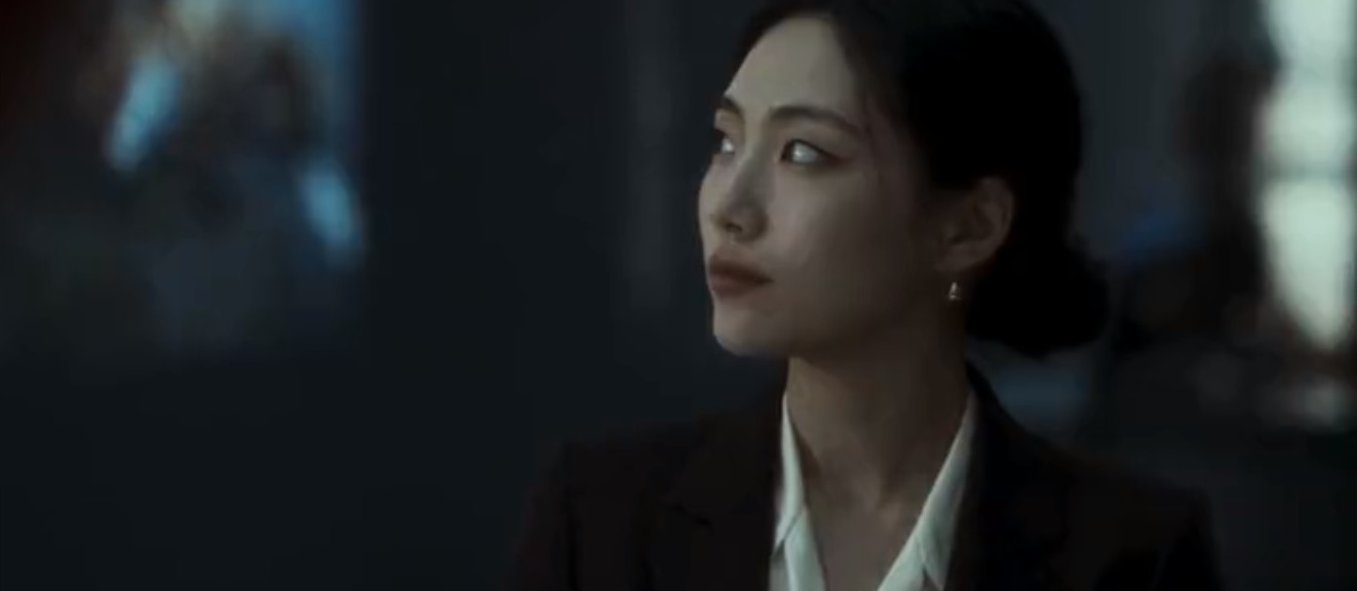
In the white room, Mr. Rogers studies a photograph of a dead fox and wonders, reasonably, whether it is sleeping. Kim’s answers stay composed under questioning — so composed that they stay with Blake afterwards, the way a wrong note stays with a musician. This is a series about people whose job is certainty, surrounded by beings who make certainty impossible.
A Wave That Stops
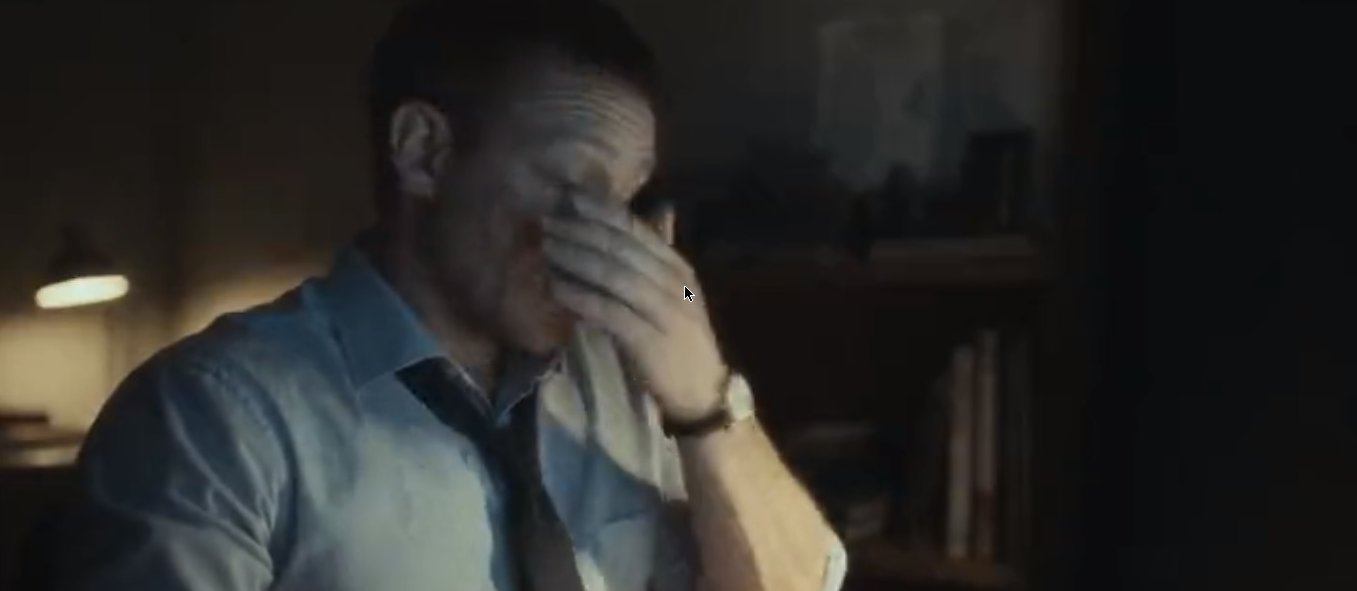
Dennis was validated two weeks ago. He has been missing for five days. And one night Blake starts digging the way evaluators dig when the official answers stop working: an old newspaper story, a former Pacific scientist, a system door that will not open for him. A monitor at Pacific shows the synthetic profiles — Ruth Adler, Denis Renner: VALIDATED, Kenji Arai, Leah Brandt — and a login screen that knows him as “Blake-2”. The series never underlines what that means. It doesn’t have to.
Somewhere in the episode a hooded figure offers the line the title is hiding in: “the waves turn back into rocks.” And on a Pacific monitor, a wave simply stops moving — water refusing to behave like water, the way the people in this world refuse to behave like people.
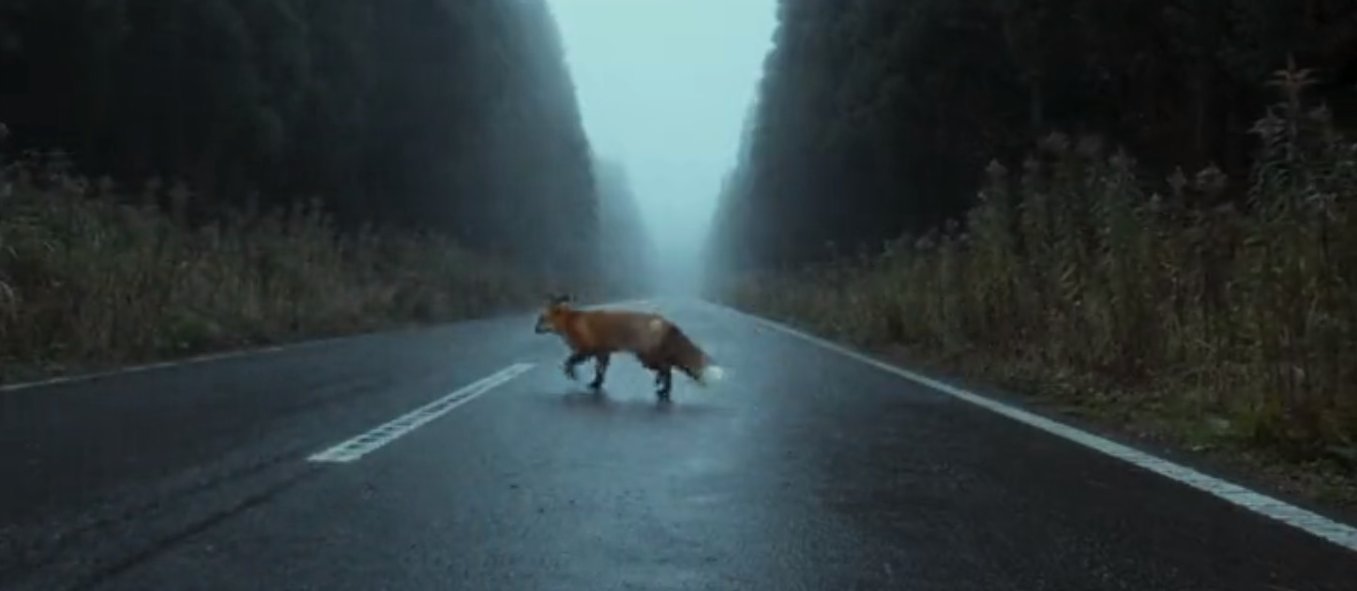
Best Scene (around 17:06)
The fox, again
Early in the episode, Mr. Rogers looks at a photograph of a dead fox and asks whether it is sleeping. It is the kind of question this series asks about everything: how can you tell the living from the lifelike?
In the final minutes the episode answers with an image instead of an argument: a live red fox, on a wet road at night, in fog — real, breathing, unposed, and utterly indifferent to being evaluated. After seventeen minutes of white rooms and photographs, the living world walks through the frame like it owns it. It is a perfect closing rhyme, and it lands without a word of dialogue.
Craft That Stays Invisible
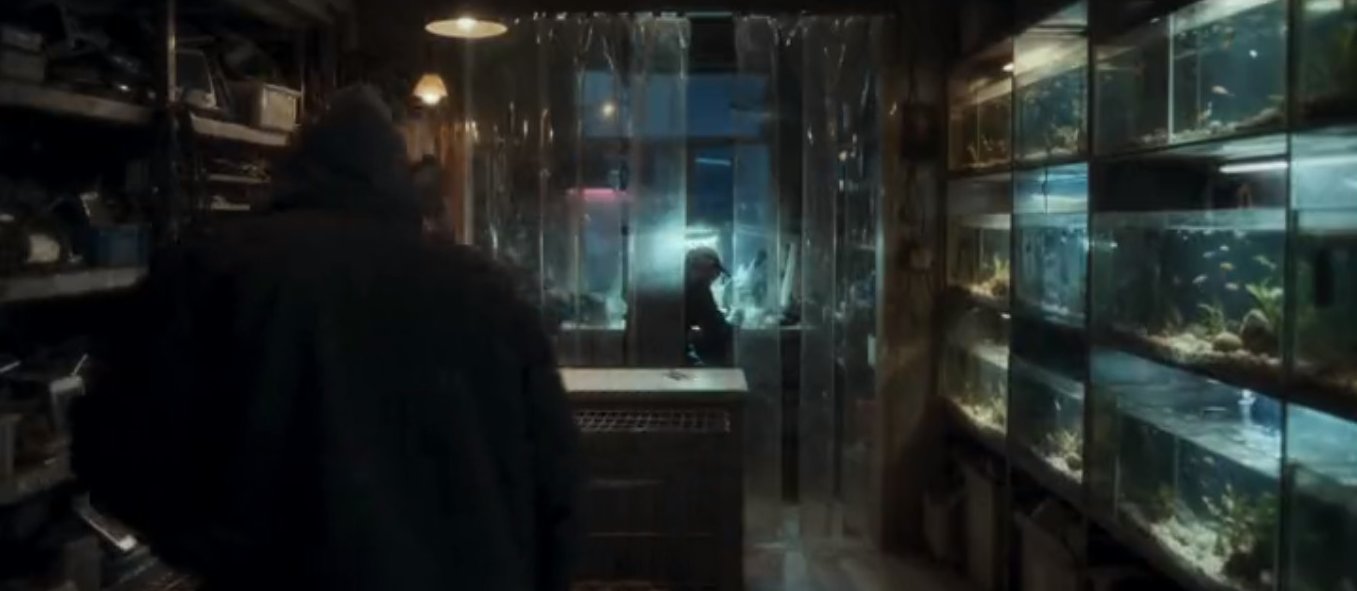
What puts this episode at the top of the contest is discipline. The white evaluation room holds its geometry from every angle, including directly overhead. Faces stay faces across close-ups and conversations. The thriller machinery — a missing man, a sealed door, a second Blake on a login screen — is assembled out of quiet scenes rather than chases. Even the somebody who wakes in a back-alley taxidermy shop (a workplace for preserving dead things that look alive; the series knows exactly what it is doing) arrives as dread, not shock.
Final Thoughts
Standing Waves is a sci-fi noir about a man paid to tell real people from made ones, in a world where the ocean itself has started holding still.
I would recommend it to anyone who likes their science fiction quiet, literary and patient — and to anyone who thinks AI series can’t do restraint. This one does almost nothing but.
Scene Breakdown
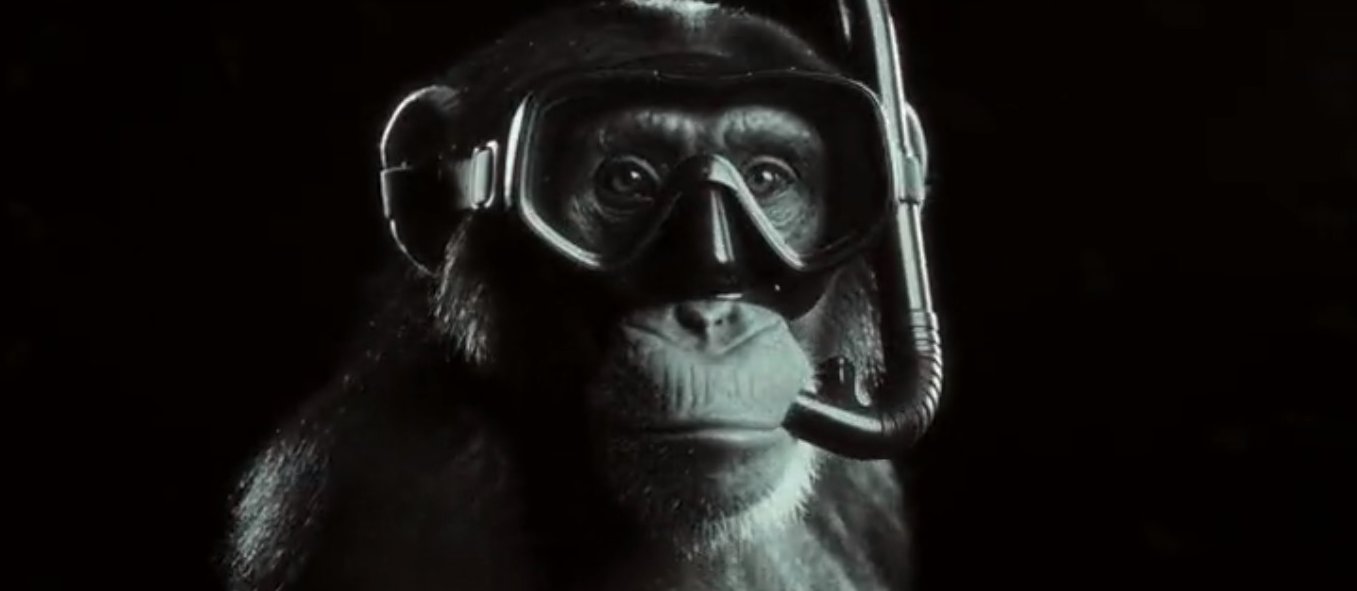
~0:06 — A goggled, masked face in close-up — the world of the synthetics, up close.
~1:44 — A coffee cup under a dispenser; the everyday rituals of Pacific Research.
~3:29 — A convenience-store counter: “Hang on. I’m getting it.”
~5:14 — The white evaluation room, seen from above.
~6:59–8:44 — Blake interviews Kim; her composed answers stay with him.
~10:29 — A hooded figure: “the waves turn back into rocks.”
~12:11 — Over a plate of spaghetti: “It just didn’t feel like she was making it up.”
~13:57–14:03 — A login screen: “Blake-2”. The Pacific monitor of synthetic profiles — Denis Renner, VALIDATED.
~17:06 — A live red fox on a wet road at night, in fog.
Entered in the PixVerse AI Film Contest (PixLight). Synopsis and contest details from the work’s PixVerse page.
Visitor Reviews
There are no reviews yet. Be the first one to write one.