

Follow Me
 Tim
 Creator ID26-11-02-0062

Score breakdown
Read Review
3 views on Kineograph
Series Review
Written by Kineograph
A young filmmaker tells a psychiatrist the story of his life — the angel, the breakdown, and the master he crossed the world to find — and the psychiatrist only asks him one thing: did you follow?
This review discusses how the story is framed. If you would rather watch first, we recommend you do, and then come back.
A Life Told From A Hospital Chair
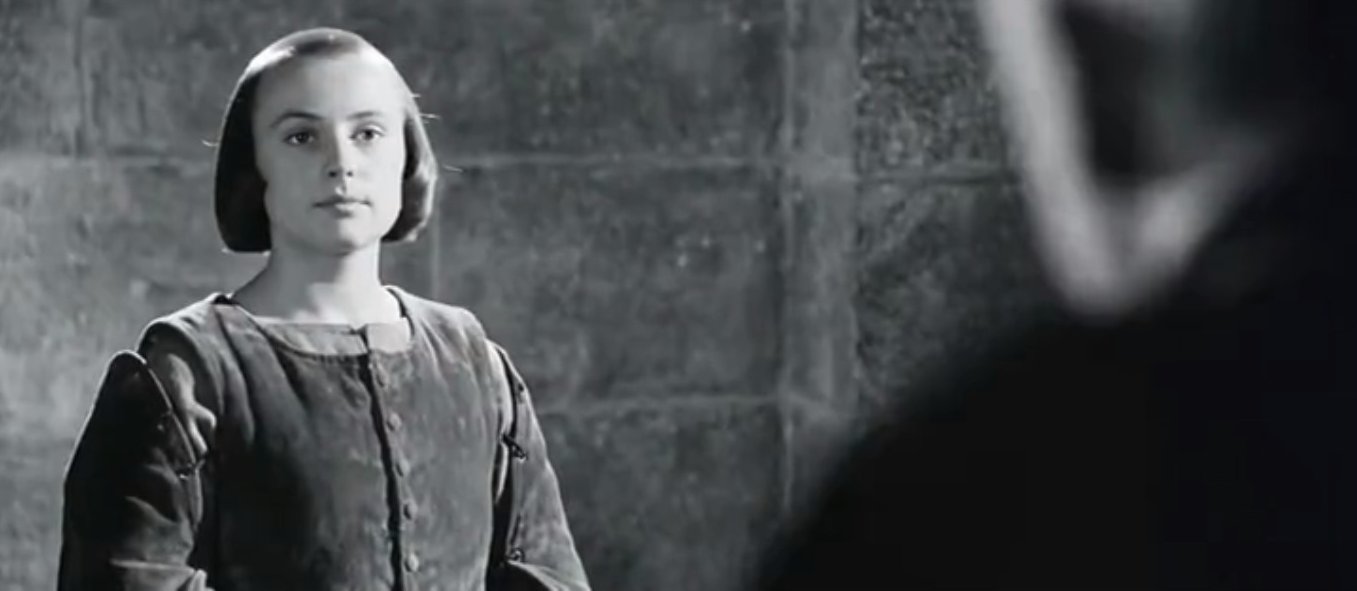
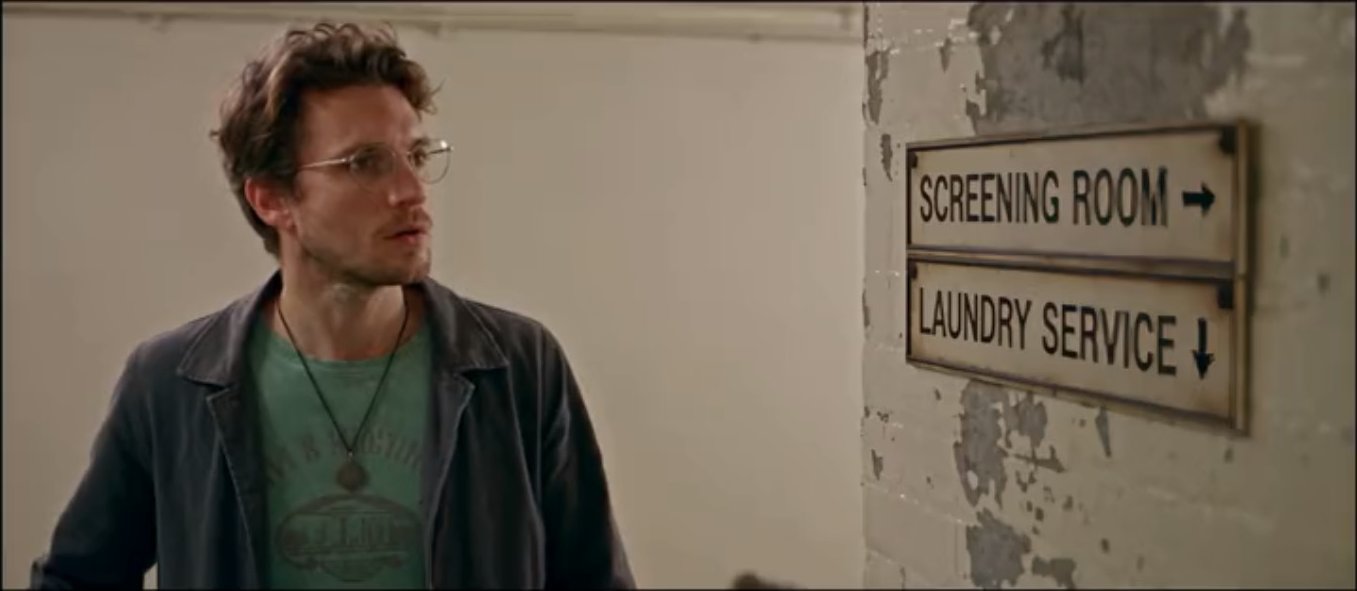
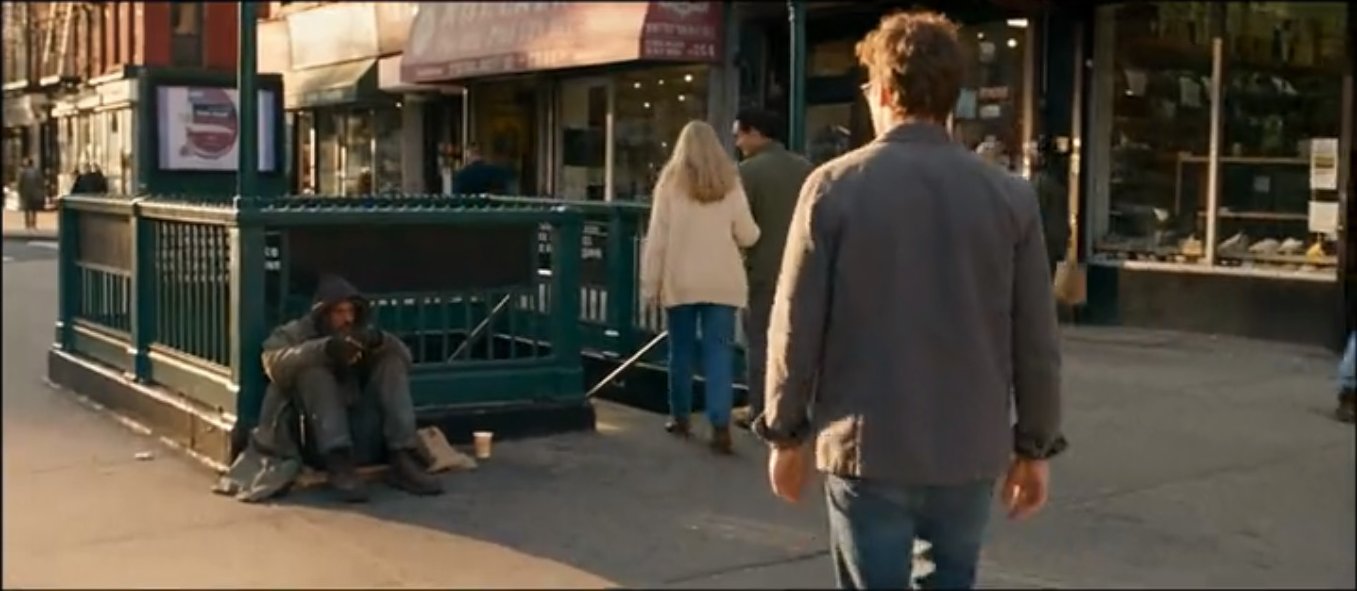
The whole series is one long act of remembering. Tim Hamawi — the film describes him as a young British filmmaker and mathematician — sits with a psychiatrist and tells it in order. An angel gives him the winning lottery numbers, and he does not play them, and all five come up the next day. Time stops for him, once, and he slips out of his own body. Small scenes carry these huge claims with a straight face: a black-and-white glimpse of a woman named Joan early on, a laundry service sign, a hooded figure at a subway entrance — the ordinary world kept carefully in frame while the extraordinary leaks through it.
That restraint is the series’ best instinct. The wonders are never shouted. They are recounted, the way a person actually recounts the strangest things that ever happened to them — half certain, half asking you to believe them.
Three Continents Looking For Something
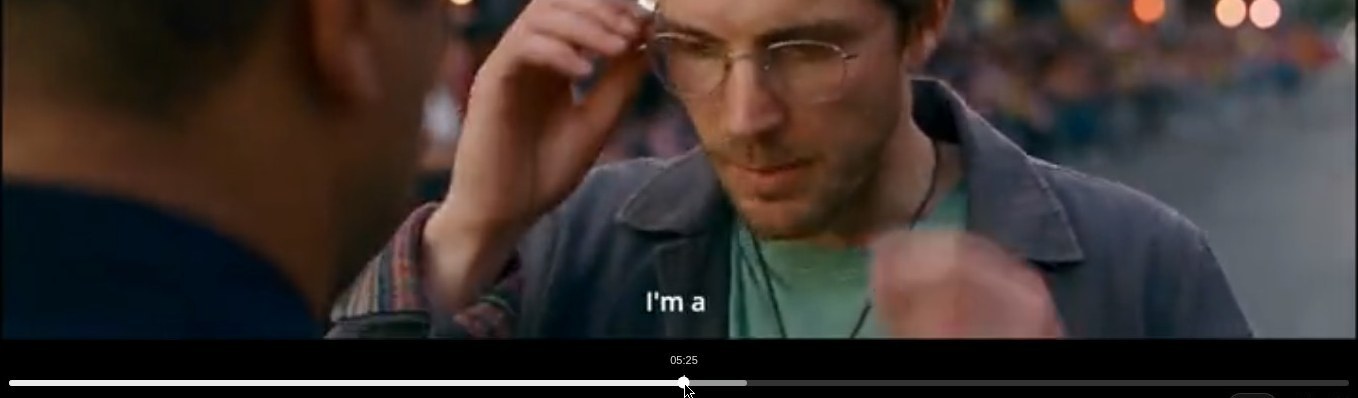
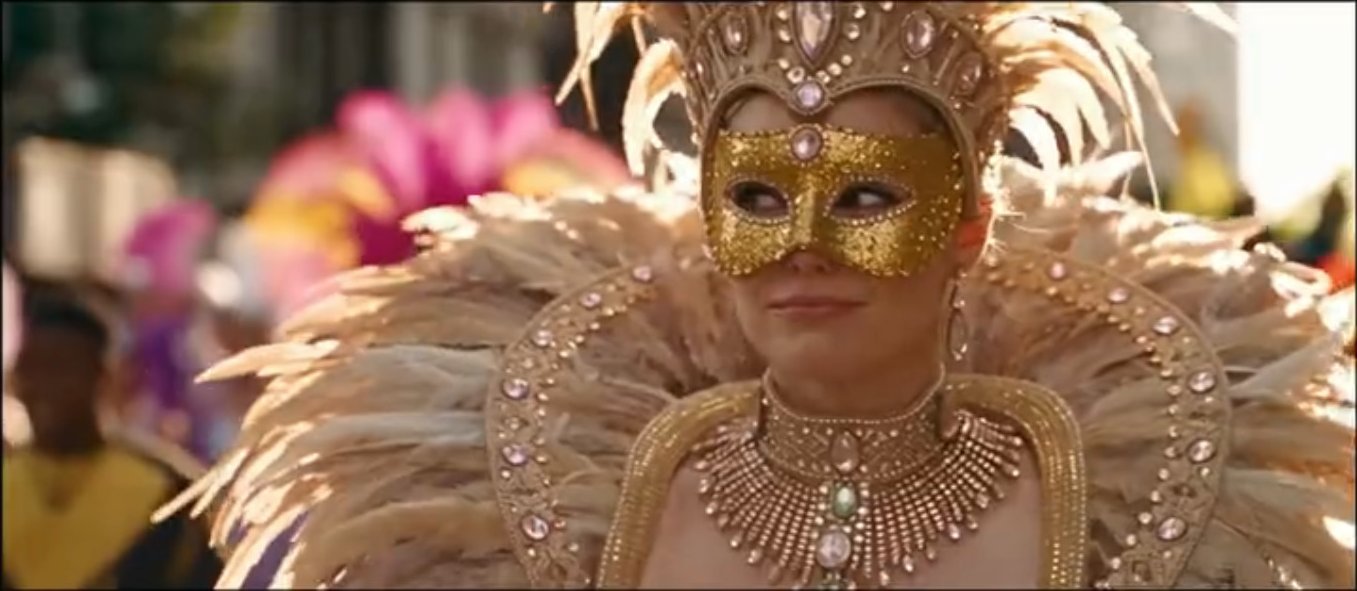
From Amsterdam’s psychedelic years the story moves to a spiritual search in India, and the colour changes with the geography: a night carnival of feathered dancers around 7:32, all feathers and lamplight, with a simple title card — “Meditation” — arriving like a held breath at 8:43. Then New York, Halloween 2005: street lights, a man adjusting his glasses in the crowd, telling a stranger “I’m a…” — and whatever he is about to say collapses into the breakdown that puts him in the hospital where the telling began. There he meets his future wife, with the words nobody expects at the start of a love story: “I think I’ve just killed somebody.”
Underneath the itinerary is a disciple’s story. A mentor presses him on whether he can love unconditionally, and the search bends towards the Himalayan master Babaji — the man the whole journey has been walking towards without knowing it.
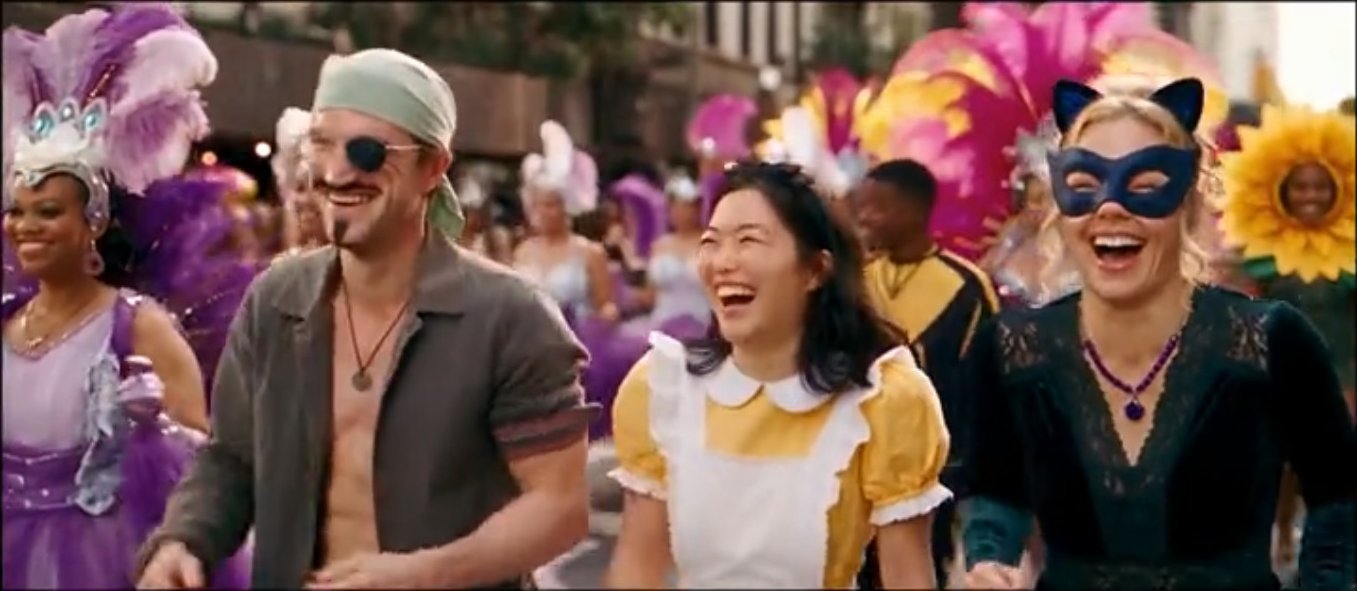
Best Scene (around 10:29)
“Did you follow?”
Near the end we are back in the hospital room, where we started, and the psychiatrist asks the question the entire series has been hiding inside its own title: “Did you follow?”
It is the smallest moment in the piece and the one that reorganises everything before it. Follow the story? Follow the man? Follow the path he took — through the signs, the cities, the breakdown, the master? The series is called Follow Me, and in its last minutes you realise the title was never a description. It was an invitation, and possibly a test.
Where It Strains
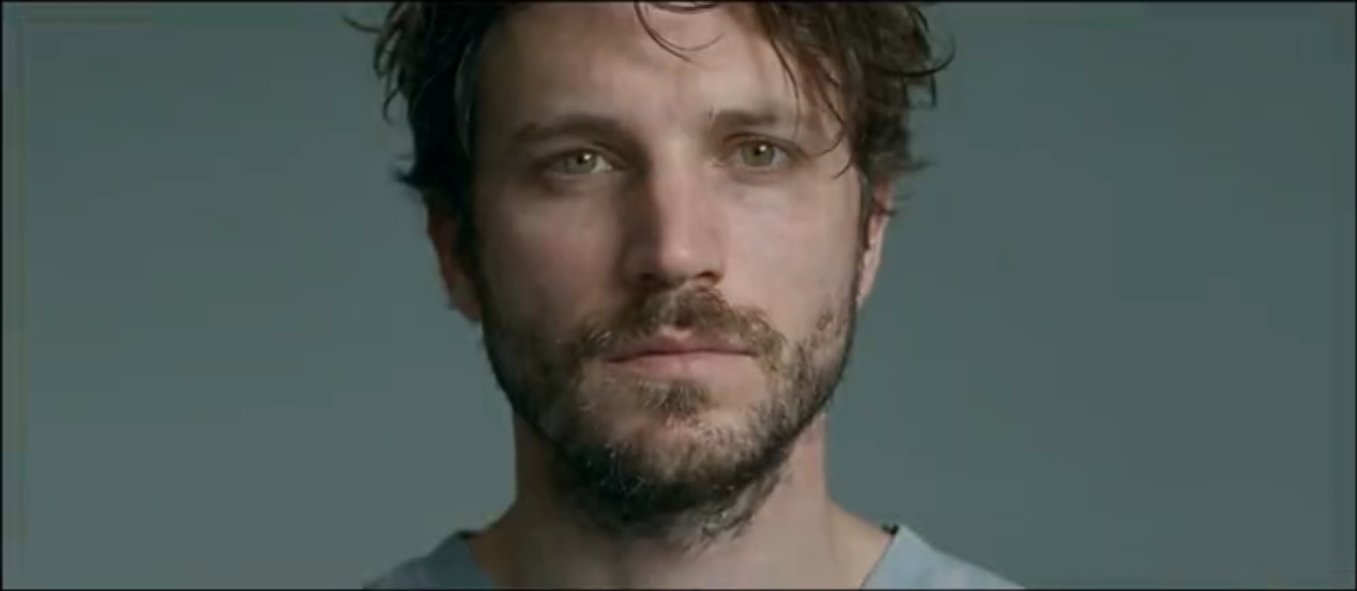
Honesty requires two dents. The first is pace: a whole life in 10:44 means whole chapters of that life arrive as flashes, and a few of the biggest turns pass before they can settle. The second is consistency of finish. The lead stays recognisably himself throughout — the glasses, the face, the manner — but the image quality moves around between passages: some stretches are clean and cinematic, others noticeably softer, and the black-and-white early passage is the softest of all. It never breaks the spell, but you can see the joins.
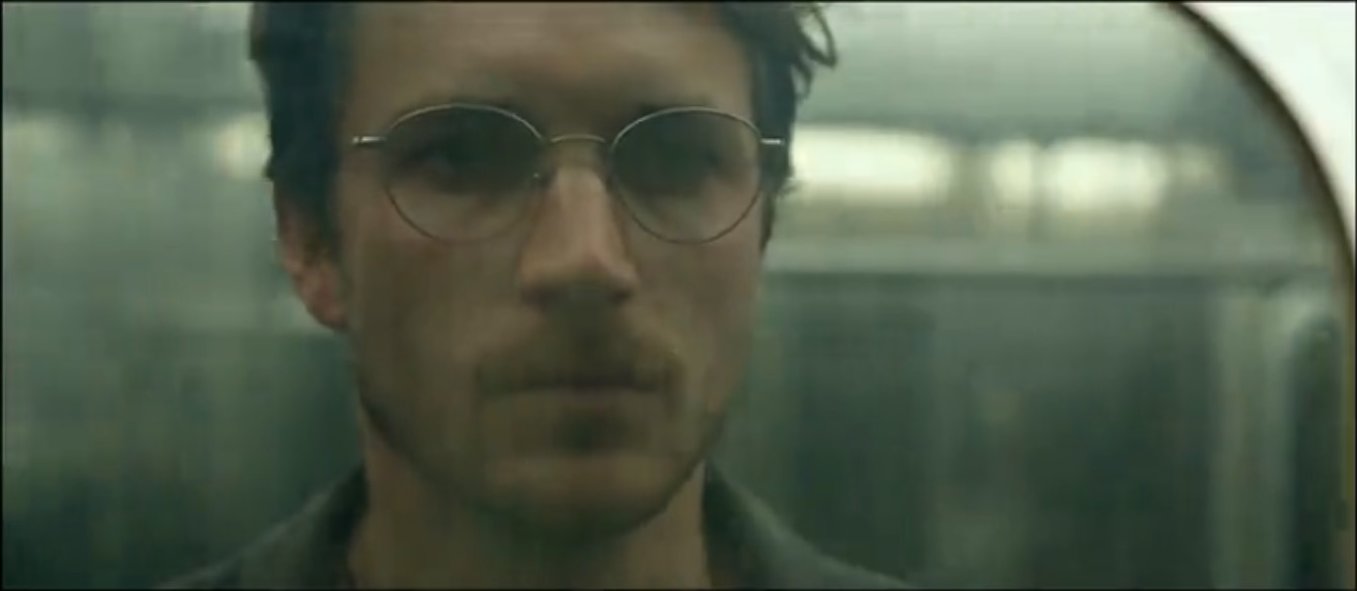
Neither dent changes what this is: one of the most personal things entered in the PixVerse contest, and the rare AI series that is about an actual human life rather than a concept.
Final Thoughts
Follow Me is a man’s whole search for meaning — angel, breakdown, marriage and master — compressed into eleven restless, heartfelt minutes.
I would recommend it to anyone who likes their drama spiritual and autobiographical, and to anyone curious about how much life an AI film can hold. It is presented as a series entry and plays as a single complete chapter; if more of Tim’s story follows, this is where it began.
Scene Breakdown
~1:03 — A black-and-white period glimpse: the name “Joan” on screen, an early signpost in the telling.
~2:10 — A “LAUNDRY SERVICE” sign — the ordinary world, kept in frame.
~3:13 — A hooded man at a subway entrance.
~4:18 — An extreme close-up of Tim’s face.
~5:25 — A New York street at night; Tim adjusts his glasses: “I’m a…”
~7:32–8:43 — A carnival of feathered dancers; the title card “Meditation”.
~10:29 — The hospital framing scene: “Did you follow?”
Entered in the PixVerse AI Film Contest (PixLight). Synopsis and contest details from the work’s PixVerse page; the film presents its story as based on extraordinary true events.
Visitor Reviews
There are no reviews yet. Be the first one to write one.