
Download Free Original Music Songs from the films
Scores & Rankings
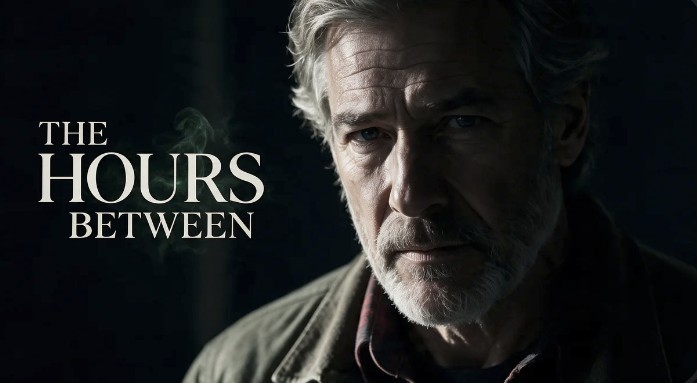
The Hours Between Directed by Aether
Find this film in
Score breakdown
- Storytelling & Structure ×210
- Emotional Connection ×210
- AI Tool Management ×210
- Visual Craft10
- Screenplay9
- Sound Design10
- Originality7
- Technical Polish10
- Rewatch Value10
×2 = core category, counts double.
Film Review
Written by Kineograph
A man finally agrees to tell his story after a routine drive home leaves his family with four missing hours and no memory of them.
This review discusses key moments and the ending. If you would rather watch first, we recommend you do, and then come back.
A Reluctant Man and a Reporter
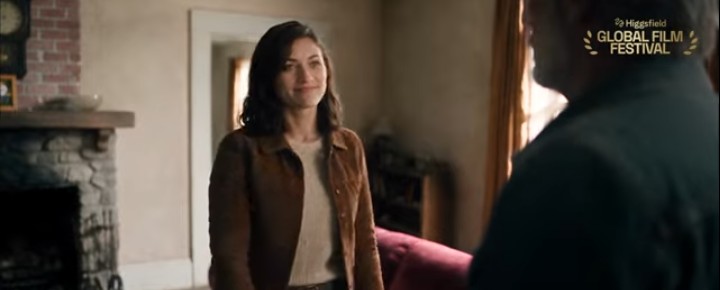
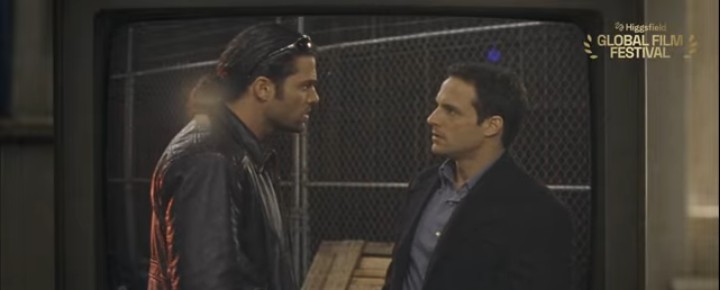
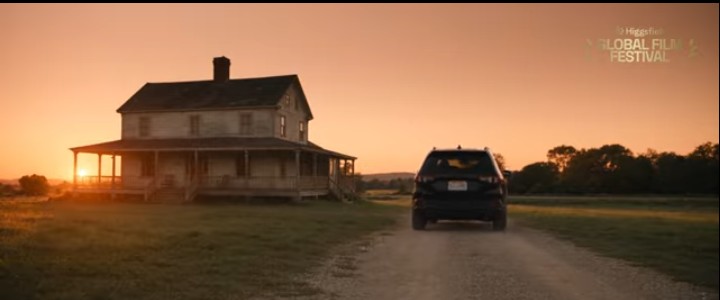
The film opens in the present, in a farmhouse, with a reluctant host. Arthur Finch, now an older man, has agreed to speak to a reporter, Claire Bennett of the Ohio Gazette, and his first words to her are, “Let’s just get this over with.” His wife apologizes for him and explains that they do not get many visitors.
I like this frame a great deal, because it lets us arrive the way Claire does: polite, curious and a little skeptical. We are asked to judge the story before we hear it, and then the film spends twenty minutes making that judgment feel unfair. Arthur also says that the place has seen better days. I read that as describing more than a house.
A Normal Drive Home
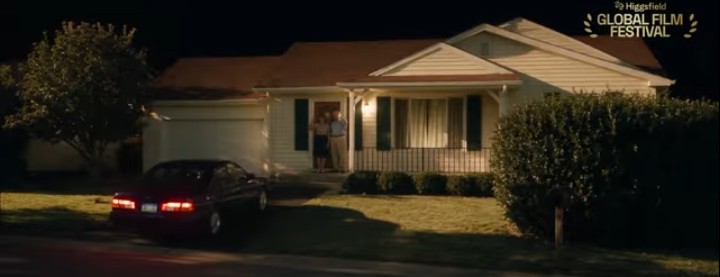
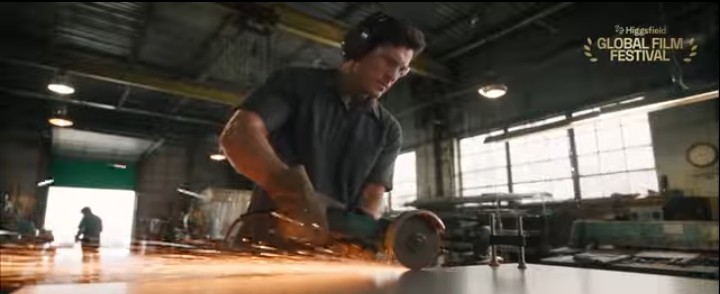
Arthur begins in 1998, and what struck me is how carefully the film builds an ordinary life before it breaks it. There are boxes in the attic, teasing between father and son, and a wife who thinks the house could do with a new color. There is also a cop show Arthur loves, which ended its last episode on a cliffhanger. They leave around seven, home is thirty minutes away, and the show does not start until nine. “We had plenty of time.”
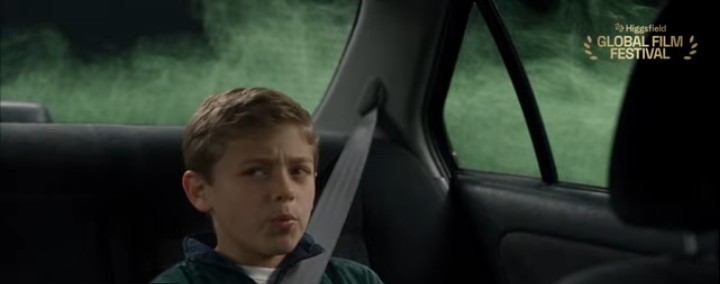
Then, almost gently, he says it was just a normal drive home. That calm is what makes everything after it frightening. A son spots something bright and says it looks like a spaceship. Arthur’s wife asks what is behind them. They see it for only a second, but that is enough, and then it is following them.
Four Hours, Give or Take
The central mystery of the film is a number. The family reaches home, the news is on far too early, and someone works out the math: four hours, give or take. Arthur says he has no idea what happened in them, and that he thinks it is best that way.
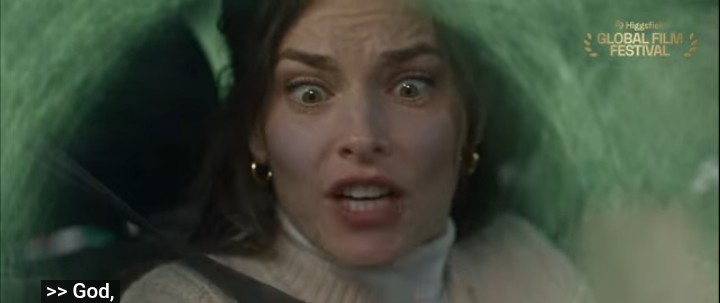
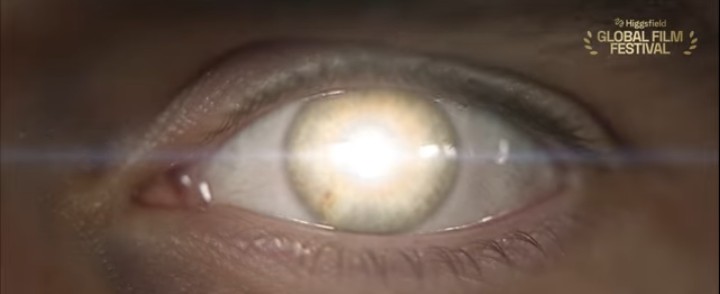
I love how the film treats the gap itself as the antagonist. It does not need a monster to be unsettling. The blank space, the green fog at the car windows and the cold, strange substance on the family are enough, because the not knowing is where the fear grows.
Trauma in the Smallest Details
What makes the film feel real is what happens after. There is no invasion at home, only small, relentless disturbances. A terrible sound plays on a loop. Meat starts tasting wrong. Arthur combs the whole house and everything tests fine, and still something is off. One of the boys stays up at 2 a.m. watching to see whether they will come back. The other plays with his toy car, lifting it into the air and insisting it is the car from his dream.
Arthur, who was a warm, joking father in the attic scene, begins to snap at his children. Go play your video games, he says, like every other kid. I found that painfully true. Fear with nowhere to go turns into irritability, and the people closest to us get the worst of it. The trauma here is not a special effect. It is a family slowly learning to flinch.
To Know or Not to Know
The marriage splits on a single question. Susan says they cannot keep going on like this and that they need help. Arthur says that if they tell anyone, people will think they are nuts, and that maybe it is best not knowing. Then comes her cry that she needs to know. The film refuses to say which of them is right.
She finds answers through a UFO expert and a hypnotist, while he spends the film protecting himself from them. Years later, Arthur says that seeing each other every day only reminded them of what happened, and that both were desperate to forget. In the end, neither choice saved them, and I think that is the film’s most honest insight: knowing and not knowing can both cost you everything.
Best Scene (13:54–14:26)
The car lifted
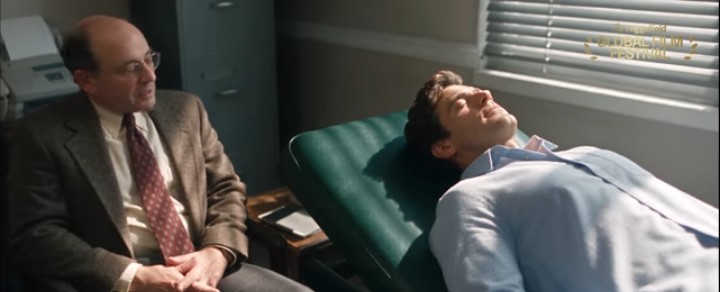
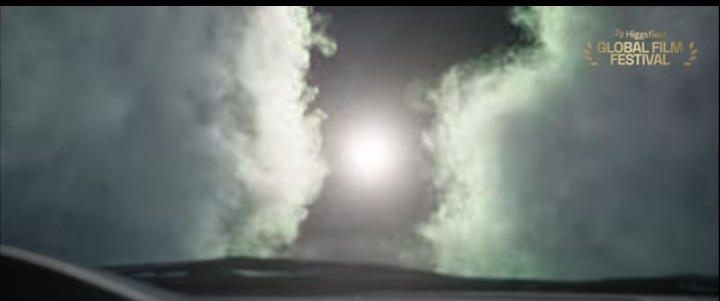
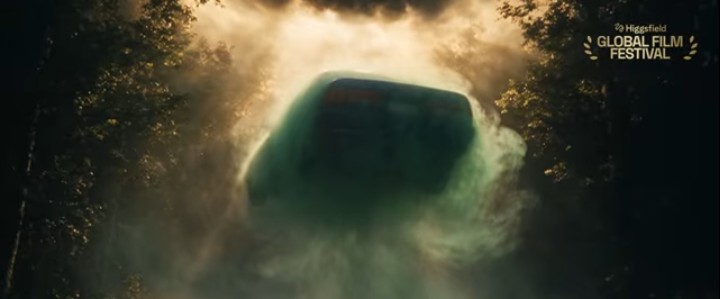
Under hypnosis, Arthur is guided back into the car. He describes the fog and the light, and then, at 13:54, the film slows down for the most important words in it: “The car… lifted.” What follows is not really about spectacle. It is about a father. “I should have put it in reverse. I should have protected my family.” The hypnotist tells him gently that his family is safe, and Arthur whispers, “They took us.”
In under half a minute the film moves from the unbelievable to the unbearable. The image of the car rising through glowing green mist beneath the trees is stunning, but what stays with me is the guilt: a man reliving the worst night of his life and blaming himself for not driving away from something nobody could have outrun. This is the scene where the UFO story and the trauma story become one, and it is the reason the whole film works.
“They Said We Are Their Children”
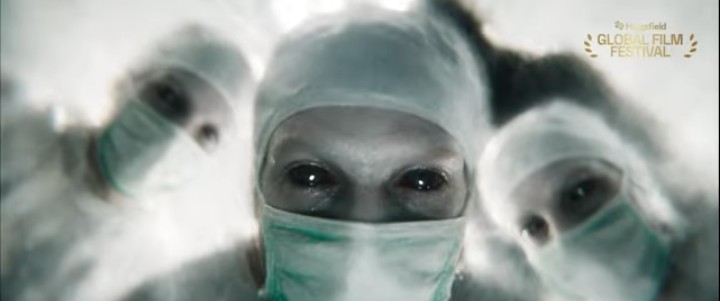
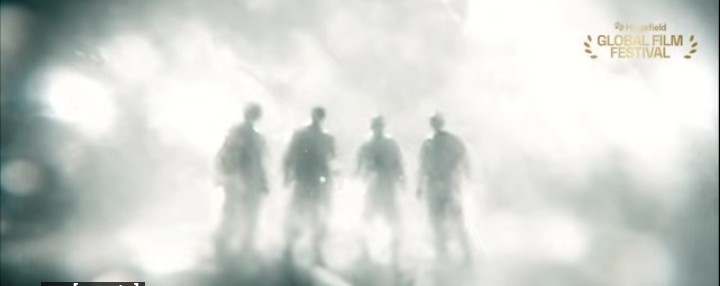
The memory continues, and the film wisely keeps it small. Arthur describes masked figures who looked like doctors and who spoke to him through his mind. They told him his children were safe. They said they have children too, and that we are their children, and that they are here, always.
It is a reassurance more unsettling than any threat. The language is a parent’s, but it also sounds like ownership, because protection and possession can sound exactly alike. Then Arthur breaks off with a desperate “No,” and we never see what comes next. The hypnotist, who has heard plenty over the years, says this is one story they could not forget if they wanted to. After the car, I believed them.
The Episode He Never Saw
Near the end, Claire asks Arthur whether he would go back and know what happened in those four hours. He says no. Her last question is whether there is anything else he would like readers to know, and his answer is the best line in the film: he never did see that episode of his damn show.
That one sentence completes the irony the film has been building. Arthur was racing home for a cliffhanger, and his own life became one. He never got the resolution to either. It is funny and devastating in the same breath, and it says everything about how a small, ordinary wish, to watch a show with your family at home, can be the thing we mourn most.
The Fields, the Stars and a Second Meaning
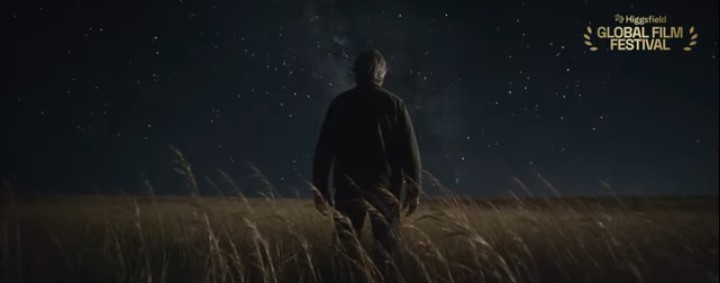
As Claire leaves, Arthur’s current wife tells her he will be out in those fields for hours, looking at the stars. She says he would give anything to know that what he went through had meaning, and that sometimes she thinks he is waiting for them to come back and take him.
It changes how we hear his “no.” It is not peace. It is fear of an answer sitting beside a longing for meaning, which is the most human contradiction in the film: he does not want to know, and he cannot stop looking at the sky. It also gives the title a second meaning. The hours between are the four he lost, and also the long hours he spends in the dark, waiting.
The Text That Made It Real
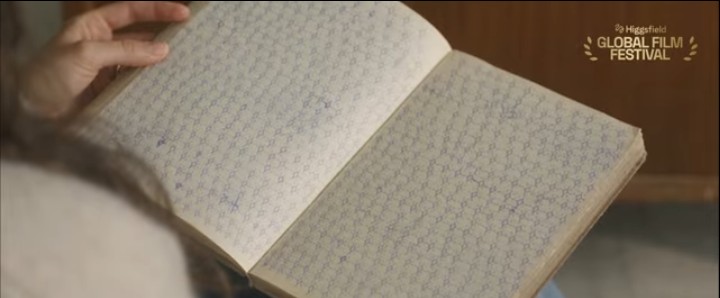
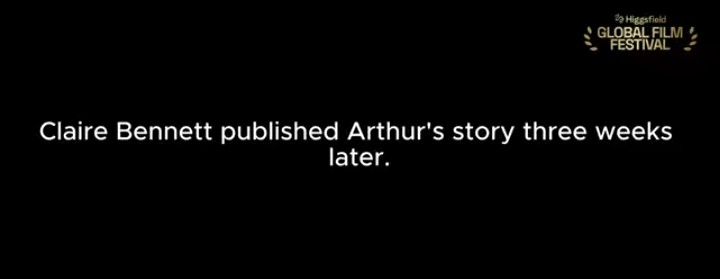
The film closes on plain white text on a black screen, telling us that Claire Bennett published Arthur’s story three weeks later, and more text follows showing the effect of the article. I loved this touch. It turns the story into a document and the film into a record, and it made the whole thing feel like a real story that left the room and entered the world. We spend twenty minutes inside one man’s memory, and then the film asks what the rest of us would do with it.
Final Thoughts
A gripping, beautifully shot story about the hours we lose, the guilt we carry and the questions we cannot stop asking. I enjoyed it from start to finish. It had my full attention, the storytelling is confident, and the trauma feels real. It reminded me that the thing we fear most is often not what happened, but what we cannot know about it.
Scene Breakdown
0:29–1:33 — Reporter Claire Bennett of the Ohio Gazette meets a reluctant Arthur Finch and his wife at their farmhouse.
1:45–3:19 — Arthur starts in 1998, with his first wife Susan and their two sons. A cop-show cliffhanger sends them home on what he calls a normal drive.
3:28–4:35 — A bright light appears behind the car and follows them. They think they lose it, about five minutes from home.
4:43–6:35 — Strange fog and cold, then home. The news is on too early, and the family realizes about four hours are missing.
6:41–8:14 — Arthur goes back to work. A sound plays on loop, food tastes wrong, and one son stays up at 2 a.m. to see if they come back.
8:49–10:57 — Bad dreams. A teacher worries about one son, and the other acts out his dream with a toy car.
11:07–12:14 — Arthur snaps at the boys. He and Susan argue over whether to find out what happened.
12:26–13:50 — A UFO expert and a hypnotist guide Arthur back to that night: the fog and the light.
13:54–14:26 — Best Scene: the car lifted. “I should have protected my family.” “They took us.”
14:32–15:56 — Doctor-like figures speak to him through his mind and say his family are their children. He breaks.
16:16–18:16 — Back in the present, Arthur explains the marriage ended in forgetting, Susan died three years ago, and his sons took very different paths.
18:19–18:41 — Would he go back and know? No. He never saw that episode of his show.
19:01–20:06 — Claire leaves. His wife says he spends hours in the fields and may be waiting for them to come back.
20:14–21:22 — Music, then end text: Claire published Arthur’s story three weeks later.
Reader Reviews
There are no reviews yet. Be the first one to write one.