

Download Free Original Music Songs from the films
Scores & Rankings
Who Made The Rain Directed by Weri Bouchakour
Find this film in
Score breakdown
- Storytelling & Structure ×210
- Emotional Connection ×210
- AI Tool Management ×210
- Visual Craft9
- Screenplay9
- Sound Design10
- Originality10
- Technical Polish10
- Rewatch Value10
×2 = core category, counts double.
Film Review
Written by Kineograph
A producer who has made forty million films, and spent not one day on set, goes looking for the people who used to make the rain by hand.
This review discusses key moments and the ending. If you would rather watch first, we recommend you do, and then come back.
A Boy Who Looked Only at the Screen
The film opens with an older man remembering his father’s set. As a boy, he says, he would disappear into the screen for hours and never look up once. Then comes the line the whole film grows from, spoken almost like a prayer: he would give anything for one more day there, this time actually paying attention.
I find that sentence heartbreaking in its simplicity. It is not a wish to go back and change the past. It is a wish to be present for it, and I think almost everyone carries a version of that wish.
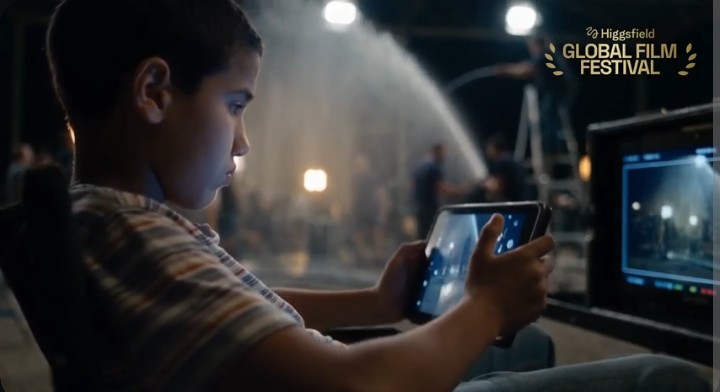
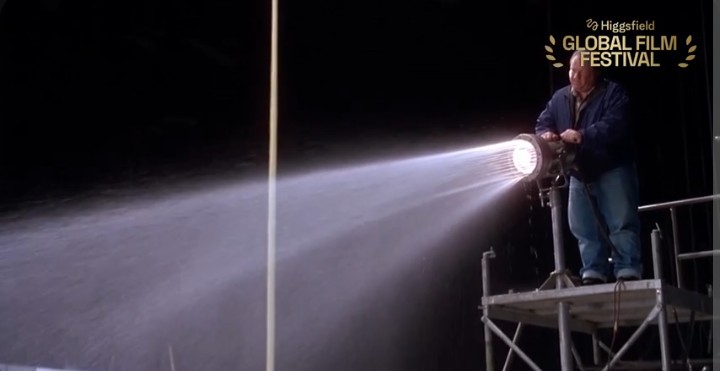
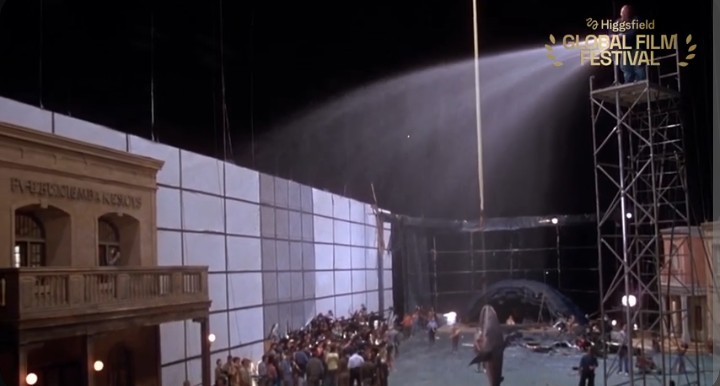
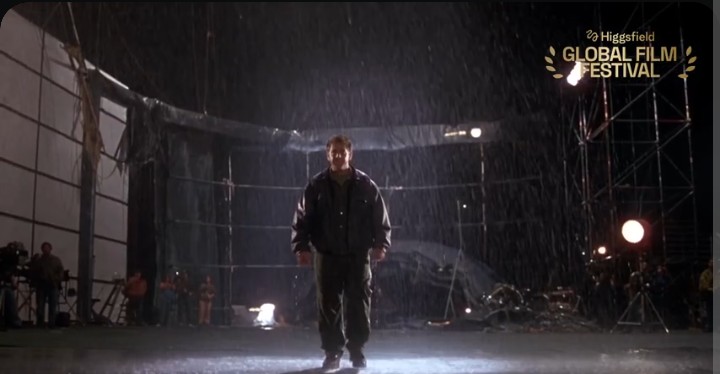
One image holds the whole film. The boy sits in his chair, lit by the glow of a tablet, absorbed in the monitor that shows the rain falling in the shot. Behind him, soft and blurred, a crew member on a ladder holds the hose that makes the rain. The child is watching the illusion while the labor behind it stands a few feet away. Everything the film goes on to say is already in that frame.
“Who Made the Rain?”
Around 2:16 the question arrives, and it is the most elegant idea in the film. The producer asks a younger filmmaker who made the rain in his films. The answer is, “It’s just it rains.” He is not being careless, which is what makes the moment sting. For him, rain is something you ask for and receive. It has no author, no cost and no hose.
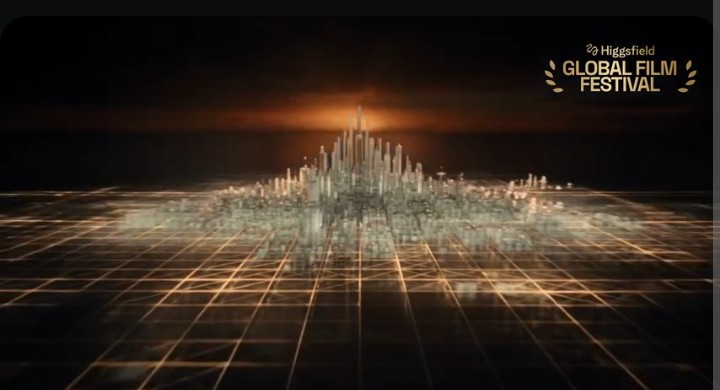
The film sets that answer against the promise of the new way: a single scene, whatever you need, rain, fire, a war, ten thousand people in an hour. It sounds like freedom, and it is. But the producer remembers that rain used to be a man, a ladder, a hose and hours of waiting, and that every effect we take for granted once had hands attached to it.
What I admire most is how the film lets the question cut both ways. Before he started this project, the producer says, he saw the ending as clearly as a memory. Nobody shows you that part of a vision, only the ending and never the cost of getting there. If he had known everything it would take, he is not sure he would have started at all. It is an honest thing to admit, and it makes the film as much about his own road as about the old way of working.
Forty Million Films, Not One Lived
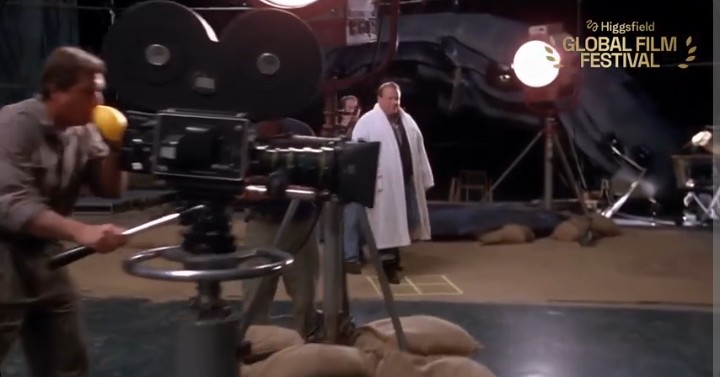
The number is staggering and the film knows it: forty million films since he was eight years old, and he has not lived a single one. It is said once around 7:36 and returns at 9:40, and the repetition feels like pressing on a bruise. The first time, it is followed by the thought that millions of people have watched his films and he does not know one name. A viewer, a woman in that first version, does not know any of the makers’ names either, and she is happy.
Near the end the same words return almost exactly, except the viewer is now a man. I read that small change as the film widening its lens. This is not one person’s sadness. It is all of ours. We enjoy films without knowing who made them, nobody is unhappy about it, and that is exactly what makes it sad.
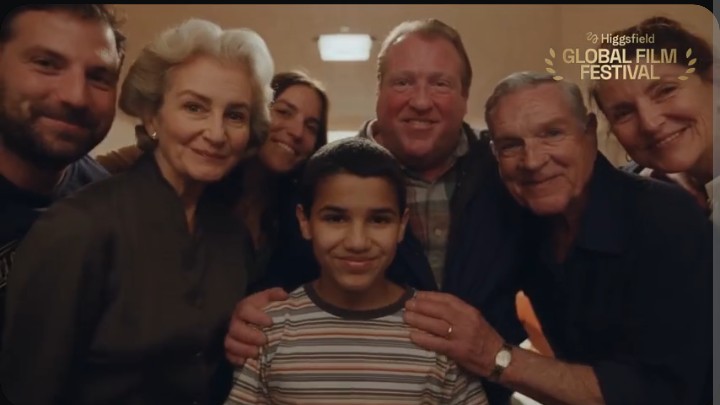
The same hollowness shows up in the veterans’ stories. An actor with a face made for westerns and funerals says it is the first time in forty years they have been asked to come in, because normally you just send your face. Another recalls making three films with a co-star and never meeting her. Intimacy without presence is the film’s sharpest joke, and it is funny until it is not.
The Army Behind the Frame
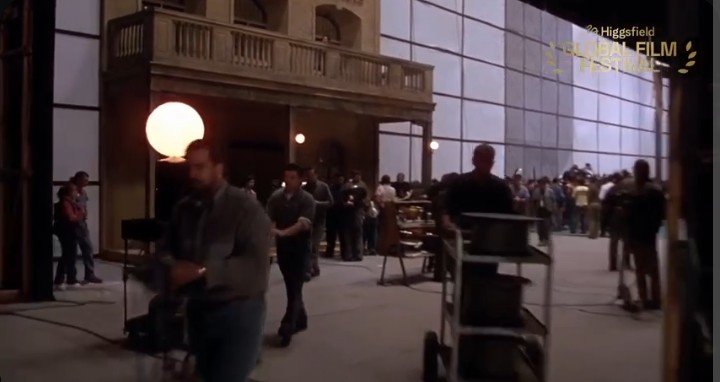
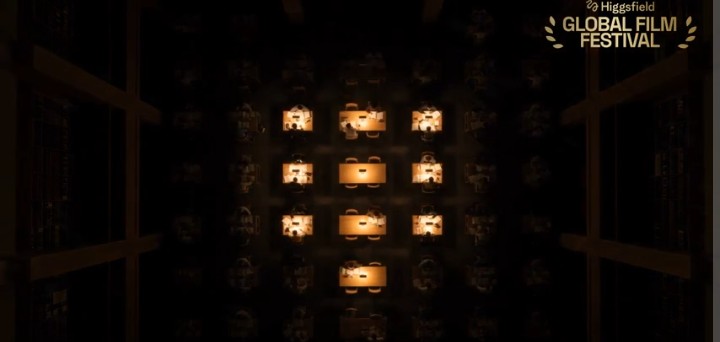
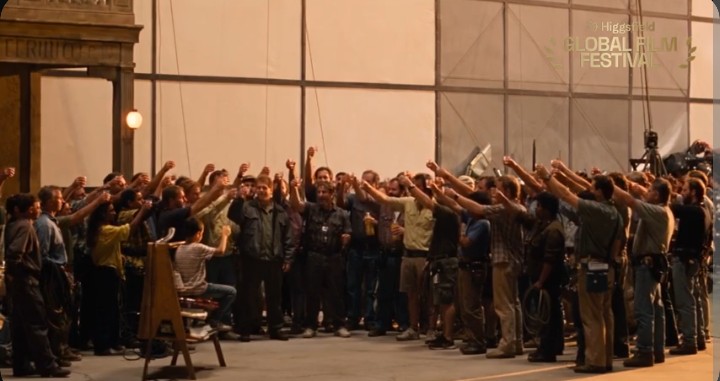
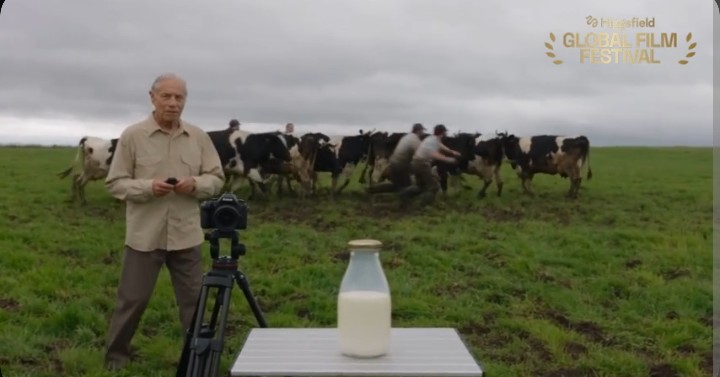
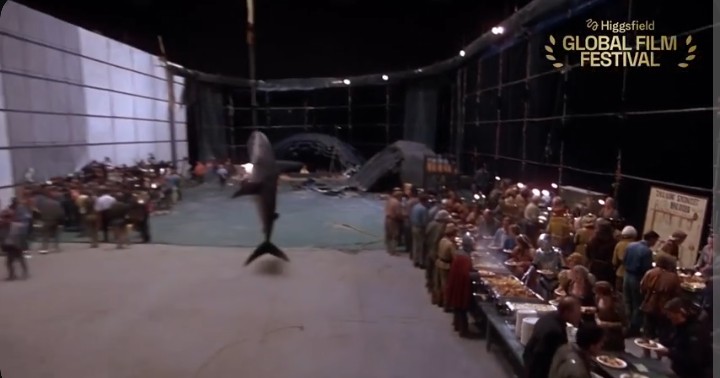
There was a time, the producer says, when telling one story took an army, a dozen hands to get one frame right. So he sets out to find them, as many as he can, and not only to talk to them. He wants to make something real, the way it used to be made.
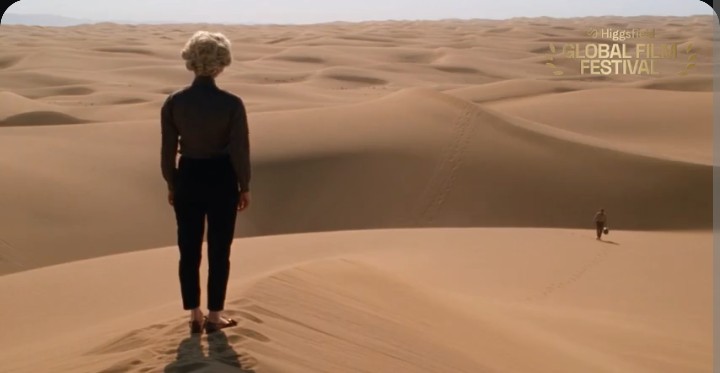
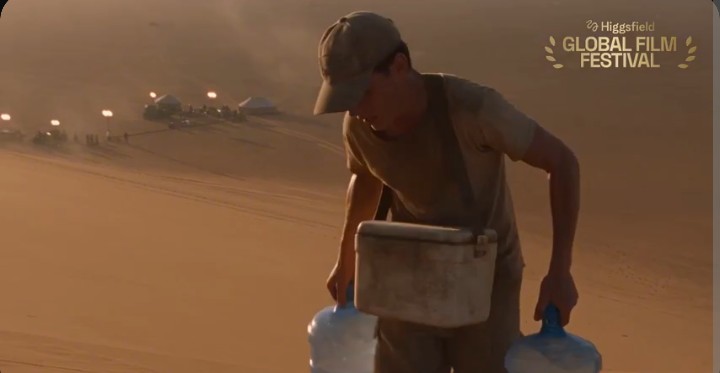
The journey that follows is full of small, specific details, and those are what make the longing believable: nineteen days of desert heat at four in the afternoon, ice stuffed into socks for the back of the neck, and a boy who ran up the dune all day with water bottles, whose name nobody remembers. Nostalgia works through the things nobody photographed. Nobody builds a monument to a sock full of ice, and yet that is what the people on that set remember.
Each day is a different room and a different face, but it starts to feel like the same conversation picking up again. He says he only wanted the interviews and ended up with something better. I believed him, because the film is full of faces that look like they are being listened to for the first time in a long while.
Light, Sound and the Art of Letting Things Breathe
The cinematographer’s section is short and beautiful. They say they learned light by getting inside it, that forty years inside it have not changed that, and that the key is to let the light breathe. The interviewer answers that you do not force the story onto the viewer, you invite them in. In under twenty seconds the film gives a whole philosophy of filmmaking, and it is the opposite of the push-button promise of the new way.
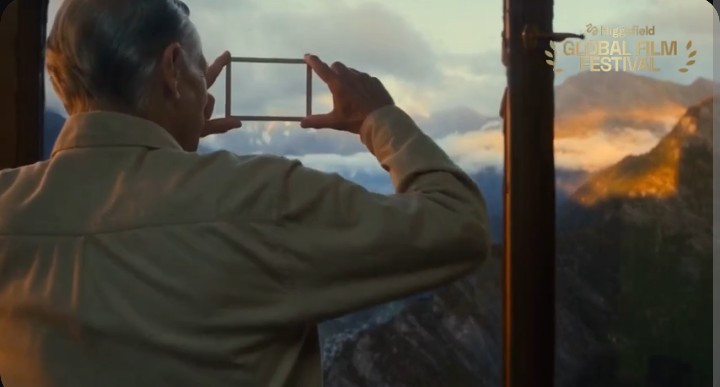
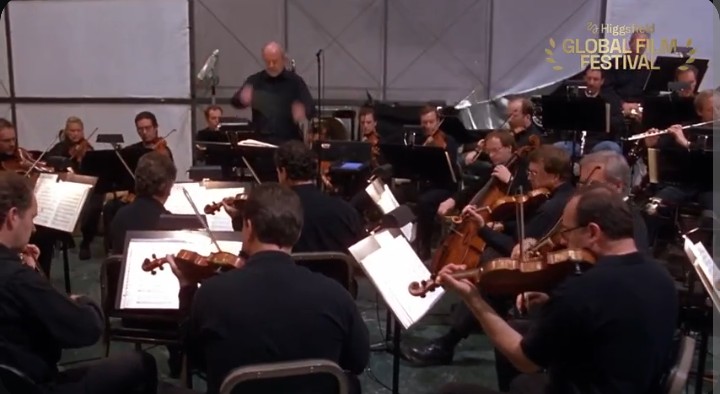
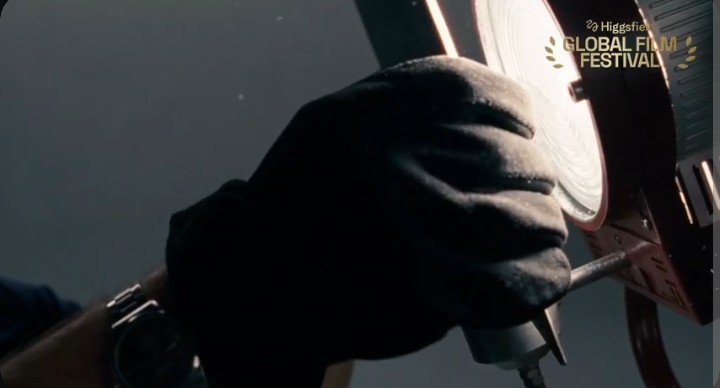
The film keeps coming back to the physical. A man frames a mountain sunrise between his fingers. An orchestra fills a recording stage, and a director says cinema is a visual sonic art, but that making it is something else entirely. Then one speaker gives the film its most direct statement: it is all touch, someone’s hands on someone else’s skin, on fabric, on a light that will not sit right until you nudge it yourself. That is not an inconvenience, they say. That is the whole point.
A machine, they add, has never once gotten its hands dirty, and getting your hands dirty is the only proof you were ever really there. It is the line that stays with me, because it explains why the film sounds less like an argument and more like grief.
Hands that remember every face
A makeup artist describes four years of study so that a bruise would look real, and the reward: people told them things they told no one else, because their face was being touched and they could not look back. Then comes the line: “My hands still remember every face.” And the next, quieter one: there is just no one left to put them on.
It lasts only twelve seconds, and it holds more than most whole films. It shows how intimate this work was. The craft was never only about the bruise. It was a confessional, built out of touch, trust and quiet. It also gives the film’s loss its most human shape: a skill the body still knows, with nobody left to receive it. I will remember this scene for a long time.
The Invisible Craft, and an Honest Ledger
The film is generous with the people whose job was to go unnoticed. One veteran remembers which hand held the glass three hundred times a day, and says nobody ever knew what they did. That was the job. A stunt performer lists eleven fractures and says they would take everyone again. Someone else says what is wrong with them is simply that they used to be good, and now they are not needed.
These moments land because the better the craft, the less anyone saw it. Continuity is the perfect example: you succeed by being invisible. And there is a quiet parallel with the new way, where everything arrives flawless and nobody is credited, because nobody was there.
The film is also honest enough not to romanticize. Asked what they do not miss, the veterans answer quickly: the cold, the waiting, the money, a sore back, six weeks away from their kids. Asked what they do miss, one answers with the smell of a light after eight hours on. A director adds a warning that reads like the film’s advice: don’t lose what brought us here. The longing is real because the ledger is fair.
A Film Made With the Tools It Mourns
There is an irony the film does not hide. It was made with the very tools it grieves for, and I do not think that weakens it. If anything it gives the film its unusual authority. Someone who can summon rain with a sentence is the one who knows what it costs to stop asking who made it.
Its most generous line may be this one: “Movies today are better. Making them was better before.” Both can be true, and the film refuses to pick one. It is not a protest. It is an inventory, a careful list of what a film once required, from heat and ice socks to hoses and hands, followed by a quiet question about what we are willing to lose. Late in the film the producer says that if he could really live, he would change everything about himself, not his films. That is the longing underneath the longing: not for the old sets, but for a life that was lived instead of watched.
Final Thoughts
A tender, thoughtful elegy for the hands behind the camera, and a reminder that every frame we take for granted was once somebody’s whole day. I loved how patient it is, how specific its memories are, and how gently it refuses easy answers. It made me want to go back to my favorite old films and look for the rain. When the closing line returns with a man in place of a woman, it feels less like an ending than an invitation to pay attention this time.
Scene Breakdown
0:01–0:26 — The producer remembers his father’s set. As a boy he only watched the screen, and now he would give anything for one more day there, paying attention this time.
0:26–1:05 — Veterans recall a desert shoot: ice in socks, a boy running water bottles up a dune, a western actor’s “funeral face,” and a world where you just send your face.
1:24–2:09 — He says storytelling once took an army, and decides to find those people and make something real. The new way offers rain, fire and a war in an hour.
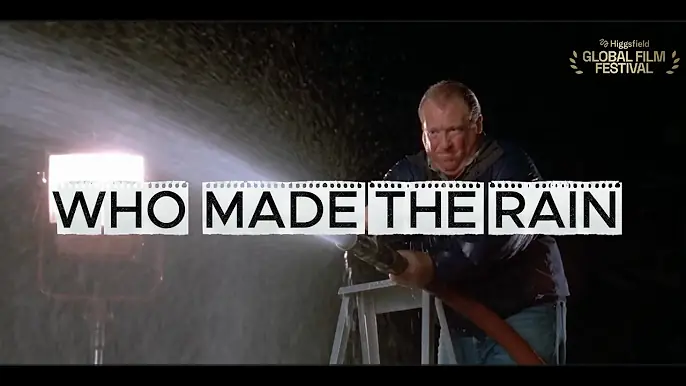
2:16–2:26 — “Who made the rain?” The younger filmmaker answers, “It’s just it rains.”
2:40–3:37 — He reflects on seeing the ending without the cost. The interviews begin to turn into friendships.
3:46–4:46 — Faces start to feel like wallpaper. The cinematographer talks about learning light by getting inside it and letting it breathe.
4:54–5:52 — “Movies today are better. Making them was better before.” A filmmaker calls cinema a visual sonic art.
6:07–7:01 — Eleven fractures, no regrets. Making a film is all touch, and only getting your hands dirty proves you were there.
7:36–8:04 — Forty million films, none lived. If he could really live, he would change himself, not his films.
8:22–8:34 — Best Scene: the makeup artist and the faces their hands still remember.
8:51–9:30 — What they do not miss and what they do, the glass held three hundred times a day, and a quiet reminder not to lose what brought us here.
9:30–9:48 — “Did we get it? The shot.” “We got it.” The forty million line returns, now with a man who does not know their names, and is happy.
Reader Reviews
There are no reviews yet. Be the first one to write one.