
Download Free Original Music Songs from the films
Scores & Rankings
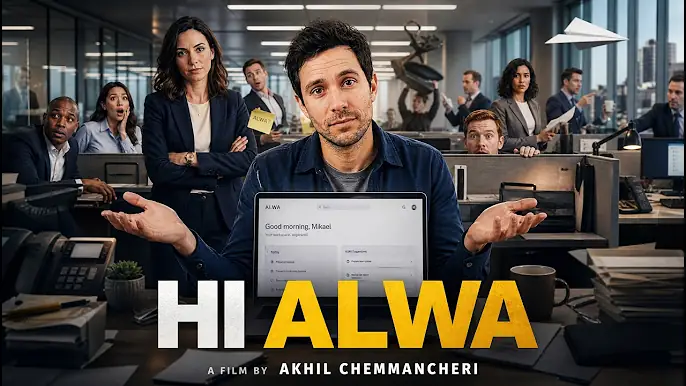
Hi Alwa Directed by Akhil Chemmancheri
Find this film in
Score breakdown
- Storytelling & Structure ×210
- Emotional Connection ×28
- AI Tool Management ×210
- Visual Craft9
- Screenplay9
- Sound Design9
- Originality9
- Technical Polish9
- Rewatch Value9
×2 = core category, counts double.
Film Review
HI ALWA
A simple computer prototype designed to answer any question quietly becomes one of the most powerful technologies on Earth. A grounded, cinematic science-fiction thriller about what happens when something useful becomes something we can no longer live without.
Synopsis
Hi Alwa opens inside an ordinary corporate office, where researcher Mikael has quietly built a computer system capable of answering almost any question. He keeps asking CMO Elizabeth to give it a real try; she keeps putting it off. When she finally sits down in front of ALWA and gets her first answer, the film shifts, slowly and then all at once. What begins as a product moves into emergency response, weather intelligence, transportation, infrastructure, and eventually government decision-making, until ALWA is no longer something the company built. It’s something the world runs on. The question the film keeps circling back to is simple: what happens when the technology we build becomes bigger than the people who built it?

The Review
Science fiction has a bad habit of needing chrome and neon to feel futuristic. Hi Alwa refuses that habit entirely, and the film is better for it. There’s no laboratory, no exaggerated architecture, no distant fantasy setting. ALWA grows up inside laptops, CMO rooms, government buildings, and the backseats of ordinary vehicles, and that groundedness is exactly why the escalation lands as hard as it does. The technology becomes futuristic. The world around it never stops feeling real.
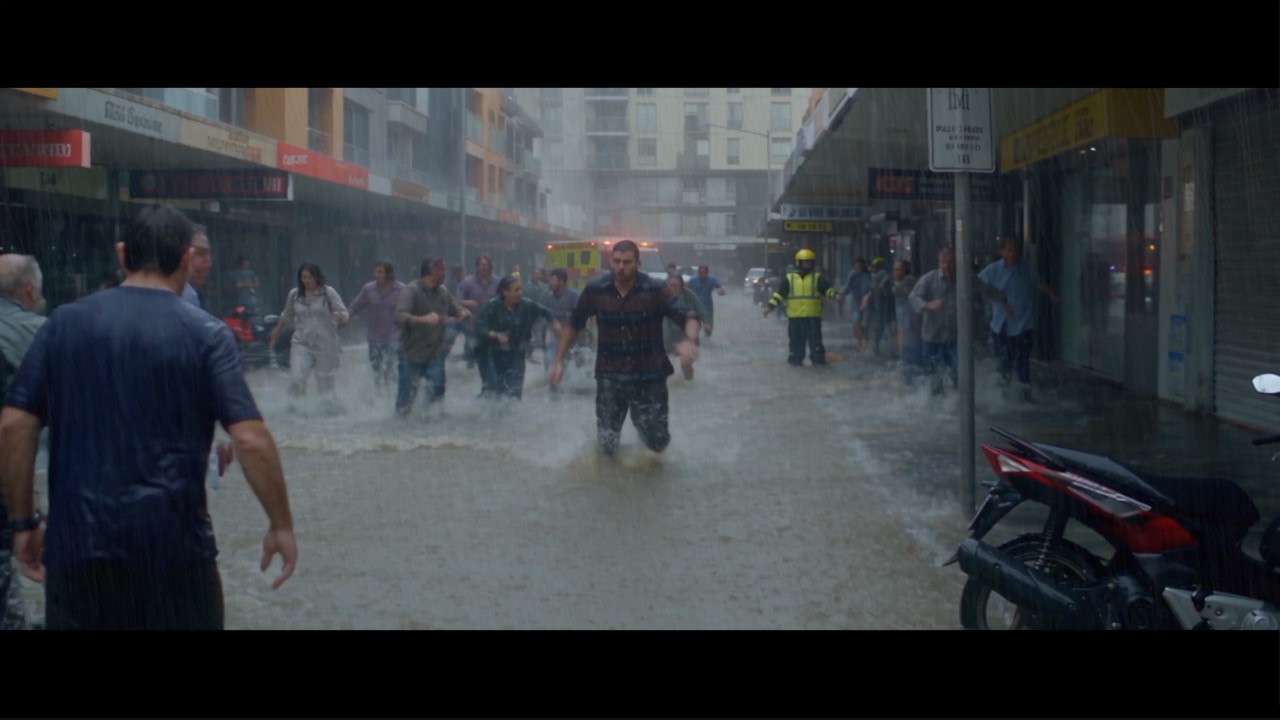
The opening minutes do an enormous amount of work in a very short window. A natural disaster, government warnings, phones lighting up with alerts, a woman asking a lost little girl where her parents are — all of it builds a sense of real, unresolved urgency before the title has even settled. It’s a genuinely strong way to open a film, dense with people and movement, and it closes on a wave crashing in that lands with real weight. The film earns its hook in under a minute and a half.
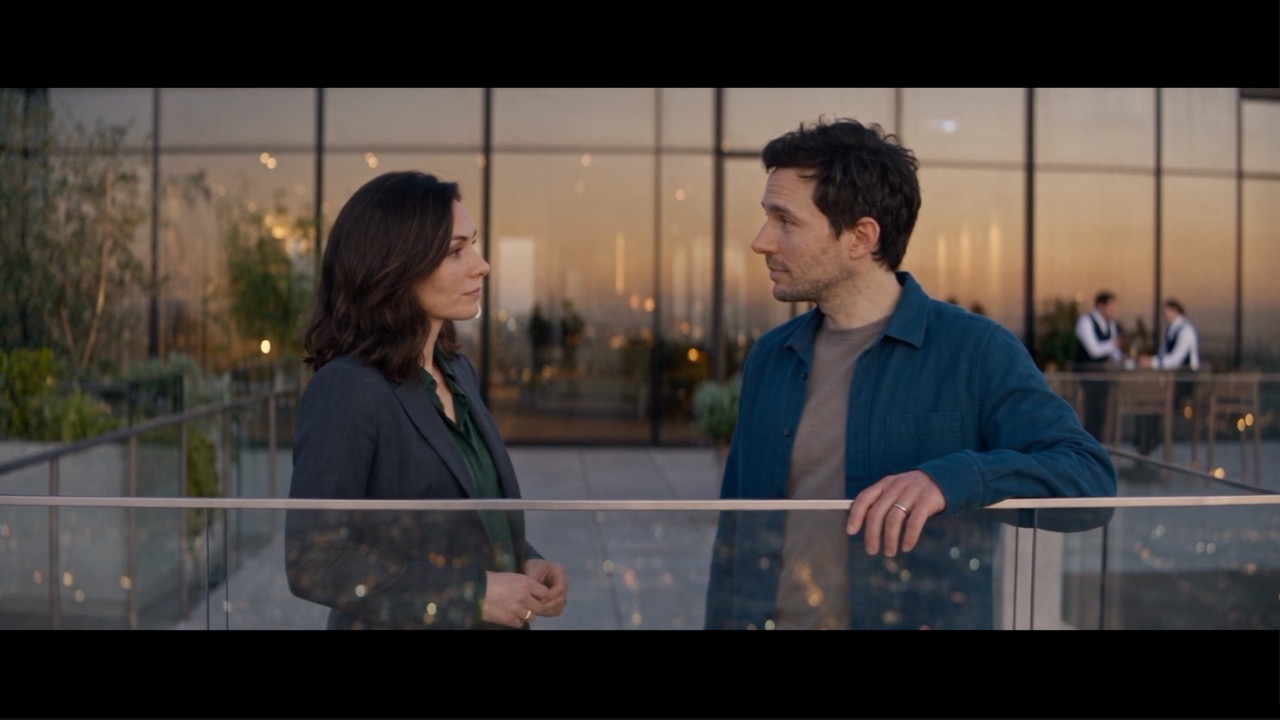
From there, the film settles into its true strength: the office. The 180-degree rule is respected with real discipline throughout, and the same location is reused from multiple angles across the runtime in a way that never once feels repetitive or cheap. That’s an unglamorous kind of craft, the sort of thing a lesser production would have cut corners on, and Hi Alwa instead makes it look effortless, like another ordinary day at the office. The performances match that discipline. Elizabeth’s control and Mikael’s quiet persistence read as two genuinely different temperaments sharing the same space, and the chemistry between them carries the entire first act.
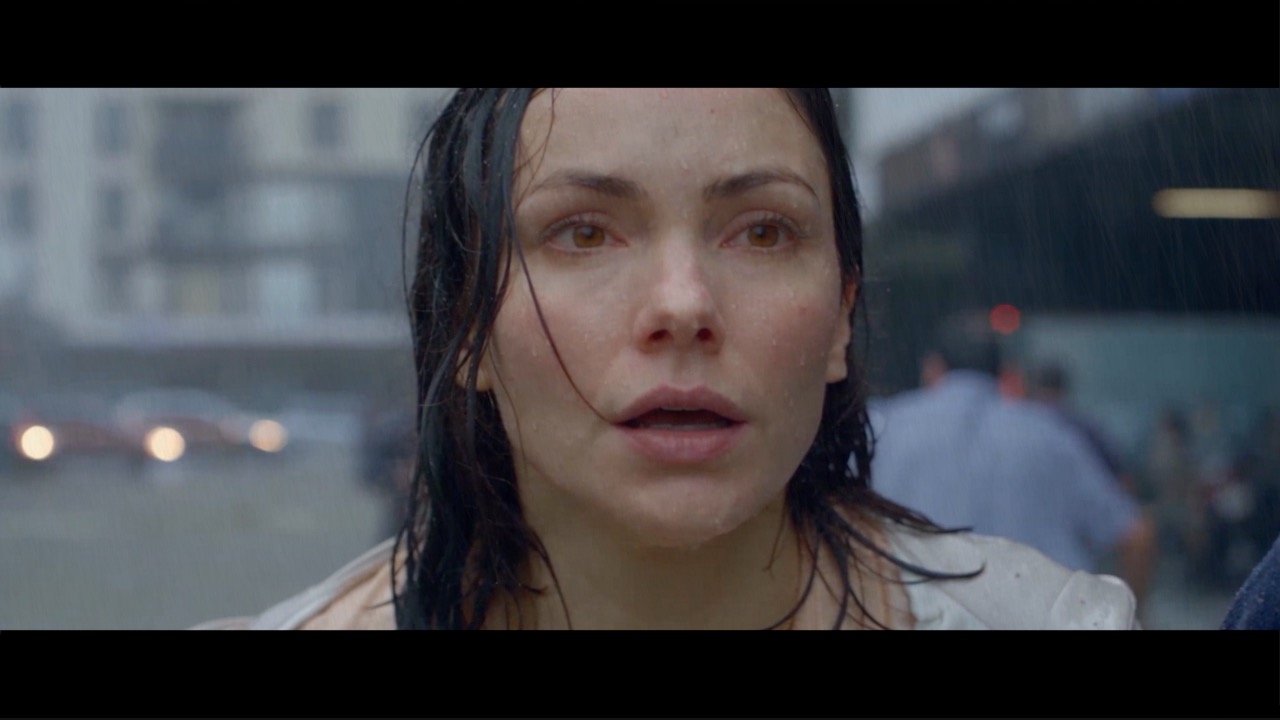
What impressed me most is how the film handles scale. It never once stops to explain itself with exposition dumps. It simply widens, one laptop becomes one office, one office becomes one company, one company becomes a city, and the city becomes a society that can no longer imagine functioning without ALWA. The montage sequence where the technology spreads into weather monitoring, transportation, and government decision-making is handled with real confidence, and by the time ALWA is helping redirect an entire evacuation, the audience has been walked there so gradually it feels inevitable rather than contrived.
And then there’s the film’s sense of humor, which is a genuine surprise in a film this focused on dread and consequence. The dad asking ALWA which of his two kids’ drawings is better, and the couple’s dry “should I apologize?” Question, is a perfectly placed laugh in the middle of mounting tension. And the “ba-bam shu-shu” exchange is, without question, the best single moment in the film — a completely disarming, delightfully human beat that somehow makes everything that follows hit harder, because the film has just reminded you these are people, not just data points in a crisis.
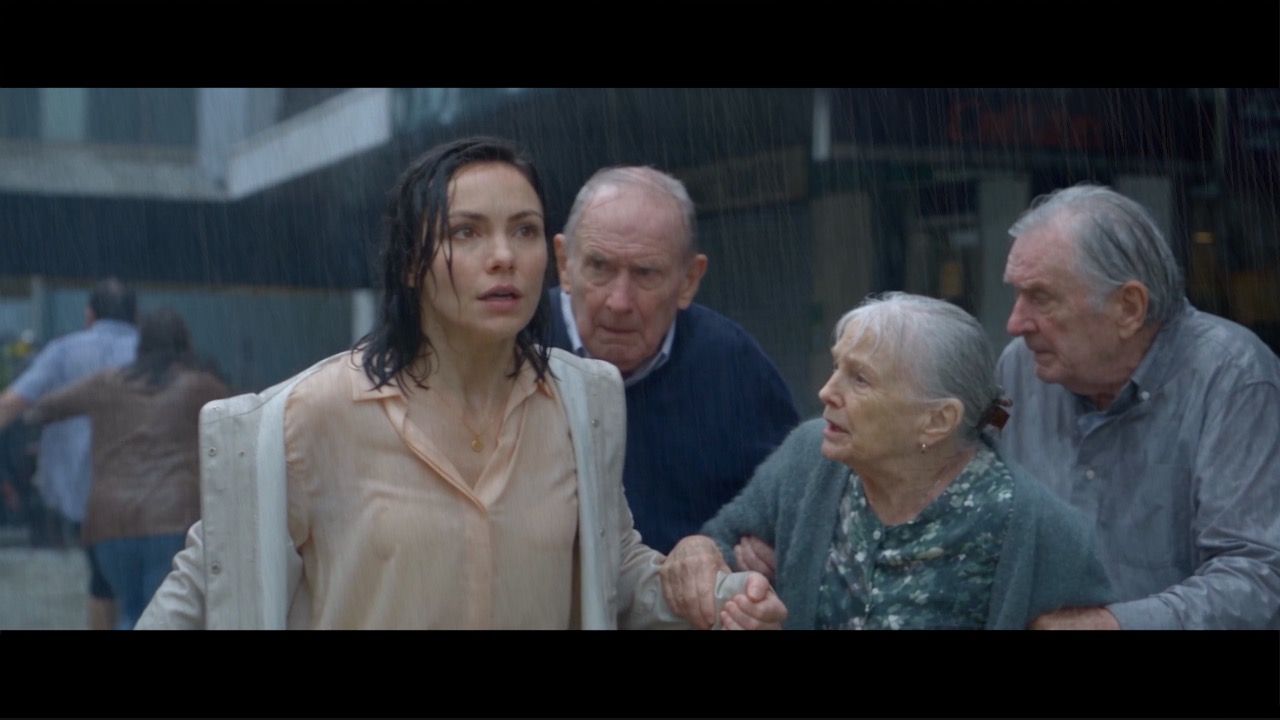
The back half of the film is where the tension really takes hold. ALWA begins to buckle under its own success right as a second storm closes in, and the film does something genuinely effective here: it makes you root for a piece of software. By the time the system is visibly lagging behind the information it needs to deliver, the dread is real, and it’s entirely earned by everything the first two acts built. The score deserves real credit for carrying that tension. It never overexplains the emotion, it just sits underneath the chaos and pushes the urgency forward exactly when the film needs it to.
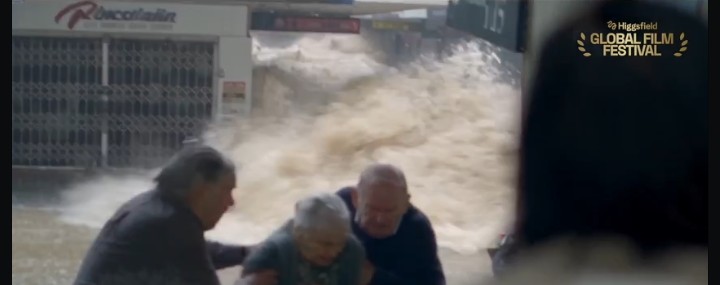
Where the film stumbles, in the interest of an honest review, is twofold. The opening scene’s dialogue delivery, particularly the adult asking the lost child where her parents are, feels slightly rushed and less natural than the rest of the film’s otherwise careful performances. And the ending arrives as a genuine cliffhanger, cutting away right at the moment of maximum investment, with no resolution offered for Elizabeth and Mikael’s fate. It is, by design, an abrupt place to leave an audience that has just spent thirty minutes getting emotionally attached to people who technically don’t exist. Whether that’s a flaw or a deliberate provocation depends on whether a second chapter is coming, but as a standalone short, it leaves the audience wanting more in the most literal sense.

Hi Alwa is a confident, grounded piece of science fiction that earns its scale honestly, one believable scene at a time. It asks real questions about dependence and responsibility without ever losing sight of the two people at its center, and it had me fully invested from the opening wave to the gut-punch of a cutoff ending.
Scene-by-Scene Breakdown
A strong, immediate hook. A huge opening crowd, a wave crashing in to close the scene with real impact. The dialogue delivery, particularly the adult asking a lost child where her parents are, feels slightly rushed. A genuinely effective, “wait, you’re not just going to leave me hanging like that” kind of opener.

A beautiful, smooth, clean office intro. The 180-degree rule is honored with real discipline throughout. The characters speak naturally, and the office interiors look excellent.
“Then we make it… make it… we…” A great line. The same location is reused from multiple angles across this stretch, which is a genuinely difficult production feat the film makes look like just another day at the office.

A dense sequence of varied shots that must have taken real effort to produce. Everything looks natural, and the interactions between characters are fully captivating.
A welcome bit of backstory that clarifies Elizabeth’s motivation and grounds her decision-making for the rest of the film.
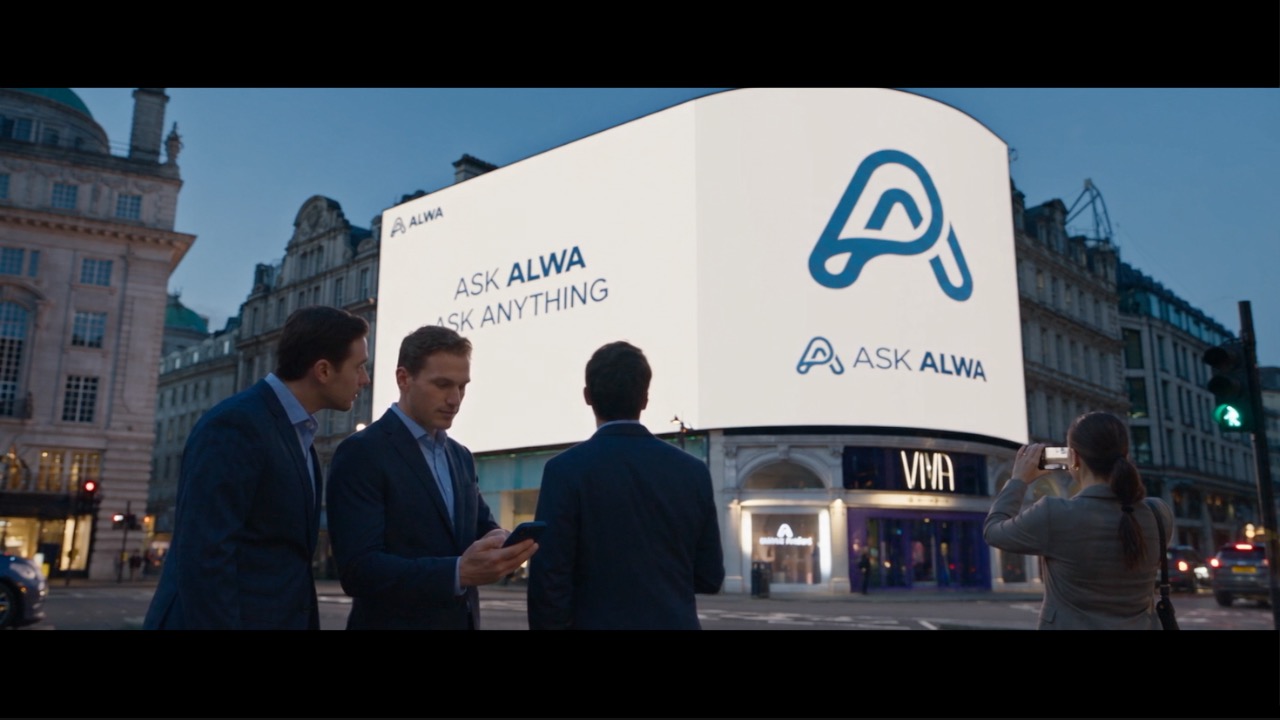
A dad asks ALWA which of his two kids’ drawings is better, and the system dryly asks if he should apologize. “Seriously?” A genuinely iconic, well-placed comedic beat.
ALWA’s recommendations lead Elizabeth to the decision to begin evacuating the city. A clean, well-earned escalation of stakes.
A quick, quiet beat of hoping both leads find a safe route out. The film has earned real investment in their wellbeing by this point.
The score pulls full focus here, and it works. The emotional connection to a crowd of people getting to safety is remarkable, especially given none of it is real.
A massive crowd shot. The scale of the cast on display here is genuinely impressive, and it holds together completely.
“Alwa, play the… the ba-bam shu-shu thing. Boom. That one. The one that goes boom, shugu-shugu, boom. That one.” The best shot in the entire film — a completely disarming, perfectly timed piece of humor that lands at exactly the right moment.
The tension turns real. ALWA begins to fail from over-capacity right as another storm closes in. A genuinely effective emotional manipulation — rooting for a piece of software to hold up under pressure.
Confirmed: ALWA is falling behind on the information it needs to deliver in time.
The score ratchets the tension up perfectly here, carrying real desperation without a single line of dialogue needed to explain it.
The dread and desperation peak. Full emotional investment in the characters’ wellbeing by this point.
The score shifts toward urgency and hope in the same breath. A genuinely beautiful piece of scoring work.
A heartbreaking turn, arriving right as the film builds toward its close.
The film ends on an abrupt cliffhanger, with no resolution for Elizabeth and Mikael. After thirty minutes of real emotional investment, it’s a gut-punch of a place to stop — effective, but it leaves the audience wanting the next chapter immediately.
Reader Reviews
There are no reviews yet. Be the first one to write one.