
 Terrorrking
 Creator ID26-11-01-0026

Score breakdown
27 views على Kineograph
Film Review
This review discusses the ending. If you would rather watch the film first, we recommend you do, and then come back.
Synopsis
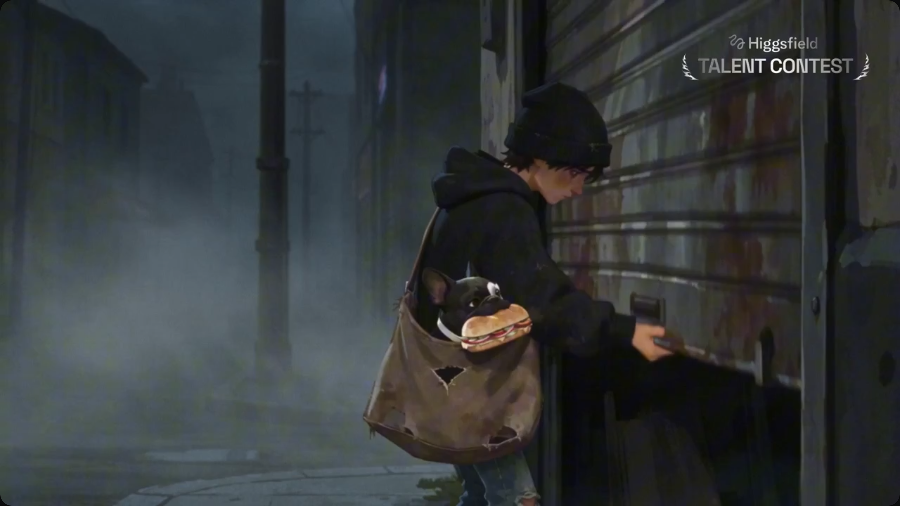
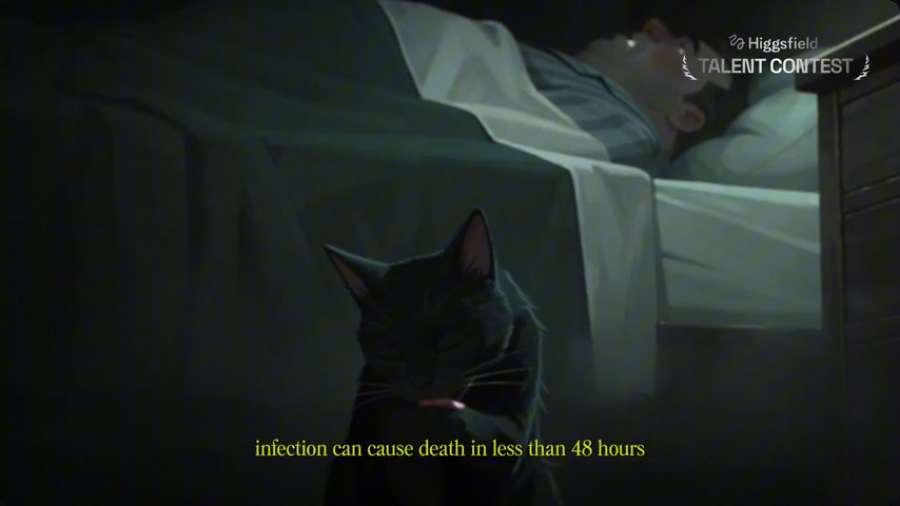
A government official announces the new order on television, flanked by armed guards: a virus passing from pets to humans has killed thousands, animals must be kept at a distance and reported, and anyone sheltering one is an accomplice. Officers in hazmat suits begin the seizures — a white cockatoo taken from its cage and sealed in a plastic bag. In the street, Diego, a homeless teenager, searches a dumpster, then plays with his French bulldog: “Vamos a jugar. Cuando yo te guiñe salimos corriendo” — “Let’s play. When I wink at you, we run.” Two officers find them and demand the dog. Diego refuses — “¡Argos! ¡Es todo lo que tengo!” — and as they restrain him, Argos runs alone into a dark underpass. The film closes with a flashback: the day Diego found the dog, and named him. “I see the world has abandoned us both. But at least now we’ll take care of each other. I’ll call you Argos.” The only credit in the film is its end card: TERRORRKING.
The State, Then the Street
The film’s structure is its argument. It opens at the top of the world — a polished broadcast, an official’s calm voice, guards at her shoulders — and then spends the rest of its length at the bottom of it, with the people the announcement actually lands on. The cockatoo seizure is the bridge: bureaucratic, gloved, a bird in a plastic bag, no cruelty performed and none needed. By the time the officers reach Diego, the film has taught you exactly what their politeness costs.
Diego himself is drawn quickly and well. The dumpster search, the play in the street — the film gives him joy before it gives him trouble, which is why the trouble matters. His game with Argos, the wink that means run, is set up as a game and paid off as a rescue, and that is proper storytelling in any language.
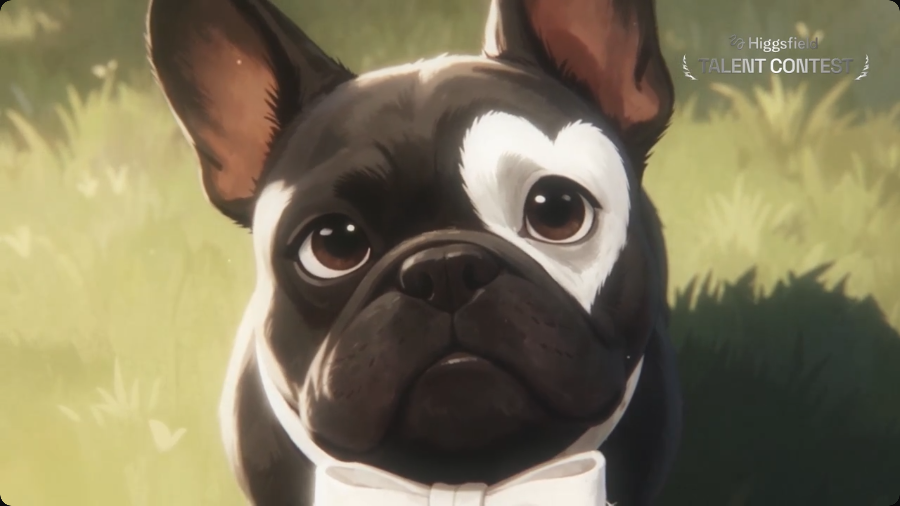
And Argos himself is a small triumph. He comes out looking and behaving like a dog — the bounce of the play, the ears up, the whole of his attention fixed on Diego’s face, waiting for the wink. He is adorable, and the film is wise enough to make him cute the way real dogs are cute, not the way cartoons are. That is why the seizure scenes frighten: what the officers are reaching for is not a prop in a dystopia, it is somebody’s dog.
“Run, Argos”
The confrontation, from about 3:10 to 4:30, is the film’s peak. “¡Danos al perro!” — “It’s a matter of national security.” Diego, held by two officers, falls back on the only plan he has: the game. “Don’t worry. This is just a game. Remember, Argos? Don’t stop running!” The dog runs; the boy is held; the camera stays with the cost of it. Nothing here is overplayed, and the smallness of the stakes — one dog, one boy — against the language of national emergency is the whole film in one scene.
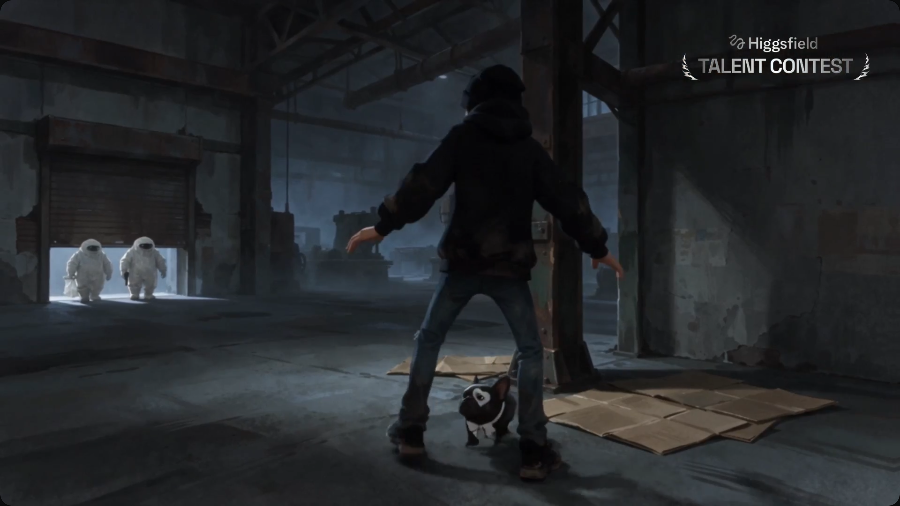
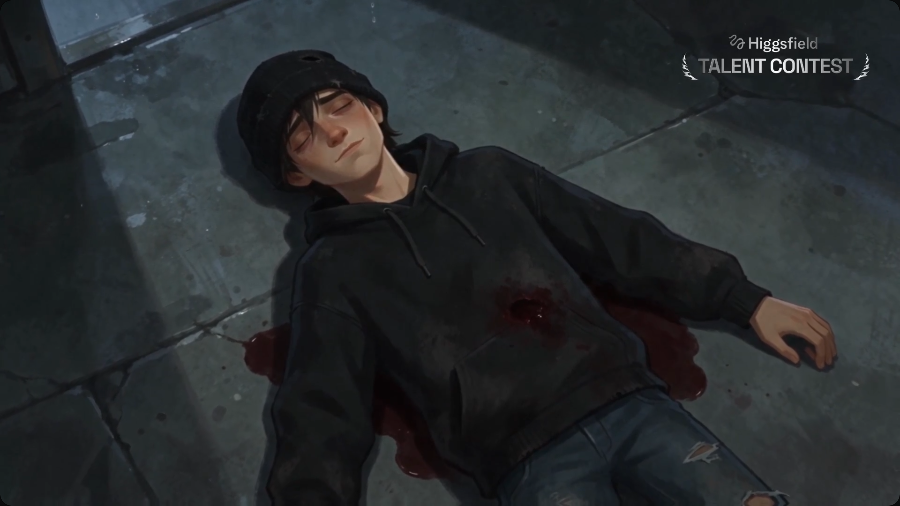
The closing flashback is gentler and riskier. After the chase, the film steps back to the day Diego named the dog, and the naming scene — “I’ll call you Argos. Do you like it?” — lands as the answer to the confrontation: this is what they were trying to take. It works emotionally, though the film gives no signpost that we have moved back in time, and a first viewing can stumble over the join. And the ending is, simply, sad: a dog alone in the dark of the underpass, and then this memory of the day they found each other — which is all Diego has left of him.
Best Scene (3:10–4:30)
“It’s All I Have”
The confrontation. Two officers, one boy, one small dog, and a childhood game turned into an escape plan. It is the scene the whole film was built to reach, and it does not flinch: Diego’s “¡Es todo lo que tengo!” is the truest line in the film, and Argos running alone into the dark is its truest image.
Final Thoughts
This one reaches for one boy and one dog and trusts that to be enough — and it is right. The dystopia is sketched in a minute of broadcast and never lectured about again — it simply arrives, in gloves, at the door of the person with the least. Verdict: a small story about a big cruelty, told from the pavement — and the pavement is where it hurts.
★★★★ — One boy, one dog, and a state that calls it security
Scene Breakdown
0:00–1:00 — The announcement. A government broadcast: a deadly pet-to-human virus, animals to be reported, hiding one “will be considered an accomplice in the disaster.” An old woman on a bench, a squirrel at her feet.
1:00–1:45 — The seizure. A hazmat officer takes a white cockatoo from its cage and seals it in a plastic bag. Mostly music and ambience.
1:45–2:30 — Diego. A homeless teenager searches a dumpster. The film gives him nothing — so the next scene can give him everything.
2:30–3:10 — The game. Diego plays with his French bulldog Argos: “Let’s play. When I wink at you, we run.” One line lands in English: “I’m going to kill you.”
3:10–4:30 — The confrontation. Two officers demand the dog — “It’s a matter of national security.” Diego refuses, plays the game one last time, and Argos runs alone into a dark underpass as Diego is restrained.
4:30–5:28 — The naming. Flashback: Diego finds the dog. “I see the world has abandoned us both… I’ll call you Argos.” Black, and the TERRORRKING end card.
There are no reviews yet. Be the first one to write one.